Ghumoopedia — Explore, Discover, Experience
Sign in
Tawang, near Tawang

City guide · Arunachal Pradesh

Tawang

Tawang is a high-altitude town and district centre in Arunachal Pradesh; visitors come to see its famous Gelugpa Buddhist monastery.

Famous for

  • Tawang Monastery
  • Monpa culture
  • Monpa carpets
  • Torgya festival
  • Himalayan mountain scenery
In the city
4
Nearby
2
District
Tawang

Why Tawang matters

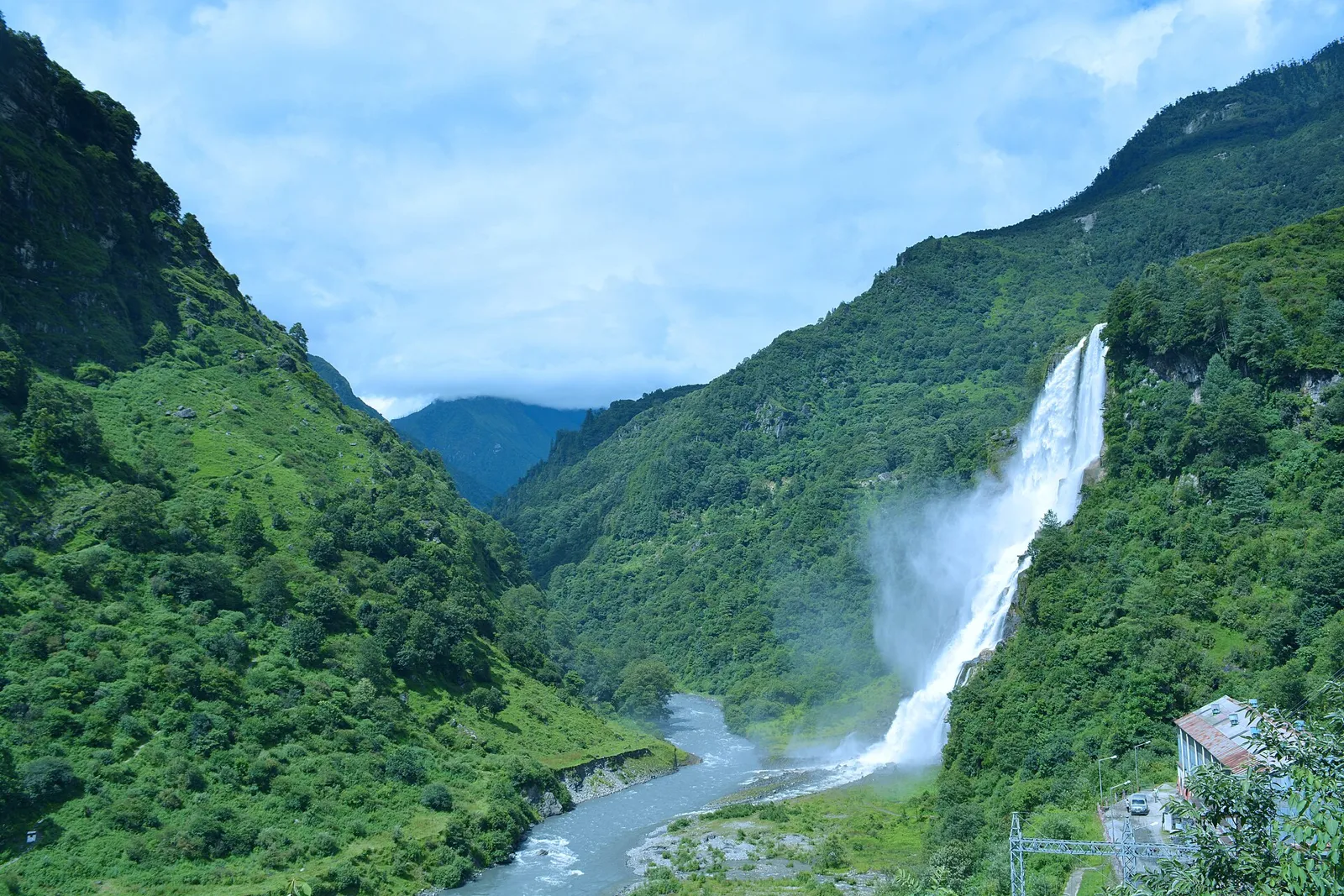
Set high in the eastern Himalaya, Tawang is the administrative centre of Tawang district and one of Arunachal Pradesh’s best-known visitor destinations. Its position near the India–China frontier gives the town strategic importance, while its mountain setting and strong Monpa heritage make it a cultural centre as well as a regional hub. Roads connect it with the rest of Arunachal Pradesh through Sela Pass and with the wider Northeast via Tezpur and Assam.

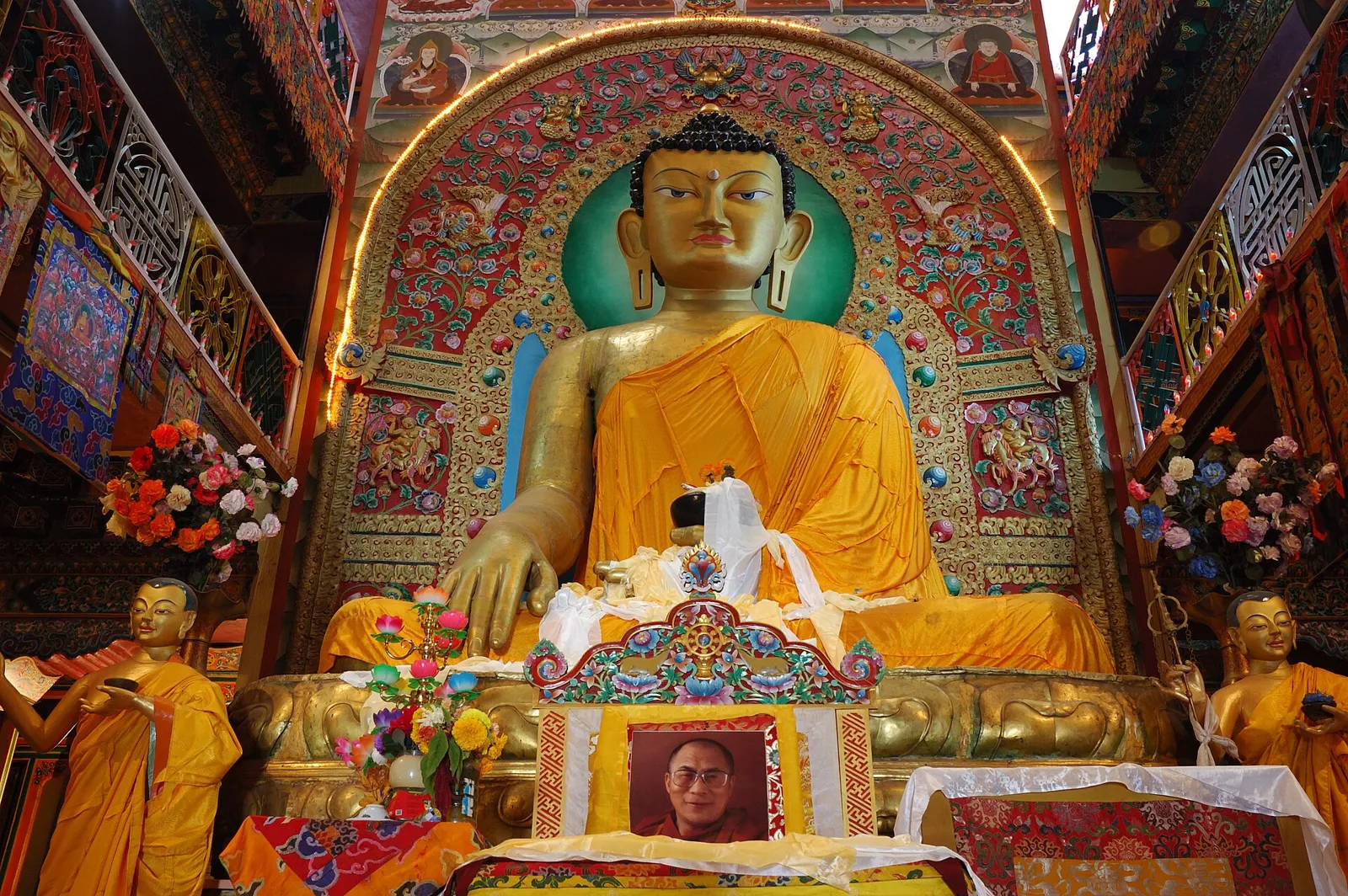
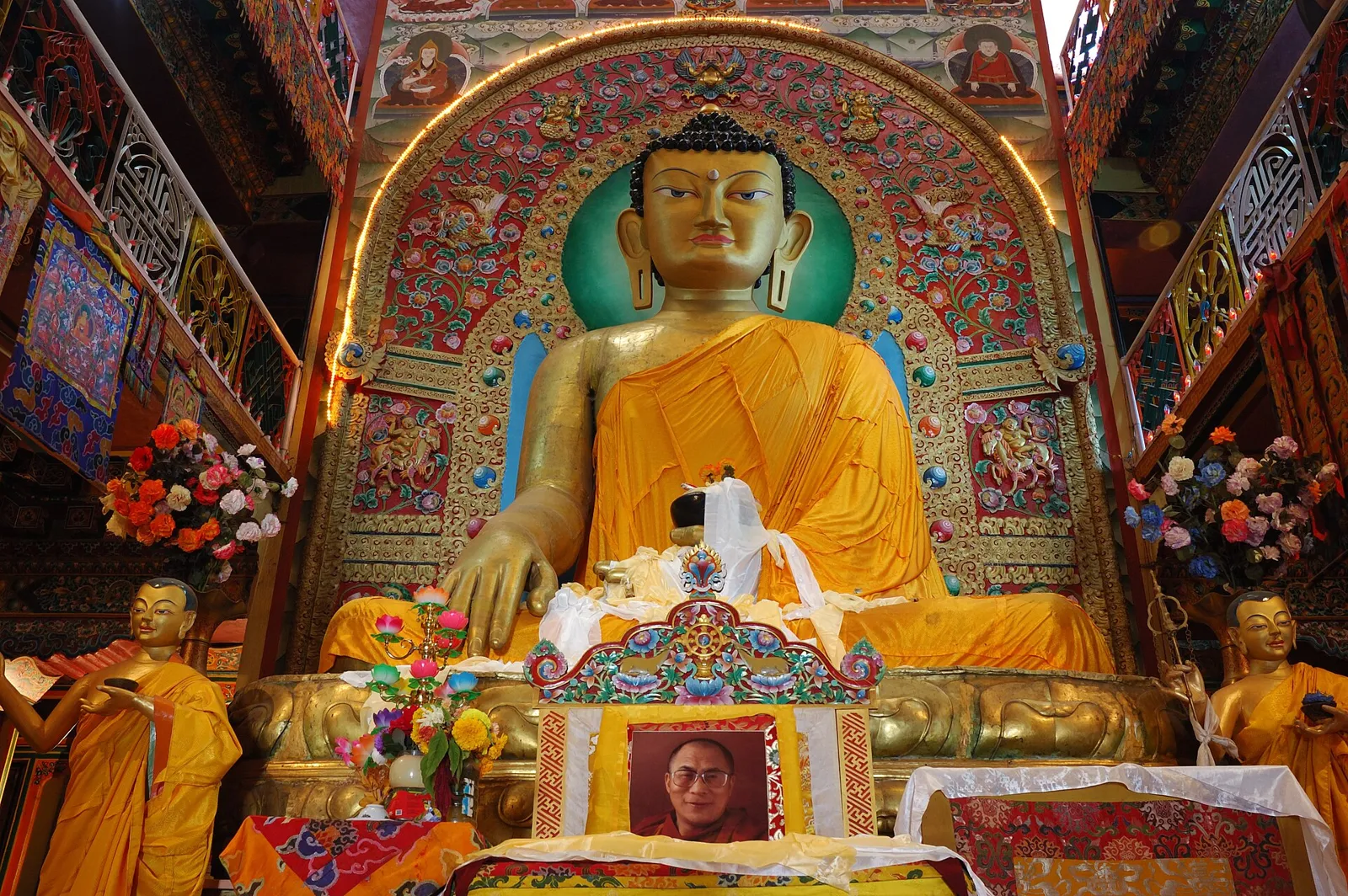
The landmark is Tawang Monastery, a major Gelugpa Buddhist institution whose hillside complex overlooks the town. Pilgrims come for its religious life and festivals; visitors are drawn by its architecture, local traditions, high-altitude lakes and views of the surrounding ranges. Tawang is also associated with the sixth Dalai Lama, who was born in the area. The town’s identity reflects centuries of Himalayan connections and a modern role as the district headquarters. Its altitude and remote location reward unhurried travel, but make acclimatisation and road conditions important considerations.
Famous for: crafts, trade & products

Tawang is best known for Monpa cultural traditions rather than large-scale manufacturing or a textile industry. Monpa artisans are associated with handwoven carpets, wood carving, traditional masks and religious art. These crafts are displayed and sold in local shops and small markets in the town; visitors may also encounter them around the monastery precinct. Availability and the range of work vary, so it is worth asking about the maker and materials when buying.

The town’s markets serve residents and travellers with regional food, warm clothing, everyday goods and locally made souvenirs. Monpa carpets and craftwork are more characteristic purchases than factory-produced products. Tawang is not especially known for a major GI-tagged product, a prominent wholesale trade or a large industrial sector. Its principal institution is Tawang Monastery, which remains an important religious and cultural centre and draws visitors interested in Buddhist art and practice. For a more meaningful purchase, look for locally made objects and support artisans directly where possible; avoid assuming that every religious image or antique-style object is locally produced or appropriate to take home.

History

The Tawang region has long been inhabited by Monpa communities. Historical accounts associate it with the kingdom of Lhomon or Monyul, which later came under the influence of neighbouring Bhutan and Tibet. In 1681, Merak Lama Lodre Gyatso founded Tawang Monastery at the direction of the fifth Dalai Lama. The sixth Dalai Lama, Tsangyang Gyatso, was born in the region. The name Tawang is traditionally interpreted as “chosen by horse,” linked to a local account of the monastery’s site being selected by a horse.

The 1914 Simla Convention set out the McMahon Line between British India and Tibet, but the boundary and its recognition have remained contested. British administration expanded into the area in stages, while Tibetan officials continued to administer Tawang town until India took control in 1951. Tawang briefly came under Chinese control during the 1962 war; Chinese forces later withdrew. Today it is the headquarters of Tawang district, and China continues to claim the region.

Food, festivals & culture

Monpa culture shapes daily life in Tawang, from Buddhist observances to food and craft. Meals often include warming dishes such as thukpa, momos and zan, a thick staple commonly made with millet or other grains. Butter tea and chhurpi, a dried cheese, are also associated with Himalayan food traditions. Menus vary between homes and eateries, and visitors will find both regional dishes and familiar Indian meals.

The monastery’s Torgya festival is usually held in winter, often in January, with masked dances and ritual performances; Losar, the Tibetan New Year, generally falls in February or March. Dates follow the lunar calendar and can shift from year to year. Monpa is widely associated with local community life, while Hindi and English are useful for communication; Tibetan is also heard in religious and cultural settings. Buddhist monasteries are central places of worship, with Tawang Monastery the best-known. Music, ceremonial chanting and traditional dance are especially visible during festivals and community gatherings.

Visiting the city

March to October is generally the most comfortable period for a visit, though monsoon rain can disrupt roads. Winter brings cold weather and possible snow. Tawang is reached by road, commonly via Tezpur and Sela Pass; allow flexibility for mountain conditions and take time to adjust to the altitude. Tezpur Airport, also known as Salonibari Airport, is the nearest airport, while Rangapara North Junction is a commonly used rail gateway. Guwahati offers broader air and rail connections but is farther away.

Within town, taxis and hired vehicles are the practical ways to get around. Explore the central market for everyday life and local crafts, then visit Tawang Monastery and the nearby Urgelling Monastery. The Tawang Chu valley and nearby high-altitude lakes make worthwhile excursions. Check current permit requirements and road conditions before setting out.

Attractions

Places to visit in Tawang

Sights within about 12 km of each other, even when they fall in different districts.

Short trips

Around Tawang

Within about 40 km — easy half-day or day trips from the city.

Map

Tawang on the map

  1. 1Tawang
  2. 2Nuranang Falls
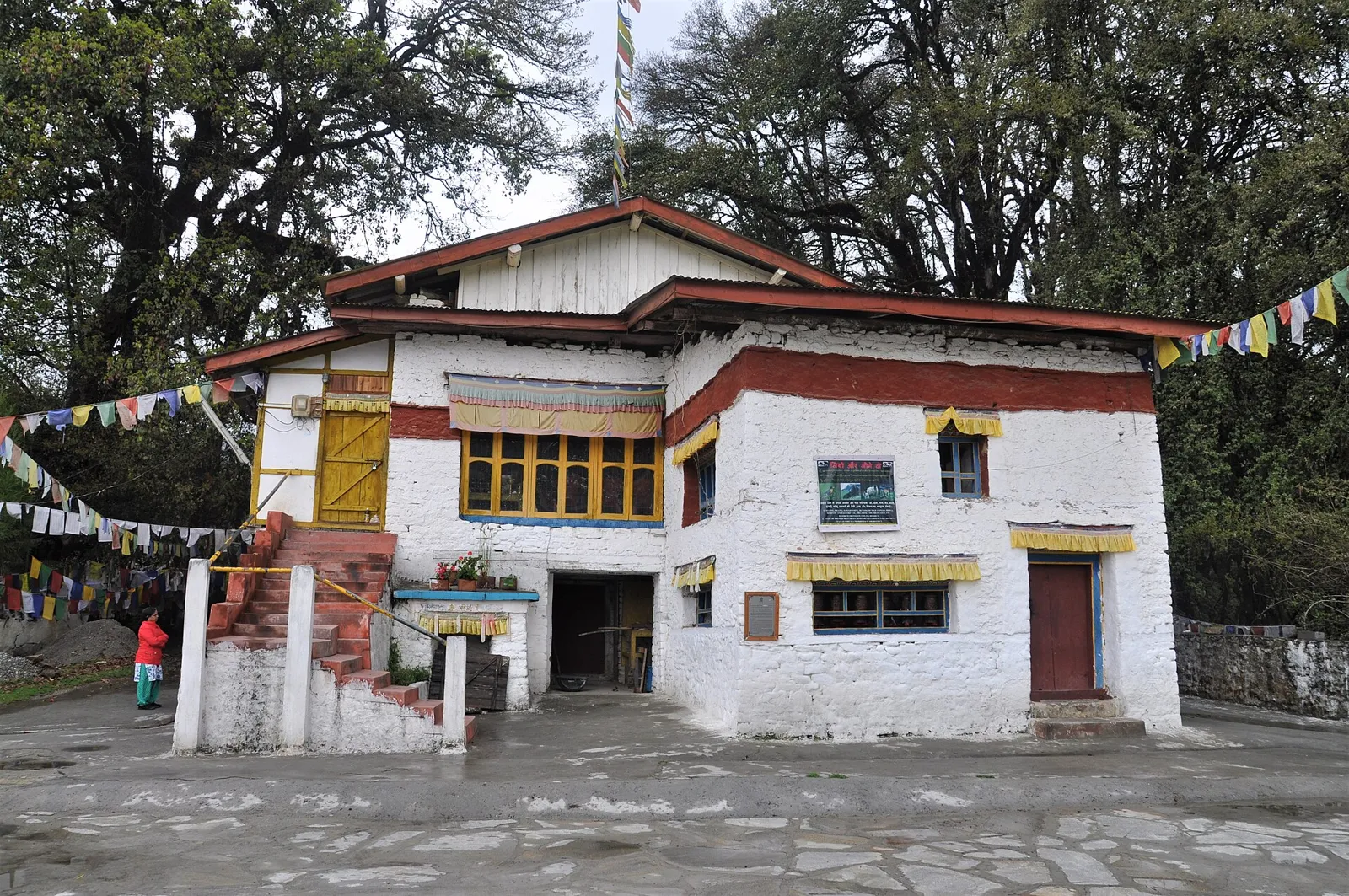
  3. 3Tawang Monastery
  4. 4Urgelling Monastery
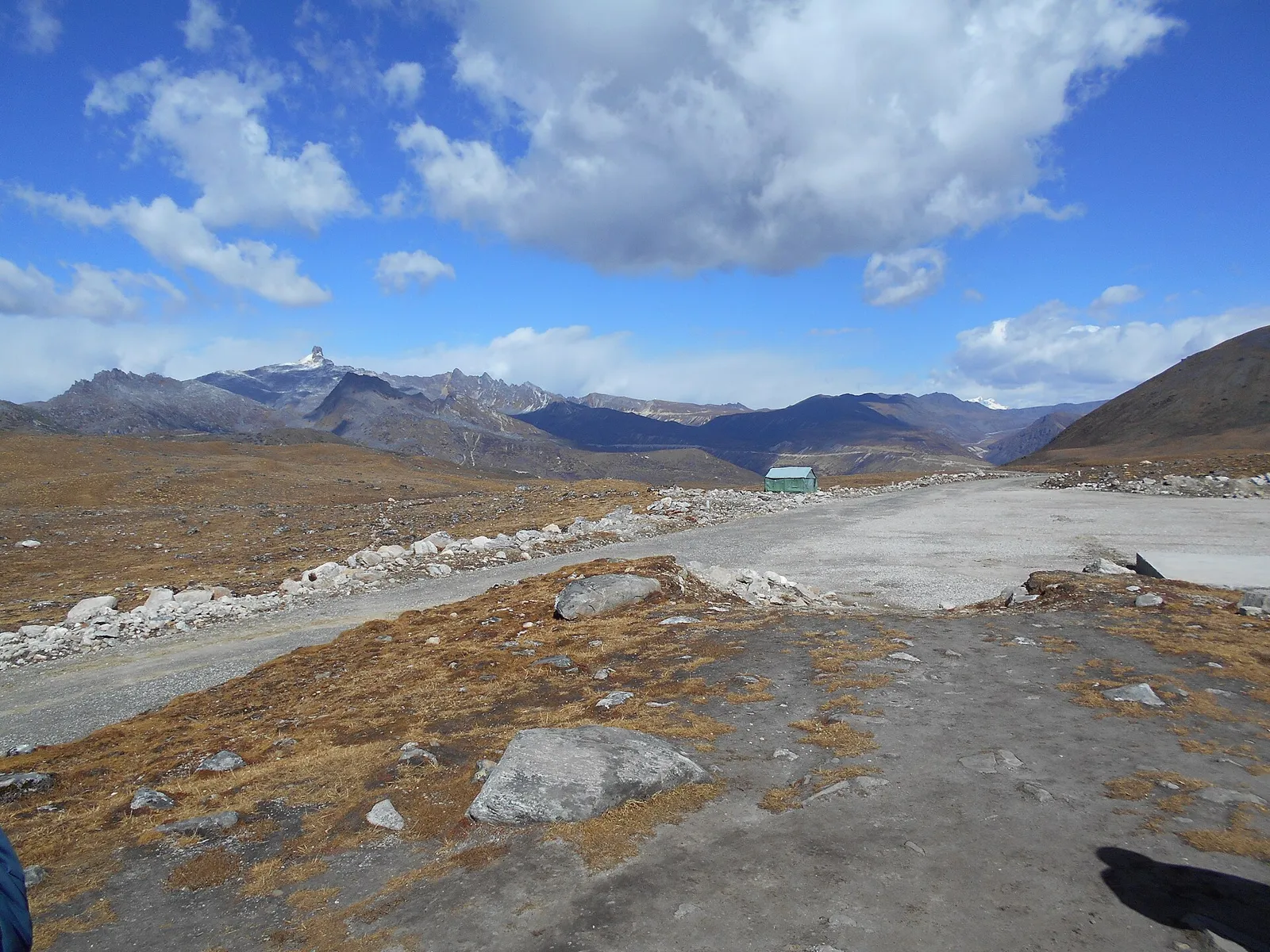
  5. 5Bum La Pass
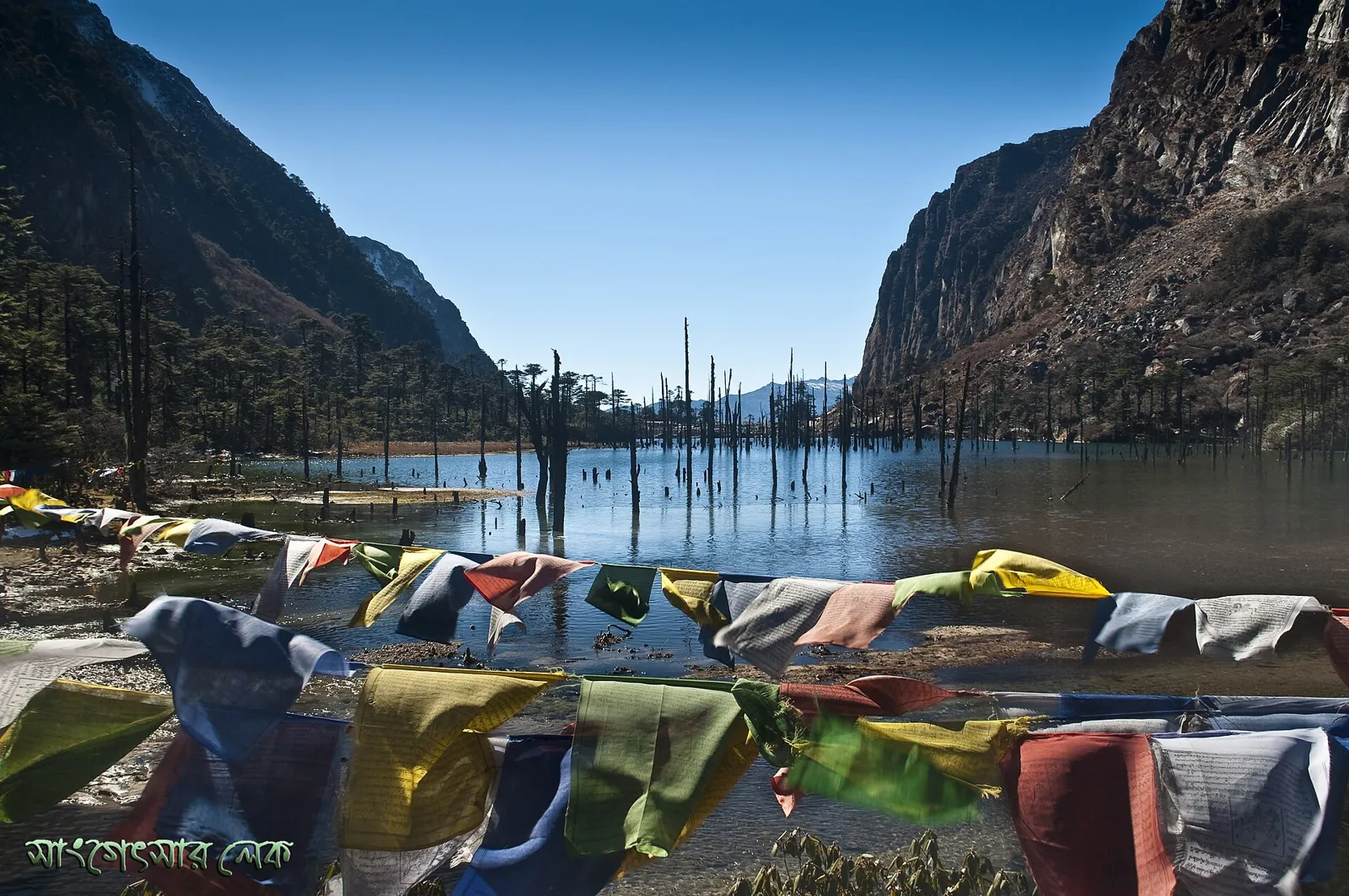
  6. 6Sangetsar Tso

Arunachal Pradesh

Other cities to explore