
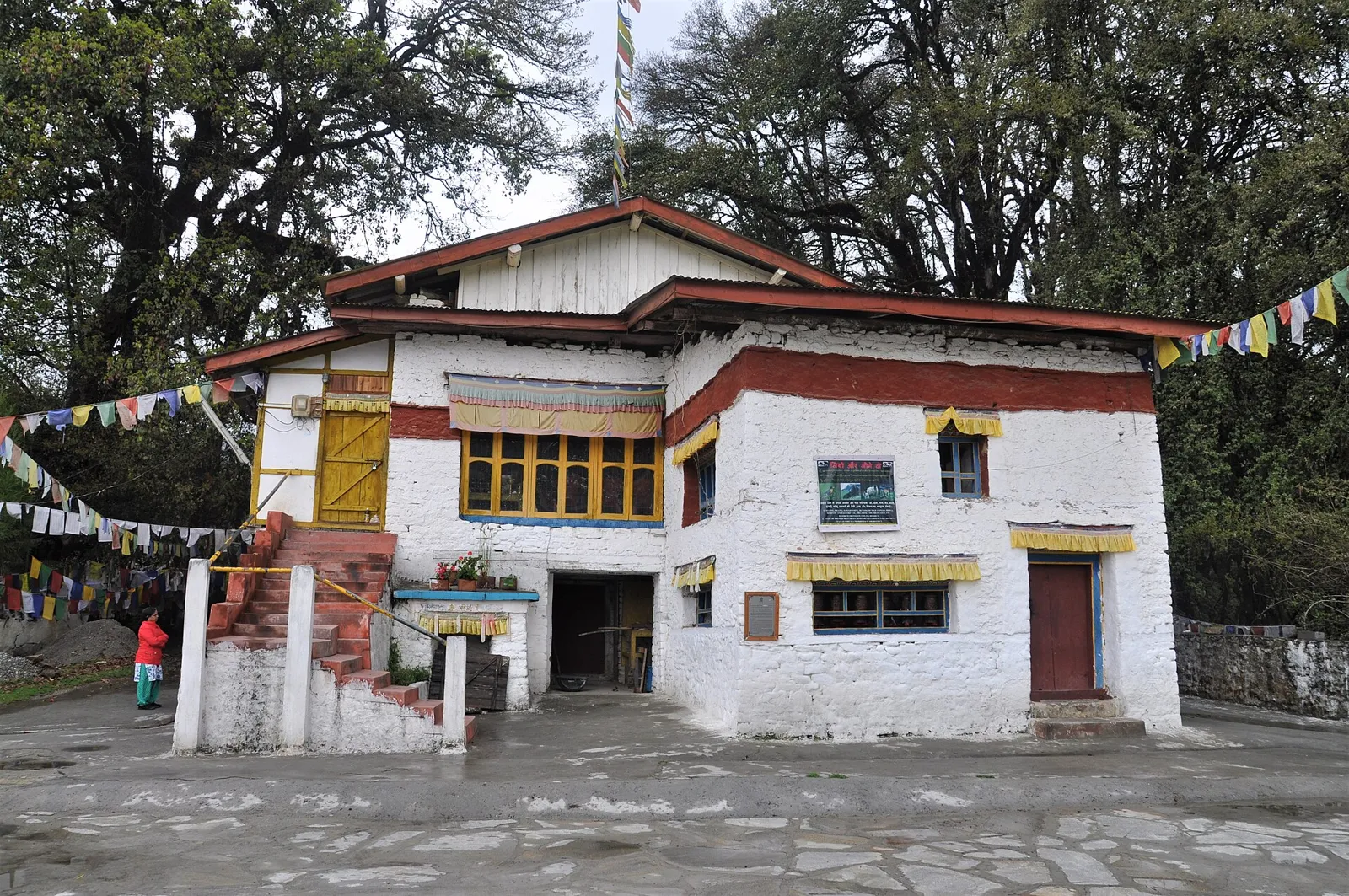
Urgelling Monastery
Urgelling is a Buddhist monastery in Tawang district, Arunachal Pradesh, known for its connection to Tsangyang Gyatso, the Sixth Dalai Lama. Visitors come to see the place where he was born.
Key facts · verified by Ghumoopedia editors
- Type of place
- Temple / pilgrimage site
- Best time to visit
- October to April for most areas; March–June and September–November for high-altitude passes
- Nearest railway station
- Bhalukpong · about 100 km (straight line)
- Nearest airport
- Tezpur Airport (Salonibari) · about 135 km (straight line)
- Verified
- 21 Nov 2026
Plan a trip from Urgelling Monastery — a day-by-day route through places nearby.
Urgelling is a Buddhist monastery in Tawang district, in the northeastern Indian state of Arunachal Pradesh. Its location and religious character are two defining facts about the place. The monastery is linked to Tsangyang Gyatso, who became the Sixth Dalai Lama. He was born at Urgelling on 1 March 1683, making it the place associated with his birth. The site can be described through these two details: its role as a Buddhist monastery and its connection with the Dalai Lama’s early life. Tsangyang Gyatso’s name and birth date give that association its specific meaning. Arunachal is home to more than two dozen major tribal communities, including Monpa, Apatani, Adi, Nyishi, Mishmi and Tai Khamti, each with distinct customs. Altitude changes the weather quickly: foothill towns are warm and humid, while Tawang, Sela and Mechuka can see snow and sub-zero nights in winter. The June–September monsoon frequently causes landslides and road closures. The usual best time to visit is October to April for most areas; March–June and September–November for high-altitude passes. Days are short in Northeast India: the sun can set before 5 pm in winter, so plan to reach and leave Urgelling Monastery in daylight. Timings, fees and access arrangements must be confirmed locally. For official information, see Arunachal Pradesh Tourism at https://arunachaltourism.com.
Why it matters
Urgelling Monastery is a Buddhist pilgrimage site in Tawang district, Arunachal Pradesh, best known as the birthplace of Tsangyang Gyatso, the Sixth Dalai Lama, who was born in 1683. Its importance is therefore both local and wider: it connects the Monpa Buddhist community of Tawang with the history of Tibetan Buddhism. For pilgrims, the monastery is a place of prayer and remembrance; for other visitors, it offers a quieter setting to learn about the region’s religious heritage. Public reference accounts identify it as a monastery, but no UNESCO or Archaeological Survey of India protection status is established here. Check with local authorities for current management and access information.
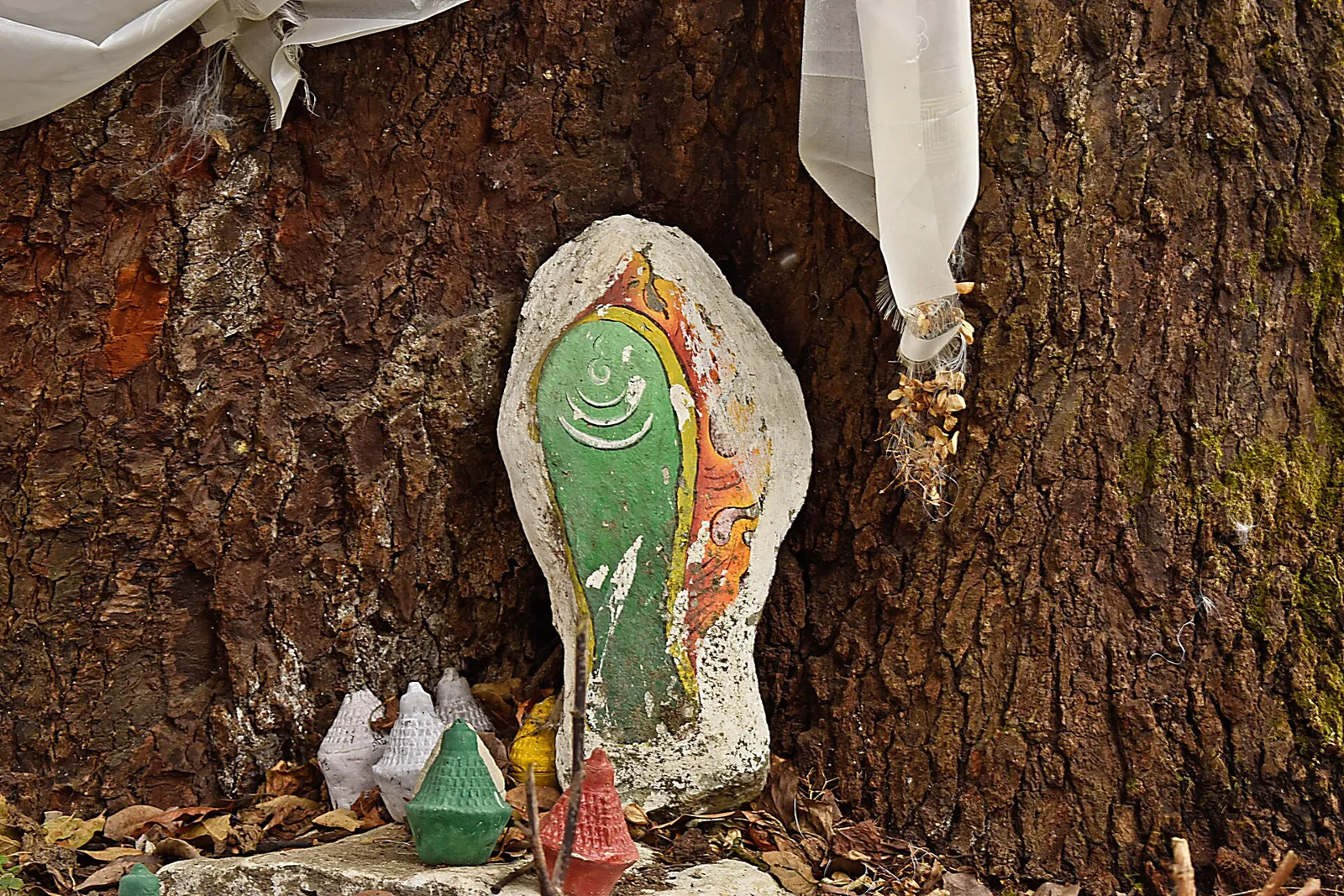
Urgelling is traditionally dated to the fifteenth century and is commonly associated with Lama Urgen Sangpo, who is said to have established the monastery. As with many Himalayan religious sites, details of its earliest construction and changes over time are not consistently documented in readily available public accounts, so precise building dates should be treated cautiously. The monastery’s best-known historical association is Tsangyang Gyatso, the Sixth Dalai Lama, who was born here in 1683. His life and poetry are remembered across Buddhist communities, giving this comparatively small site significance beyond Tawang. Urgelling has continued as a place of Buddhist worship and pilgrimage, although its scale and public profile differ from the major monastic complex at Tawang Monastery. Accounts describe the site as having undergone periods of decline and repair, but a detailed, verified chronology of damage, rebuilding, or restoration is not readily available. Visitors should ask caretakers about the present condition of buildings and shrines rather than assume that every structure or object is historic. The monastery remains part of the living religious landscape of Tawang, where local communities maintain Buddhist practice alongside the region’s other cultural traditions.
Origin stories & folklore
The central tradition associated with Urgelling is the account that Tsangyang Gyatso, later the Sixth Dalai Lama, was born here. This is principally a historical and devotional memory rather than a separate supernatural origin story. For pilgrims, the birthplace association can give the monastery a special sense of closeness to the Dalai Lama’s life and legacy. Local beliefs and oral accounts may vary, and visitors should not treat every story heard informally as a documented historical fact. There is no single widely established founding legend that can be confidently presented as authoritative. If a caretaker or local guide shares a story, listen respectfully and ask whether it is a family or community tradition, a religious belief, or a recorded historical account.
Architecture & design
Urgelling is a modest Himalayan Buddhist monastery rather than a large monumental complex. Its religious spaces follow the practical pattern of a monastery: a shrine or prayer space, areas for devotional activity, and features that support circumambulation and worship. The buildings and their appearance may have changed through repair, so visitors should avoid assuming that every visible element belongs to the monastery’s earliest period. The setting and construction reflect the region’s mountain climate and local building practices. Timber and masonry are commonly used in Tawang’s traditional buildings, but the materials and dates of individual parts of Urgelling should be confirmed locally. Look for the arrangement of the entrance and prayer space, painted religious details, and any prayer wheels or devotional features currently accessible to visitors. The site is maintained for religious use, not presented as a museum, and some areas may be closed during worship or for conservation. Follow caretakers’ directions and do not enter rooms simply because a door is open.
Important objects & sculptures
There is no reliably established public catalogue of Urgelling’s sculptures, inscriptions, or movable religious objects. Visitors may see devotional images in the shrine, painted Buddhist motifs, prayer wheels, and ritual items, depending on which spaces are open and in use. Their identification and age should be confirmed with a caretaker rather than guessed from appearance. The monastery’s most significant association is not a particular displayed object but its connection with Tsangyang Gyatso’s birthplace. Treat shrine objects as active religious belongings, not exhibits: do not touch, move, or photograph them without permission. Some objects may be covered, removed, or unavailable during services, and visitors should accept these restrictions without asking worshippers to interrupt their practice.
Religious significance
Urgelling is a Buddhist monastery associated with the Tibetan Buddhist tradition and is especially meaningful to devotees because of its connection with Tsangyang Gyatso, the Sixth Dalai Lama. Worshippers may visit to pray, make offerings, circumambulate sacred spaces, or remember the Dalai Lama. Practices vary with the day and the monastery’s community; visitors should not expect a service or ceremony to be taking place during every visit. Prayer wheels and shrine spaces, where present and open, are approached with care. Walking clockwise around Buddhist shrines and prayer wheels is customary, unless local signs or a caretaker indicate otherwise. Keep a quiet distance from people praying, and ask before joining or observing a ritual closely. The monastery is a living religious site, so its daily use takes precedence over sightseeing.
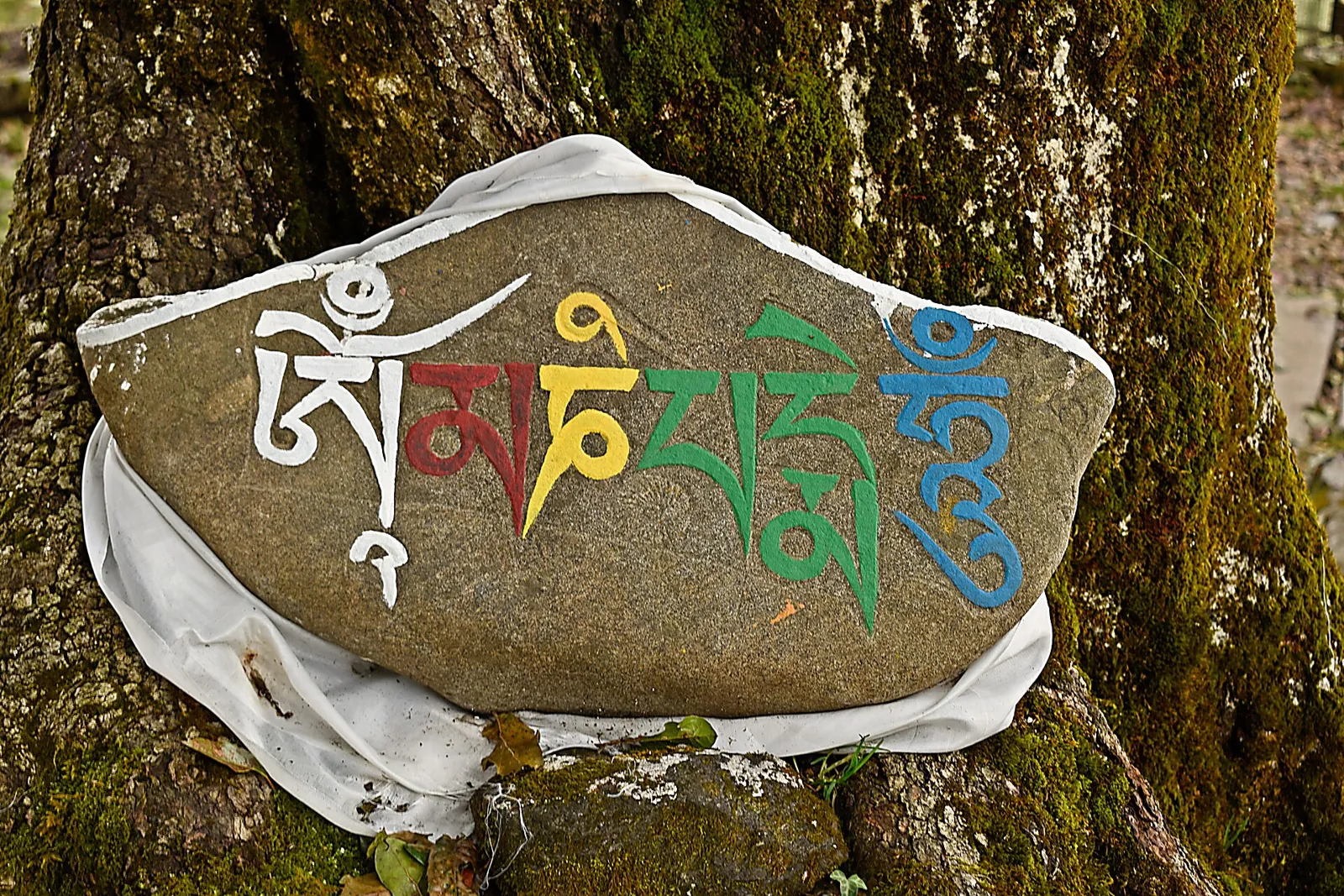
Visit Urgelling Monastery with time to observe daily rituals respectfully. Follow the posted rules on footwear, photography and dress, walk clockwise around Buddhist shrines and prayer wheels, and avoid interrupting worshippers. Ask caretakers which areas are open to visitors. A comfortable itinerary is one main visit in the morning, a local meal at midday and a short nearby stop before an afternoon return. Use the district list on this site to find other places in Tawang, but check the actual road route and its condition before combining stops. If a festival is on, local roads and stays can be busy — and the experience can be unforgettable. Leave no litter: many sites in Arunachal Pradesh are protected by the communities who own them.
Suggested itineraries
Half day: From Tawang, travel to Urgelling (allow time for the local road); spend about 1–2 hours observing the site respectfully; return to town for a meal. Full day: Visit Urgelling in the morning; have lunch in Tawang; visit Tawang Monastery and the Tawang War Memorial in the afternoon, allowing for road conditions and daylight. Gentler option: Arrange a vehicle drop-off and pickup, keep the visit to the accessible areas, and take seated breaks; confirm surfaces and steps with the caretaker beforehand.
Urgelling sits within the cultural landscape of Tawang, where Monpa communities have longstanding Buddhist traditions. Monpa languages and local dialects are used alongside broader regional and national languages; the language visitors encounter depends on the person and setting. Religious life may include chanting, offerings, prayer-wheel practice, and observances tied to the Buddhist calendar. Monpa cultural expression in the wider district also includes community music, dance, weaving, and distinctive clothing, though these should not be assumed to be performed or displayed at the monastery. Customs are shaped by both community and occasion. Dress modestly, greet people politely, and ask before photographing individuals or cultural activities. A local guide or caretaker can explain the meaning of practices more accurately than signage alone.
Festivals & events
Losar, the Tibetan and Monpa New Year, is observed in the wider region, usually around February or March, with family and community gatherings. Torgya is a major annual festival at Tawang Monastery, generally held in winter; it is a nearby district event, not one visitors should assume takes place at Urgelling. Local religious observances may also occur at the monastery, but their schedule can vary. Festival periods can bring more visitors, fuller accommodation, and busier roads in Tawang. Ask locally whether an event is open to visitors and where respectful viewing is allowed. Do not enter ritual areas or photograph ceremonies unless permission is clear.
Local food in Arunachal Pradesh includes thukpa, momos, bamboo-shoot preparations, smoked meat, local greens and pika pila pickle; Monpa areas serve butter tea and zan, while rice beer (apong) is part of many community festivals. Ask what is fresh that day; many small eateries cook a limited daily menu. Pork, beef, fish and fermented ingredients are common in tribal cuisines, so vegetarian travellers should explain their needs clearly — rice, dal, vegetables and eggs are usually possible in towns. Remote sites may have no restaurant at all. Carry water and snacks, eat a proper breakfast before long drives, and ask your accommodation for a packed lunch if you are heading out early. If food or prasad is offered at the shrine, accept it according to local custom. Choose busy, clean places and carry your packaging back to town.
Shopping & local experiences
Tawang town is a better place than the monastery itself to look for locally made goods. Depending on availability, visitors may find Monpa woven items, carpets, traditional masks, woodcraft, and Buddhist-inspired art or prayer objects. Ask sellers about the maker and materials, and buy respectfully rather than treating sacred items as ordinary souvenirs. Local markets may also offer regional food and snacks; availability varies by season. There may be no shop at Urgelling, so do not rely on buying water, food, or souvenirs at the site. Avoid purchasing wildlife products or items whose source is unclear.
October to April for most areas; March–June and September–November for high-altitude passes
The nearest principal railway station by straight-line distance is Bhalukpong, roughly 100 km away. The nearest operating airport by straight-line distance is Tezpur Airport (Salonibari), roughly 135 km away. These figures are calculated from map coordinates — hill roads in Arunachal Pradesh wind a lot, so actual road distance and travel time are usually much longer. Guwahati is the main rail and air hub for the region, and most long-distance journeys connect through it. For the final leg, Arunachal Pradesh State Transport Services (APSTS) and shared Tata Sumo taxis link district towns; shared taxis usually leave early in the morning and depart only when full. A private taxi gives more flexibility for remote sites. When comparing train, bus and flight, count the complete door-to-door time: a flight saves the most time only if the onward road transfer is short, while an overnight train to Guwahati plus a road journey can save a hotel night. Book your return before you leave, because seats on shared vehicles and the few daily flights fill quickly. Current train numbers, timings, return services and fares are not listed here; check IRCTC and NTES for trains and the airline’s own schedule for flights. Indian visitors who are not residents of Arunachal Pradesh need an Inner Line Permit (ILP), available online through the state’s official e-ILP portal. Foreign nationals need a Protected Area Permit. Some border areas, such as passes near the international boundary, may also need additional army or district permissions on the day.
Confirm onward and return timings on IRCTC / NTES, the state bus operator or your airline before travel. A dash means current timings or fares have not been verified.
Getting around
Tawang town is the practical base for reaching Urgelling. Local taxis or a hired vehicle can take visitors toward the site; confirm the route and road condition with the driver, since mountain roads and local access arrangements can change. Shared vehicles generally connect district towns, but may not provide a convenient final stop at the monastery. Walking is possible only if the route, weather, and your mobility make it suitable; ask locally about the actual distance and gradient. Arrange a return pickup in advance if relying on a taxi, and avoid leaving the site or travelling onward after dark.
Hours, tickets & permissions
Entry arrangements can depend on worship, maintenance, and the caretaker’s instructions. There may be no standard ticketing system, but arrangements can change; confirm current access, any fees, and visiting hours with the monastery’s managing authority or local tourism officials before setting out. Visitors to Arunachal Pradesh should also check whether they need an applicable state entry permit. Carry identification if required for travel or permit checks. Follow any posted rules on footwear, clothing, photography, and areas reserved for worship.
Facilities
Facilities at the monastery may be limited and can change. Toilets, drinking water, food, shops, or visitor information are not guaranteed on site; check locally and plan to use facilities in Tawang town. Carry drinking water and take all rubbish away. Parking or a convenient vehicle stopping point may be available nearby, but drivers should confirm where they can wait without blocking access. A formal guide service or ATM should not be assumed at the monastery. Local caretakers may be able to answer questions, but do not expect them to be available as tour guides.
Accessibility
The site is in a hill district, where approaches may include uneven ground, slopes, steps, or thresholds. The precise route and access conditions can vary, so ask a local driver or caretaker about the current approach before visiting. Wheelchair and stroller access should not be assumed; there is no confirmed information here about ramps or step-free routes. Older visitors and people with limited mobility may find it easier to travel by vehicle and keep the visit short, with a companion if needed. Shade and seating may be limited. Cold, rain, or ice can make walking more difficult, so use suitable footwear and allow extra time.
Indian visitors who are not residents of Arunachal Pradesh need an Inner Line Permit (ILP), available online through the state’s official e-ILP portal. Foreign nationals need a Protected Area Permit. Some border areas, such as passes near the international boundary, may also need additional army or district permissions on the day. Carry a printed and digital copy of your permit and a photo ID at all times; checkpoints are common. Save the emergency number 112 and your accommodation’s contact offline. Altitude sickness is possible above about 2,500 m: ascend gradually, rest on arrival, drink water and turn back if you develop a severe headache, breathlessness or confusion. Respect community rules, private property and posted instructions. Avoid hill road travel after dark and during heavy rain, when landslides are more likely. Check official advisories for the region before travel, and follow local guidance if access changes.
Visitor rules
Follow signs and the caretaker’s instructions, especially around prayer rooms and restricted areas. Dress modestly, remove footwear where requested, and keep voices low. Walk clockwise around Buddhist shrines and prayer wheels unless local guidance says otherwise. Do not touch religious objects, interrupt worship, or enter closed spaces. Ask before taking photographs, and avoid photographing people at prayer without consent. Take litter with you and avoid single-use plastic where possible. Do not smoke, consume alcohol, or behave in ways that disturb worshippers. Local rules may change, so check on arrival.
Photography
Ask the caretaker whether photography is allowed before taking pictures inside; rules may differ between exterior areas, shrines, and ceremonies. Never use a camera or phone in a way that interrupts prayer, and ask people for consent before photographing them. Soft daylight can help show the monastery’s setting and painted details without harsh glare, but conditions change quickly in the hills. Do not touch or move objects to improve a composition. Drone use may be restricted by local, security, or aviation rules; do not fly one without confirming permission from the relevant authorities.
Choose a stay by the full journey to Urgelling Monastery, not just the district name. Main towns in Tawang usually offer hotels, state tourism lodges and homestays with better transport, meals and medical access, while village homestays offer a closer connection to local life. At altitude, check heating, hot water and power backup, and expect cold nights for much of the year. Book in advance for weekends, festival dates and the peak season (October to April for most areas; March–June and September–November for high-altitude passes). Confirm the exact location, meals included, check-in time and cancellation terms in writing. Many homestays accept payment on arrival; avoid sending money to unverified contacts. Mobile network and digital payments can be unreliable in remote areas, so carry some cash.
Tawang Monastery is the district’s major Buddhist monastic complex and a natural companion visit, though it is a separate site. The Tawang War Memorial offers a different perspective on the region’s history. Tawang town’s craft centre and local market can be combined with a monastery visit if roads and time allow. Pankang Teng Tso, also known as P.T. Tso, is another well-known Tawang-area destination, but road conditions and access should be checked before adding it to the same day. Distances and travel times on mountain roads can be much greater than they appear on a map; confirm the route locally and plan to return in daylight.
For couples, Urgelling Monastery rewards a slow pace: arrive early for soft light and fewer crowds, share a local meal and keep the evening free. Public displays of affection can be frowned upon in conservative communities and at religious sites, so be discreet. A homestay can make the trip memorable — confirm privacy, hot water and transport back. Keep a buffer day in your itinerary, because weather and road closures can delay plans in Arunachal Pradesh.
Q: How much time should I allow for Urgelling Monastery? A: Allow roughly one to two hours at the site, plus the journey from Tawang and time for road conditions. Q: When is a good season to visit? A: October to April is generally suitable for many Arunachal destinations, but Tawang can be cold and snowy in winter. Check current weather and roads. Q: Is there an entry ticket? A: Entry arrangements can change, and a ticket should not be assumed. Confirm any fee, access rules, and applicable Arunachal entry permits before travel. Q: Is the visit suitable for children or elderly visitors? A: It can be, with supervision and a vehicle arranged if needed. Uneven ground, steps, cold weather, and limited facilities may make the visit harder for some people. Q: Where should I stay nearby? A: Tawang town is the practical base, with accommodation options that vary by season. Book ahead during busy festival periods and confirm road conditions.
Be the first to share photos, stories, advice or a helpful contact for Urgelling Monastery.
Loading…