
District · Arunachal Pradesh
Tawang
Tawang offers a close view of the high Himalayan borderlands of western Arunachal Pradesh, where Monpa culture, Tibetan Buddhist traditions and dramatic mountain scenery shape everyday life.
Tawang district lies in Arunachal Pradesh’s high eastern Himalaya, where steep valleys, forested slopes and alpine terrain lead toward the Tibetan frontier. The town of Tawang is its administrative centre, while Sela Pass links the area with West Kameng district. The region is closely associated with the Monpa people and Tibetan Buddhist traditions. Tawang Monastery, founded in the 17th century, is a major spiritual and cultural landmark; nearby Urgelling is traditionally identified as the birthplace of the Sixth Dalai Lama, Tsangyang Gyatso. Lakes, mountain passes and waterfalls give the district a striking landscape, but its high altitude, changeable weather and sensitive border location make journeys here unlike ordinary lowland travel.
Tawang offers a close view of the high Himalayan borderlands of western Arunachal Pradesh, where Monpa culture, Tibetan Buddhist traditions and dramatic mountain scenery shape everyday life. The district is best known for Tawang Monastery, a major centre of Gelugpa Buddhism, and for Urgelling Monastery, traditionally identified as the birthplace of the Sixth Dalai Lama. Journeys also take in Sela Pass, Nuranang Falls and high-altitude lakes, with Bum La Pass marking a sensitive frontier area. Its remoteness and changing weather are part of the experience, but call for careful planning and a flexible itinerary.
The area is traditionally known as part of Monyul, the homeland associated with the Monpa people, whose communities have long maintained cultural and religious ties with Tibet. Tawang Monastery was founded in the late 17th century by Merak Lama Lodre Gyatso, with the support of the Fifth Dalai Lama. Urgelling is traditionally identified as the birthplace of Tsangyang Gyatso, the Sixth Dalai Lama, in 1683. The region’s political status became contested during the colonial period. The 1914 Simla Convention and the McMahon Line shaped later boundary claims, while Tibetan administration continued in Tawang until India established its administration there in 1951. The area was affected by the 1962 India-China war. Tawang became a separate district in 1984, carved out of West Kameng district. Arunachal Pradesh became a state in 1987, giving the district its present place within the state’s administrative structure.
8 destination guides
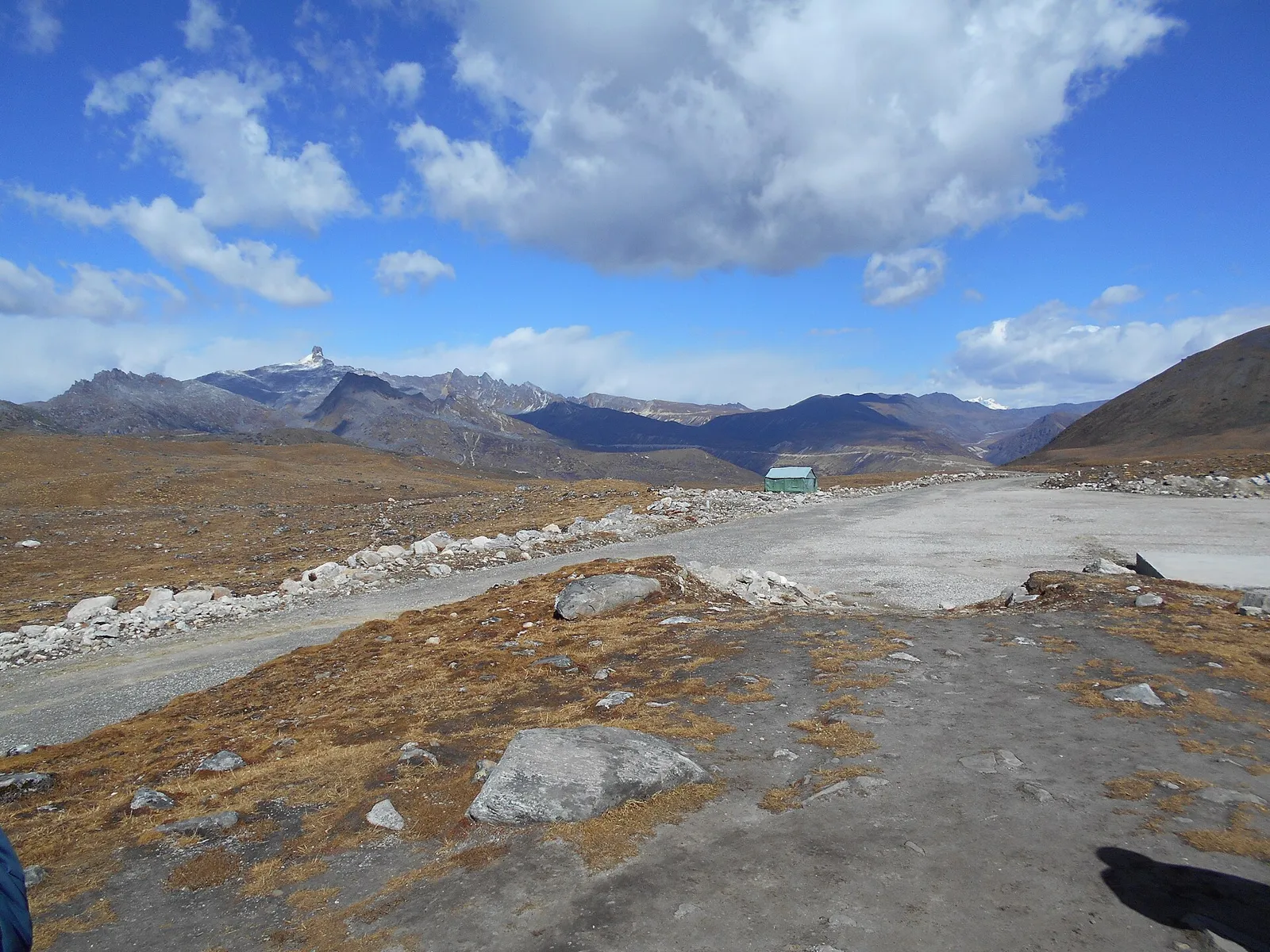
Bum La Pass
Bum La Pass is a crossing on the boundary between Tawang district in Arunachal Pradesh and Tsona County in Tibet. Its trade function and role in India–China security meetings are key aspects of the site.
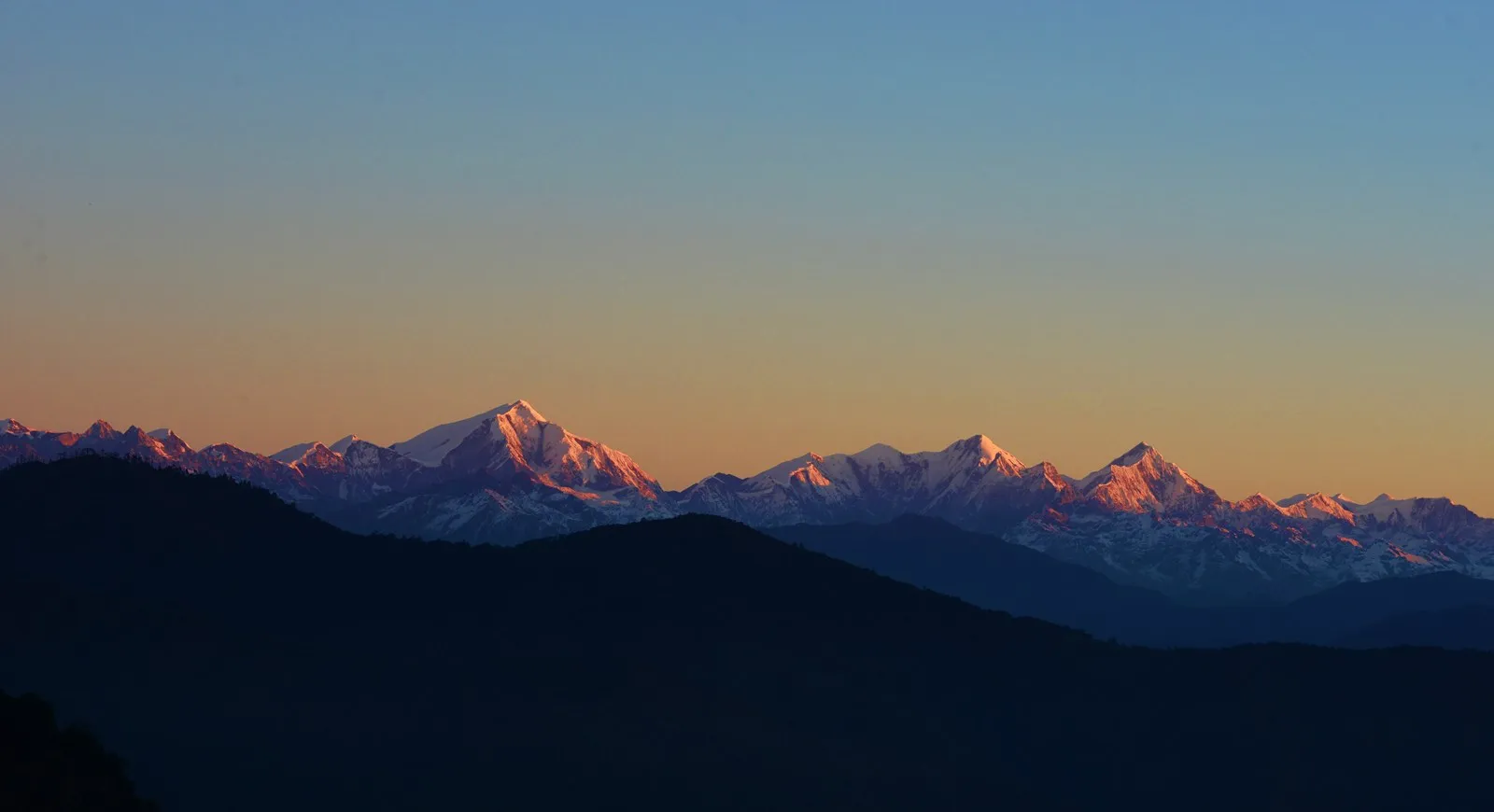
Gori Chen
Gori Chen is a glacier-fed mountain group in Arunachal Pradesh’s Tawang district. Its high peaks draw trekkers and mountaineering parties, and the area has a history of exploration and climbing.
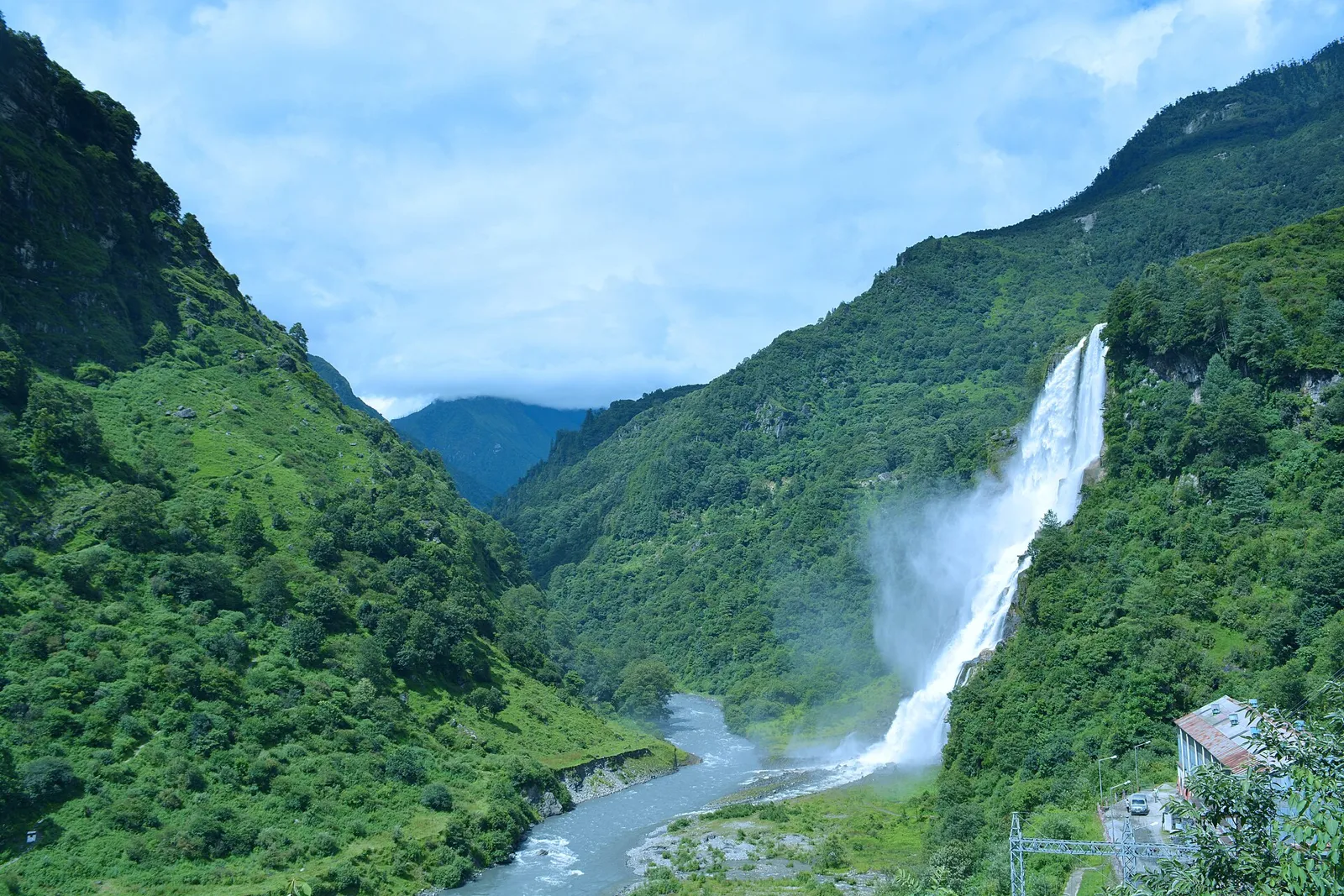
Nuranang Falls
Nuranang Falls, also known as Jung Falls or Bong Bong Falls, is a 100-metre waterfall in Arunachal Pradesh’s Tawang district, visited for the chance to see the cascade.
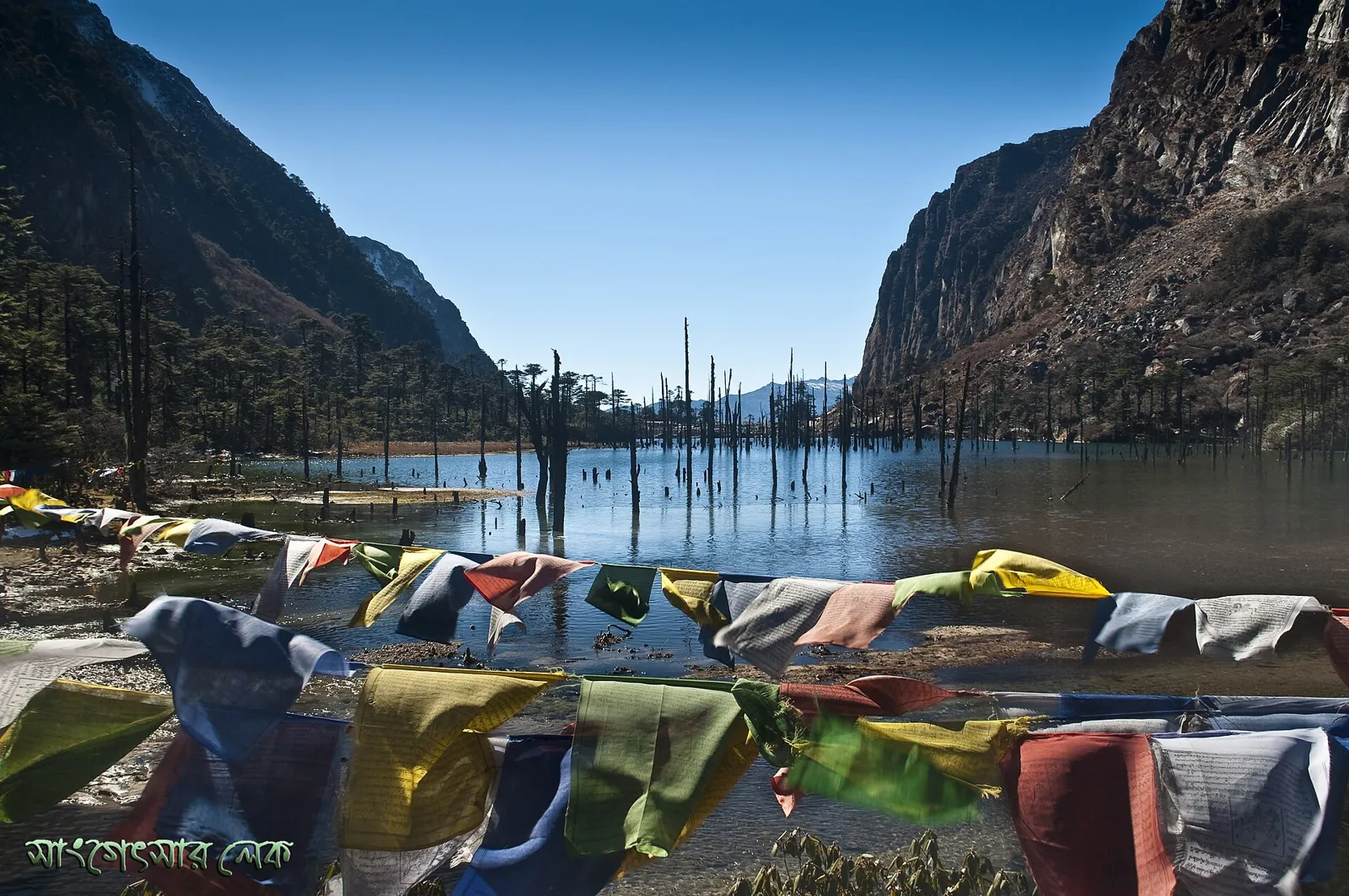
Sangetsar Tso
Sangetsar Tso is a high-altitude lake in Arunachal Pradesh, also known as Shonga-tser Lake and Madhuri Lake. Travellers visit it on journeys between Tawang and Bum La Pass.
Sela Pass
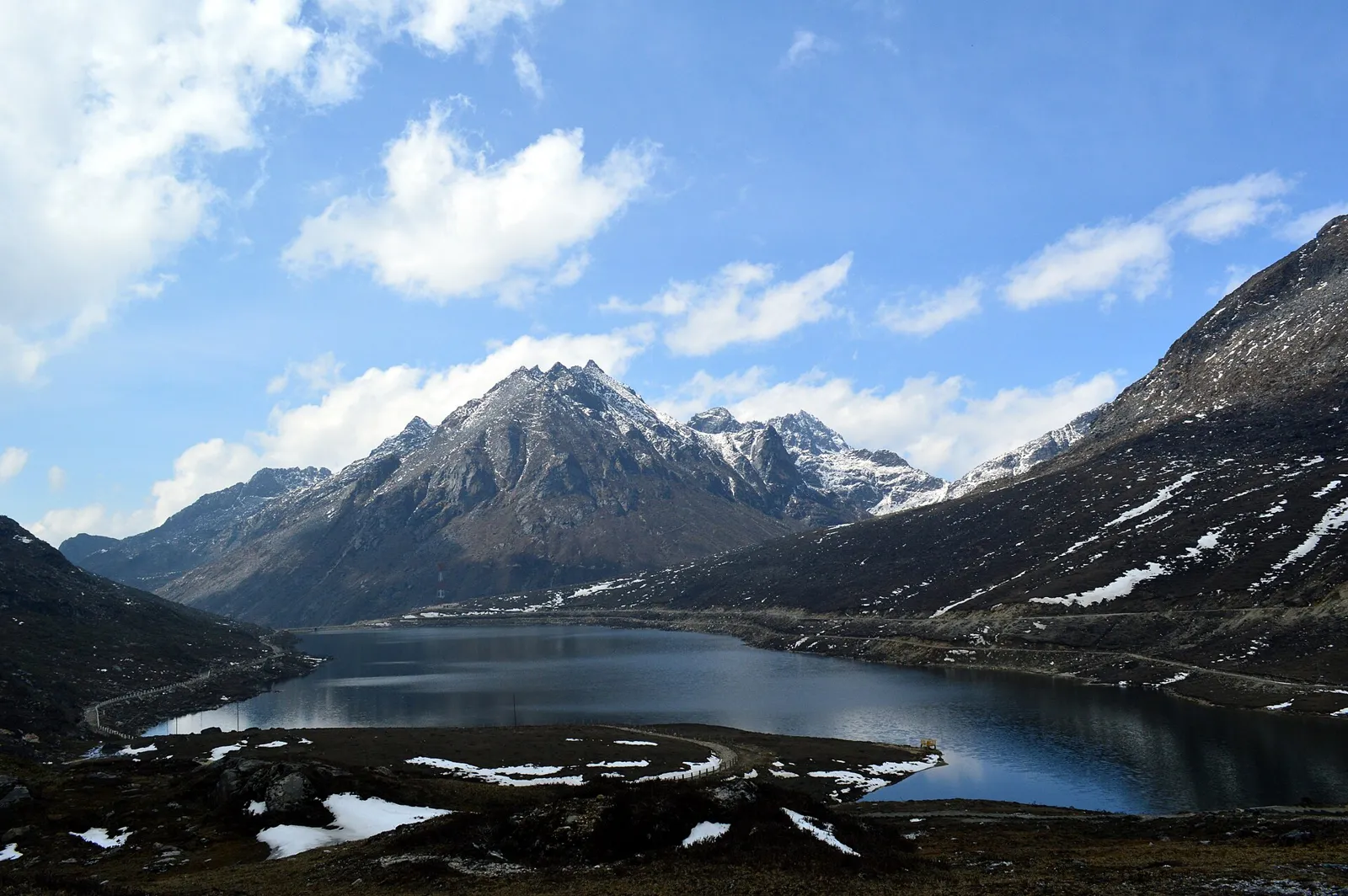
Sela Pass is a high mountain crossing on the Tawang–West Kameng boundary in Arunachal Pradesh, linking Tawang with Dirang and Guwahati and attracting visitors to its sacred lake.
Tawang
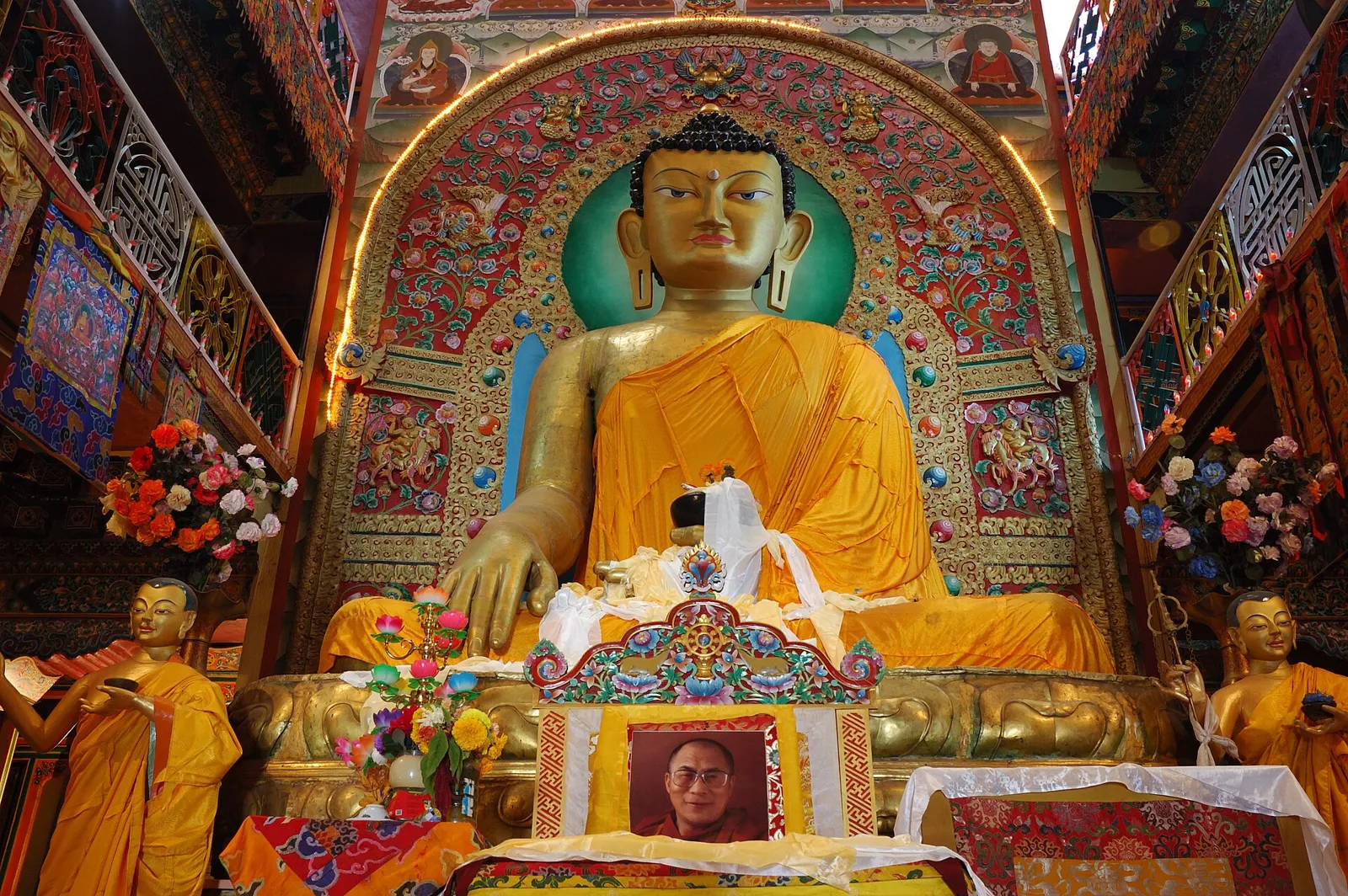
Tawang is a high-altitude town and district centre in Arunachal Pradesh; visitors come to see its famous Gelugpa Buddhist monastery.
Tawang Monastery
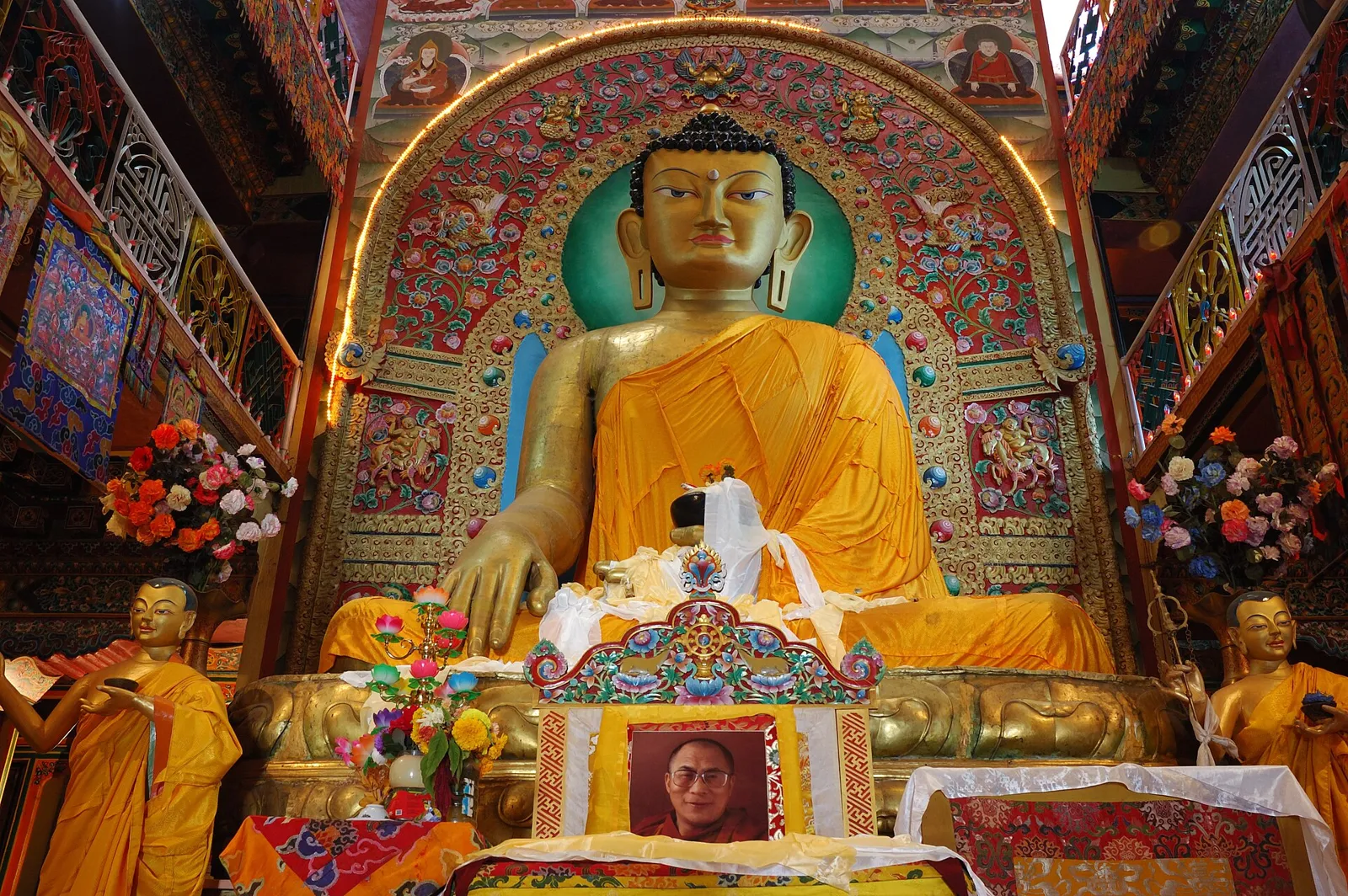
Tawang Monastery is a Buddhist institution in Arunachal Pradesh. Visitors come to see its historic complex, learn about its Gelug tradition and view its collection of Kangyur and Tengyur scriptures.
Urgelling Monastery
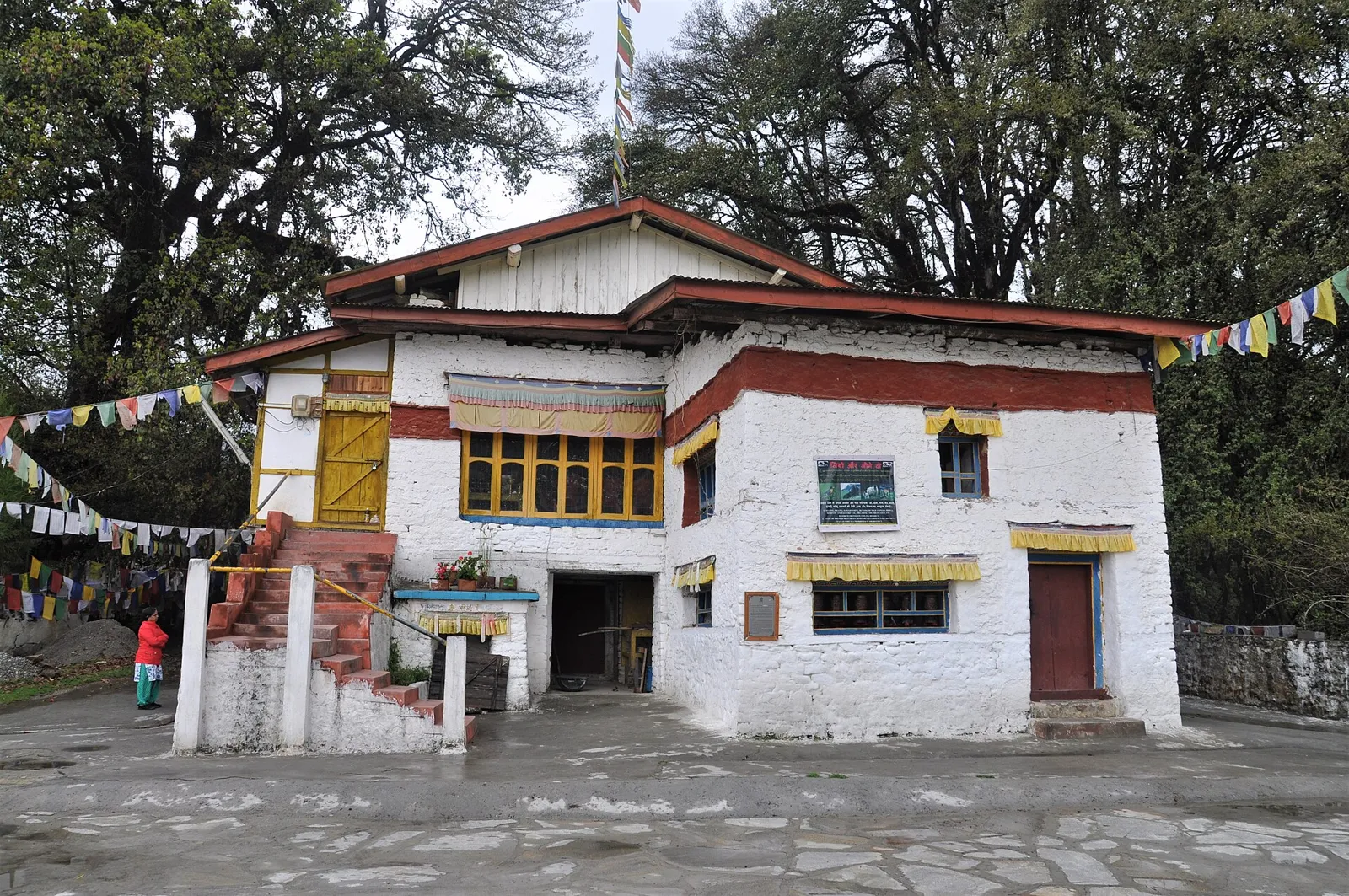
Urgelling is a Buddhist monastery in Tawang district, Arunachal Pradesh, known for its connection to Tsangyang Gyatso, the Sixth Dalai Lama. Visitors come to see the place where he was born.
Monpa food traditions in Tawang include butter tea and zan, along with dishes such as thukpa and momos that are also popular across the wider Himalayan region. Rice, local greens, meat and seasonal ingredients feature in everyday meals; bamboo-shoot preparations and smoked or fermented foods are found in Arunachal Pradesh more broadly. Menus at small eateries may depend on what is available that day. Visitors who avoid meat or fermented ingredients should explain their requirements clearly; rice, dal, vegetables and eggs may be available in town. Apong, a locally brewed rice beer, is part of some community celebrations in the wider region.
Monpa craft traditions include weaving, carpet-making, wood carving and Buddhist visual arts. Monpa handmade paper, produced using the bark of a local paper plant, is a notable craft associated with the region and has been recognized as a geographical indication. Monasteries also preserve traditions of religious painting and sculpture. Availability varies, and objects sold to visitors may come from elsewhere in Arunachal Pradesh or the wider Himalayan region, so ask makers or sellers about their origin and how they were made.
Losar, the Monpa and Tibetan New Year, is generally celebrated in late winter or early spring with family gatherings, prayers and community events. Torgya, held at Tawang Monastery in winter, features masked dances and religious ceremonies; a larger Dungyur observance is held periodically. Festival dates follow local calendars and can vary by year. These occasions are important times to experience regional culture, but they may bring more visitors and local participation, so rooms and transport can be harder to arrange. Confirm the local calendar and book ahead when travelling around a major festival.
High ridges, steep valleys and forested slopes define the district, rising from the approach through West Kameng toward alpine terrain and the Tibetan frontier. Sela Pass is a major mountain crossing; lakes such as Sangetsar Tso lie at high altitude, while Nuranang Falls drops through a forested valley. Rivers and streams cut through the terrain, and roads follow narrow valley corridors or exposed slopes. This geography makes road travel slow and weather-sensitive: landslides, snow or poor visibility can disrupt journeys, and a short map distance may still take considerable time.
Conditions vary sharply with altitude. Summer is generally the most comfortable season for travel, though days can bring rain and mountain weather can change quickly. The monsoon months bring persistent rain, cloud, landslide risk and possible road disruption. Winter is cold, with snow and ice sometimes affecting high roads and passes. April to June and September to October are often practical periods to visit, but conditions are never guaranteed. Pack warm layers, waterproof outerwear, sturdy shoes, sun protection and any personal medication. Keep extra time in the itinerary for weather-related delays, especially around Sela Pass and higher excursions.
Most journeys begin in Assam, often through Guwahati, a major rail and air gateway. Tezpur Airport is a nearer air option, while Bhalukpong is the nearest principal railway station identified. From Assam, road travel commonly continues through Bhalukpong and Bomdila, crossing Sela Pass on the way to Tawang. Mountain roads are winding and conditions can change with weather, so allow flexibility. Shared vehicles and taxis serve the main route, while local sightseeing is often arranged by hired vehicle. Arunachal Pradesh entry permits are required, and border-area excursions may need additional authorization. Check current services locally before setting out.
The main road journey runs between Tawang and Assam through Bomdila and Sela Pass, with Nuranang Falls near the route. Shared jeeps and taxis commonly serve the main corridor, while local buses may be limited and less suitable for tight sightseeing plans. Within and around Tawang, visitors usually arrange a taxi or hired vehicle for monasteries, lakes and other sights. Excursions toward Sangetsar Tso and Bum La Pass require advance local planning and may be subject to access rules. Roads are winding and conditions change with weather, so confirm transport locally and allow spare time.
2 days: Tawang → Tawang Monastery → Urgelling Monastery → Nuranang Falls; sleep in Tawang both nights. 3 days: Tawang → Sangetsar Tso → Bum La Pass; sleep in Tawang each night, subject to current access permission for the border excursion. 4 days: Sela Pass → Tawang → Tawang Monastery → Urgelling Monastery → Nuranang Falls; sleep in Bomdila on night one and Tawang on nights two and three.
Tawang town is the most practical base for the monastery, Urgelling and day trips toward the lakes and Bum La, with hotels, guesthouses and homestays commonly available. It is also the best choice for travellers who want to limit changes of accommodation. Bomdila is useful for breaking the road journey between Tawang and Assam and has a range of basic stays. Government lodges may be available in the region, but facilities and access vary; confirm arrangements in advance. Dharamshalas or other simple accommodation may be found locally, though availability should not be assumed.
High altitude, steep roads and rapidly changing weather can make travel tiring; take time to acclimatise and seek medical advice if symptoms worsen. Check road conditions before setting out, especially in monsoon and winter, and avoid rushing in fog, snow or heavy rain. Use treated or sealed drinking water and take care on wet paths near waterfalls and lakes. Mobile coverage can be intermittent outside town, and wildlife may be present in forested areas, so do not approach or feed animals. Indian visitors need an Arunachal Pradesh entry permit; foreign visitors need the applicable permit. Border-area trips may require additional authorization. Confirm all permit rules officially before travel.
- West Kamengabout 69 km
- Udalguri · Assamabout 81 km
- Pakke-Kessangabout 112 km
- Darrang · Assamabout 123 km
- Baksa · Assamabout 135 km
- Sonitpur · Assamabout 140 km
- Morigaon · Assamabout 151 km
- Barpeta · Assamabout 152 km
Straight-line distance between the centres of each district's destinations; road distance is longer.
Q: How many days should I spend in Tawang district? A: Three or four days gives time for Tawang town, its monasteries and a weather-dependent excursion; allow more time if you want a relaxed road journey. Q: When is the best time to visit? A: April to June and September to October are often practical, though mountain weather can change at any time. Q: What is the best base for sightseeing? A: Tawang town is the most useful base for the monastery, Urgelling and local excursions; Bomdila can break the journey in either direction. Q: How do I get to Tawang? A: Most visitors travel by road from Assam through Bomdila and Sela Pass, commonly starting from Guwahati or Tezpur. Q: Is Tawang suitable for families or elderly travellers? A: It can suit visitors who are comfortable with high altitude and long, winding road journeys, but limited mobility or health concerns may make some excursions difficult.
This page draws on our 8 destination guides for Tawang and is updated as our team checks it.
Be the first to share photos, stories, advice or a helpful contact for Tawang.
Loading…