
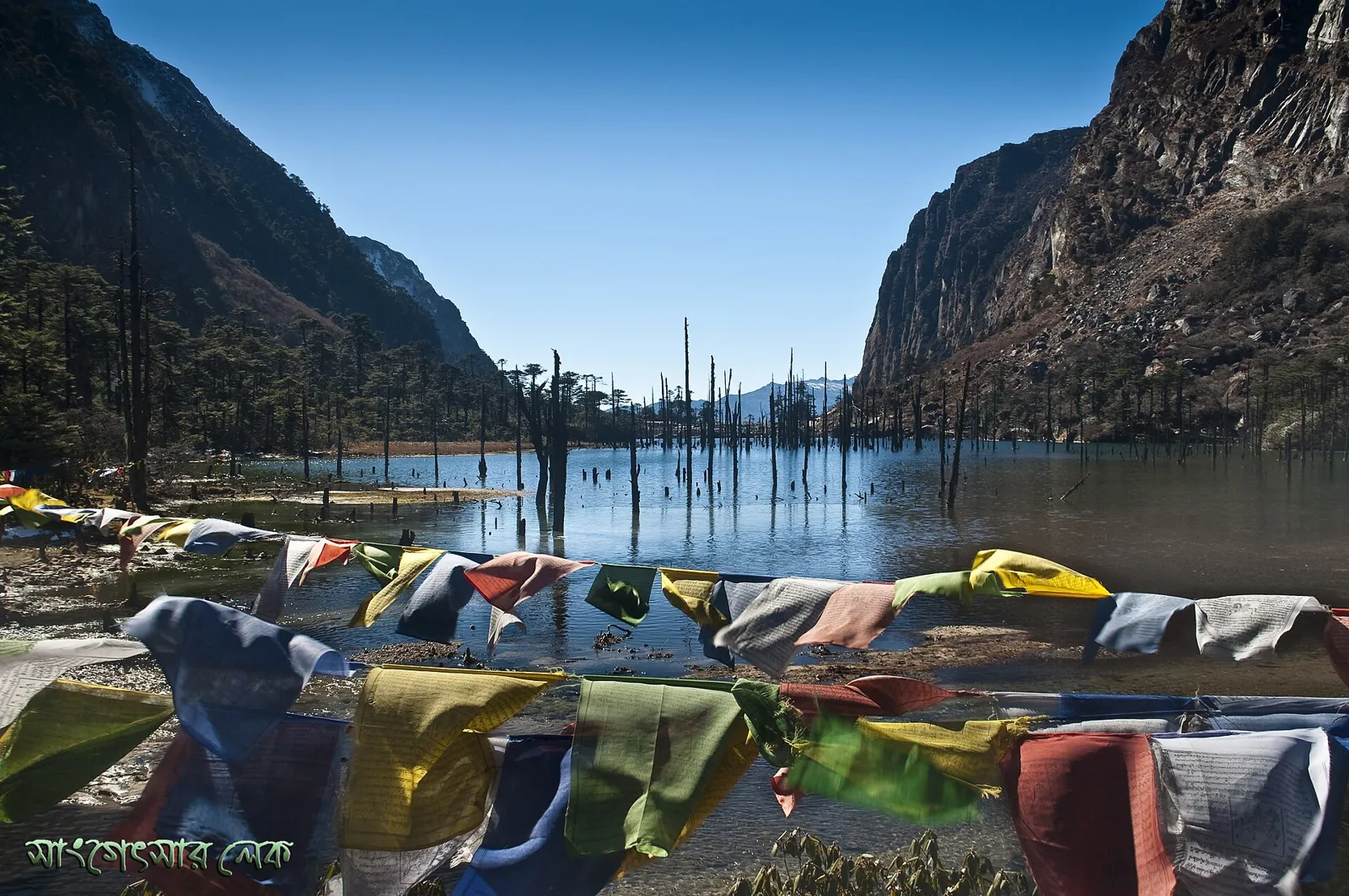
Sangetsar Tso
Sangetsar Tso is a high-altitude lake in Arunachal Pradesh, also known as Shonga-tser Lake and Madhuri Lake. Travellers visit it on journeys between Tawang and Bum La Pass.
Key facts · verified by Ghumoopedia editors
- Type of place
- Natural attraction
- Best time to visit
- October to April for most areas; March–June and September–November for high-altitude passes
- Nearest railway station
- Bhalukpong · about 115 km (straight line)
- Nearest airport
- Tezpur Airport (Salonibari) · about 145 km (straight line)
- Verified
- 21 Nov 2026
Plan a trip from Sangetsar Tso — a day-by-day route through places nearby.
Sangetsar Tso lies within Tawang district in Arunachal Pradesh. The lake is on the route connecting Tawang with Bum La Pass, so travellers encounter it during journeys between these places. Its elevation is above 3,708 metres (12,165 ft), and it is close to the Indo-China border. These details place the lake along the high-altitude route in the Tawang area. Shonga-tser Lake was its earlier name, while Madhuri Lake is the name by which it is popularly known. All three names refer to the same lake. Arunachal is home to more than two dozen major tribal communities, including Monpa, Apatani, Adi, Nyishi, Mishmi and Tai Khamti, each with distinct customs. Altitude changes the weather quickly: foothill towns are warm and humid, while Tawang, Sela and Mechuka can see snow and sub-zero nights in winter. The June–September monsoon frequently causes landslides and road closures. The usual best time to visit is October to April for most areas; March–June and September–November for high-altitude passes. Days are short in Northeast India: the sun can set before 5 pm in winter, so plan to reach and leave Sangetsar Tso in daylight. Timings, fees and access arrangements must be confirmed locally. For official information, see Arunachal Pradesh Tourism at https://arunachaltourism.com.
Why it matters
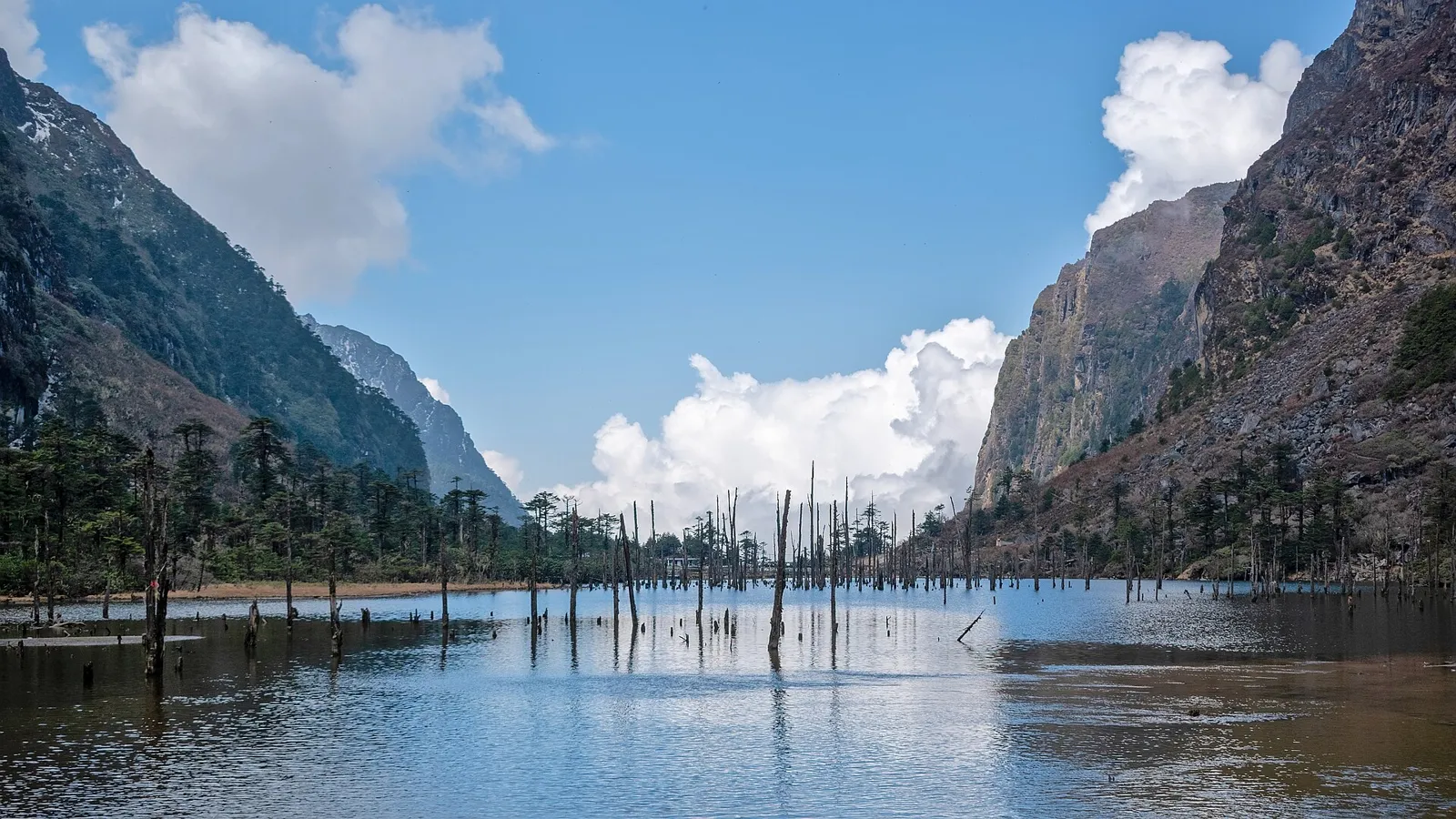
Sangetsar Tso is a high-altitude lake in Tawang district, Arunachal Pradesh, on the route from Tawang towards Bum La Pass and near the India–China border. At an elevation above 3,708 metres, it is a distinctive natural stop in a landscape of mountain slopes and exposed tree trunks. The lake is also popularly called Madhuri Lake, a name associated with the Hindi film Koyla, which was filmed here. Its regional importance is chiefly as a well-known nature and sightseeing destination and as part of travel through the Tawang highlands.
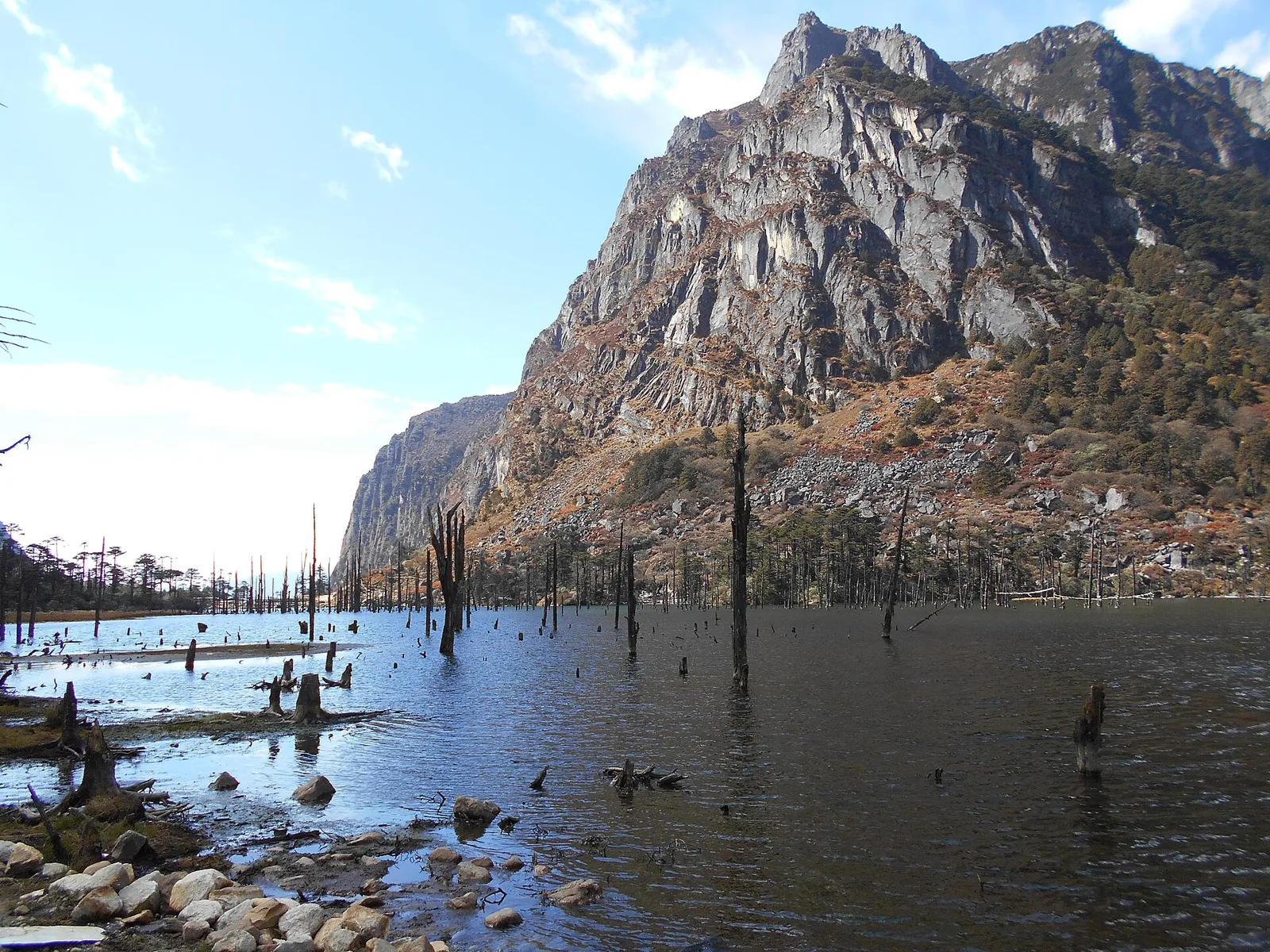
Sangetsar Tso was formerly known as Shonga-tser Lake. Accounts commonly describe it as a lake created or substantially altered by the 1950 Assam–Tibet earthquake, when changes to the terrain affected the local drainage and water collected among trees and mountain ground. The landscape of partly submerged tree trunks is now one of its most recognisable features. Detailed, independently verified records about the lake’s earlier use, the precise geological sequence, or a date of formation are limited, so these details should be treated cautiously rather than as a complete history. The lake lies in the Tawang highlands, a region long connected with Monpa communities and with routes across the eastern Himalaya. In modern popular culture, the site gained wider recognition through the Hindi film Koyla, filmed here in the 1990s; its association with actor Madhuri Dixit led to the widely used nickname Madhuri Lake. The lake is now visited as a scenic stop on journeys from Tawang towards Bum La Pass. Access and travel conditions can change, particularly because of the high elevation and proximity to the international border.
Origin stories & folklore
The lake’s formation is generally explained through accounts of earthquake-related changes to the landscape, rather than through a confirmed traditional story. Visitors may hear local explanations or personal recollections about the place; these can be shared as local belief, not as established geological history. The name Madhuri Lake is sometimes mistaken for an ancient legend, but it is a popular modern nickname associated with the filming of Koyla and actor Madhuri Dixit. Ask residents respectfully if they wish to share stories, and do not assume that private or sacred knowledge is meant for visitors.
Spend unhurried time at Sangetsar Tso: walk the marked paths, use official viewpoints and ask locally whether a guide, entry ticket or permit is needed. Admire the water from safe points rather than climbing wet rocks or swimming in unknown currents. Wildlife sightings are never guaranteed — patience and quiet improve your chances. A comfortable itinerary is one main visit in the morning, a local meal at midday and a short nearby stop before an afternoon return. Use the district list on this site to find other places in Tawang, but check the actual road route and its condition before combining stops. If a festival is on, local roads and stays can be busy — and the experience can be unforgettable. Leave no litter: many sites in Arunachal Pradesh are protected by the communities who own them.
Suggested itineraries
Half day: Travel from Tawang by road; spend about 45–90 minutes at the lake viewing area and walking only safe paths; return to Tawang in daylight. Full day: Leave Tawang in the morning; visit Sangetsar Tso at an unhurried pace; have a packed or locally arranged meal; add Bum La Pass only if authorized and road conditions permit; return to Tawang before dark. Gentler option: Arrange a vehicle to the closest locally permitted viewing point, enjoy the lake from a safe roadside or established viewpoint, and keep walking brief with rest breaks.
The lake is in the wider cultural landscape of Tawang, where Monpa communities have strong local ties and Tibetan Buddhist traditions are prominent. In nearby towns and villages, visitors may encounter Monpa languages, Buddhist monasteries, prayer flags, traditional food, and locally made clothing and crafts. Religious music, masked dances and community celebrations are part of regional life, especially around festival periods, though they are not performances guaranteed at the lake. Customs vary between communities and occasions. Dress modestly when visiting religious places, follow signs and local guidance, and ask before photographing people, ceremonies or monastery interiors.
Local communities
Monpa communities are prominent in Tawang district, alongside other communities of Arunachal Pradesh. People in the wider region sustain livelihoods through a mix of agriculture, animal husbandry, public service, small businesses and tourism-related work; circumstances differ between villages and households. Local drivers, guides, food sellers and accommodation providers may support visitors travelling to the lake, but services can be seasonal or limited. The lake is near a sensitive border region, so local and administrative rules matter. Treat residents as hosts rather than as attractions, ask before taking portraits, and follow community guidance about paths, waste and access.
Festivals & events
Festivals are celebrated mainly in Tawang’s towns and communities, rather than as regular events at Sangetsar Tso itself. Torgya, a Monpa Buddhist festival associated with Tawang Monastery, is usually held in winter, while Losar, the Tibetan New Year, generally falls in late winter or early spring according to the lunar calendar. Other religious and community observances may take place locally. Festival schedules vary, so confirm arrangements with local sources rather than planning around an assumed date. Celebrations can make Tawang busier and may affect road conditions, accommodation availability and travel plans. Visitors should observe ceremonies quietly and ask before photographing rituals.
Local food in Arunachal Pradesh includes thukpa, momos, bamboo-shoot preparations, smoked meat, local greens and pika pila pickle; Monpa areas serve butter tea and zan, while rice beer (apong) is part of many community festivals. Ask what is fresh that day; many small eateries cook a limited daily menu. Pork, beef, fish and fermented ingredients are common in tribal cuisines, so vegetarian travellers should explain their needs clearly — rice, dal, vegetables and eggs are usually possible in towns. Remote sites may have no restaurant at all. Carry water and snacks, eat a proper breakfast before long drives, and ask your accommodation for a packed lunch if you are heading out early. Try a homestay-cooked meal when you can — it is often the best food in the hills. Choose busy, clean places and carry your packaging back to town.
Shopping & local experiences
Tawang town is the more practical place to look for local crafts, textiles, small souvenirs and everyday supplies before or after a lake visit. Visitors may find woven goods, locally made items and regional food products, though stock and provenance vary. Monpa crafts and religious objects should be bought respectfully; ask sellers about materials and whether an item is appropriate for visitors. Try local dishes in Tawang rather than expecting food services at the lake. Choose locally owned shops where possible, avoid buying wildlife products or objects presented as sacred, and carry reusable containers to reduce waste.
Sangetsar Tso sits above 3,708 metres in a high mountain environment near the route to Bum La Pass. Its cold lake water, surrounding slopes and distinctive partly submerged tree trunks create a stark, open landscape. Weather can change quickly, and strong wind, low temperatures, rain or snow may affect the visit. The surrounding high-altitude terrain supports hardy alpine and subalpine vegetation, with vegetation cover varying by season and exposure. Wildlife and birdlife may occur in the wider area, but sightings are never assured and should not be approached or disturbed. Keep to established paths and viewing areas, avoid entering the water, and take all litter away. The lake and nearby terrain are vulnerable to damage from trampling and careless vehicle use.
October to April for most areas; March–June and September–November for high-altitude passes
The nearest principal railway station by straight-line distance is Bhalukpong, roughly 115 km away. The nearest operating airport by straight-line distance is Tezpur Airport (Salonibari), roughly 145 km away. These figures are calculated from map coordinates — hill roads in Arunachal Pradesh wind a lot, so actual road distance and travel time are usually much longer. Guwahati is the main rail and air hub for the region, and most long-distance journeys connect through it. For the final leg, Arunachal Pradesh State Transport Services (APSTS) and shared Tata Sumo taxis link district towns; shared taxis usually leave early in the morning and depart only when full. A private taxi gives more flexibility for remote sites. When comparing train, bus and flight, count the complete door-to-door time: a flight saves the most time only if the onward road transfer is short, while an overnight train to Guwahati plus a road journey can save a hotel night. Book your return before you leave, because seats on shared vehicles and the few daily flights fill quickly. Current train numbers, timings, return services and fares are not listed here; check IRCTC and NTES for trains and the airline’s own schedule for flights. Indian visitors who are not residents of Arunachal Pradesh need an Inner Line Permit (ILP), available online through the state’s official e-ILP portal. Foreign nationals need a Protected Area Permit. Some border areas, such as passes near the international boundary, may also need additional army or district permissions on the day.
Confirm onward and return timings on IRCTC / NTES, the state bus operator or your airline before travel. A dash means current timings or fares have not been verified.
Getting around
Most visitors reach the lake by road from Tawang, using a private vehicle, hired taxi or locally arranged tour vehicle. Shared taxis may serve district routes, but availability and departure arrangements should be checked in Tawang; they may not provide a flexible return from the lake. There is no basis to assume regular local buses, autos or boat services at the site. Walking is limited to areas reached from the road and should be kept to safe, marked paths. Ask the driver about a safe stopping point and return plan before leaving Tawang. Road conditions, weather and access directions can change, so confirm locally and avoid driving after dark.
Hours, tickets & permissions
There is no dependable public schedule or single entry arrangement stated here for Sangetsar Tso. Access may depend on road conditions, weather, border-area regulations and current local or administrative directions. Visitors may need permits or other authorization for travel in Arunachal Pradesh or towards the Bum La area; requirements can differ by nationality and route. Tickets, camera rules and any additional entry conditions should be checked locally before setting out. Confirm current access, hours and fees with the relevant managing authority or a trusted local operator, and carry required identification and permits.
Facilities
Facilities at the lake may be limited and can change with season and access conditions. Do not assume there will be public toilets, drinking-water taps, food stalls, an ATM or a staffed visitor centre on site. Bring drinking water, snacks, warm layers and any personal medication from Tawang, and take rubbish back with you. Parking or vehicle stopping areas may be informal or subject to local direction. Guides and drivers can usually be arranged in Tawang, but confirm what is included and whether the route is currently accessible. Check locally for toilets and food options before departure.
Accessibility
The lake is in a remote, high-altitude setting, reached by a mountain road; the journey itself may be tiring and is sensitive to weather and road conditions. Viewing may involve uneven ground, gravel, mud, rocks or short walks from a vehicle, and there may be little shade or shelter. Do not assume step-free paths, ramps, accessible toilets or wheelchair-friendly surfaces. Wheelchair and stroller access may be difficult beyond a vehicle stopping point. Older visitors and people with mobility, heart or breathing concerns should consider the altitude, cold and limited facilities, move slowly, and consult a clinician if unsure. A vehicle-based visit with minimal walking is the gentler option, subject to local access rules.
Indian visitors who are not residents of Arunachal Pradesh need an Inner Line Permit (ILP), available online through the state’s official e-ILP portal. Foreign nationals need a Protected Area Permit. Some border areas, such as passes near the international boundary, may also need additional army or district permissions on the day. Carry a printed and digital copy of your permit and a photo ID at all times; checkpoints are common. Save the emergency number 112 and your accommodation’s contact offline. Altitude sickness is possible above about 2,500 m: ascend gradually, rest on arrival, drink water and turn back if you develop a severe headache, breathlessness or confusion. Stay on marked paths, keep away from cliff edges and fast water, and never approach wild animals. Avoid hill road travel after dark and during heavy rain, when landslides are more likely. Check official advisories for the region before travel, and follow local guidance if access changes.
Photography
The lake and its tree trunks can be photographed from safe, established viewpoints; soft morning or late-afternoon light may bring out changes in water and mountain colour, but weather is unpredictable. Keep away from unstable banks and wet rocks when choosing a composition. Ask permission before photographing local people, drivers or any religious activity, and follow instructions where photography is restricted. Drone use may be regulated or prohibited in this sensitive border region; do not fly one without explicit current authorization. Avoid blocking roads or paths, and leave no equipment or litter behind.
Choose a stay by the full journey to Sangetsar Tso, not just the district name. Main towns in Tawang usually offer hotels, state tourism lodges and homestays with better transport, meals and medical access, while village homestays offer a closer connection to local life. At altitude, check heating, hot water and power backup, and expect cold nights for much of the year. Book in advance for weekends, festival dates and the peak season (October to April for most areas; March–June and September–November for high-altitude passes). Confirm the exact location, meals included, check-in time and cancellation terms in writing. Many homestays accept payment on arrival; avoid sending money to unverified contacts. Mobile network and digital payments can be unreliable in remote areas, so carry some cash.
Tawang Monastery and the Tawang War Memorial are established places to visit in Tawang town. Bum La Pass lies farther along the high-altitude route and requires visitors to check current authorization and road access before planning a visit. Sela Pass is another notable mountain crossing in Tawang district, while Nuranang (Jang) Falls is a recognised stop in the wider district. These places are not all close together, and mountain-road travel can take much longer than a map suggests. Check the route, weather, daylight and permits before combining stops; avoid assuming that several sites can be comfortably covered in one day.
For couples, Sangetsar Tso rewards a slow pace: arrive early for soft light and fewer crowds, share a local meal and keep the evening free. Public displays of affection can be frowned upon in conservative communities and at religious sites, so be discreet. A homestay can make the trip memorable — confirm privacy, hot water and transport back. Keep a buffer day in your itinerary, because weather and road closures can delay plans in Arunachal Pradesh.
Q: How much time should I allow for Sangetsar Tso? A: Allow time for the road journey from Tawang as well as a relaxed stop at the lake; conditions and access can make the total outing longer than expected. Q: When is the best season to visit? A: October to April is often suitable for travel in many parts of Arunachal Pradesh, while high-altitude conditions vary. Check weather and road access before departure; monsoon months can bring landslides and closures. Q: Is a permit or entry ticket required? A: Requirements can vary by nationality, route and current border-area rules. Confirm permits, entry conditions and any fees with local authorities before travelling. Q: Is the visit suitable for children and elderly visitors? A: It can be, with a vehicle-based visit and limited walking, but the high altitude, cold and uneven ground may be challenging. Plan conservatively and follow medical advice where relevant. Q: Where should I stay nearby? A: Tawang is the practical base for accommodation, meals and arranging transport. Confirm your stay and vehicle plans locally, especially during festivals or busy travel periods.
Be the first to share photos, stories, advice or a helpful contact for Sangetsar Tso.
Loading…