

District · Arunachal Pradesh
Lower Subansiri
Lower Subansiri offers a view of the Eastern Himalaya through the settled valley and forested uplands around Ziro.
Lower Subansiri lies in the Eastern Himalaya of Arunachal Pradesh, where forested ridges, river valleys and highland settlements shape a varied landscape. Ziro, the district headquarters, sits in a broad valley known for its Apatani communities and carefully managed fields. The Apatani practice of combining wet-rice cultivation with fish rearing is a notable feature of the local landscape. Talle Valley Wildlife Sanctuary protects a large area of forest and mountain habitat. The district’s character reflects both this close relationship with the land and the cultural diversity of Arunachal Pradesh. Ziro is also a centre for regional festivals and cultural life, while smaller settlements offer a quieter view of life in the hills.
Lower Subansiri offers a view of the Eastern Himalaya through the settled valley and forested uplands around Ziro. The district is best known for Ziro’s Apatani communities and their distinctive wet-rice fields, where rice cultivation is combined with fish rearing. Ziro is also the administrative centre and a focus of regional cultural life, including the Dree festival and the Ziro Festival of Music. Beyond the valley, Talle Valley Wildlife Sanctuary protects a large area of forest and mountain habitat. Travellers come for the contrast between cultivated landscapes and wooded hills, and for an opportunity to learn about local traditions in their living context.
The history of Lower Subansiri is closely connected with the Apatani and other communities of the Eastern Himalayan region. Apatani accounts and traditions preserve histories of settlement, social organisation and relationships with neighbouring peoples; these are best understood alongside local interpretation rather than reduced to a single written chronology. The area was not part of a large, centralised kingdom comparable to those of the Indian plains. During British rule, the wider frontier region came under changing forms of frontier administration, with limited and uneven colonial reach in the hills. After Indian independence, the area was administered within the North-East Frontier Agency (NEFA). The Subansiri administrative unit was reorganised as governance developed, and Lower Subansiri became a separate district when the former Subansiri district was divided in 1980. Later administrative boundary changes created additional districts from parts of the wider area. Ziro became the headquarters of Lower Subansiri, linking district administration with the valley’s established settlements and cultural life.
2 destination guides
Talle Valley Wildlife Sanctuary
Talle Valley Wildlife Sanctuary is a protected area in Arunachal Pradesh, India, with an area of 337 km2 (130 sq mi).
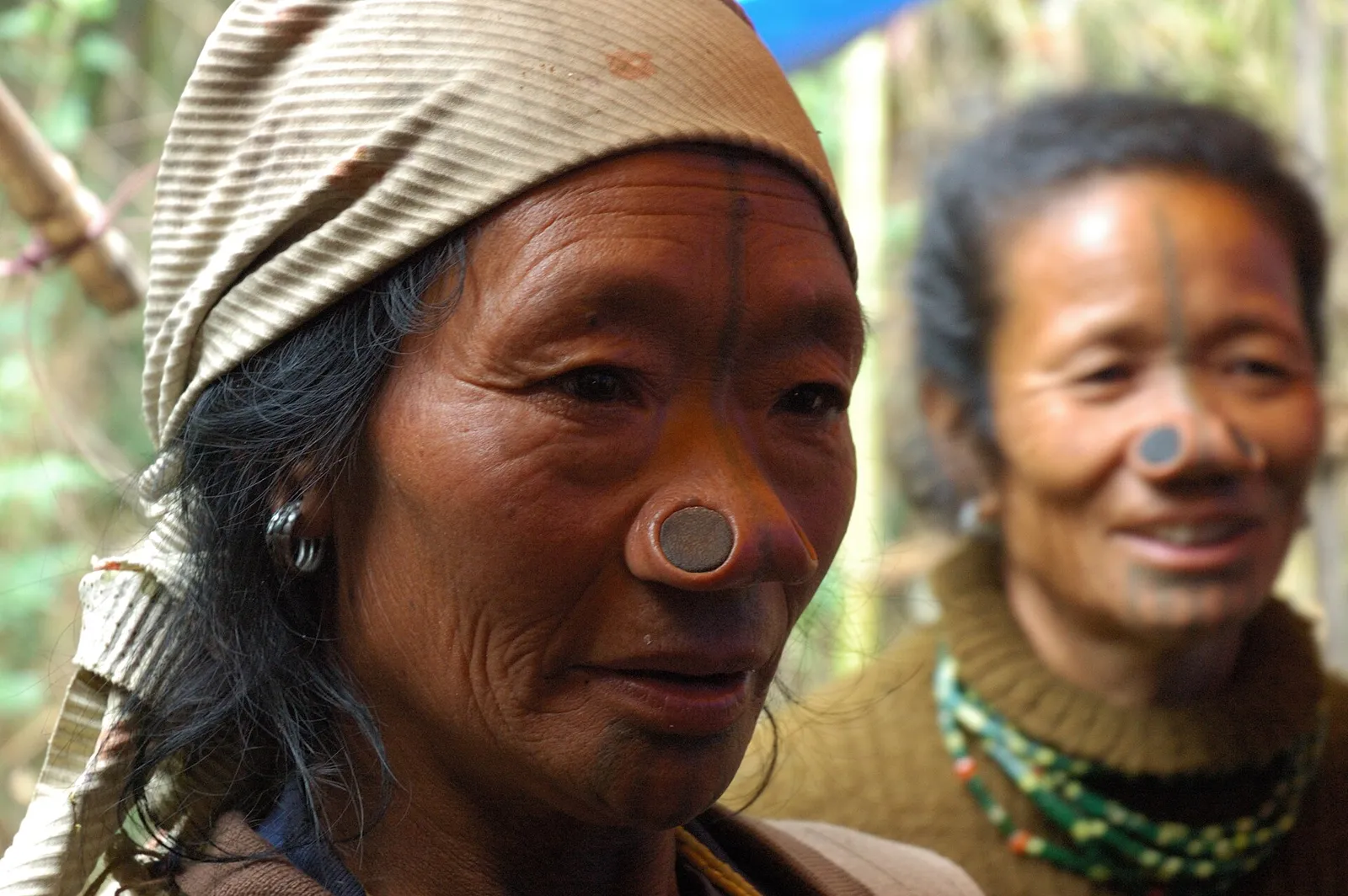
Ziro
Ziro is the seat of Lower Subansiri district in Arunachal Pradesh. Its Apatani community and cultural landscape are points of interest for visitors.
Food in Lower Subansiri reflects the wider food traditions of Arunachal Pradesh, with rice, local greens, bamboo shoots and fermented ingredients commonly used. Thukpa and momos are popular regional dishes, while smoked meat and pika pila, a chilli pickle, may also appear on local menus. Apong, a traditional rice beer, is associated with community gatherings and festivals. Menus at small eateries can be limited and depend on what is available that day. Pork, beef and fish are common in many local cuisines; vegetarian travellers should explain their preferences clearly, as rice, dal, vegetables and eggs may be available in town.
Handloom weaving is an important craft tradition among Apatani communities in and around Ziro. Woven garments and textiles often use distinctive colour combinations and patterns, with designs varying by maker and community. Bamboo and cane are also widely worked across Arunachal Pradesh into practical items such as baskets and household objects; these are regional traditions rather than crafts exclusive to Lower Subansiri. Visitors may find locally made textiles and woven goods in Ziro, though availability varies. Buying directly from makers or community-run outlets, where possible, can help support local livelihoods and keep traditional skills in use.
Dree, the Apatani agricultural festival, is generally celebrated in July, with prayers and community gatherings connected to crops and well-being. Myoko, a major Apatani social and ritual festival, is usually observed in March, though local schedules can vary. Ziro also hosts the Ziro Festival of Music, commonly held in September, drawing visitors from beyond the district. These events offer a chance to encounter local culture, but the music festival in particular can make rooms and transport more heavily booked. Check the current festival calendar and arrange accommodation ahead of travel.
Ziro lies in a broad highland valley surrounded by forested ridges, while the wider district rises into steep, wooded mountain country. Fields, streams and settlements shape the valley floor; wet-rice cultivation and fish rearing are notable features of the Apatani landscape. Talle Valley Wildlife Sanctuary covers extensive forest and mountain habitat beyond the settled centre. Roads wind through hills and can be affected by rain, slips or other local conditions, so journeys often take longer than the map suggests. Reaching remote forest areas may require local guidance and careful planning.
The district has a seasonal highland climate. Summer is generally mild, while the monsoon brings frequent rain, wet trails and a greater chance of road disruption. Winter is cooler, especially at night, and visitors should be prepared for chilly conditions. Many travellers favour the drier periods around spring and autumn, when walking and road travel may be more comfortable; festival dates can also influence when people choose to visit. Conditions vary with elevation and weather. Pack layers, a warm jacket, rain protection and shoes with good grip, and check the forecast before setting out.
Ziro is reached by road, with routes linking it to Itanagar and North Lakhimpur in Assam. The nearest operating airport is Lilabari Airport, near North Lakhimpur; North Lakhimpur is also the nearest principal railway station. From either place, onward travel is by road, and journeys through the hills can take longer than map distances suggest. Guwahati is a major rail and air hub for the region, with onward road connections. Shared vehicles and taxis are common options for reaching Ziro, while transport within the district may be limited outside the main town. Check current services locally before travelling.
Road travel is the main way to move around Lower Subansiri. Ziro is the practical base for reaching nearby settlements and arranging travel towards Talle Valley Wildlife Sanctuary, but access to more remote areas may require local advice and advance planning. Shared vehicles and taxis are commonly used for journeys to and from Ziro; local buses and other public transport may be limited, particularly outside the main town. Walking can suit short trips within settlements, but steep or wet routes need care. There are no useful regular boat links for district sightseeing. Confirm road and vehicle availability locally.
2 days: Ziro; sleep in Ziro on both nights. 3 days: Ziro, then Talle Valley Wildlife Sanctuary, then Ziro; sleep in Ziro on the first night and arrange a suitable local overnight stop for the sanctuary route on the second. 4 days: Ziro, then Talle Valley Wildlife Sanctuary, then Ziro; sleep in Ziro on the first and fourth nights, and arrange local overnight stops for the sanctuary route on the second and third nights.
Ziro is the most practical base for exploring the valley and arranging transport or local guidance for Talle Valley Wildlife Sanctuary. Accommodation in and around town commonly includes hotels and homestays, with some government-run lodging options; availability and facilities vary. For a sanctuary-focused trip, ask locally about suitable overnight arrangements along the route rather than assuming there are established lodges inside the protected area. Book well ahead during major festivals, especially the Ziro Festival of Music. Dharamshalas are not a dependable general option, so confirm any specific facilities before relying on them.
Hill roads can be narrow, winding and vulnerable to rain-related slips or delays; avoid rushing and check conditions before travel. Trails may be steep, muddy or remote, and wildlife habitat should be treated with respect: keep distance from animals and follow local guidance. Carry safe drinking water or a reliable treatment method, and do not assume mobile connectivity will be available beyond settled areas. Festival periods can bring crowds and tighter room availability. Indian visitors from outside Arunachal Pradesh generally need an Inner Line Permit, while foreign visitors should check the applicable Protected Area Permit requirements. Confirm current entry and any sanctuary permissions through official authorities before travelling.
- Papum Pareabout 56 km
- Upper Subansiriabout 61 km
- Majuli · Assamabout 71 km
- Lower Siangabout 85 km
- Sivasagar · Assamabout 99 km
- Jorhat · Assamabout 100 km
- Golaghat · Assamabout 110 km
- Pakke-Kessangabout 111 km
Straight-line distance between the centres of each district's destinations; road distance is longer.
Q: How many days should I spend in Lower Subansiri? A: Two days can introduce you to Ziro; allow three or four days if you plan to explore Talle Valley Wildlife Sanctuary, subject to access and local arrangements. Q: When is the best time to visit? A: Spring and autumn are often comfortable for travel. The monsoon is wetter, while winter can be chilly; check conditions before departure. Q: What is the best base for visiting the district? A: Ziro is the most practical base for the valley, local services and arranging onward travel. Q: How do I get to Lower Subansiri? A: Travel by road to Ziro from Itanagar or North Lakhimpur. Lilabari Airport and North Lakhimpur railway station are nearby regional gateways; check current connections and road conditions. Q: Is the district suitable for families or elderly travellers? A: Ziro can suit visitors who are comfortable with hill roads and variable weather. Remote treks and uneven trails may be unsuitable for some; plan around individual mobility and arrange local advice.
This page draws on our 2 destination guides for Lower Subansiri and is updated as our team checks it.
Be the first to share photos, stories, advice or a helpful contact for Lower Subansiri.
Loading…