Ghumoopedia — Explore, Discover, Experience
Sign in

City guide · Arunachal Pradesh

Khonsa

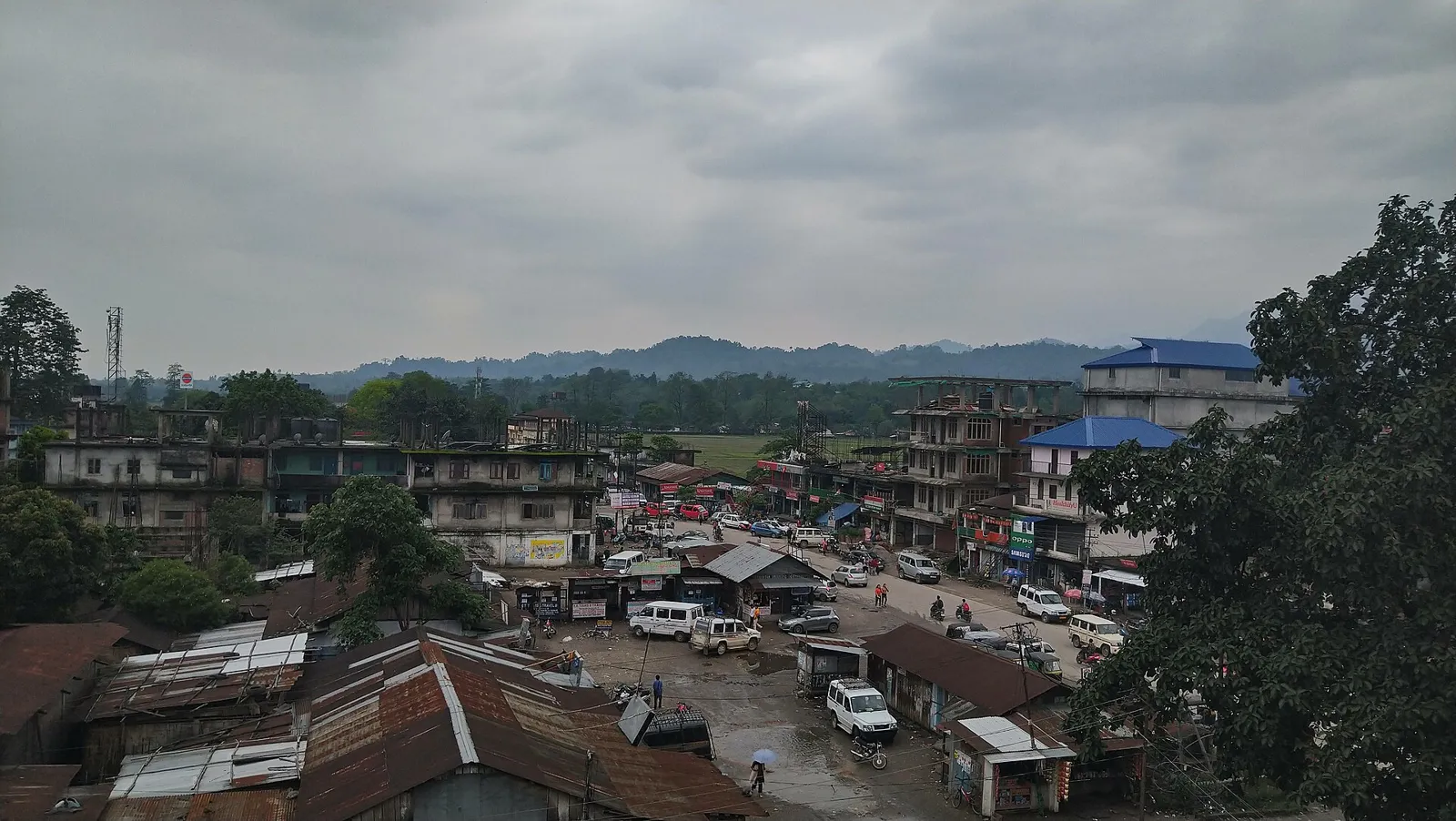
Khonsa is the administrative headquarters of Tirap district in Arunachal Pradesh. Set in the state’s eastern hill country at about 1,215 metres, it is an important centre for district services and a practical base for journeys around Tirap.

Famous for

  • Tirap district headquarters
  • Nocte cultural heritage
  • Highland hill setting
  • Ramakrishna Sarada Mission School
  • Christ the King ICSE School

Why Khonsa matters

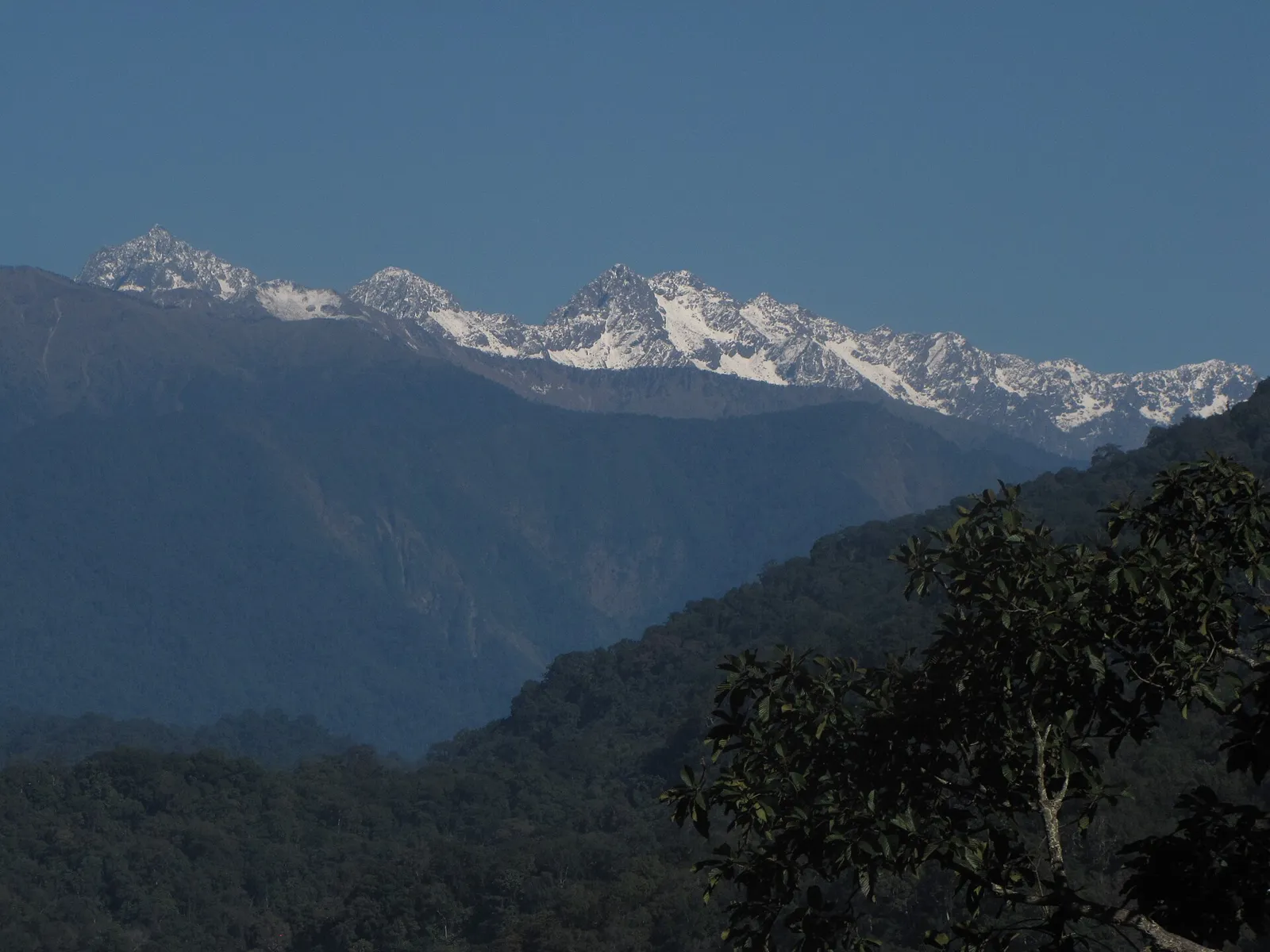
Khonsa is the administrative headquarters of Tirap district in Arunachal Pradesh. Set in the state’s eastern hill country at about 1,215 metres, it is an important centre for district services and a practical base for journeys around Tirap. The town’s identity is closely connected with the Nocte people, the indigenous community of the area, while residents from different parts of India give Khonsa a diverse everyday character.

Visitors come for its green, mountainous surroundings and for an introduction to the communities and landscapes of eastern Arunachal, rather than for a large collection of monuments or established tourist facilities. Khonsa has schools including Ramakrishna Sarada Mission School and Christ the King ICSE School. Deomali, another Tirap town, is about 43 kilometres away and has the district’s Wangcha Rajkumar Government College. Khonsa’s significance is therefore both regional and cultural: it is a working administrative town as well as a point from which to learn about Nocte life and explore the surrounding hills.
Famous for: crafts, trade & products

Khonsa is best known locally for its district institutions and role as Tirap’s administrative centre, rather than for a large manufacturing sector or a famous commercial product. Its schools are among the town’s notable institutions. The local market serves residents and nearby communities with everyday goods, but Khonsa is not widely known as a major textile, jewellery or wholesale-trade destination.

Nocte and other regional craft traditions include handwoven textiles and practical work in materials such as bamboo and cane. These are better understood as community crafts than as standardised products with guaranteed availability in town shops. Visitors interested in them can ask locally about artisans, community events or places where locally made items may be seen. Khonsa is not identified with a GI-tagged product or a dedicated craft bazaar, so it is sensible to check what is available during a visit rather than expect a particular item. For a broader selection of regional goods, travellers may need to enquire in larger towns on their route.

History

Khonsa’s history is rooted in the Nocte communities of the surrounding hills. Before the growth of modern administration, village life and customary institutions shaped the region. As British colonial frontier administration expanded in the eastern Himalayan borderlands, the area came increasingly within wider systems of political and administrative oversight. Khonsa’s story, however, is not chiefly that of a royal capital or a major colonial trading town; its later importance grew from its administrative role.

After India’s independence, the region was administered within the North-East Frontier Agency. The organisation of Tirap as a district established Khonsa as its headquarters and encouraged the growth of government services and supporting facilities. Arunachal Pradesh became a state in 1987, and Khonsa continued as an important district centre. Schools, road links and public offices have contributed to its modern development. Its character today reflects both this administrative growth and the continuing presence of Nocte communities and traditions.

Food, festivals & culture

Nocte heritage is central to Khonsa’s cultural life. Chalo Loku, the major Nocte festival, is generally celebrated in the post-harvest season, often around November. It is a time for community gatherings and traditional observances. Local cultural expression includes folk songs, group dancing and percussion, though performances and celebrations are most readily encountered through community occasions rather than scheduled tourist shows. Nocte is spoken locally, alongside languages such as Hindi and English; Assamese and other languages are also heard among residents from different backgrounds.

Meals commonly centre on rice, with vegetables and locally familiar preparations of meat or fish; smoked foods and bamboo shoot are part of the wider food traditions of the region. Menus vary between households and eateries, and Khonsa is not especially known for a signature sweet or dessert. Churches and other neighbourhood places of worship reflect the town’s varied religious life. Visitors should approach festivals and worship respectfully and ask before photographing ceremonies or people.

Visiting the city

October to April is generally a comfortable period to visit, while the monsoon months can bring heavy rain and affect road journeys. Dibrugarh Airport (Mohanbari) is the nearest major airport. Naharkatiya is a nearby railhead; Tinsukia Junction is a larger rail hub for onward connections. From either, Khonsa is reached by road, and travellers should allow flexibility for hill travel and check current road conditions.

Shared vehicles and taxis are used for local and inter-town journeys; hiring a vehicle can make exploring more flexible. Begin around the town centre and market lanes to get a feel for daily life, then use Khonsa as a base for nearby areas such as Deomali. Check current Arunachal entry-permit requirements before setting out, and seek local advice before visiting villages or community sites.

Trips from the city

Nearest places to visit from Khonsa

Our closest destination guides, by straight-line distance.

Miao

82 km away · Changlang district

Miao

Miao is a sub-division of Changlang district in Arunachal Pradesh, around 25 km from Assam. Its proximity to the state border gives visitors a clear geographical point of reference.

Golden Pagoda

93 km away · Namsai district

Golden Pagoda

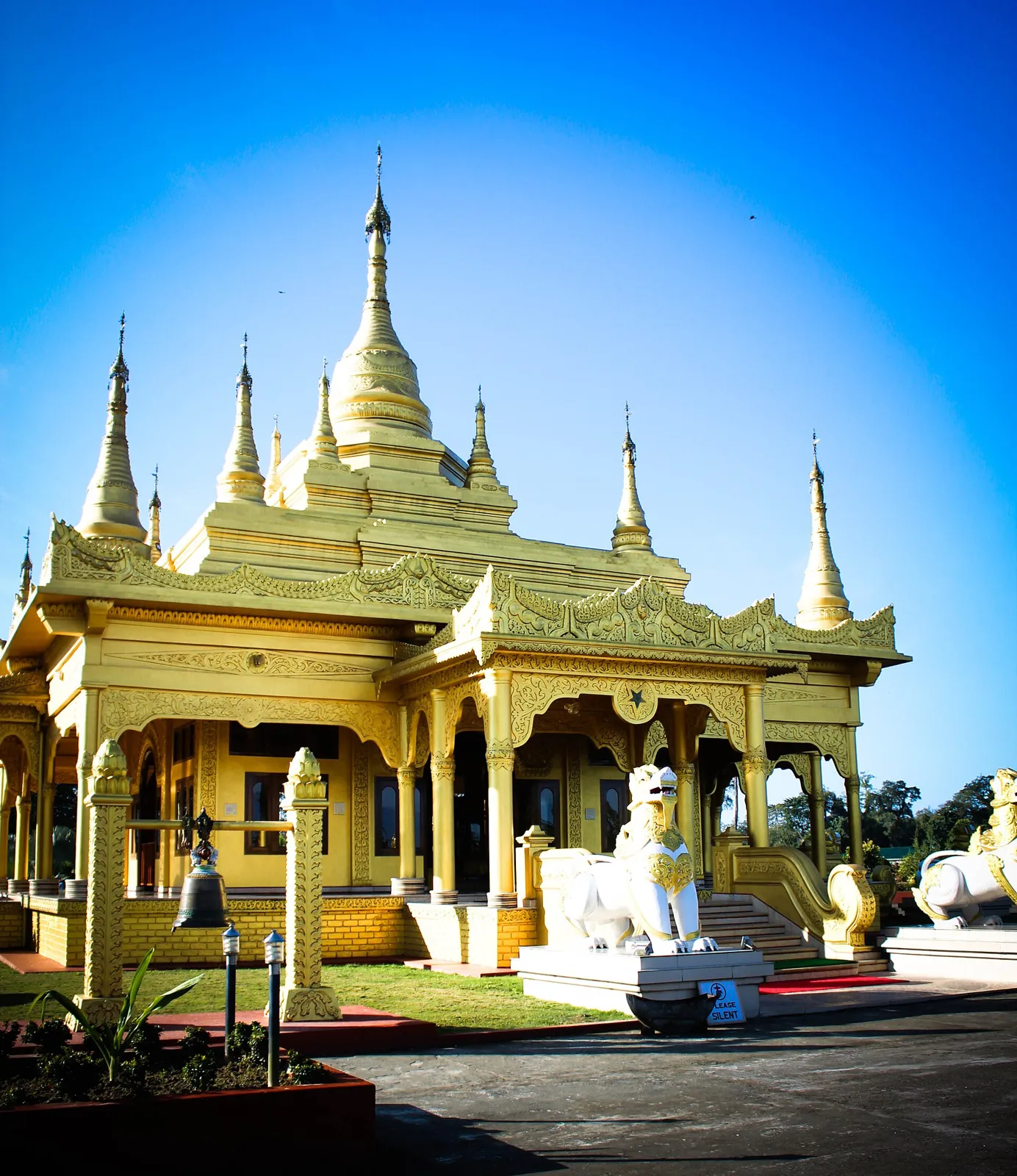
The Golden Pagoda, also called Kongmu Kham, is a Burmese-style Buddhist temple in Namsai, Arunachal Pradesh. Visitors come to see the temple and its developing role as an international Tripiṭaka centre.

Namdapha National Park

96 km away · Changlang district

Namdapha National Park

Namdapha National Park, in Changlang district of Arunachal Pradesh, is a large protected area with exceptional plant and animal diversity. Visitors come to explore its varied forests and wildlife.

Malinithan

111 km away · Lower Siang district

Malinithan

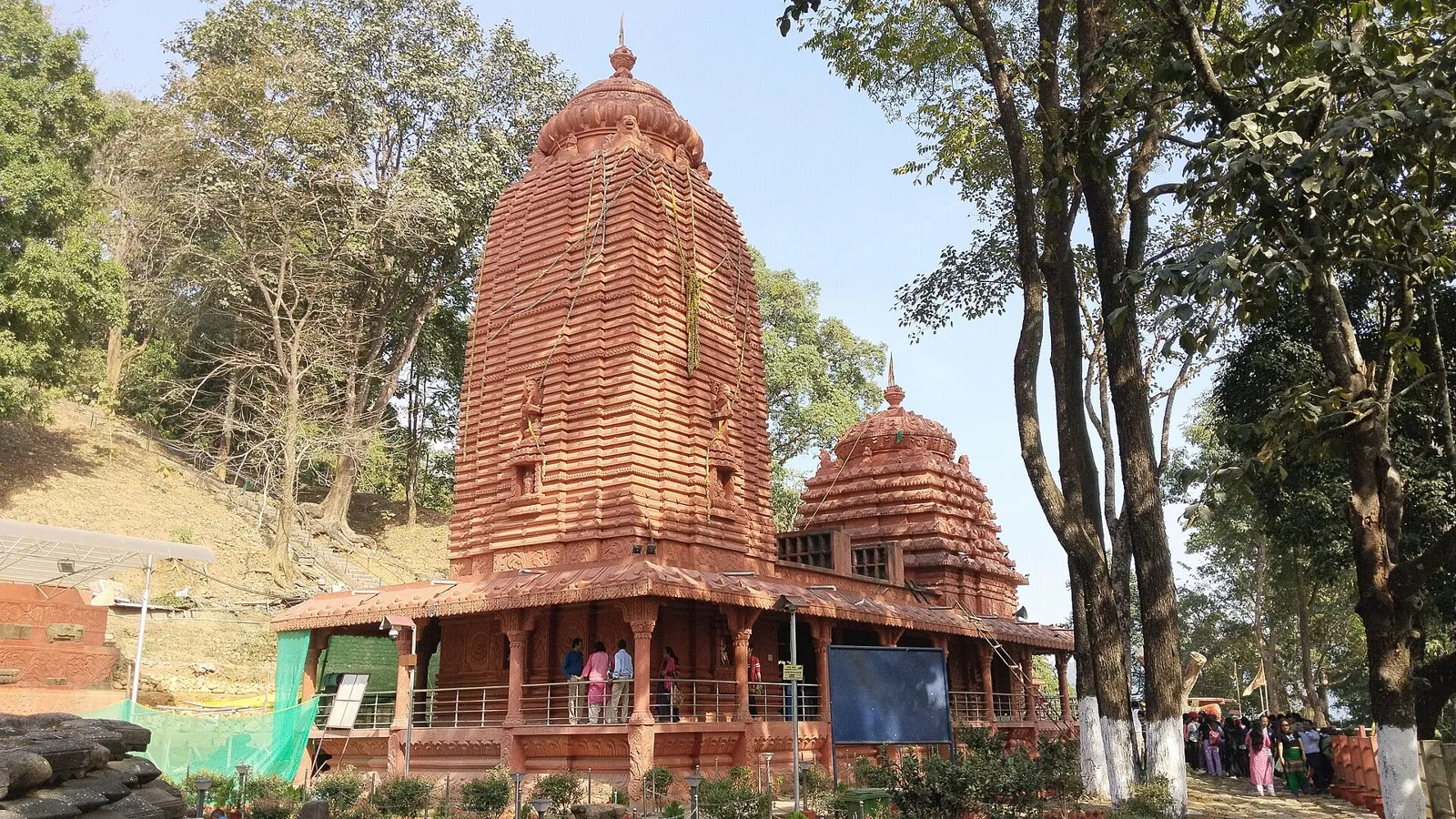
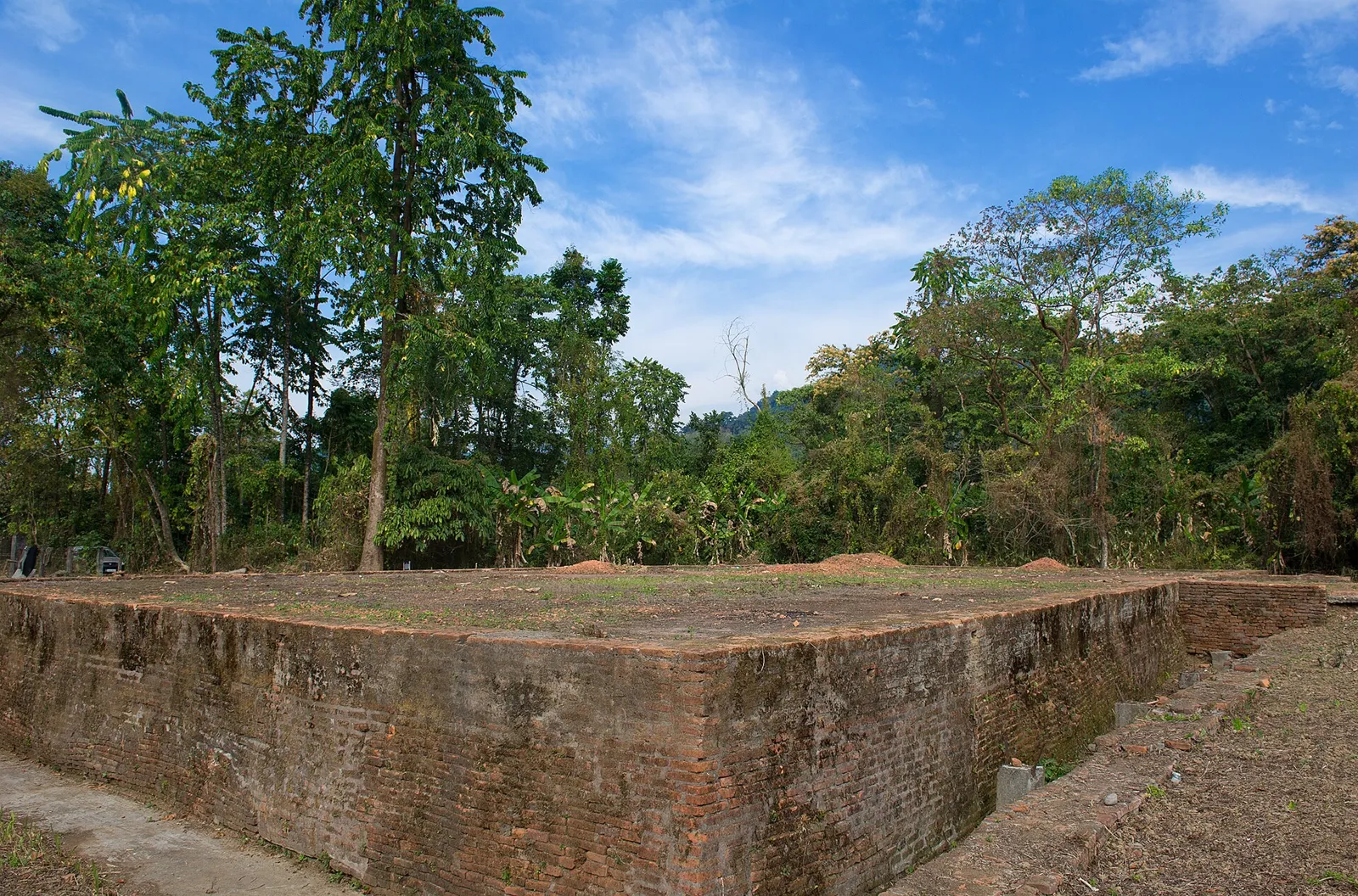
Malinithan is an archaeological site in Arunachal Pradesh, known for the remains of an early medieval temple. Visitors explore its ruins and the traditions surrounding the goddess worshipped there.

Tezu

117 km away · Lohit district

Tezu

Located in Arunachal Pradesh, Tezu is a census town and the administrative centre of Lohit district. Its plains, forests and river landscapes draw interest, while the town also provides a transport link to Anjaw district.

Pasighat

119 km away · East Siang district

Pasighat

Pasighat, the administrative centre of East Siang district, is known as Arunachal Pradesh’s oldest town. Visitors come for its Himalayan foothill setting and historic status.

Bhismaknagar

122 km away · Lower Dibang Valley district

Bhismaknagar

Bhismaknagar is an archaeological site near Roing in Arunachal Pradesh. Visitors come to see its remains, which are associated with the Sutiyas and their rule in the Sadiya region.

Parshuram Kund

124 km away · Lohit district

Parshuram Kund

Parshuram Kund is a Hindu pilgrimage destination in Arunachal Pradesh’s Lohit district, associated with sage Parashurama; visitors gather there for ritual bathing during Makar Sankranti.

Map

Khonsa on the map

  1. 1Miao
  2. 2Golden Pagoda
  3. 3Namdapha National Park
  4. 4Malinithan
  5. 5Tezu
  6. 6Pasighat
  7. 7Bhismaknagar
  8. 8Parshuram Kund

Arunachal Pradesh

Other cities to explore