
Ghumoopedia — Explore, Discover, Experience
Sign in
Roing, near Roing

City guide · Arunachal Pradesh

Roing

Roing is the administrative centre of Lower Dibang Valley district in Arunachal Pradesh. Travellers may visit for its role as a district hub and its position on India’s north-eastern frontier.

Famous for

  • Idu Mishmi culture
  • Mayudia hill station
  • Mehao Lake and sanctuary
  • Bhismaknagar archaeological site
  • Mishmi handwoven textiles
In the city
1
Nearby
2
District
Lower Dibang Valley

Why Roing matters

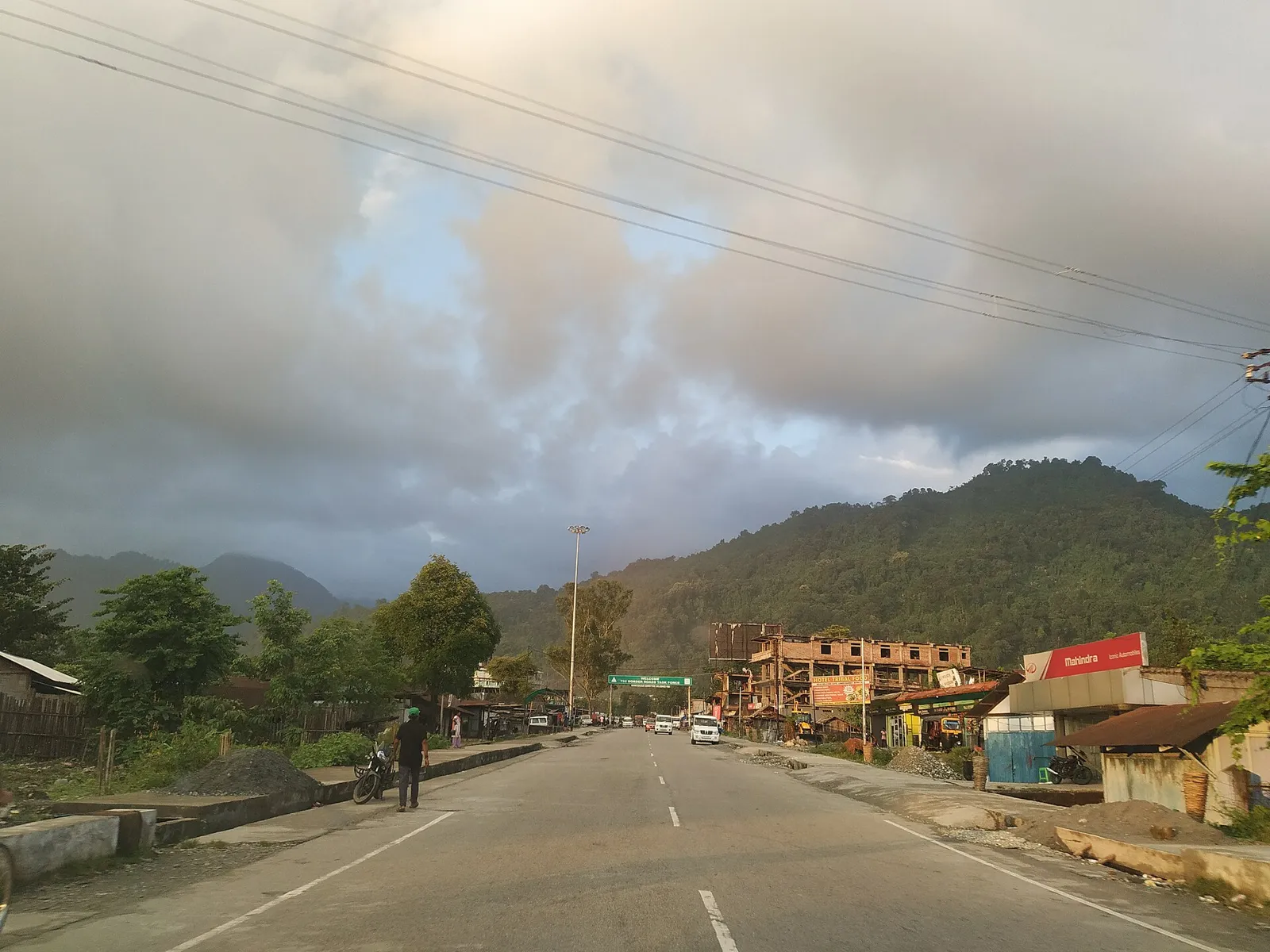
Roing is the administrative headquarters of Lower Dibang Valley district and a key service and trading centre in eastern Arunachal Pradesh. It is also the last major township on the route towards the remote Dibang Valley, making it an important stop for residents, travellers and people continuing north towards Anini.

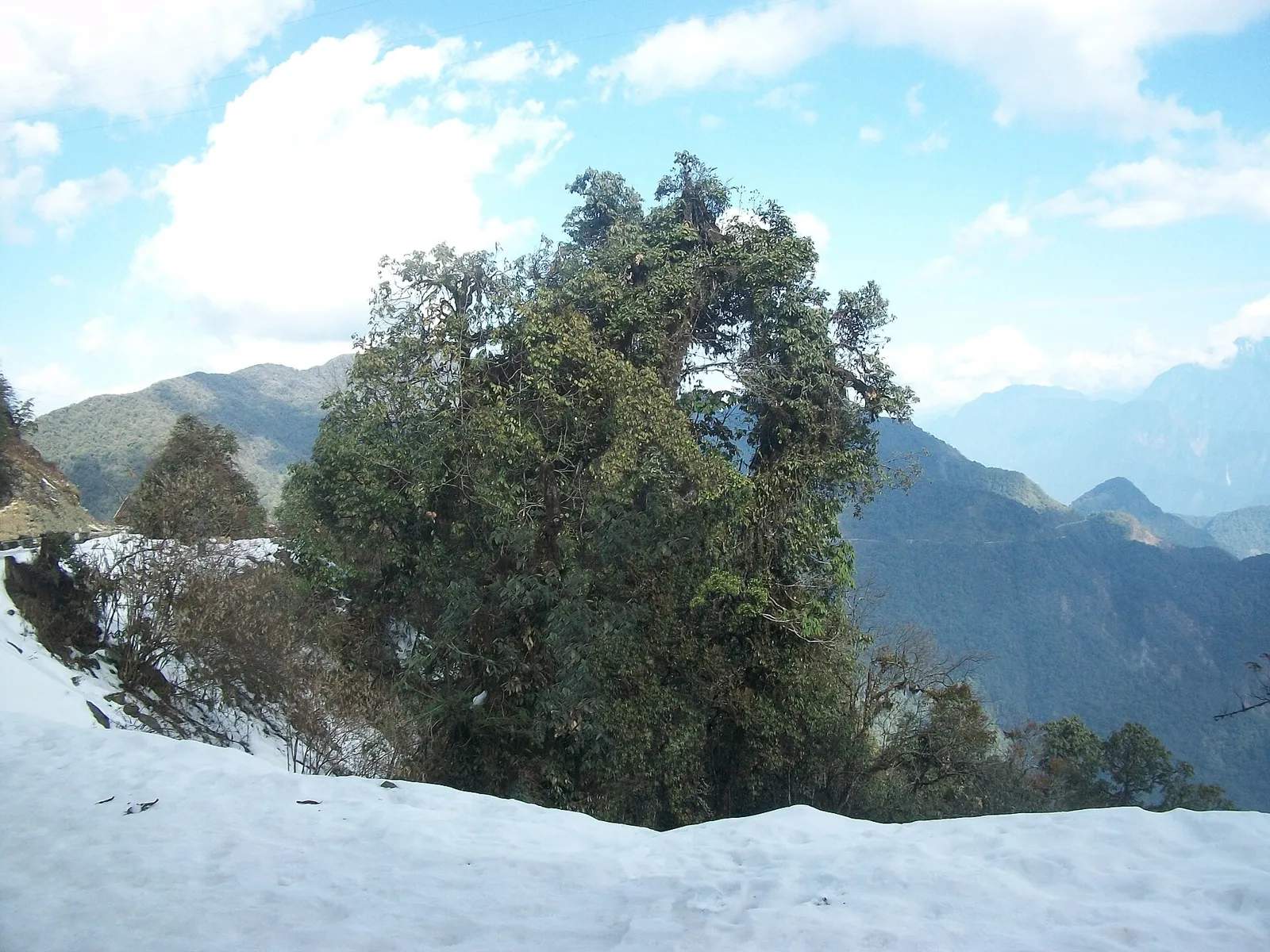
Visitors come for Roing’s mix of mountain scenery, forest and Indigenous culture. Nearby attractions include Mehao Lake and the surrounding wildlife sanctuary, the cool upland setting of Mayudia, and the archaeological remains at Bhismaknagar. The town is closely associated with the Idu Mishmi community, whose traditions and crafts are part of the region’s identity. Roing is not a large resort destination; its appeal lies in its role as a practical base for exploring the Lower Dibang Valley and in the contrast between its active town centre and the rivers, hills and wooded landscapes close by. Road access and local services also give Roing importance beyond tourism, connecting scattered settlements with district administration, education and commerce.
Famous for: crafts, trade & products

Roing is better known as a district service and market centre than as a manufacturing or major textile hub. Its shops and market serve nearby communities with everyday goods, produce and supplies for travel into the valley. Visitors may find locally made cane and bamboo articles and Idu Mishmi handwoven garments or accessories, though availability varies. These pieces are valued for their designs and cultural significance rather than being mass-market souvenirs. Ask locally about community-made work and buy directly from artisans or trusted sellers where possible.

The town is not widely identified with a GI-tagged product or a large-scale industry. Small businesses, government offices and local trade form much of its economic life. For a more cultural visit, look for local events or exhibitions where weaving and other crafts may be displayed; the market is the most practical place to ask about current availability. Roing also works as a base for visits to nearby natural and archaeological sites, but these are attractions rather than products made in town. Travellers should not assume that every stall carries traditional craftwork, and should allow time to ask about the maker and the item’s community origins.

History

Roing’s history is rooted in the Indigenous communities of the Dibang region, particularly the Idu Mishmi, whose settlements, customary practices and connections to the land long predate the modern township. The area was not shaped by a single royal court or by the kind of large colonial trading town found elsewhere in India. British influence in the wider frontier region developed gradually, while administration and access remained limited compared with the plains.

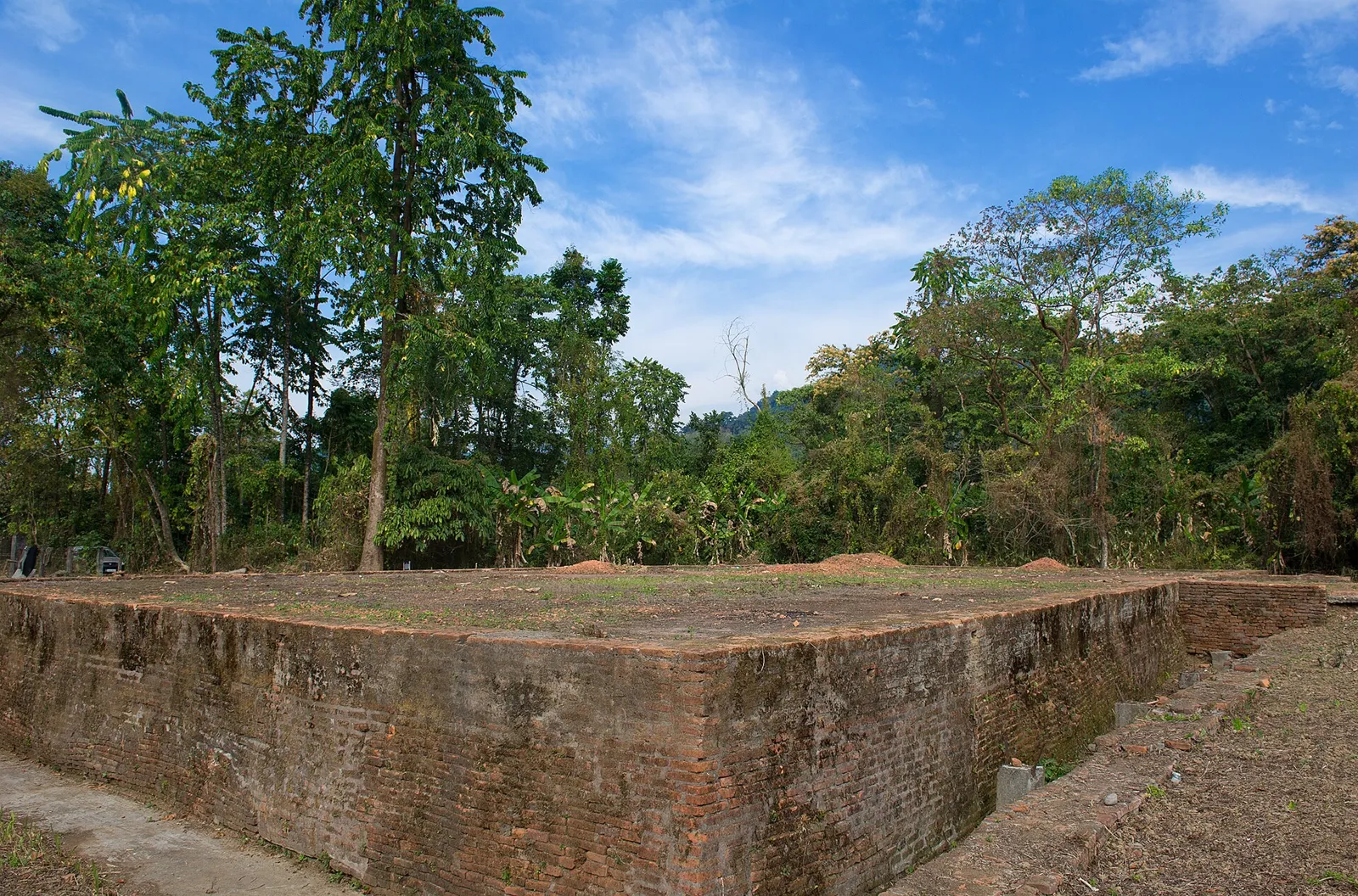
The nearby ruins of Bhismaknagar are an important reminder of older political and cultural activity in the region. Their origins and interpretation are associated with the history of the eastern Himalayan frontier, though they should not be treated as the history of Roing town itself. In the modern period, Roing grew as roads, public services and government administration expanded. Arunachal Pradesh became a state in 1987, and Lower Dibang Valley was established as a separate district in 2001, with Roing as its headquarters. Its present role reflects that administrative growth and its position on the route into the Dibang Valley.

Food, festivals & culture

Idu Mishmi life is central to Roing’s cultural character, alongside the traditions of other communities in the district. Reh, an important Idu Mishmi festival, is generally observed in the winter season, while Tamladu is another major ritual festival. Nearby Adi communities celebrate Solung, usually around late summer or early autumn. Festival dates and public events can vary, so visitors should check locally before planning around a celebration. Traditional dress, community gatherings, music and dance are important parts of these occasions.

Food reflects the region’s mountain and forest setting. Meals commonly feature rice, local greens, fish or meat, and ingredients such as bamboo shoot; preparation differs between households and communities. Rice beer is part of some customary gatherings, but it is not served everywhere. Idu Mishmi and Adi are among the local languages, while Hindi and English are also used in public life. Roing has places of worship for different communities, as well as community spaces where festivals and social events take place. Visitors are best guided by local hosts on etiquette, photography and access during ceremonies.

Visiting the city

October to April is generally a comfortable period for visiting Roing, with clearer conditions for road journeys and outdoor excursions. The monsoon can bring heavy rain and affect travel, so check current road conditions before setting out. The nearest airport commonly used is Dibrugarh Airport in Assam; the nearest major rail access is around Tinsukia, also in Assam. From there, Roing is reached by road, including routes across the Brahmaputra valley and onward into Arunachal Pradesh.

Shared vehicles and taxis are used for regional travel, while local taxis or hired vehicles are practical for reaching attractions outside town. Explore the town centre and market for everyday services, then consider the Eze River area, Sally Lake, Mayudia or Mehao for scenery. Bhismaknagar is another worthwhile excursion. Distances and journey times can be affected by weather and road conditions, so allow flexibility, especially for trips beyond town.

Attractions

Places to visit in Roing

Sights within about 12 km of each other, even when they fall in different districts.

Short trips

Around Roing

Within about 40 km — easy half-day or day trips from the city.

Map

Roing on the map

  1. 1Roing
  2. 2Bhismaknagar
  3. 3Mayodia Pass

Arunachal Pradesh

Other cities to explore