
Ghumoopedia — Explore, Discover, Experience
Sign in
Mechuka, near Shi Yomi

City guide · Arunachal Pradesh

Shi Yomi

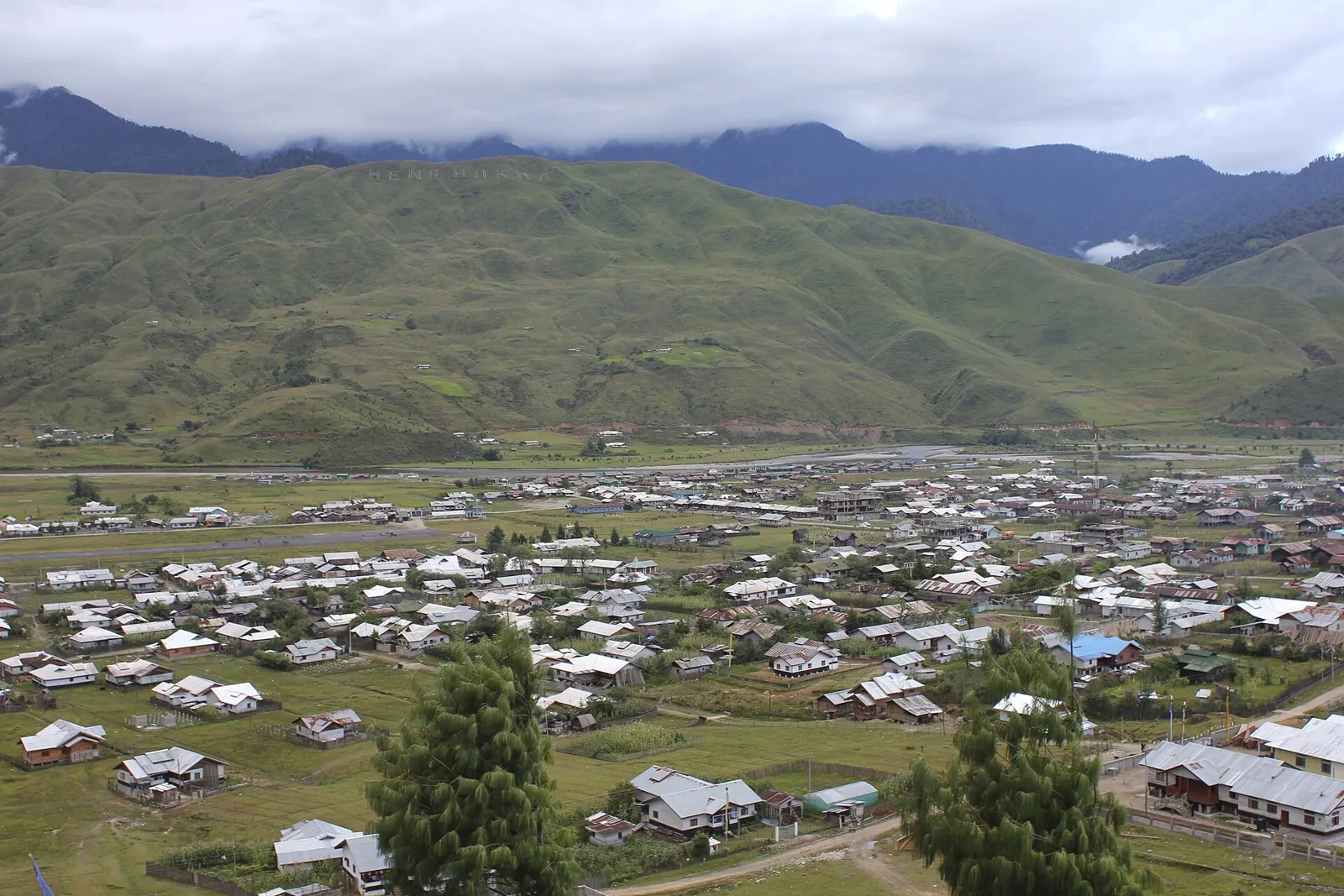
Shi Yomi is a remote district in Arunachal Pradesh, with its administrative headquarters at Tato. It matters as a frontier region of high valleys, mountain rivers and dispersed settlements, and as the home of Mechuka, one of the state’s best-known destinations for dramatic Himalayan scenery.

Famous for

  • Mechuka valley scenery
  • Memba Buddhist heritage
  • Samten Yongcha Monastery
  • Siyom River landscapes
  • India–Tibet borderland
In the city
0
Nearby
1
District
Shi Yomi
Plan a trip

Why Shi Yomi matters

Shi Yomi is a remote district in Arunachal Pradesh, with its administrative headquarters at Tato. It matters as a frontier region of high valleys, mountain rivers and dispersed settlements, and as the home of Mechuka, one of the state’s best-known destinations for dramatic Himalayan scenery. Visitors come for the valley’s open meadows, surrounding peaks, village life and Buddhist heritage, including the historic Samten Yongcha Monastery.

The district also has strategic importance: its northern reaches extend towards the India–China border, where the McMahon Line marks the boundary claimed by India. Travel here is as much about the journey as the destination. Road access, weather and local conditions shape plans, while the distance from major towns has helped preserve a quieter, less commercial character. Tato serves as the administrative centre; Mechuka is the principal visitor draw. Together, they give Shi Yomi a role that is both practical and distinctive: a remote border district and a gateway to a culturally rich Himalayan landscape.

Famous for: crafts, trade & products

Shi Yomi is not known for large-scale manufacturing, a major wholesale market or a widely established GI-tagged product. Its identity is more closely tied to village life, local skills and the natural landscape. Household weaving and bamboo or cane work are part of broader Arunachali traditions, though availability varies by community and village; visitors should ask locally rather than expect a dedicated craft bazaar or fixed retail outlet.

Tato and Mechuka have small shops for everyday necessities, but choice can be limited and supplies may be seasonal. Visitors looking for locally made items can enquire at village homestays or with community hosts, who may be able to direct them to weavers or craft workers. The region’s most recognisable draw is not a product but its setting: the Mechuka valley, the Siyom River and nearby mountain scenery. There is no well-documented district-wide textile, sweet, industrial product or formal craft market to single out, so buying directly from makers—when available—is a better way to support local livelihoods than expecting a specialised shopping district.

History

The settlements of present-day Shi Yomi belong to a long-standing indigenous landscape shaped by village communities, local trade and connections across the eastern Himalaya. The district does not have a single historic urban centre or a well-documented sequence of city-based rulers; Tato is primarily an administrative headquarters, while Mechuka is known for its valley settlements and Buddhist heritage. Samten Yongcha Monastery stands as a prominent marker of that religious and cultural history.

For much of the modern administrative period, the area was part of West Siang district. On 9 December 2018, Shi Yomi was established as a separate district when the northern border areas were divided from West Siang; Tato became its headquarters. This reorganisation brought local administration closer to communities spread across a large and difficult-to-access mountain region. Since then, roads and public services have remained central to development, although terrain, distance and weather continue to influence connectivity. The district’s modern story is therefore closely linked to both administrative change and the challenge of serving remote settlements.

Food, festivals & culture

Shi Yomi’s cultural life reflects its varied indigenous communities, including Memba and Adi groups, with customs differing between villages. Rice is a staple, often served with vegetables, herbs and meat or fish; smoked foods, local greens and bamboo-shoot preparations are also part of the wider regional food tradition. Meals are generally home-style, and visitors staying in homestays may encounter local variations rather than a standard restaurant menu. Butter tea is associated with Tibetan Buddhist cultural influence in the Mechuka area.

Losar, the Tibetan New Year, is an important seasonal celebration among Buddhist communities and usually falls in late winter or early spring, according to the lunar calendar. Mopin, associated with Adi communities, is generally celebrated in spring. Community gatherings may include traditional songs, dances, ceremonial dress and shared food. Local languages include Memba and Adi varieties; Hindi and English can be useful for communication, though fluency varies. Monasteries, village prayer spaces and community grounds are important places for worship and festivals, with Samten Yongcha Monastery among the best-known religious sites in the district.

Visiting the city

October to April is generally the most comfortable period for visiting, with clearer mountain views often possible after the monsoon. Roads can be difficult during heavy rain, and cold conditions are common in winter, so check local conditions before travelling. Dibrugarh Airport in Assam is a commonly used commercial air gateway; Silapathar railway station is a practical railhead for onward road travel. Aalo is an important road link, while journeys to Tato and Mechuka can be slow on mountain roads.

Shared vehicles and hired local transport are used where available, but services are limited; arrange onward travel and accommodation ahead of time. Explore Tato for district services and everyday shops, and Mechuka for valley scenery, village visits and monastery heritage. Be prepared for changing weather and carry essentials, as shopping and transport options are modest.

Short trips

Around Shi Yomi

Within about 40 km — easy half-day or day trips from the city.

Map

Shi Yomi on the map

  1. 1Mechuka

Arunachal Pradesh

Other cities to explore