
Ghumoopedia — Explore, Discover, Experience
Sign in
Pasighat, near Pasighat

City guide · Arunachal Pradesh

Pasighat

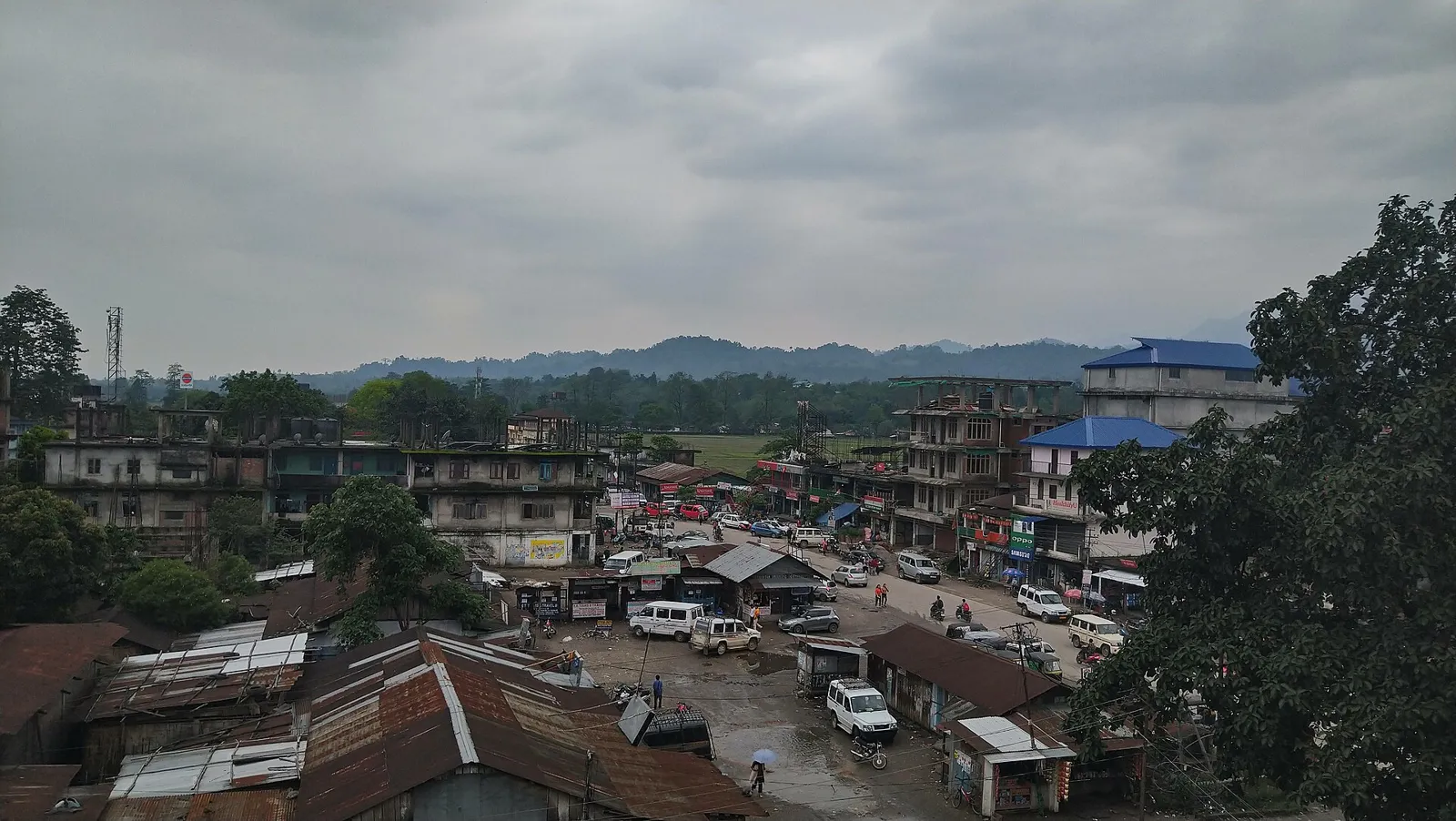
Pasighat, the administrative centre of East Siang district, is known as Arunachal Pradesh’s oldest town. Visitors come for its Himalayan foothill setting and historic status.

Famous for

  • Adi heritage and traditions
  • Solung festival
  • Ponung dance
  • Siang River
  • Adi handloom and crafts
In the city
1
District
East Siang

Why Pasighat matters

Pasighat is the headquarters of East Siang district and an important service and transport centre in eastern Arunachal Pradesh. Set where the Siang River leaves its mountain valley and enters the plains, the town is a gateway to the river country and Adi communities of the region. Its lowland setting, green foothills and proximity to the broad Siang make it a rewarding stop for travellers seeking landscapes and local culture beyond the state’s better-known western destinations.

Known as Arunachal Pradesh’s oldest town, Pasighat combines a busy market and educational institutions with villages and farms around its edges. Visitors come for views of the Siang, opportunities to learn about Adi customs, and seasonal festivals such as Solung. Agriculture and horticulture remain important locally, while tea gardens and river scenery shape the wider area. The town is also home to Pasighat Airport, an Indian Air Force Advance Landing Ground, and institutions including Arunachal Pradesh University and the College of Horticulture and Forestry. It was included in the Smart Cities Mission in 2017.

Famous for: crafts, trade & products

Pasighat is not chiefly a large-scale textile or manufacturing centre; its local identity is more closely tied to Adi culture, agriculture and the Siang valley. Adi handloom traditions include distinctive woven garments and cloth, while cane and bamboo are used in everyday objects and handicrafts. These are best sought through local markets and community or cultural events, where visitors can ask about the makers and the uses of particular designs. Availability varies, and not every item is produced for regular retail sale.

Rice is a staple crop, and horticulture is another part of the local economy. Tea gardens in the surrounding area contribute to regional trade and employment. The town’s market is a practical place to see everyday commerce and look for local produce, textiles and household crafts; it is not a specialist craft bazaar. No particular GI-tagged product or signature city-made sweet is especially associated with the town. Pasighat is also known for its educational institutions, including the College of Horticulture and Forestry and Arunachal Pradesh University, which reflect its role as a regional centre for learning and agricultural study.

History

The Adi knew the area as Paklek or Paglek before British contact; local accounts connect the present name with the Pasi, an Adi community among the early foothill settlers. Oral histories also recall Dibu-Marang clans living in the area before the arrival of Adi groups. The British formally founded Pasighat in 1911 as an administrative gateway to the Abor Hills. After conflict in the region, an Assistant Political Officer was posted here in 1912, and Pasighat became the seat of the Abor subdivision.

The town developed gradually as an administrative and trading centre. Flooding washed away the earlier market near the Siang, and a replacement was established in 1955. Road building began in the 1960s; the first college in Arunachal Pradesh opened here in 1964, and the state’s first All India Radio station followed in 1966. Pasighat’s airport dates to the post-war period. Although the town was considered as a possible state capital, Itanagar became the capital in 1974. Later institutions and the Smart Cities Mission designation have continued its civic development.

Food, festivals & culture

Adi life and traditions are central to Pasighat’s cultural character. Solung, the principal Adi festival, is usually celebrated in September and brings together ritual observances, community gatherings and dance. Aran and Etor are also important festivals; their timing and customs can differ between communities. Ponung is a well-known ceremonial dance, performed in a line with song, while Taapu is a traditional war dance. Festival activities are community occasions, so visitors should be respectful and follow local guidance before photographing or joining in.

Rice is the staple of local meals, often served with fish or meat, leafy vegetables and ingredients such as bamboo shoot. Food varies between households and communities, and Pasighat is better approached as a place to sample regional cooking than as a destination for one defining sweet or dish. Adi is widely spoken, alongside Nepali, Bengali, Bhojpuri, Hindi and Assamese. Donyi-Polo traditions remain significant, and visitors will also find Christian churches and places of worship serving the town’s diverse residents.

Visiting the city

October to April is generally the most comfortable period to visit, with clearer, drier weather than the very wet monsoon season, which typically runs from June to September. The Siang and surrounding hills are scenic throughout the year, but heavy rain can affect travel plans in the wet months.

Pasighat Airport is the town’s local airfield and an Indian Air Force Advance Landing Ground; check current civilian flight availability before planning around it. Dibrugarh Airport in Assam is another gateway used for the region. Pasighat Railway Station is the main station in town. National Highway 515 connects Pasighat with the wider road network, and buses and local vehicles serve journeys in and around town. Explore the central market for everyday commerce, the Siang-side landscape for river views, and nearby Adi villages for cultural context. Arrange village visits with local guidance and permission.

Attractions

Places to visit in Pasighat

Sights within about 12 km of each other, even when they fall in different districts.

Map

Pasighat on the map

  1. 1Pasighat

Arunachal Pradesh

Other cities to explore