
Bhalukpong
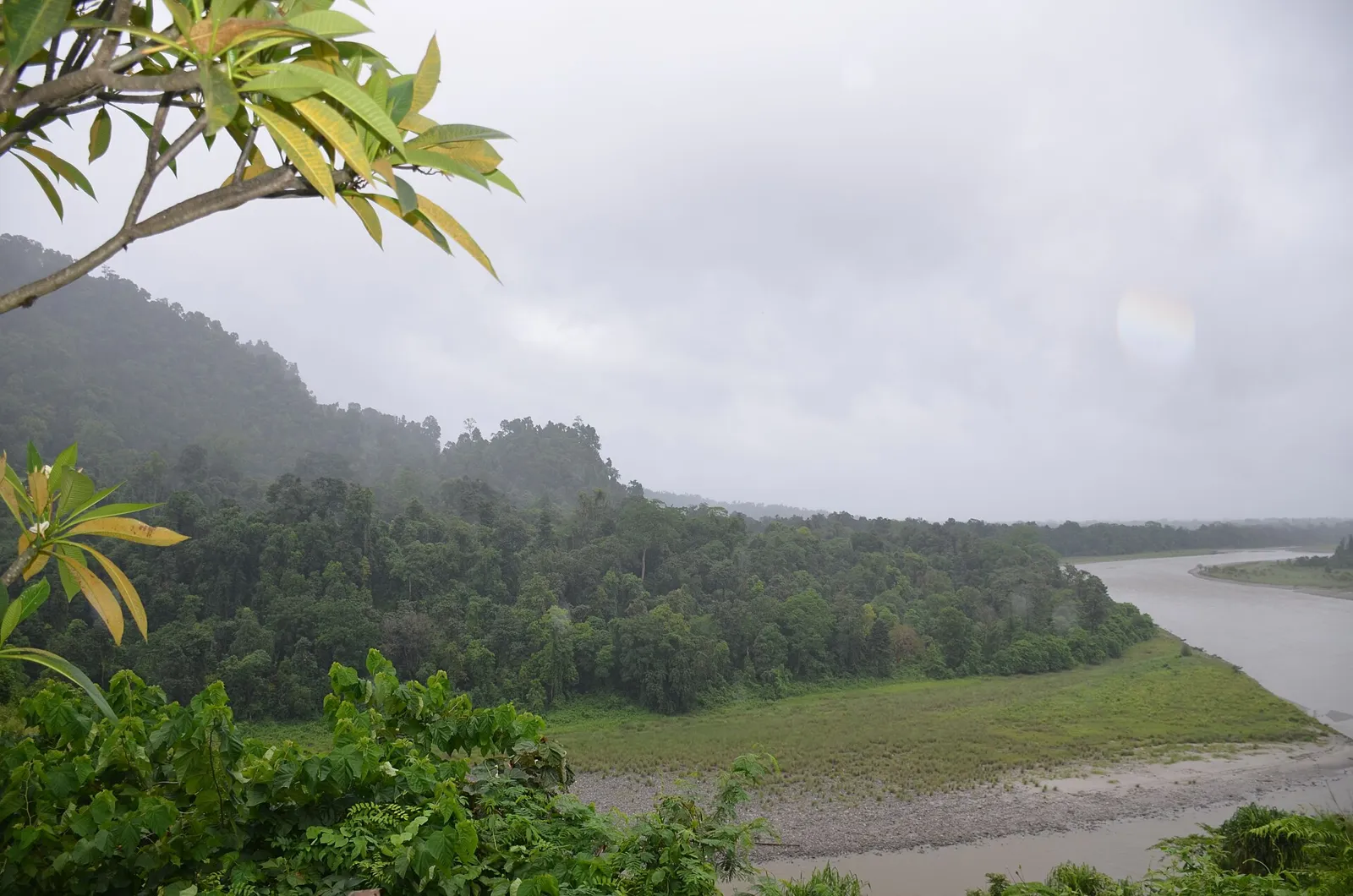
Bhalukpong is a town in Arunachal Pradesh, set beside the Kameng River. Visitors come for angling and rafting, and to explore Pakhui Game Sanctuary and the Tipi Orchidarium.
Key facts · verified by Ghumoopedia editors
- Type of place
- Natural attraction
- Best time to visit
- October to April for most areas; March–June and September–November for high-altitude passes
- Nearest railway station
- Bhalukpong · about 5 km (straight line)
- Nearest airport
- Tezpur Airport (Salonibari) · about 35 km (straight line)
- Verified
- 21 Nov 2026
Plan a trip from Bhalukpong — a day-by-day route through places nearby.
Bhalukpong lies in West Kameng district, Arunachal Pradesh, beside the Kameng River at 213 metres above sea level. It is the administrative centre of Bhalukpong Circle and stands on the southern side of the Himalayas. Bomdila is 100 km away, Tezpur 52 km, and Tipi 5 km. The road to Bomdila runs by the Tipi Orchidarium, while an Inner Line check post is based in Bhalukpong. The town’s railway station connects with the Rangiya–Murkongselek rail line at Balipara. It has three platforms, and one pair of trains serves the station daily. Aka chiefs governed the area, though Bhutan and Assam sometimes exercised political influence. Ahom rulers generally left local tribal communities alone, apart from retaliatory raids into their territory. In 1873, the British restricted access to the surrounding area. Angling and river rafting are principal activities for visitors. Nearby attractions include Pakhui Game Sanctuary and Tipi Orchidarium, where more than 2,600 cultivated orchids from 80 species are grown. Aka people live in Bhalukpong. Their Nyethidow festival takes place each January in Bhalukpong and Thrizino. Arunachal is home to more than two dozen major tribal communities, including Monpa, Apatani, Adi, Nyishi, Mishmi and Tai Khamti, each with distinct customs. Altitude changes the weather quickly: foothill towns are warm and humid, while Tawang, Sela and Mechuka can see snow and sub-zero nights in winter. The June–September monsoon frequently causes landslides and road closures. The usual best time to visit is October to April for most areas; March–June and September–November for high-altitude passes. Days are short in Northeast India: the sun can set before 5 pm in winter, so plan to reach and leave Bhalukpong in daylight. Timings, fees and access arrangements must be confirmed locally. For official information, see Arunachal Pradesh Tourism at https://arunachaltourism.com.
Why it matters
Bhalukpong is a foothill town in West Kameng district, valued as a Kameng River destination and as a road gateway into Arunachal Pradesh from Assam. Its setting links river-based recreation with nearby forest and orchid attractions: angling and rafting are among the activities associated with the area, while the Tipi Orchidarium and Pakke protected landscape are nearby draws. The town also has practical regional importance as the headquarters of Bhalukpong circle and the location of an Inner Line Permit check post. Public sources describe the area’s history and attractions, but no UNESCO World Heritage or Archaeological Survey of India protected-site designation for Bhalukpong itself is established here.
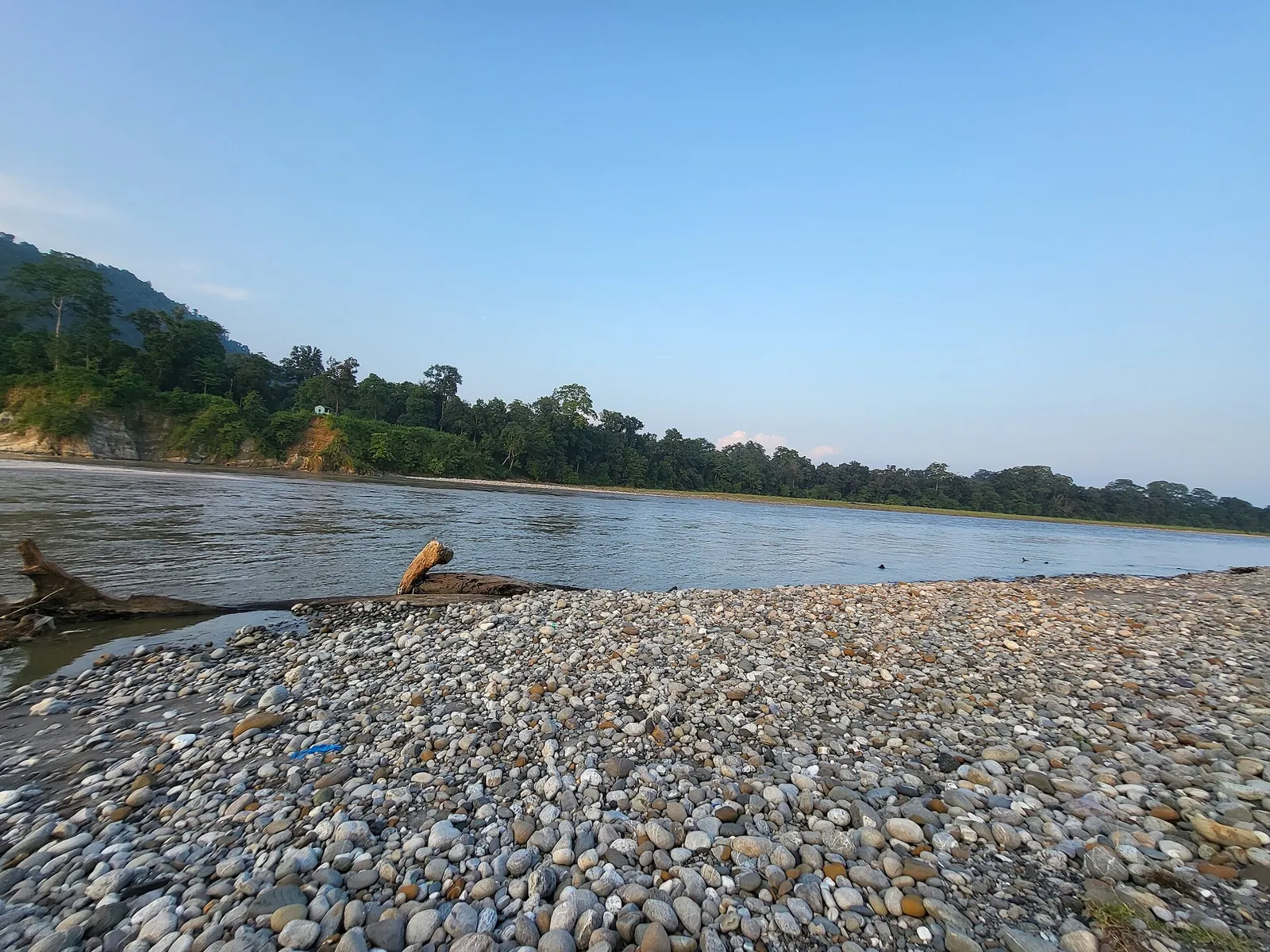
Bhalukpong lies in a region historically inhabited by Aka communities and governed by local Aka rulers. Accounts of the area describe periods of political influence from Bhutan and Assam, while noting that Ahom rulers generally did not administer local tribal life directly; retaliatory raids into tribal territory occurred at times. In 1873, the British declared the area around Bhalukpong off-limits, reflecting a wider colonial policy of restricting access to frontier regions. The town’s position beside the Kameng River and on routes connecting Assam with the West Kameng hills later made it a transport and administrative point. It is now the headquarters of Bhalukpong circle and has an Inner Line Permit check post. A railway station serves the town and connects with the Rangiya–Murkongselek rail line at Balipara. Tourism has also grown around river activities, the nearby Tipi Orchidarium and access to the Pakke forest landscape. The available public accounts do not identify a specific founder, construction date for the town, or a documented restoration project; claims about those details should be checked with local authorities or historical sources.
Origin stories & folklore
The town is more securely associated in written sources with Aka history, the Kameng River and its position on a route between the plains and the hills. Oral histories may offer local explanations of place names, rivers or landmarks, but these can differ between families and communities and may not be intended for general retelling. Visitors interested in such accounts should ask a local host or community representative whether a story is appropriate to share, and should treat it as oral tradition rather than verified historical fact. Avoid presenting unconfirmed explanations as settled history.
Use Bhalukpong as a base to understand local life: walk through the market area, visit community-run attractions and ask your host about nearby viewpoints and short excursions. Always ask before photographing people, homes or ceremonies. A comfortable itinerary is one main visit in the morning, a local meal at midday and a short nearby stop before an afternoon return. Use the district list on this site to find other places in West Kameng, but check the actual road route and its condition before combining stops. If a festival is on, local roads and stays can be busy — and the experience can be unforgettable. Leave no litter: many sites in Arunachal Pradesh are protected by the communities who own them.
Suggested itineraries
Half day: Walk through the market area (about 45–60 minutes), visit Tipi Orchidarium (about 1–2 hours), then return for a riverside viewpoint or local meal (about 1 hour). Full day: Start with a morning visit to Tipi Orchidarium (about 2 hours), have lunch in town, then take a locally arranged short excursion or suitable Kameng riverside stop (about 2–3 hours); return before dusk. Gentler option: Keep to the town centre, take a short vehicle ride to an accessible viewpoint confirmed locally, and allow extra time for rest and meals.
Aka culture is part of the living identity of Bhalukpong and surrounding settlements. Community life includes local languages, customary knowledge and social practices that vary between families and villages. The Aka festival Nyethidow is associated with Bhalukpong and Thrizino, with celebrations generally reported in January. Music, dance, dress and ceremonial practices may be part of community events, but their form and public accessibility can vary. Visitors should follow hosts’ guidance, seek permission before photographing people or performances, and avoid treating everyday customs as staged attractions. Arunachal Pradesh is culturally diverse, so traditions found elsewhere in the state should not automatically be attributed to Bhalukpong.
Local communities
Bhalukpong is inhabited by members of the Aka community, whose presence and history are closely connected with West Kameng. People in the town and surrounding area earn livelihoods through a mix of trade, transport, public service, farming and tourism-related work; individual circumstances differ. The town also serves travellers and residents moving between Assam and the hill districts. Other communities live across the wider region, but this should not obscure the Aka connection to Bhalukpong. Visitors can support local businesses by buying goods or arranging services locally, while asking before entering private land or photographing homes and community activities.
Festivals & events
Nyethidow, an Aka tribal festival, is celebrated in January at Bhalukpong and Thrizino according to local descriptions. The programme, venue and public access may vary from year to year, so ask locally before making plans. Community festivals can bring additional visitors and increase demand for transport and accommodation; roads and local stays may be busier than usual. Attend only where visitors are welcome, follow organisers’ directions and ask before photographing ceremonies, performers or participants. Other events may take place in West Kameng, but dates and arrangements should be confirmed with local hosts or tourism offices rather than assumed.
Local food in Arunachal Pradesh includes thukpa, momos, bamboo-shoot preparations, smoked meat, local greens and pika pila pickle; Monpa areas serve butter tea and zan, while rice beer (apong) is part of many community festivals. Ask what is fresh that day; many small eateries cook a limited daily menu. Pork, beef, fish and fermented ingredients are common in tribal cuisines, so vegetarian travellers should explain their needs clearly — rice, dal, vegetables and eggs are usually possible in towns. Remote sites may have no restaurant at all. Carry water and snacks, eat a proper breakfast before long drives, and ask your accommodation for a packed lunch if you are heading out early. Try a homestay-cooked meal when you can — it is often the best food in the hills. Choose busy, clean places and carry your packaging back to town.
Shopping & local experiences
The market area is the most practical place to look for everyday goods, snacks and locally prepared food. Small shops may stock regional produce or handmade items, but selection varies and not every product is made locally. Ask vendors about the origin of crafts and buy directly from makers when possible. Do not purchase wildlife products, plants or items that may be restricted or collected from forests. A meal at a local establishment can be a useful way to experience regional food; ask about ingredients and availability rather than expecting a fixed menu. Carry reusable bags and avoid single-use litter.
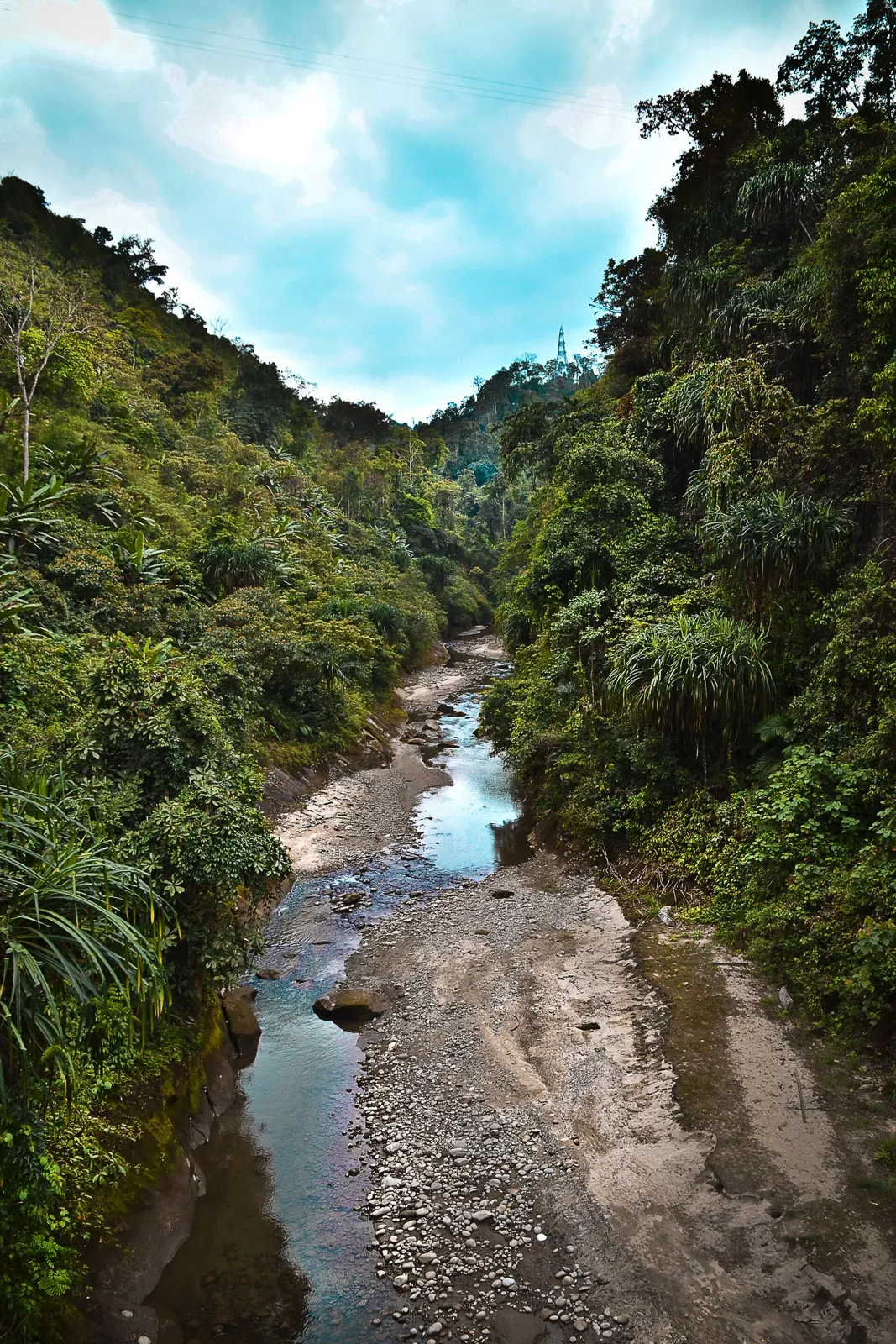
Bhalukpong sits in the southern Himalayan foothills beside the Kameng River, where riverine terrain meets forested slopes. The river is central to the area’s scenery and supports activities such as angling and rafting when conditions and local arrangements permit. Forest habitats around the wider region include the Pakke protected landscape, known for rich biodiversity; wildlife presence does not mean animals will be visible during a visit. The nearby Tipi Orchidarium displays cultivated orchids, with the existing guide reporting more than 2,600 plants from 80 species. The foothills can be warm and humid, while rainfall and river levels change seasonally. Monsoon downpours may affect roads and outdoor plans, so check conditions before travelling.
October to April for most areas; March–June and September–November for high-altitude passes
The nearest principal railway station by straight-line distance is Bhalukpong, roughly 5 km away. The nearest operating airport by straight-line distance is Tezpur Airport (Salonibari), roughly 35 km away. These figures are calculated from map coordinates — hill roads in Arunachal Pradesh wind a lot, so actual road distance and travel time are usually much longer. Guwahati is the main rail and air hub for the region, and most long-distance journeys connect through it. For the final leg, Arunachal Pradesh State Transport Services (APSTS) and shared Tata Sumo taxis link district towns; shared taxis usually leave early in the morning and depart only when full. A private taxi gives more flexibility for remote sites. When comparing train, bus and flight, count the complete door-to-door time: a flight saves the most time only if the onward road transfer is short, while an overnight train to Guwahati plus a road journey can save a hotel night. Book your return before you leave, because seats on shared vehicles and the few daily flights fill quickly. Current train numbers, timings, return services and fares are not listed here; check IRCTC and NTES for trains and the airline’s own schedule for flights. Indian visitors who are not residents of Arunachal Pradesh need an Inner Line Permit (ILP), available online through the state’s official e-ILP portal. Foreign nationals need a Protected Area Permit. Some border areas, such as passes near the international boundary, may also need additional army or district permissions on the day.
Confirm onward and return timings on IRCTC / NTES, the state bus operator or your airline before travel. A dash means current timings or fares have not been verified.
Getting around
Bhalukpong’s market area and central streets can be explored on foot, though walking conditions vary and traffic may be busy. Taxis and shared vehicles are commonly used for journeys between towns and nearby attractions; availability and departure arrangements should be checked locally. Ask a host or driver about reaching Tipi or approved river access points, as not every riverside track is suitable for visitors. Local bus services may be limited or irregular. Parking is generally a matter of finding an appropriate space near the destination, rather than relying on dedicated visitor facilities. Do not enter the river or arrange rafting without checking current conditions and using a reputable local operator.
Hours, tickets & permissions
There is no single entry arrangement covering the town, river activities, orchidarium and nearby protected areas. Some attractions may have their own admission rules, fees or visitor limits; confirm current hours and fees with the managing authority before setting out. Indian visitors generally need an Arunachal Pradesh Inner Line Permit, while foreign visitors may be subject to separate permit requirements. Carry valid identification and follow instructions at the check post. Forest areas and community-managed sites may have additional access, guide or photography rules. Do not assume that a public road guarantees entry to nearby land or facilities.
Facilities
Bhalukpong is a small town with basic services and places to eat, though choices may be limited compared with larger towns. Toilets, drinking water, parking and visitor information are not guaranteed at every riverside or forest stop; check locally before leaving town. The Tipi Orchidarium and protected-area destinations may have facilities that vary with season and management arrangements. Guides or activity operators may be available through local contacts, but confirm their credentials and safety provisions. ATMs and reliable card services should not be assumed, so plan cash and essentials in advance. Carry drinking water and take all rubbish back with you.
Accessibility
The town has road access, but visitor conditions beyond the main streets can be uneven. Riverbanks, forest paths and outdoor attraction grounds may include rough surfaces, slopes, mud or steps, and shade can be limited in exposed places. Wheelchair and stroller access is not assured; contact the relevant site before travelling to ask about the route and facilities. Older visitors or anyone with limited mobility may find a vehicle-assisted visit and a short, level stop more manageable than a full day of walking. Avoid wet river edges, and allow time for rest, especially in humid weather.
Indian visitors who are not residents of Arunachal Pradesh need an Inner Line Permit (ILP), available online through the state’s official e-ILP portal. Foreign nationals need a Protected Area Permit. Some border areas, such as passes near the international boundary, may also need additional army or district permissions on the day. Carry a printed and digital copy of your permit and a photo ID at all times; checkpoints are common. Save the emergency number 112 and your accommodation’s contact offline. Altitude sickness is possible above about 2,500 m: ascend gradually, rest on arrival, drink water and turn back if you develop a severe headache, breathlessness or confusion. Respect community rules, private property and posted instructions. Avoid hill road travel after dark and during heavy rain, when landslides are more likely. Check official advisories for the region before travel, and follow local guidance if access changes.
Photography
Soft morning or late-afternoon light can suit river and foothill views, but weather and access affect the best vantage points. Photography is generally appropriate in public areas, subject to local signs and any rules at managed attractions or protected sites. Ask permission before photographing residents, homes, children, ceremonies or performances; some community settings may be private. Do not use a drone without confirming current aviation, permit and local restrictions, which may apply near borders, forests or security posts. Keep away from unstable riverbanks and do not disturb wildlife for a photograph.
Choose a stay by the full journey to Bhalukpong, not just the district name. Main towns in West Kameng usually offer hotels, state tourism lodges and homestays with better transport, meals and medical access, while village homestays offer a closer connection to local life. At altitude, check heating, hot water and power backup, and expect cold nights for much of the year. Book in advance for weekends, festival dates and the peak season (October to April for most areas; March–June and September–November for high-altitude passes). Confirm the exact location, meals included, check-in time and cancellation terms in writing. Many homestays accept payment on arrival; avoid sending money to unverified contacts. Mobile network and digital payments can be unreliable in remote areas, so carry some cash.
Tipi Orchidarium is a nearby attraction known for its cultivated orchid collection. The Pakke protected landscape, also referred to in older descriptions as Pakhui, offers a forest setting; access and activities should be confirmed with the managing authority. Bomdila and Dirang are other West Kameng destinations that travellers may consider as part of a longer route, rather than assuming they can be combined in a short outing. Road conditions and travel times can change, especially during the monsoon. Check the actual route and current access arrangements before planning multiple stops.
For couples, Bhalukpong rewards a slow pace: arrive early for soft light and fewer crowds, share a local meal and keep the evening free. Public displays of affection can be frowned upon in conservative communities and at religious sites, so be discreet. A homestay can make the trip memorable — confirm privacy, hot water and transport back. Keep a buffer day in your itinerary, because weather and road closures can delay plans in Arunachal Pradesh.
Q: How much time should I allow for Bhalukpong? A: A half day can cover the town and one nearby visit; allow a full day for a relaxed outing with time for meals and road conditions. Q: When is a good season to visit? A: October to April is generally a useful period for travel in much of Arunachal Pradesh. Monsoon rain can bring landslides and road disruption, so check conditions. Q: Is a permit needed to visit? A: Indian visitors generally need an Arunachal Pradesh Inner Line Permit. Foreign visitors may have separate requirements; confirm current rules before travel. Q: Is Bhalukpong suitable for children or older visitors? A: The town can suit a gentle visit, but riverbanks and outdoor paths may be uneven. Choose short stops and supervise children near water. Q: Can I stay overnight nearby? A: Accommodation may be available in Bhalukpong and nearby towns, but options and availability vary. Check locally and book ahead during festivals or busy travel periods.
Be the first to share photos, stories, advice or a helpful contact for Bhalukpong.
Loading…