
Ghumoopedia — Explore, Discover, Experience
Sign in

Harvest · Assam

Bihu (Rongali)

Assam

Dates

Last verified 17 November 2026. Confirmed: announced by organisers or government. Provisional: from a published almanac, not yet announced. Seasonal: no date announced.

Significance

Rongali or Bohag Bihu marks the Assamese new year and the sowing season: Goru Bihu for cattle, Manuh Bihu for people, then days of Bihu dance, dhol and husori singing.

Ghumoopedia editorial summary.

Visitor guidance

  • Community Bihu stages run for about a week after the main days.
  • Majuli and rural Upper Assam offer quieter, village-scale celebrations.

The complete guide

Bihu (Rongali): everything to know before you go

Origins & legends

Rongali Bihu, also called Bohag Bihu, is rooted in the seasonal life of Assam’s agrarian communities. It welcomes Bohag, the first month of the Assamese calendar, and the springtime transition toward a new cycle of cultivation. Its arrival is associated with the Assamese new year and the preparation of fields for sowing, rather than with a single harvest alone. The Bihu season reflects an intimate relationship with land, livestock, weather and the rhythms of rural work. Its songs and dances also express courtship, affection, renewal and hopes for abundance.

There is no single, universally accepted founding legend or precise origin date for the festival. Its customs grew over generations among communities of the Brahmaputra Valley, shaped by local agricultural practices and the many cultural traditions of Assam. Oral songs, seasonal observances and shared village celebrations helped carry Bihu forward long before the large public stages familiar today. The name Bihu is used for three major seasonal festivals: Rongali in spring, Kongali in autumn and Bhogali in midwinter, each with a different mood and relationship to farming.

Rongali’s household and village customs remain central, while public performances have expanded its reach. In towns, organised Bihu committees now bring dancers, musicians and audiences together on community stages, sometimes for several evenings after the main observances. This development has made Bihu more visible to visitors, but it has not replaced the home visits, seasonal songs and community ties that give the festival its meaning.

What happens: rituals & highlights

Rongali Bihu traditionally begins around the transition from the last day of the old Assamese year to the first day of Bohag. The observance commonly opens with Goru Bihu, when cattle are taken to water, washed and cared for. People may use traditional pastes or herbs while bathing them, offer food, and give the animals fresh ropes. These acts recognise cattle’s importance to farming and household life. Customs vary between families and villages, so visitors may see different local practices rather than one fixed ceremony.

Manuh Bihu follows, turning attention to people and the new year. Families bathe, put on clean or new clothes, offer greetings and visit relatives or neighbours. A gamusa may be presented as a gesture of respect and affection. In some homes people seek blessings from elders; hospitality and the exchange of food help mark the renewal of relationships. The next days bring visits, singing and dancing, with the dhol drum and pepa, a wind instrument often made from buffalo horn, among the sounds associated with Bihu performances.

A visitor should look for Bihu dance, energetic group rhythms, call-and-response Bihu geet and husori, the practice of groups going from home to home to sing and offer good wishes. Public stages present polished performances, while village gatherings can feel more informal and participatory. The most rewarding highlights are often the changing rhythms between dance and song, the musicians’ interplay, and the welcome given to performers. Programs differ by locality and committee, and not every community follows an identical sequence.

Where it is celebrated

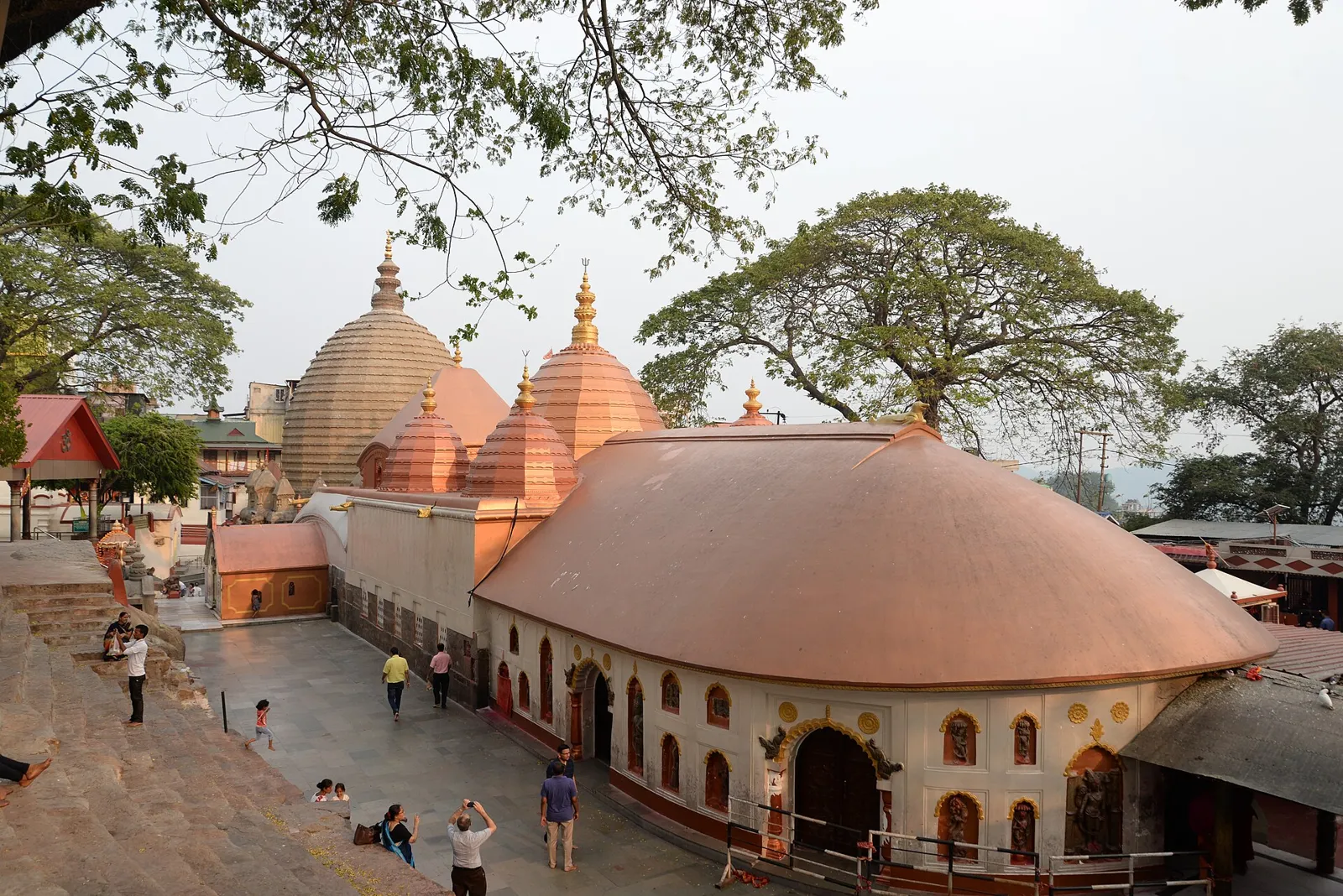
Bihu is celebrated across Assam, from family courtyards and village greens to neighbourhood grounds and organised stages in larger towns. Guwahati offers many public performances and is a convenient base for travellers, with a broad choice of accommodation and onward connections. Its celebrations are often stage-centred and draw audiences from across the city. The Kamakhya Temple is an important nearby cultural and pilgrimage site, but it should not be treated as the central venue for Rongali Bihu; Bihu events are organised separately by local communities and committees.

In Upper Assam, towns such as Jorhat and Sivasagar provide access to both public events and nearby rural celebrations. Larger town stages can feature scheduled programs and substantial crowds, while village gatherings are generally smaller and more closely tied to neighbourhood life. Majuli, the river island district, offers a quieter setting in many places, where visitors may encounter celebrations in villages and community spaces. The experience depends on the locality and the event being held, rather than on a single island-wide program.

Rural Upper Assam is a good choice for a less formal view of the season, but visitors should make arrangements locally and avoid assuming that every village has an event open to outsiders. In any destination, public stages and household observances are different settings: the former are designed for audiences, while the latter are expressions of community and family life. Choose a base according to whether you prefer urban convenience, a town program or a quieter rural visit.

When it falls

Rongali Bihu falls in Bohag, the first month of the Assamese calendar, as the old year gives way to the new. Its timing follows the Assamese solar calendar and is linked to the sun’s seasonal passage and the traditional observance around the spring equinox period and mid-April. It is not set by a simple lunar date, so the corresponding date on the Gregorian calendar can vary slightly from year to year. No single date should be assumed without checking a reliable local calendar for the year of travel.

The festival’s main observances are concentrated around the year’s transition, beginning with Goru Bihu and followed by Manuh Bihu. Dance, song and community programs may continue for several days, and organised Bihu stages commonly run for about a week after the main days, though schedules differ by town and committee. The season coincides with spring and the start of sowing activity, which gives the festival its renewal and agricultural associations. Travellers should check local announcements closer to their visit for event dates and program details.

Experiencing it as a visitor

For an accessible introduction, choose a public Bihu stage in Guwahati or another large town, where performances are usually arranged for spectators. Ask your accommodation or a local visitor information source which community program is active; there is no single official stage representing every celebration. Arrive well before the performance you most want to see, since popular events can become crowded and the best viewing areas fill early. If possible, stand to one side of the main audience flow rather than blocking entrances, aisles or the musicians’ space.

A simple day plan is to explore a town or nearby cultural site in daylight, return to rest and eat, then go to an evening performance with a local contact or a clearly identified route back. For Majuli or rural Upper Assam, allow extra flexibility for road and river connections and arrange village visits in advance. Seek permission before entering private courtyards or approaching performers at close range. At public events, follow any local guidance about photography and avoid using flash when it could distract dancers or musicians. Ask before making portraits, especially of children.

Stay for more than one performance if your schedule allows: different groups bring different tempos, songs and styles, and a quieter gathering may reveal a more intimate side of the season. Be patient if a program starts later than expected or changes order. Keep a meeting point in mind if travelling with companions, carry water and a light layer for the evening, and leave room for local recommendations rather than treating the celebration as a fixed tourist show.

Food, dress & crafts of the festival

Festival hospitality commonly includes Assamese sweets and snacks such as pitha and laru, with recipes and ingredients varying by household. Pitha may be made from rice and prepared in different forms, while laru are sweet balls often made with ingredients such as coconut, sesame or jaggery. Jolpan, a traditional light meal or snack based on rice preparations and served with accompaniments, may also be offered. Meals differ across communities and homes; accept food graciously if invited, and ask about ingredients if you have dietary needs.

The gamusa, a woven cotton cloth often bearing distinctive borders, is an important emblem of Assamese identity and may be worn or given as a respectful gift during the season. Women’s festive dress may include mekhela chador, while men may wear a dhoti or other traditional clothing with a gamusa; everyday and contemporary dress is also common. Bihu performers often wear colourful versions of Assamese attire suited to dance. Handloom textiles and locally made items are available in some markets, but craft traditions and designs vary, so ask sellers about the maker and origin rather than assuming every item is handmade locally.

Stay, transport & crowds

Guwahati is a practical base for visitors seeking public performances, accommodation choices and onward travel around Assam. Jorhat can suit travellers aiming to explore Upper Assam or continue toward Majuli, while a stay on or near Majuli offers a quieter setting but needs more advance coordination. Book accommodation ahead during the festival period, particularly if you want to stay near a popular town stage or have limited flexibility. Confirm your reservation directly and ask your host about the location of current events and safe transport back after performances.

Local travel may involve a mix of taxis, hired vehicles and other locally available transport; arrangements and availability vary by place and time. For Majuli, river crossings are part of the journey, and connections can be affected by weather, river conditions and local operations. Check current arrangements with a reliable local source and leave a generous buffer rather than planning a tight connection. Do not rely on an assumed timetable or expect rural transport to run late after an event.

Large community programs can bring traffic, busy approaches and dense audiences. Follow directions from organisers, avoid stopping vehicles in restricted or crowded areas, and agree on a meeting point in case your group is separated. Carry essentials such as drinking water, any medication you need and a charged phone. Keep plans flexible: smaller village celebrations may require an invitation or local introduction, and a host’s guidance is the best way to understand what is appropriate.

Etiquette & responsible travel

Treat Bihu as a living community celebration, not simply a performance staged for visitors. Dress comfortably and respectfully, and follow local guidance if you are invited into a home or village gathering. Accept hospitality with thanks, but do not assume that private household rituals are open to spectators. Ask before joining a dance, entering a courtyard or handling ceremonial objects; a friendly invitation is the clearest signal that participation is welcome.

Seek consent before photographing people, particularly children, and ask performers before taking close-up portraits. Avoid flash or blocking the view of others during a performance. Keep away from musicians’ equipment and any areas reserved for dancers or organisers. Use bins where available, carry out your rubbish and avoid disposable items where practical. Respect livestock and never approach or feed cattle without the owner’s permission. A little patience, courtesy and attention to local instructions help ensure that the celebration remains welcoming for residents as well as visitors.

Frequently asked questions

Where is the best place to watch Rongali Bihu?

For an easy first visit, look for a community stage in Guwahati or another large town. Majuli and rural Upper Assam can offer a quieter, village-scale experience, but local events vary and may need an introduction. Ask your host which celebration is active during your stay.

How many days should I plan for Bihu?

Allow at least two or three days if you want to experience a performance as well as explore the area. The main observances are followed by community programs that may continue for about a week, but schedules differ. Add extra time for a rural or Majuli visit.

Is Rongali Bihu suitable for families and elderly visitors?

Yes, but large stages can be crowded and involve standing, noise and late evenings. Families and older visitors may prefer arriving early, choosing seating or an easy exit where available, and checking the venue with a local host. A smaller daytime or village gathering may feel less intense.

How should I book accommodation for the festival?

Reserve ahead, especially in Guwahati, Jorhat or near a popular event, and confirm your booking and location directly with the property. If visiting Majuli or a village, arrange your stay and local transport in advance. Ask hosts about current events rather than relying on old schedules.

What should I wear to a Bihu celebration?

Wear comfortable, respectful clothing suited to warm spring weather and an evening outdoors. Traditional Assamese attire is welcome but not required; a gamusa is a meaningful local textile, though it should not be treated as a costume. Choose practical footwear for walking and standing.

Nearby

Places to see around the festival