
District · Assam
Kamrup
Kamrup offers a view of western Assam beyond the Guwahati urban area: the Brahmaputra floodplain, low hills, pilgrimage places and living craft traditions are all within the district.
Kamrup district lies in western Assam, where the Brahmaputra valley meets low hills, wetlands and forested foothills. The river and its floodplain shape settlement and travel, while rural communities, market towns and places of worship give the district a varied character. The region has a long history: ancient Kamarupa was an important kingdom, and sites such as Madan Kamdev preserve evidence of earlier periods. Hajo is known as a historic pilgrimage town, while Chandubi Lake offers a quieter setting amid the hills. Sualkuchi is closely associated with Assam’s silk-weaving tradition. Kamrup is distinct from neighbouring Kamrup Metropolitan district, which includes Guwahati; many visitors nevertheless use Guwahati as their transport hub.
Kamrup offers a view of western Assam beyond the Guwahati urban area: the Brahmaputra floodplain, low hills, pilgrimage places and living craft traditions are all within the district. It is best known for Hajo, a historic town with important Hindu, Buddhist and Muslim associations; Sualkuchi, closely linked with Assam’s silk weaving; and the archaeological remains at Madan Kamdev. Chandubi Lake provides a quieter landscape of water and wooded hills. Kamrup also belongs to the wider historical region of Kamarupa. Visitors often travel through Guwahati, which is in the separate Kamrup Metropolitan district, and choose destinations according to their interests and available travel time.
The district forms part of the historic region of Kamarupa, an important kingdom in early Assam. The kingdom is associated with several ruling lines, including the Varman, Salastambha and Pala dynasties, whose periods of power extended across the first and second millennia. The archaeological remains at Madan Kamdev, generally associated with the medieval period, testify to temple building and religious life in the region. Hajo developed as a centre of pilgrimage, with sites reflecting Hindu, Buddhist and Muslim traditions. In the colonial period, Assam came under British rule following the Treaty of Yandabo in 1826, and administrative boundaries were reorganised over time. After independence, further changes reshaped the districts around Guwahati. Guwahati is now part of Kamrup Metropolitan district, distinct from present-day Kamrup. The name Kamrup preserves the older regional identity, but the current district is an administrative unit with boundaries different from those of ancient Kamarupa.
4 destination guides
Chandubi Lake
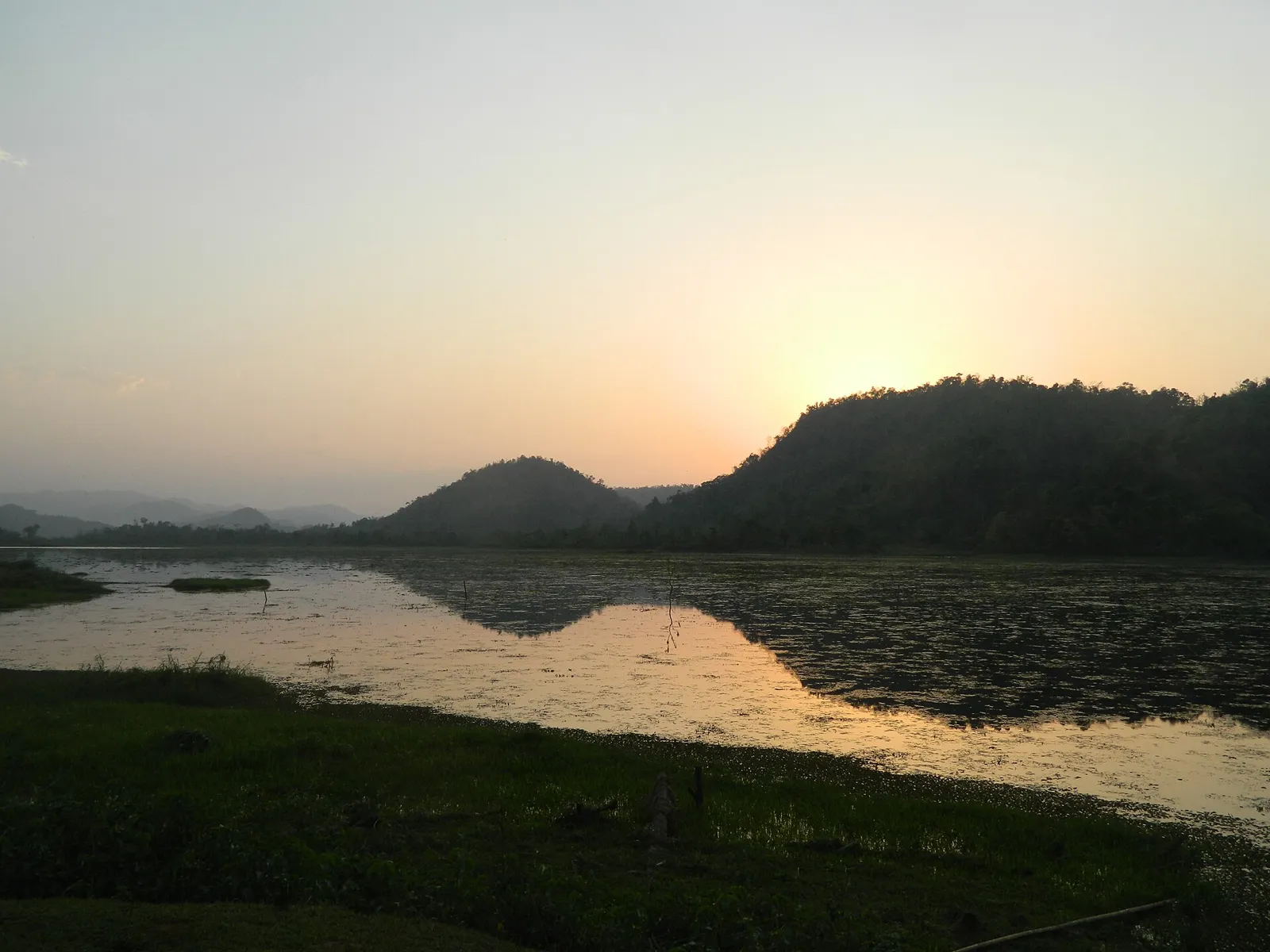
Within Kamrup district’s Rabha Hasong Autonomous Council, Chandubi Lake is a natural lake near the Garo Hills. Visitors come for its forest setting, winter birdlife, sightseeing and picnics.
Hajo
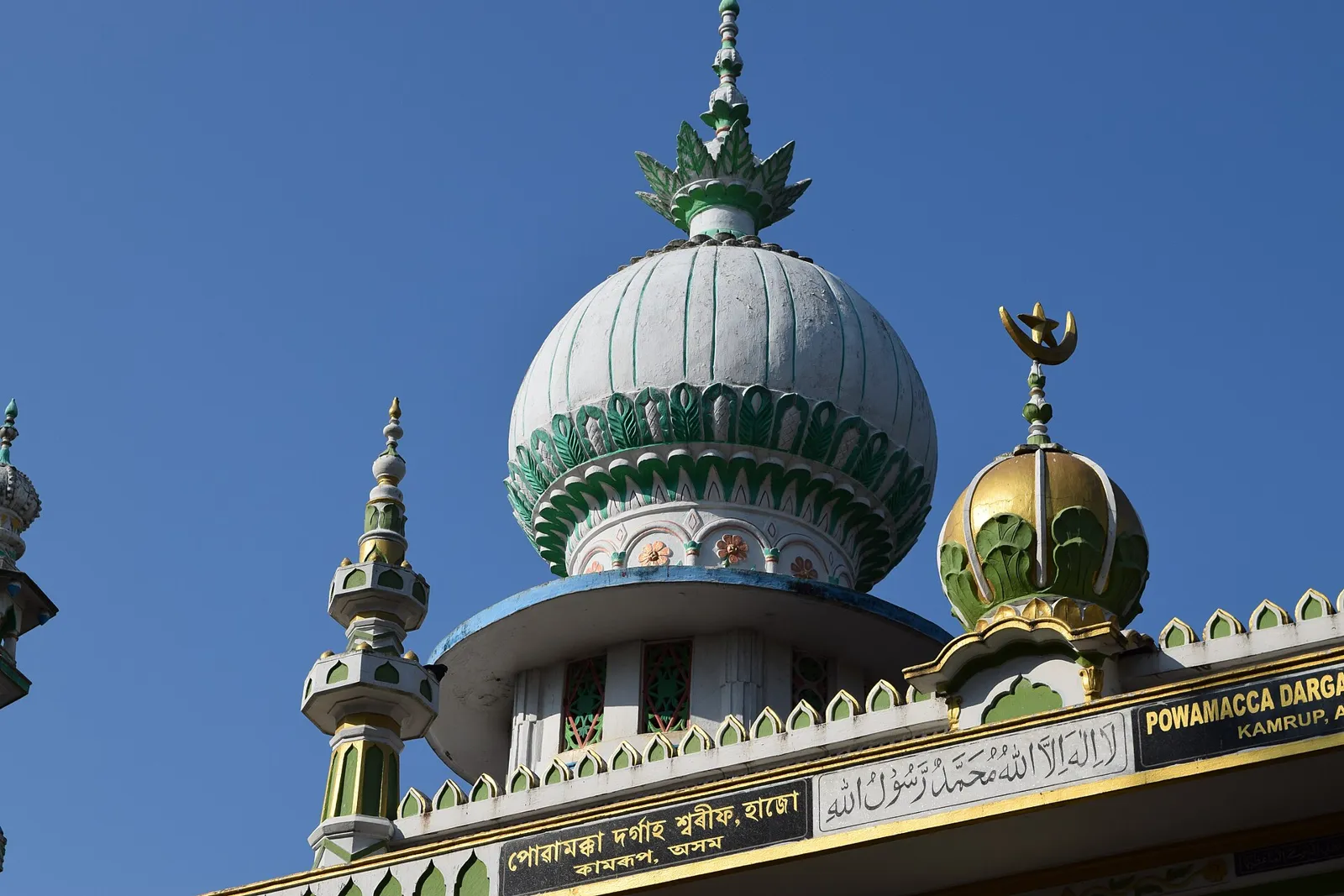
Hajo, in Assam’s Kamrup district, is an old town visited for pilgrimage sites sacred to Hindus, Buddhists and Muslims, and for its temples, monuments and tortoise-preservation tradition.
Madan Kamdev
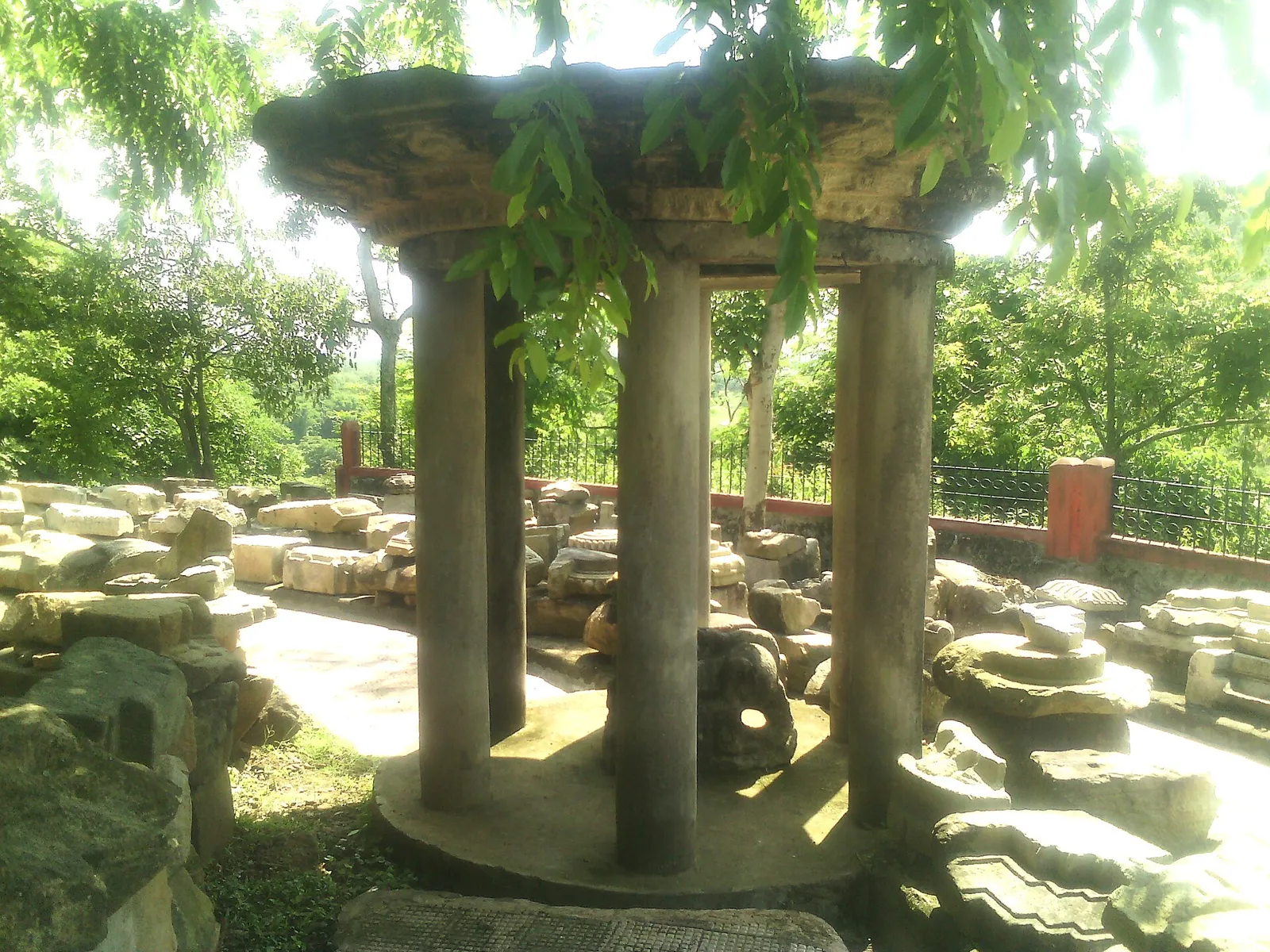
Madan Kamdev is an archaeological site near Baihata Chariali in Assam’s Kamrup district, visited for its Pala-era ruins, medieval stone carvings and sculptures of deities.
Sualkuchi
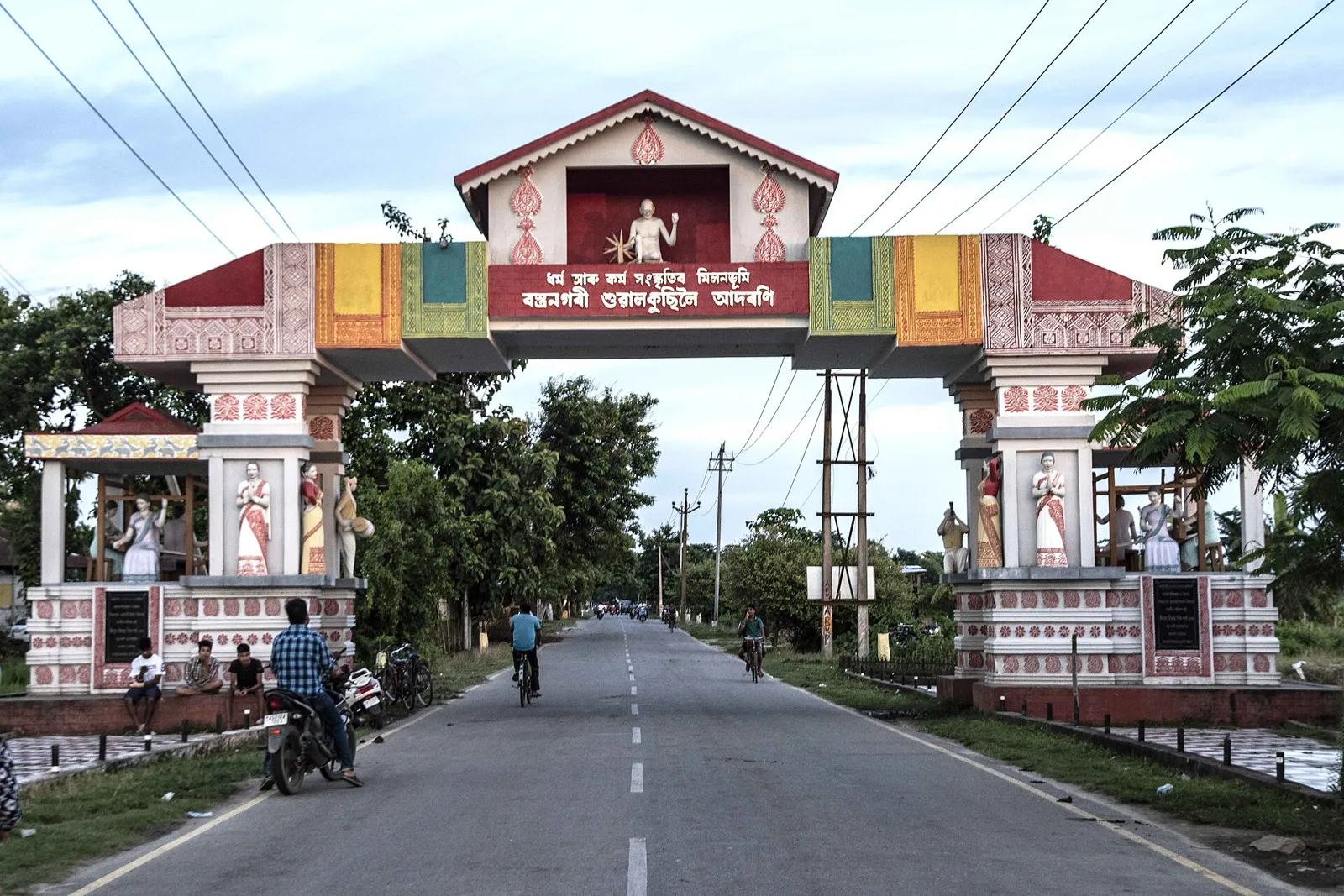
Sualkuchi is a census town in Assam’s Kamrup district, known for its handloom cottage industry. Visitors can see the historic Sidheswar Devalaya and the Gandhi Aashram beside the Brahmaputra.
Food in Kamrup reflects wider Assamese traditions, with rice at the centre of many meals. Regional dishes include masor tenga, a tangy fish curry, khar, and aloo pitika; duck cooked with ash gourd is also enjoyed in Assam. Pitha rice cakes and Assam tea are familiar parts of the region’s food culture. Menus at small eateries may depend on what is available that day, so it is worth asking before ordering. Fish and fermented ingredients are common in some local and tribal cuisines. Vegetarian travellers can explain their requirements clearly; rice, dal, vegetables and eggs may be available, especially in larger towns.
Sualkuchi is one of Assam’s best-known centres for handloom silk weaving. Its weavers work with Assamese silk traditions, including muga, pat and eri, producing garments and textiles such as mekhela chadors and saris. Weaving is an important part of the town’s identity and a longstanding regional craft, rather than a tradition found only in Kamrup. Across Assam, bamboo and cane are also used to make practical household objects and decorative goods. Visitors interested in textiles can look for locally woven pieces and ask about the fibre and production method, since handmade and mill-produced fabrics may be sold side by side.
Bihu is celebrated across the region: Bohag Bihu in spring, Kati Bihu in autumn and Magh Bihu in winter, with community gatherings and seasonal observances. Hajo draws pilgrims for religious occasions associated with its temples and shrine, while Islamic festivals are observed by local communities. Larger religious events at Kamakhya in nearby Guwahati can also affect travel through the area, though the shrine is outside Kamrup district. Crowds and demand for rooms may rise around major festival periods, particularly in Hajo and the Guwahati gateway area; check local arrangements before travelling.
Elsewhere in Assam
Kamrup spans parts of the Brahmaputra valley, with riverine plains, wetlands, agricultural land and low hills along its southern and northern margins. The Brahmaputra and its floodplain influence settlement and road connections, while smaller waterways and seasonal flooding can affect rural routes. Chandubi Lake lies in a hilly, forested setting; Madan Kamdev is reached through the foothill area, and Hajo occupies a hill landscape. Sualkuchi sits near the riverine plain. Journeys between these places are mainly by road, and conditions can vary considerably between major routes and village roads, especially during the monsoon.
The district has a humid subtropical climate. Summer, broadly from spring into the early monsoon season, can be hot and humid. The monsoon brings frequent rain, swollen waterways and the possibility of local flooding or disrupted rural roads. Winter is generally cooler and drier, making outdoor visits and road travel more comfortable. October to March is often a practical period to visit, though conditions vary and festival dates can affect accommodation. Pack light, breathable clothing, rain protection during the wet season, and a warmer layer for winter evenings. Comfortable shoes are useful for uneven paths and temple or archaeological sites.
Lokpriya Gopinath Bordoloi International Airport and the Guwahati-area railway stations, including Guwahati and Kamakhya, are the main gateways for Kamrup; the most convenient one depends on which part of the district you are visiting. Guwahati connects with the wider region by road, and national highways link it to towns and destinations across Assam. Buses, shared vehicles and taxis serve many routes, while a hired car can be useful for reaching rural sites such as Chandubi Lake or Madan Kamdev. Services may be less frequent away from major towns, so plan onward travel before setting out. Check current services locally.
Road travel is the main way to move between Hajo, Sualkuchi, Madan Kamdev and Chandubi Lake, with routes connecting to the Guwahati area and nearby market towns. Local and regional buses, shared vehicles and autos operate on some corridors, but services may be limited for rural sites or later in the day. Taxis or a hired car offer more flexibility, especially for combining several destinations. Boats may be used locally on waterways when services and conditions permit, but should not be assumed to provide a regular tourist connection. Confirm current routes and onward transport locally.
2 days: Hajo → Sualkuchi; sleep in Hajo. 3 days: Madan Kamdev → Hajo → Sualkuchi; sleep in Hajo, then Sualkuchi. 4 days: Madan Kamdev → Hajo → Sualkuchi → Chandubi Lake; sleep in Hajo, Sualkuchi, then near Chandubi Lake.
Hajo and Sualkuchi are useful bases for visits to their local sights, though accommodation choices may be more limited than in Guwahati. Baihata Chariali or the Guwahati area can be practical for Madan Kamdev, depending on onward transport. For Chandubi Lake, check in advance whether a suitable local homestay or lodge is operating; otherwise, stay in a larger town and make a day visit. Options in the district and nearby gateway area include modest hotels, guesthouses and some homestays. Pilgrim accommodation or dharamshalas may be available in some places, subject to local rules and availability.
Check weather and road conditions before travelling, particularly during the monsoon, when flooding, slippery paths or damaged rural roads may disrupt plans. Use care near rivers and the lake, and do not enter water without local guidance. Forested and rural areas may have wildlife; keep a respectful distance and follow local advice. Drink treated or sealed water and take usual precautions against insects and sun exposure. Crowds can build at pilgrimage sites during festivals. Mobile connectivity may be weaker away from towns, so arrange return transport in advance. No special permit is assumed for these listed sights; confirm any current access rules with official or local authorities before travel.
- Kamrup Metropolitanabout 19 km
- Barpetaabout 36 km
- Morigaonabout 51 km
- Ri-Bhoi · Meghalayaabout 70 km
- Baksaabout 83 km
- Goalparaabout 85 km
- Darrangabout 87 km
- West Khasi Hills · Meghalayaabout 90 km
Straight-line distance between the centres of each district's destinations; road distance is longer.
Q: How many days should I spend in Kamrup? A: Two days can cover Hajo and Sualkuchi; allow three or four days to include Madan Kamdev and Chandubi Lake. Q: When is the best time to visit? A: October to March is generally comfortable for travel, while monsoon journeys may be affected by rain and flooding. Q: What is the best base for visiting the district? A: Hajo or Sualkuchi suits nearby visits; the Guwahati area offers a wider choice of transport and stays for day trips. Q: How do I get to Kamrup? A: Use Guwahati-area airport or railway connections, then travel onward by road; the best route depends on your destination. Q: Is Kamrup suitable for families or elderly travellers? A: Yes, with planning. Road transfers are possible, but uneven paths, stairs, heat and limited rural services may require adjustments.
This page draws on our 4 destination guides for Kamrup and is updated as our team checks it.
Be the first to share photos, stories, advice or a helpful contact for Kamrup.
Loading…