
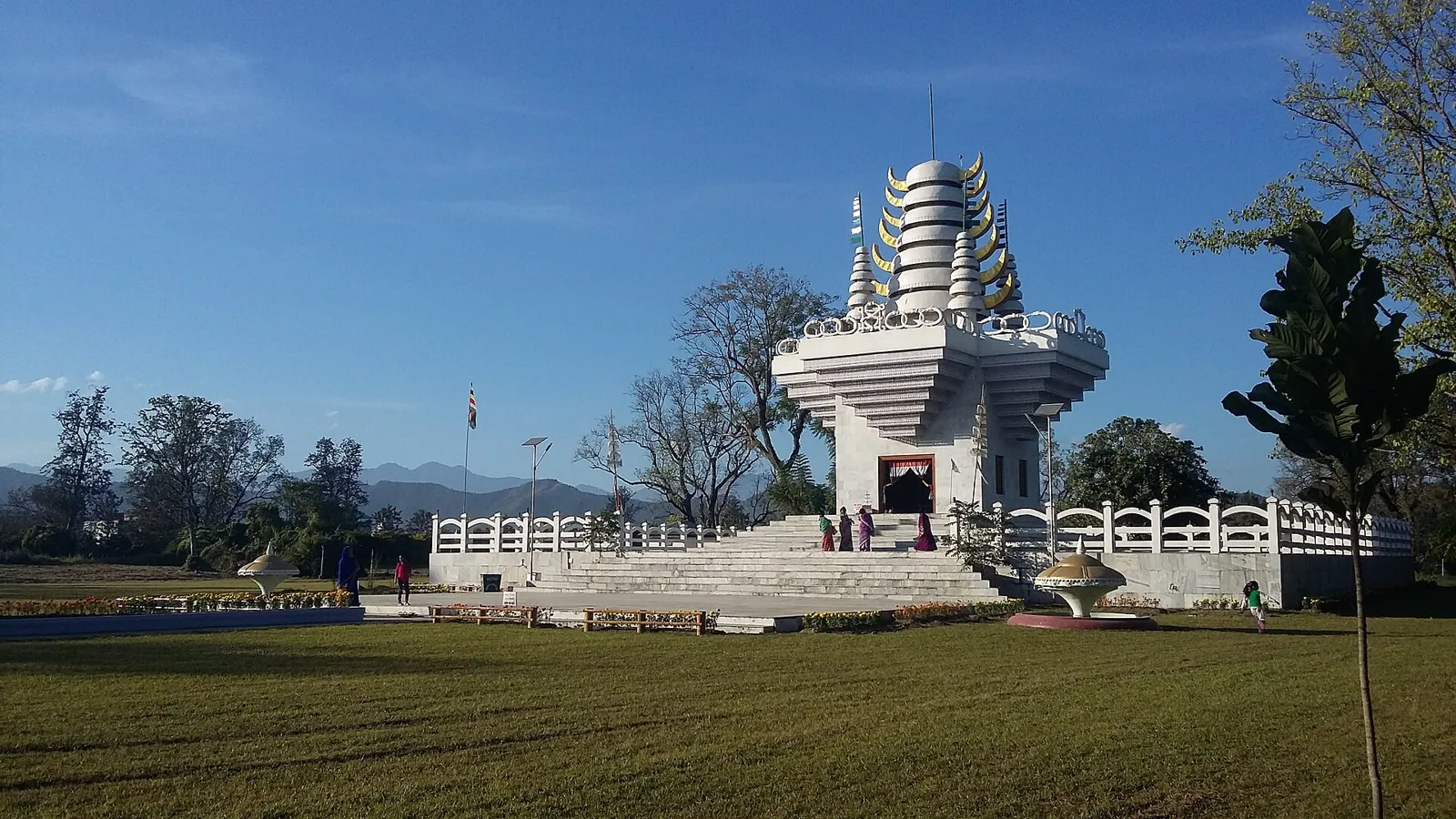
Kangla Fort
Kangla Fort is a historic royal complex in Imphal, Manipur, linked to the Meitei kings of the Ningthouja dynasty. Visitors come to see its palace buildings and cultural features.
Key facts · verified by Ghumoopedia editors
- Type of place
- Heritage monument
- Best time to visit
- October to March
- Nearest railway station
- Jiribam · about 85 km (straight line)
- Nearest airport
- Imphal International Airport · about 5 km (straight line)
- Verified
- 21 Nov 2026
Plan a trip from Kangla Fort — a day-by-day route through places nearby.
Situated in Imphal West district of Manipur, Kangla Fort is a fortified palace site associated with the Meitei monarchy. It was the customary seat of rulers from the Ningthouja dynasty. The grounds contain a royal residence, two museums and gardens. A traditional boathouse houses Meitei racing boats, and a Sanamahist temple is among the site's religious and cultural features. Visitors can also see other objects and works connected with Meitei culture and art. Together, the palace buildings, gardens, boats, collections and temple present several aspects of the heritage associated with Kangla. Manipur is known for Manipuri classical dance, the Meitei, Naga and Kuki-Zo communities, polo’s historic roots and the women-run Ima Keithel market. The Imphal valley has mild summers and cool winters; hill districts are colder. The monsoon brings heavy rain from June to September. The usual best time to visit is October to March. Days are short in Northeast India: the sun can set before 5 pm in winter, so plan to reach and leave Kangla Fort in daylight. Timings, fees and access arrangements must be confirmed locally. For official information, see Manipur Tourism at https://manipurtourism.gov.in.
Why it matters
Kangla Fort is a major historic and cultural site in Imphal and a landmark of Manipur’s Meitei history. It served as the traditional seat of the Meitei kings of the Ningthouja dynasty, joining political authority with religious and ceremonial life. The surviving remains and cultural features help visitors understand the history of the Imphal valley and its communities. Manipur Tourism presents Kangla as a heritage attraction; its importance is principally regional and historical. Visitors seeking formal designations, conservation updates or access information should check with the relevant Manipur government authority before travelling.
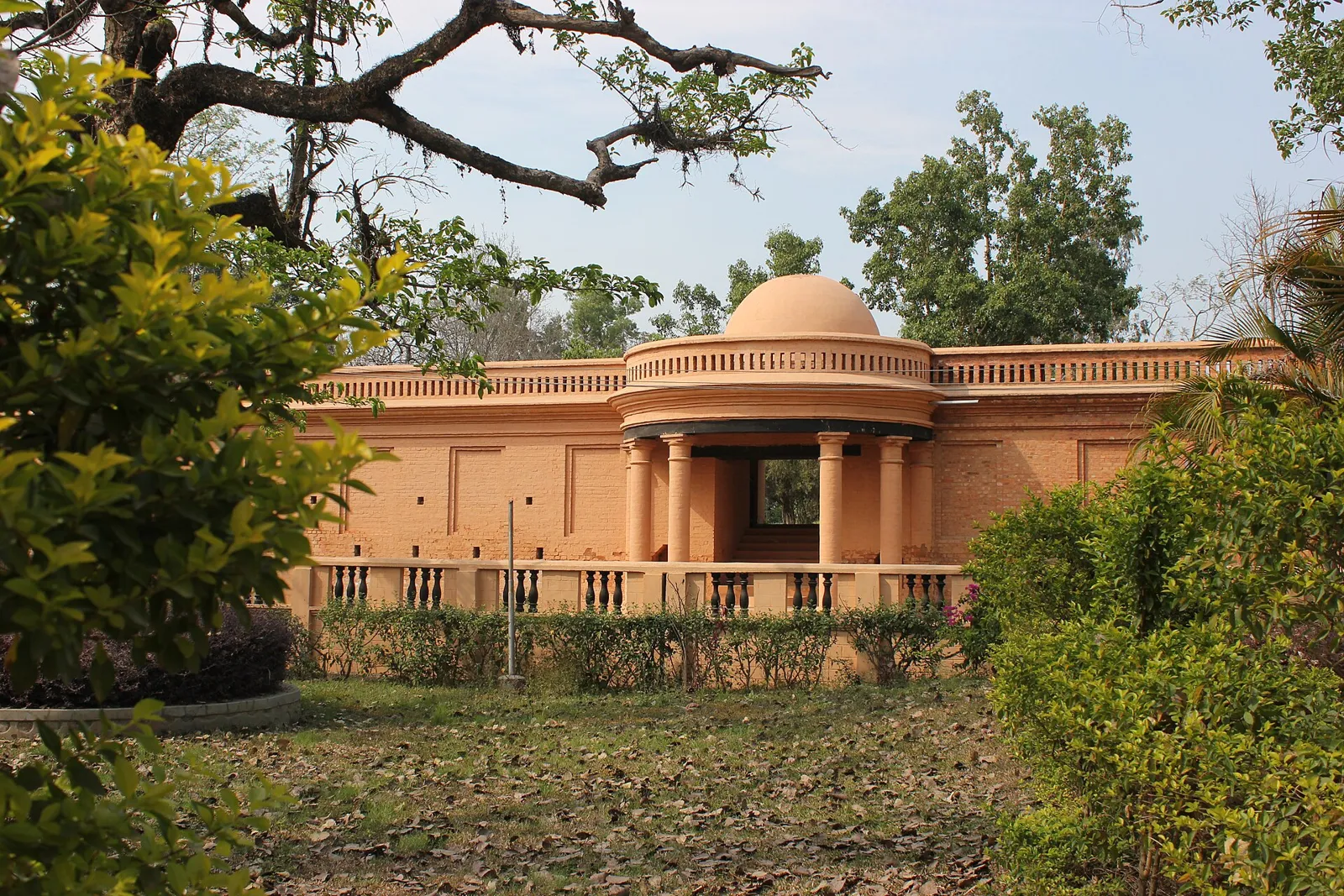
Kangla was the fortified royal centre of the Meitei kingdom in the Imphal valley and the traditional seat of the Ningthouja rulers. Its origins are associated with the early history of the kingdom, but precise dates for the first settlement and fortifications are not established here. Meitei historical traditions and chronicles preserve the site’s importance as a place of royal government, ceremony and worship. The complex developed over time and included a royal residence, sacred structures and defensive works. Kangla’s role changed after the Anglo-Manipur War of 1891, when British forces took control of the kingdom and used the fort area for military purposes. It remained under military occupation for much of the period that followed, limiting public access and changing the site’s use. In 2004, the Indian Army handed Kangla over to the Manipur government. Since then, parts of the complex have been opened and maintained as a heritage and visitor site, with restoration and presentation work intended to make its historical and cultural features more accessible. Interpretive displays and museums help explain this layered history, though visitors should check which areas are open on the day.
Origin stories & folklore
According to Meitei tradition, Kangla is closely connected with sacred accounts of the kingdom and with Pakhangba, a powerful serpent or dragon-like deity associated with kingship and protection. The name and origins of the site are also explained through local histories and oral traditions, whose versions may differ. The paired Kangla Sha figures, mythical dragon-lion creatures associated with the fort, are commonly understood as guardians and as symbols of Manipur. These accounts are matters of belief and cultural memory rather than archaeological proof. Visitors can learn more by reading site interpretation or speaking with an authorised guide, while treating temples, ritual spaces and community beliefs with respect.
Architecture & design
Kangla is a fortified palace complex rather than a single building. Its layout brings together defensive remains, royal and ceremonial spaces, sacred structures, landscaped areas and museum buildings. Earth and brick are associated with the fort’s historic defensive works; surviving fabric, later repairs and modern reconstruction may differ across the site. The wider complex includes the traditional royal residence, a Sanamahist place of worship, gardens and a boathouse associated with Meitei racing boats. The Kangla Sha figures near the entrance are prominent cultural forms. The site’s scale and open layout reflect its former role as a seat of power and a protected royal precinct. Because the complex has been altered across different periods, visitors should distinguish historic remains from restored or newer structures by consulting onsite interpretation rather than assuming every feature is ancient.
Important objects & sculptures
Look for the Kangla Sha figures, mythical guardian creatures strongly associated with the fort and with Manipur’s cultural identity. The complex also contains sacred images and features connected with Sanamahism, the indigenous religious tradition of many Meitei people; observe worship spaces respectfully and follow any posted restrictions. The museums display material relating to the history and culture of the site, although collections and access can vary. The boathouse and its traditional Meitei racing boats offer a glimpse of the region’s sporting and ceremonial heritage. Interpretation boards, where available, can help explain the meaning and history of individual objects. Do not touch sculptures, ritual items or fragile remains unless expressly invited to do so.
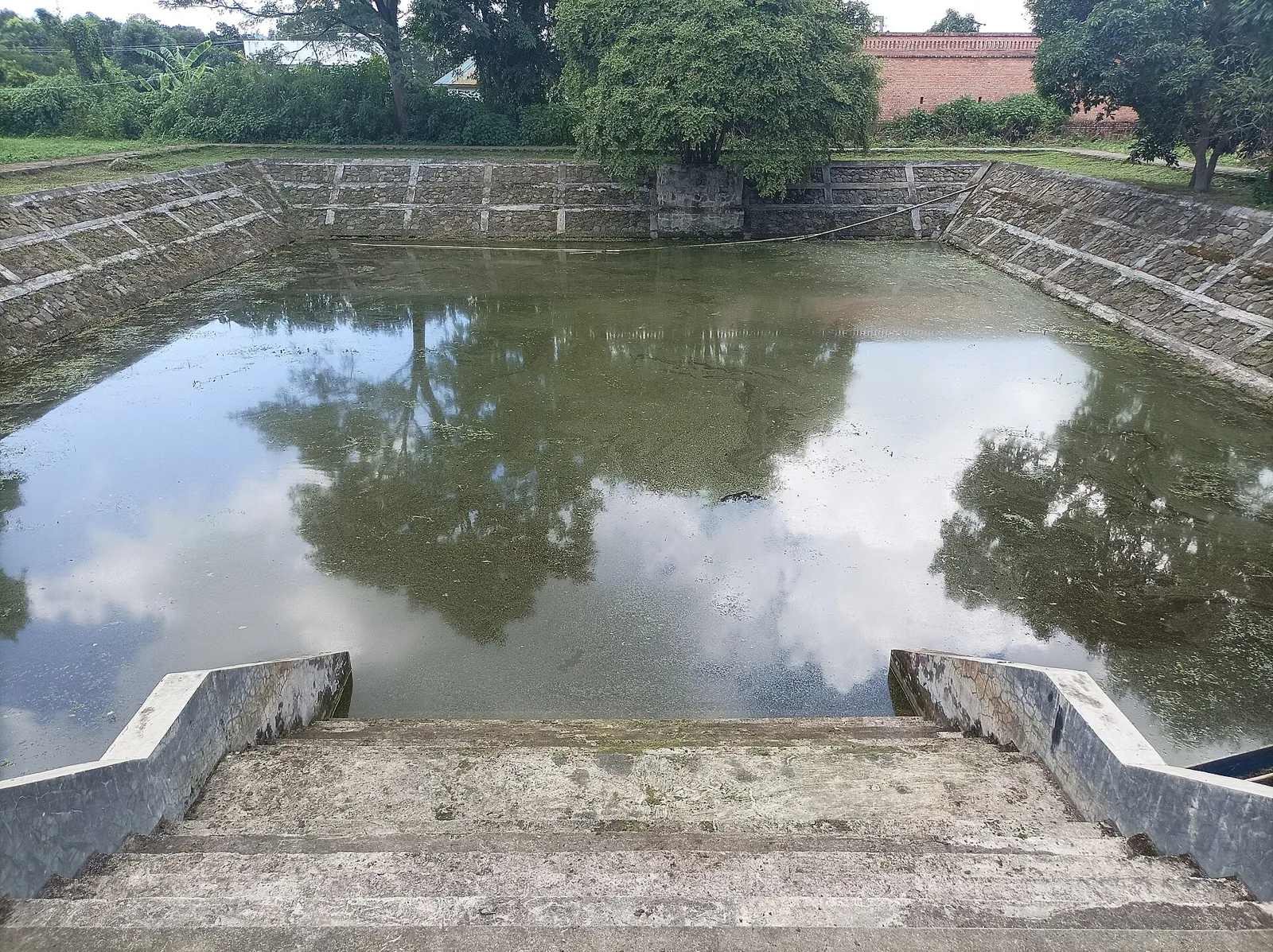
Explore Kangla Fort slowly and read the interpretation boards or hire an authorised guide to understand its history. Check opening days and ticket counters in advance, as many monuments and museums close on one weekday and on public holidays. A comfortable itinerary is one main visit in the morning, a local meal at midday and a short nearby stop before an afternoon return. Use the district list on this site to find other places in Imphal West, but check the actual road route and its condition before combining stops. If a festival is on, local roads and stays can be busy — and the experience can be unforgettable. Leave no litter: many sites in Manipur are protected by the communities who own them.
Suggested itineraries
Half day: Begin at the entrance and read the interpretation boards (20–30 minutes); visit the museums and royal or sacred features open to visitors (1–2 hours); walk through the gardens and see the boathouse (30–45 minutes). Full day: Explore Kangla in the morning (2–3 hours); have a meal in Imphal; visit Ima Keithel or Shri Govindajee Temple in the afternoon, allowing time for travel and local conditions. Gentler option: Ask about vehicle access or a shorter route, focus on the entrance area, one museum and nearby shaded resting places, and allow frequent breaks.
Kangla remains an important setting for understanding Meitei history, religious practice and cultural identity, even as it functions as a public heritage attraction. Sanamahist traditions and ritual observances are present in the wider cultural life of the Imphal valley; visitors may encounter worshippers, so quiet and respectful conduct is appropriate. Meiteilon, also called Manipuri, is widely spoken in the valley, alongside other languages used by Manipur’s diverse communities. Manipuri classical dance, music, traditional dress and polo’s historic roots are among the cultural traditions associated with the state. These are not necessarily performed at Kangla every day. Ask before photographing people, ceremonies or devotional activity, and follow local guidance around sacred areas.
Festivals & events
Lai Haraoba, a Meitei ritual festival honouring local deities, is celebrated in the Imphal valley and may be associated with cultural events at or near heritage sites; arrangements vary by year. Yaoshang, generally observed in spring, is a major festival across Manipur, while Ningol Chakouba is commonly celebrated in autumn. These festivals are not guaranteed to take place inside Kangla. During major celebrations, Imphal roads, public spaces and accommodation can become busier, and access arrangements may change. Confirm event locations and visitor rules locally rather than planning around an assumed programme.
Local food in Manipur includes eromba (fermented fish and vegetable mash), singju salad, kangshoi stew, and chak-hao kheer made with Manipur’s black rice. Ask what is fresh that day; many small eateries cook a limited daily menu. Pork, beef, fish and fermented ingredients are common in tribal cuisines, so vegetarian travellers should explain their needs clearly — rice, dal, vegetables and eggs are usually possible in towns. Remote sites may have no restaurant at all. Carry water and snacks, eat a proper breakfast before long drives, and ask your accommodation for a packed lunch if you are heading out early. Try a homestay-cooked meal when you can — it is often the best food in the hills. Choose busy, clean places and carry your packaging back to town.
Shopping & local experiences
Ima Keithel in Imphal is a notable place to browse local produce, household goods, textiles and other merchandise sold by women traders. Look for handwoven fabrics and locally made crafts, asking sellers about materials and origins rather than assuming an item is handmade or from a particular community. Visitors may also find Manipuri food and snacks in the city; choose established vendors and observe local customs. Shopping facilities should not be assumed inside Kangla itself. Buy respectfully, avoid products made from protected wildlife or archaeological material, and carry reusable bags to reduce waste.
October to March
The nearest principal railway station by straight-line distance is Jiribam, roughly 85 km away. The nearest operating airport by straight-line distance is Imphal International Airport, roughly 5 km away. These figures are calculated from map coordinates — hill roads in Manipur wind a lot, so actual road distance and travel time are usually much longer. Guwahati is the main rail and air hub for the region, and most long-distance journeys connect through it. For the final leg, Manipur State Transport and shared taxis from Imphal link district towns; shared taxis usually leave early in the morning and depart only when full. A private taxi gives more flexibility for remote sites. When comparing train, bus and flight, count the complete door-to-door time: a flight saves the most time only if the onward road transfer is short, while an overnight train to Guwahati plus a road journey can save a hotel night. Book your return before you leave, because seats on shared vehicles and the few daily flights fill quickly. Current train numbers, timings, return services and fares are not listed here; check IRCTC and NTES for trains and the airline’s own schedule for flights. Indian visitors who are not residents of Manipur need an Inner Line Permit, applied for through Manipur’s official ILP system. Foreign nationals should check the current Protected Area Permit and registration rules before travel.
Confirm onward and return timings on IRCTC / NTES, the state bus operator or your airline before travel. A dash means current timings or fares have not been verified.
Getting around
Kangla is within Imphal, so visitors can generally reach the entrance by local taxi, auto-rickshaw or local bus, subject to current road and service conditions. A taxi can be convenient for families or for combining stops; agree on the pickup point in advance if arranging a return ride. Inside the complex, plan to explore on foot, as the grounds are spread out. Follow signs and staff directions, and check locally where vehicles may park. The boathouse is a heritage feature, not an indication that visitor boat rides are available. Walking from central Imphal may be possible, but assess the route and traffic conditions first.
Hours, tickets & permissions
Entry is subject to the site’s current opening arrangements, any closure days, security checks and rules for particular buildings or sacred areas. Tickets may be required, and separate rules or charges may apply to museums or photography; requirements can change. Carry identification if requested, follow notices and staff instructions, and ask before entering worship spaces. Confirm current hours, fees, holiday closures and access conditions with the managing authority before setting out. Do not rely on old online listings or assume every part of the complex is open.
Facilities
Facilities within the grounds may include interpretation, museum spaces, toilets and places to rest, but availability and maintenance can vary; check locally on arrival. Food and drinking water are more readily sought in Imphal outside the complex, so carry water and plan meals rather than assuming food service on site. Parking may be available near an entrance, subject to local arrangements. Authorised guides may be available, but availability is not guaranteed. ATMs, shops and a wider choice of services are in the city; do not assume they are inside the fort. Take litter with you and use marked bins where provided.
Accessibility
Kangla’s broad grounds involve outdoor walking and may require substantial distances between features. Paths and surfaces can be uneven, and some historic or sacred structures may have steps; access differs from one area to another. Shade and seating may be limited along parts of a visit, so carry water and pace the route. Wheelchair and stroller access cannot be assumed throughout the complex, and ramps or accessible toilets should be confirmed with the managing authority in advance. Older visitors or anyone with limited mobility may find a shorter visit more comfortable, with rest breaks and help from a companion. Check weather and ground conditions before setting out.
Indian visitors who are not residents of Manipur need an Inner Line Permit, applied for through Manipur’s official ILP system. Foreign nationals should check the current Protected Area Permit and registration rules before travel. Carry a printed and digital copy of your permit and a photo ID at all times; checkpoints are common. Save the emergency number 112 and your accommodation’s contact offline. Heat, humidity and sudden downpours are the main weather risks; carry water and rain protection. Respect community rules, private property and posted instructions. Avoid hill road travel after dark and during heavy rain, when landslides are more likely. Check official advisories for the region before travel, and follow local guidance if access changes.
Photography
Soft morning or late-afternoon light can suit the fort’s open grounds and architectural details, but plan to finish before dusk, especially in winter. Photography rules may differ between outdoor areas, museums and sacred spaces; check notices and ask staff before taking pictures indoors. Camera fees or restrictions may apply and should be confirmed locally. Do not use a drone without explicit permission and any required clearances. Avoid photographing worshippers, children or ceremonies without consent, and never interrupt rituals to obtain an image. Keep equipment and tripods clear of visitors and fragile remains.
Choose a stay by the full journey to Kangla Fort, not just the district name. Main towns in Imphal West usually offer hotels, state tourism lodges and homestays with better transport, meals and medical access, while village homestays offer a closer connection to local life. In the plains and valleys, check fans or air-conditioning and mosquito nets in summer. Book in advance for weekends, festival dates and the peak season (October to March). Confirm the exact location, meals included, check-in time and cancellation terms in writing. Many homestays accept payment on arrival; avoid sending money to unverified contacts. Mobile network and digital payments can be unreliable in remote areas, so carry some cash.
Within Imphal, visitors can combine Kangla with Ima Keithel, the well-known women-run market, or Shri Govindajee Temple, subject to opening and worship arrangements. The Manipur State Museum and Imphal War Cemetery are other established city attractions; confirm their current access and route before planning the day. These stops can be affected by traffic, events and local conditions, so avoid assuming they are all walkable from Kangla. For a short visit, choose one nearby attraction rather than rushing through several. Check the actual road route and current visitor information before combining destinations.
For couples, Kangla Fort rewards a slow pace: arrive early for soft light and fewer crowds, share a local meal and keep the evening free. Public displays of affection can be frowned upon in conservative communities and at religious sites, so be discreet. A homestay can make the trip memorable — confirm privacy, hot water and transport back. Keep a buffer day in your itinerary, because weather and road closures can delay plans in Manipur.
Q: How much time should I allow for Kangla Fort? A: Allow a half day for a relaxed visit to the main grounds and any open museum areas; a shorter route is possible if needed. Q: When is a good season to visit? A: October to March is generally a comfortable period in the Imphal valley. Monsoon rain from June to September can affect outdoor visits. Q: Is there an entry fee, and can I visit every building? A: Entry rules, fees and access to individual buildings can change. Confirm current arrangements with the managing authority before visiting. Q: Is Kangla suitable for children and elderly visitors? A: Families can visit, but the grounds require walking and surfaces may be uneven. Plan breaks and choose a shorter route if mobility is limited. Q: Can I stay near Kangla Fort? A: Imphal has accommodation options, but availability and services vary. Check current listings and local conditions before booking.
Be the first to share photos, stories, advice or a helpful contact for Kangla Fort.
Loading…