Ghumoopedia — Explore, Discover, Experience
Sign in
Andro, Manipur

State · Northeast India

Manipur

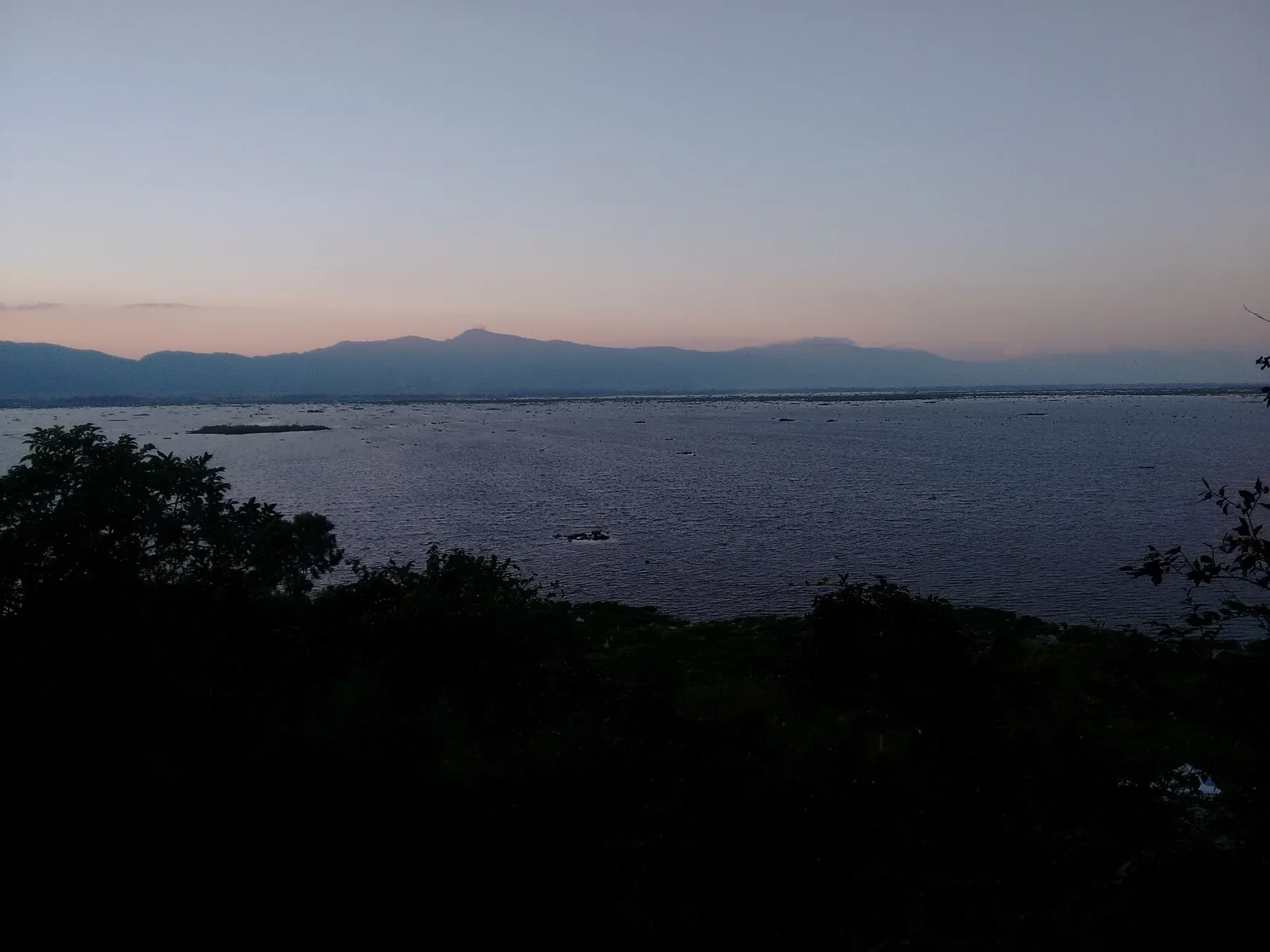
Loktak Lake's floating islands and an oval valley ringed by hills.

Capital
Imphal
Districts
9
Destinations
19
Plan a trip in Manipur

Overview

Understanding Manipur

Culture

Manipuri dance and Thang-ta martial art.

Food

  • Eromba
  • Chak-hao kheer

Festivals

  • Yaoshang
  • Sangai Festival

Experiences here

  • Tribal
  • Wildlife
  • Heritage
  • Festivals

Verified by the Ghumoopedia editorial team on 21 Nov 2026. Written and reviewed by Ghumoopedia's editors. Timings, fees and permits can change, so check them with the managing authority shortly before you travel.

The complete guide

Manipur: a traveller's guide

Why visit

Manipur is a compact, landlocked state in Northeast India with an unusual sense of contrast: a broad, fertile valley at its centre, hills rising around it, and Loktak Lake spreading across the southern plain. Its floating vegetation, called phumdis, supports the rare landscape of Keibul Lamjao National Park, while Imphal brings together markets, museums, temples and historic sites. The state is known for Manipuri dance, the martial art Thang-ta, distinctive handloom traditions and a cuisine rich in herbs, greens and fermented flavours.

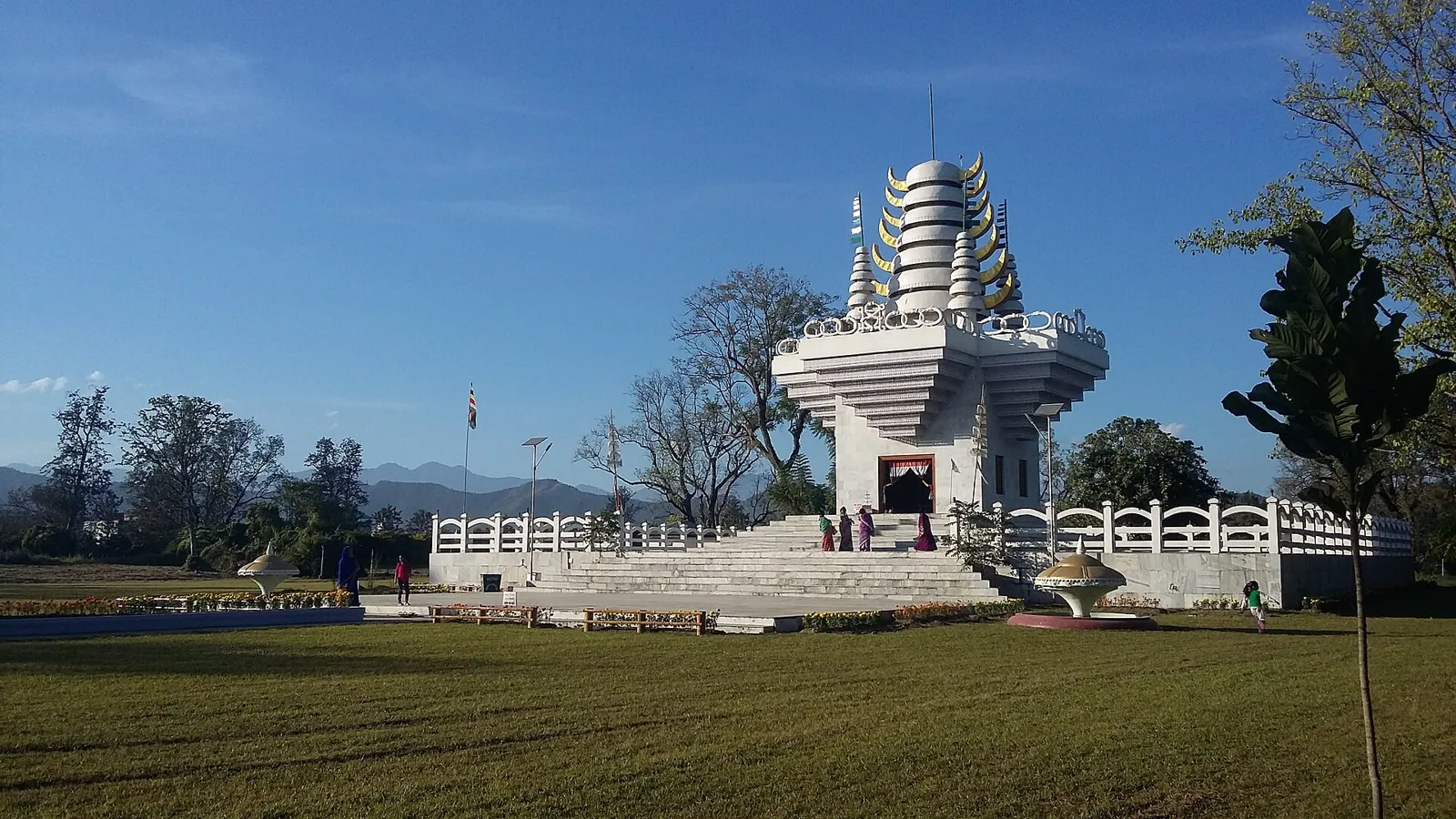
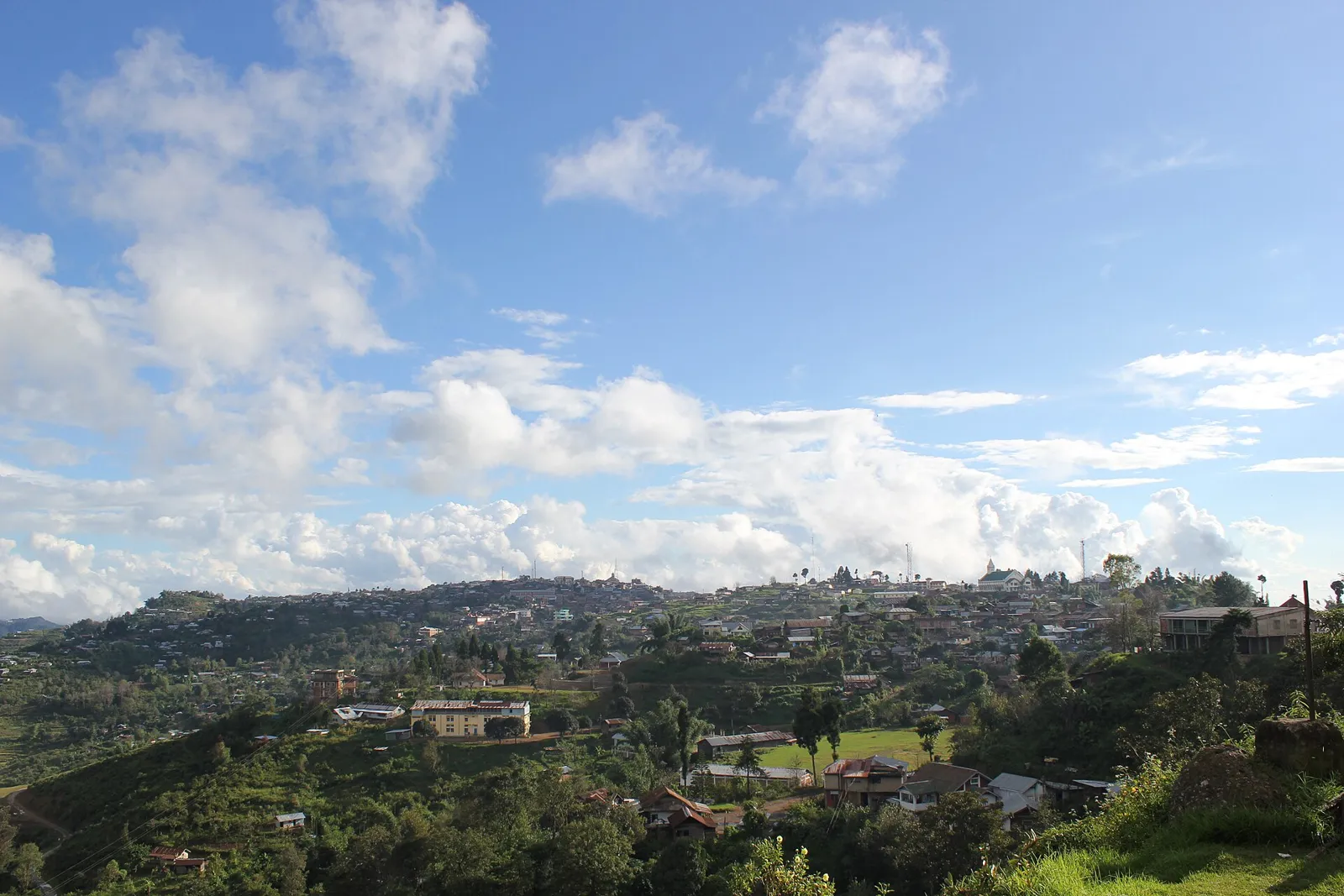
Trips here can combine culture and history with birdlife, lakeside scenery and hill journeys. In and around Imphal, visitors can explore Kangla Fort, the Manipur State Museum, Shree Govindajee Temple and the women-run Ima Market. Further afield, Loktak Lake, Sendra Island and the INA Martyrs' Memorial Complex offer a sense of the valley’s landscape and twentieth-century history. Ukhrul, Tamenglong and other hill areas suit travellers seeking forested routes and village landscapes, though journeys take planning. Manipur rewards visitors who travel thoughtfully, allow time for road conditions and seek local guidance rather than treating the state as a quick stopover.
Landscape & climate

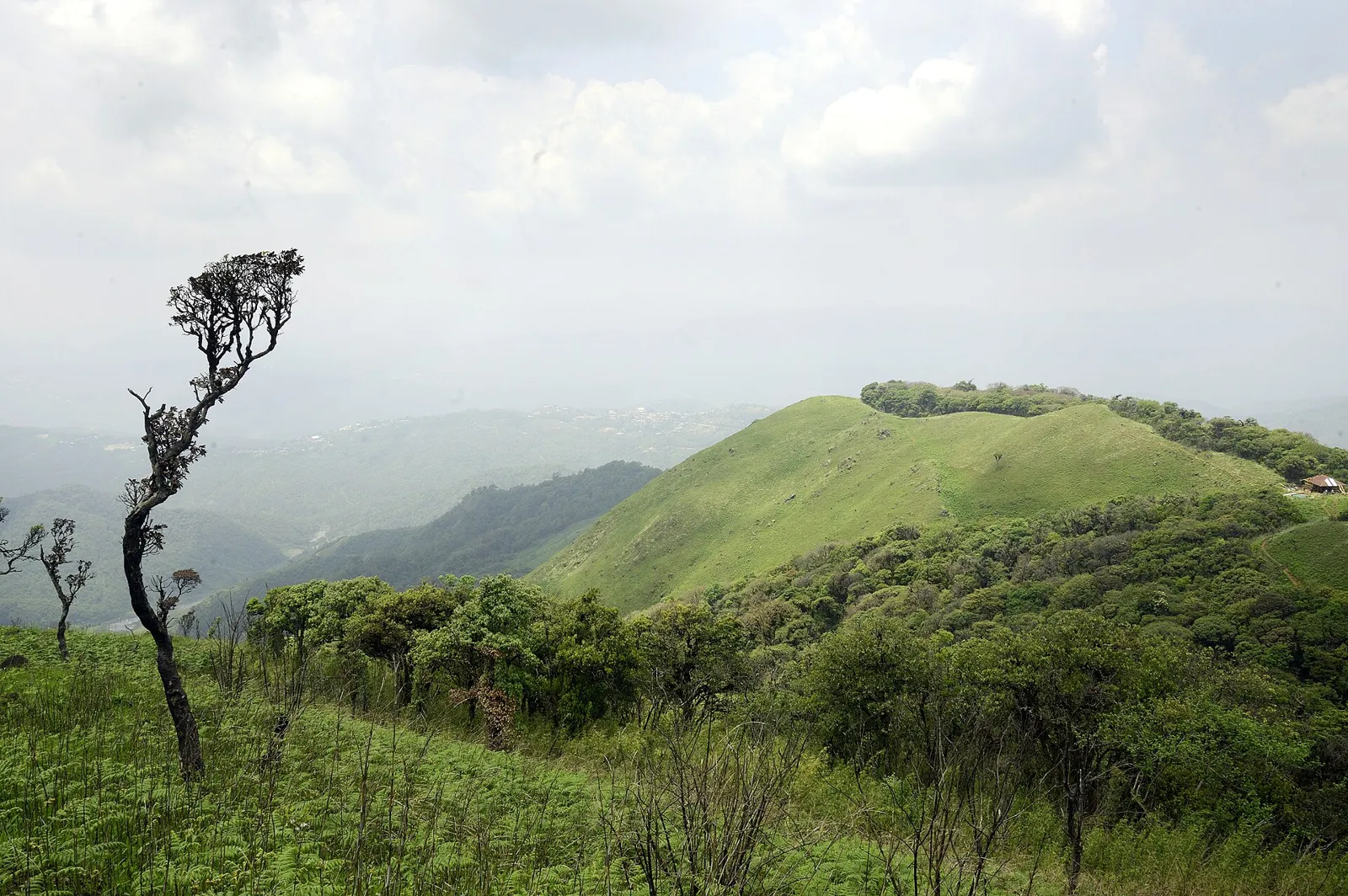
Manipur’s central valley is an oval basin ringed by the state’s hill ranges. Imphal and other towns sit among cultivated fields, wetlands and rivers, while the surrounding uplands are cut by forested ridges and narrow valleys. The Imphal, Iril and Thoubal rivers flow through the central region; the Barak rises in the western hills and continues towards Assam. There is no coastline. In the south, Loktak Lake is the largest freshwater lake in Northeast India. Its floating phumdis are mats of vegetation, soil and organic matter, and Keibul Lamjao National Park protects a distinctive wetland habitat on the lake’s southern edge. Hills around Ukhrul, Kangpokpi, Churachandpur and Tamenglong bring cooler, higher landscapes; Shirui National Park is among the destinations associated with the Ukhrul hills.

The climate is broadly subtropical, shaped by elevation and the monsoon. Spring is generally mild, summer becomes warm and humid, and the main rains usually fall from around June into September. Rain can make hill roads slower or difficult, while mist and cloud may limit views. October and November often bring clearer, more comfortable conditions, followed by cool winter weather; higher locations can feel much colder than Imphal, especially at night. The valley’s wetlands change with rainfall and water levels, and the lake’s appearance varies through the year. Forest cover, steep slopes and seasonal streams make conditions in the hills different from those of the central plain, so visitors should allow flexible travel time in every season.

History & heritage

Manipur’s history is recorded through oral traditions, royal chronicles and archaeological evidence. The Meitei kingdom developed in the central valley, with dynastic traditions associated with the Ningthouja line and the royal chronicle Cheitharol Kumbaba. The valley’s political and cultural life was shaped by successive rulers, contact with neighbouring kingdoms and the movement of people across the surrounding hills. Vaishnavism became influential at court, particularly from the eighteenth century, and left a lasting mark on religious practice, literature and performance. At the same time, the hill regions maintained diverse community histories and traditions of their own.

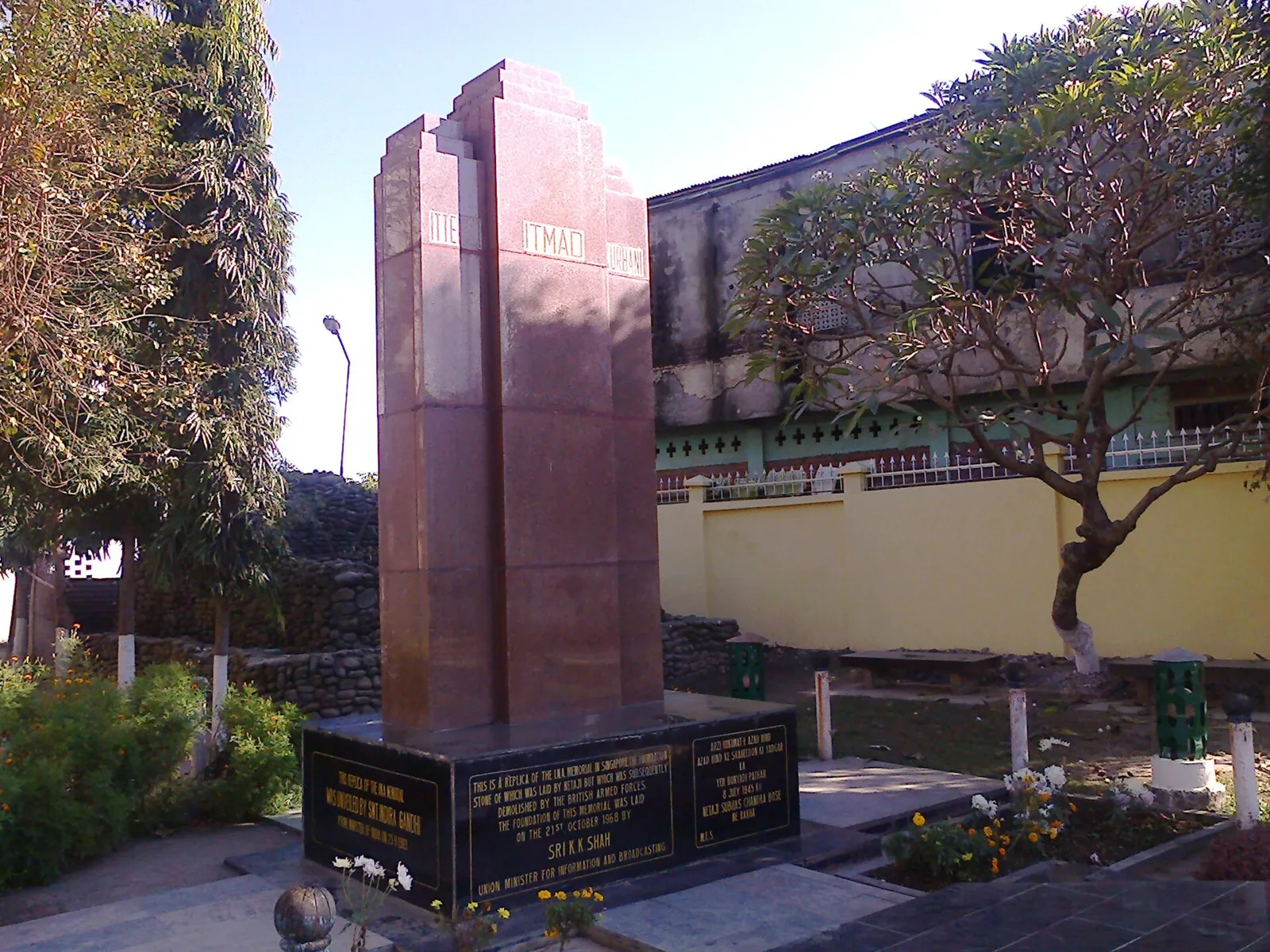
British intervention intensified in the nineteenth century. The Anglo-Manipur War of 1891 followed a succession dispute and conflict with British authorities. Manipur forces were defeated; the execution of leaders including Tikendrajit Singh became a defining episode in the state’s modern history. The Khongjom War Memorial Complex commemorates resistance in that conflict. During the Second World War, the Imphal campaign brought intense fighting to the region in 1944, as Japanese forces and the Indian National Army advanced towards India. Imphal War Cemetery and the INA Martyrs' Memorial Complex at Moirang recall different parts of that wartime history. Kangla Fort, once a royal seat and now a major heritage site, remains central to the story of the valley.

After Indian independence, Manipur’s princely state was merged with India in 1949 and became a Union Territory in 1956. It attained full statehood on 21 January 1972. These transitions, alongside political movements and continuing debates about identity, land and governance, form important parts of contemporary history. A visit to the Manipur State Museum or historic sites around Imphal can add context, while respectful conversation with local guides and residents helps avoid reducing a complex past to a single narrative.

Culture, people & festivals

Manipur is home to Meitei communities in the valley and many Indigenous communities in the surrounding hills, including Tangkhul, Thadou, Paite, Hmar and Rongmei communities, among others. Meiteilon, also called Manipuri, is widely spoken and is the state’s principal official language; English is used in administration and education, and numerous community languages are spoken across the hills. Hindu, Christian and Sanamahi traditions are among the faiths represented, with practices and community life varying by place. Music, storytelling, ritual and dance are closely connected, but they are not uniform across the state.

Manipuri classical dance is renowned for its graceful movement and devotional Ras Lila performances; the tradition of Sankirtana combines singing, drumming and dance. Thang-ta, a martial practice using sword and spear techniques, is another distinctive art. Yaoshang, usually celebrated in February or March around the time of Holi, is a major Meitei festival, with community gatherings, sport and performances. Lai Haraoba, generally held in spring or early summer, honours local deities through ritual, music and dance. Ningol Chakouba, usually in October or November, centres on family visits and shared meals. The Sangai Festival is generally held in November and presents arts, food and performances from across Manipur; dates and programming vary by year. Visitors should ask before photographing ceremonies or people, and follow local hosts’ guidance at sacred places.

Food & flavours

Rice is the everyday staple in Manipur, served with vegetables, herbs, fish and flavourful accompaniments. Eromba is a much-loved preparation of boiled vegetables and often fish, mashed with fermented fish called ngari and chilli; ingredients and heat vary between households. Singju is a fresh, crunchy salad of sliced vegetables, herbs and other additions, usually dressed with a distinctive savoury seasoning. Kangshoi, also called chamthong, is a light vegetable stew, while fish preparations are common around Loktak and other waters. Fermented ingredients, seasonal greens and local chillies give many dishes their characteristic depth. Vegetarian versions are available, but visitors should ask about ngari, fish and other ingredients rather than assume a dish is meat-free.

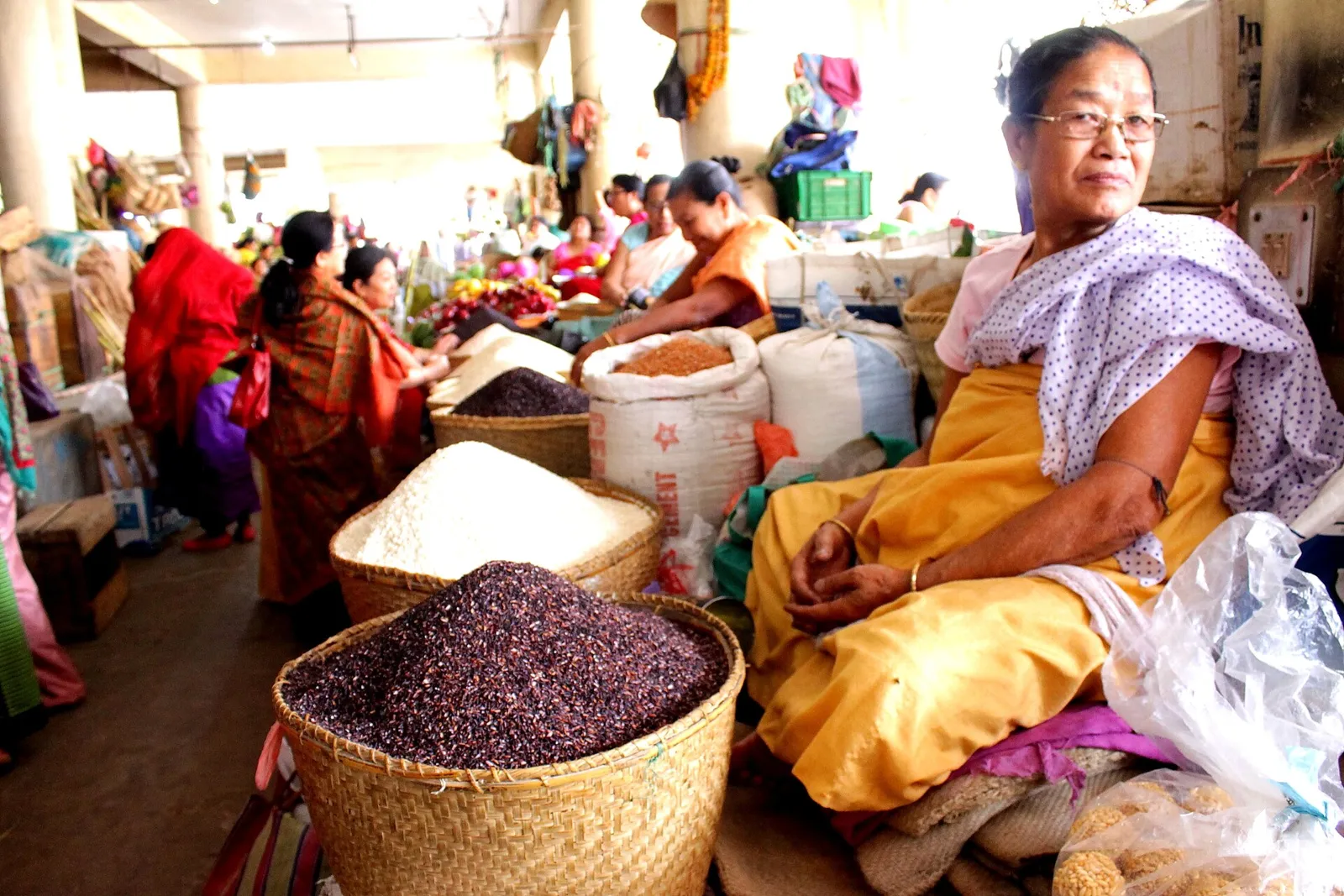
The prized black rice known as chak-hao is used in desserts, especially chak-hao kheer, a slowly cooked pudding with a deep purple colour and fragrant flavour. It is a GI-tagged product associated with Manipur and is also sold as rice for home cooking. Other sweets and snacks vary with season and community; rice-based preparations and locally made treats are common at festivals. The state’s hill and valley markets offer different produce depending on elevation and harvest, including citrus and chillies from particular growing areas. Try regional food at a locally recommended restaurant or market, and ask about spice levels and preparation, since recipes are not standardised.

Crafts, textiles & what to buy

Handloom is among Manipur’s most visible crafts. Woven shawls, wraps and other textiles reflect local designs, techniques and community identities; patterns and meanings can differ from one maker or region to another. GI-recognised textiles include Wangkhei Phee, associated with Wangkhei in Imphal East, Moirang Phee from the Moirang area, and Shaphee Lanphee, a decorated textile tradition. Manipur’s GI products also include chak-hao black rice, Kachai lemon from the Ukhrul area, Tamenglong orange and Sirarakhong Hathei chilli. Product availability depends on season and local production, so a GI name is best treated as a clue to origin, not a guarantee that every item in a shop is locally made.

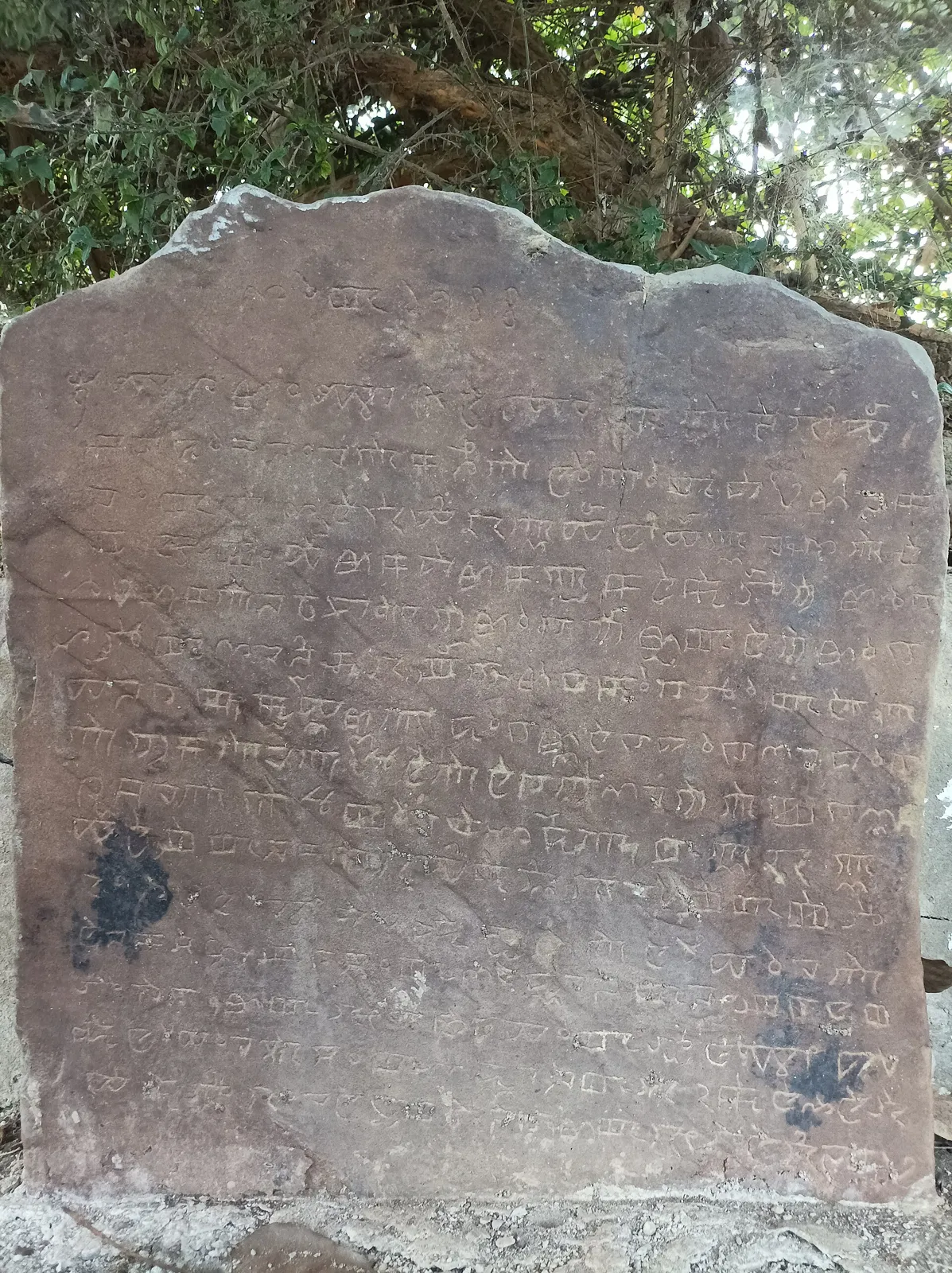
Longpi pottery, made by Tangkhul artisans in the Ukhrul region, is known for its dark, unglazed finish and hand-formed cooking and serving vessels. Cane and bamboo work, woodcraft, baskets and traditional ornaments are other possibilities, with skills often rooted in particular villages and communities. In Imphal, the Ima Market is a useful place to encounter local produce, textiles and everyday goods, though it is primarily a working market rather than a craft showroom. Buy directly from makers or established cooperatives where possible, ask about materials and provenance, and leave time for careful packing of pottery. Bargaining should remain courteous and should not disregard the labour involved.

Getting there & getting around

Bir Tikendrajit International Airport, also called Imphal Airport, is the state’s main air gateway, with flight schedules and connections varying by season. Manipur’s rail access is more limited. Jiribam, in the west, is connected to the rail network in Assam and serves as a railhead for onward road travel. The Jiribam–Imphal railway project has been under construction; check current official information rather than assuming trains reach Imphal. Dimapur in Nagaland and Silchar in Assam are other possible rail gateways, but the onward road journey can be long. Confirm connections and road conditions before building an itinerary around a distant station.

The main road corridors include National Highway 2 between Imphal and the Nagaland side towards Dimapur, National Highway 37 linking Imphal with Jiribam and Silchar, and National Highway 102 towards Moreh on the Myanmar border. National Highway 202 serves routes towards Ukhrul. Roads connect Imphal with district towns, but hill travel is slower than distances on a map suggest, and rain, landslides, maintenance or security conditions can cause delays. Within Imphal, taxis and other local vehicles are practical for reaching major sights; shared vehicles and buses serve inter-town routes where operating. For Loktak, Moirang and Sendra Island, arrange onward transport from Imphal or a nearby town. A local driver or guide can help with route choices, village access and changing conditions.

When to go & travel tips

October and November are often comfortable months for Imphal, Loktak and cultural visits, with generally clearer conditions after the main monsoon. February and March can also suit valley travel and coincide with Yaoshang, though festival dates vary. For hill areas such as Ukhrul and Tamenglong, choose a period with reliable road conditions and check local advice before setting out; the wet months bring lush scenery but can disrupt journeys. Winter is pleasant in the valley but chilly in the hills, so pack layers. In the rainy season, bring waterproof outerwear, footwear with grip and a flexible schedule; sun protection and insect precautions are useful in warmer months.

Non-Manipur Indian visitors generally need an Inner Line Permit to enter the state. Requirements and procedures can change, so confirm current rules through official Manipur government sources before travel; foreign visitors should check the relevant Indian government guidance. Check travel advisories and local security updates, especially before journeys near border areas or on remote roads, and avoid travelling after dark where possible. Ask permission before photographing people, homes, ceremonies or security installations. Dress respectfully at religious sites, follow local instructions, and seek consent before entering private or community land. Keep identification accessible, share your route with someone, and allow extra time for road travel.

Highlights

Where to begin

City by city

Cities & hubs of Manipur

Every sight is grouped under its city — places within about 12 km together, day trips within 40 km alongside — even across district lines. Open a city to see its attractions.

See every city, town and village of Manipur

Away from the cities — 8 more places by district

District discovery

Manipur: 9 districts covered

Open a district to see its destinations and neighbours. More districts are added as our team writes them.

9 of 9 districts have destination guides

Destinations

Every guide in this state

Open a district to see its cities and towns, villages and places to see.

Bishnupur4 places
Churachandpur1 place

Places to see

Imphal East3 places
Imphal West3 places
Kangpokpi1 place
Tamenglong2 places
Tengnoupal1 place

Cities & towns

Thoubal1 place
Ukhrul3 places

Cities & towns

Villages

Festivals & fairs

The calendar here

Full calendar

Festivals of Manipur through the year

Usual season and where each is best known. Exact dates follow local calendars — linked festivals have dated guides.

  • YaoshangHoli, MarchImphal.
  • CheiraobaAprilMeitei new year.
  • Lai HaraobaApril–MayRitual festival of the Meitei gods.
  • Ningol ChakoubaNovemberMarried daughters visit their natal homes.
  • Kut1 NovemberKuki-Chin-Mizo harvest festival.
  • Gaan-NgaiDecember–JanuaryZeliangrong, Tamenglong district.
  • Kang (Rath Yatra)June–JulyImphal.
  • Sangai FestivalNovemberImphal.
From travellers and locals

Be the first to share photos, stories, advice or a helpful contact for Manipur.

Loading…