
Andro
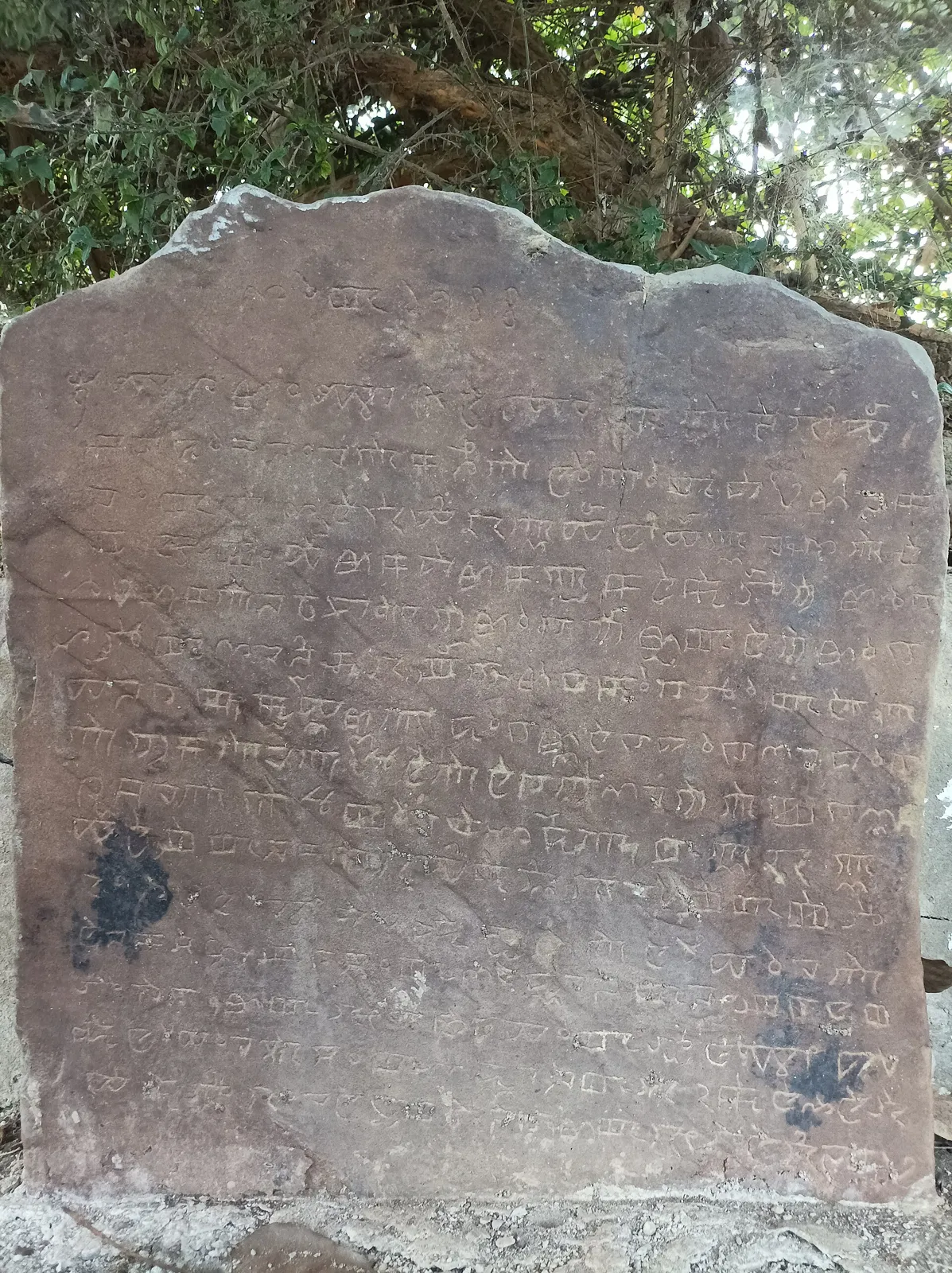
Andro, in Imphal East district, is both a village and a nagar panchayat. Visitors come to see its cultural complex, Manipuri pottery and displays of dolls representing tribal traditions.
Key facts · verified by Ghumoopedia editors
- Type of place
- Community & living culture
- Best time to visit
- October to March
- Nearest railway station
- Jiribam · about 95 km (straight line)
- Nearest airport
- Imphal International Airport · about 15 km (straight line)
- Verified
- 21 Nov 2026
Plan a trip from Andro — a day-by-day route through places nearby.
Andro is in Manipur’s Imphal East district and has the status of both a village and a nagar panchayat. Designated as a Scheduled Caste village, it has been developed to present Manipuri tribal heritage and artistic creativity. It lies about 25 km east of Imphal. A cultural complex in Andro was established and is operated by the Mutua Museum Imphal. It features pottery from across north-eastern India. The complex’s doll house displays 29 kinds of dolls, representing the cultural diversity of Manipuri tribes across the region. Authentic Manipuri pottery is available to buy, and visitors can learn a few of the craft’s techniques. The village and its displays bring together pottery and dolls as expressions of the cultural traditions and artistic work associated with Manipuri tribes. Manipur is known for Manipuri classical dance, the Meitei, Naga and Kuki-Zo communities, polo’s historic roots and the women-run Ima Keithel market. The Imphal valley has mild summers and cool winters; hill districts are colder. The monsoon brings heavy rain from June to September. The usual best time to visit is October to March. Days are short in Northeast India: the sun can set before 5 pm in winter, so plan to reach and leave Andro in daylight. Timings, fees and access arrangements must be confirmed locally. For official information, see Manipur Tourism at https://manipurtourism.gov.in.
Why it matters
Andro is a village and nagar panchayat in Imphal East district, about 25 km east of Imphal according to the existing destination guide. Its regional importance comes from its pottery traditions and from a cultural complex associated with the Mutua Museum in Imphal. The complex presents pottery from north-eastern India and a doll house displaying figures representing different Manipuri communities. It offers visitors a place to learn about craft and cultural representation alongside everyday village life. The guide describes Andro as having been developed to represent Manipuri tribal heritage; that description should be understood as a cultural project, not as a claim that one display represents every community. No UNESCO or ASI protection status is established by the available information.
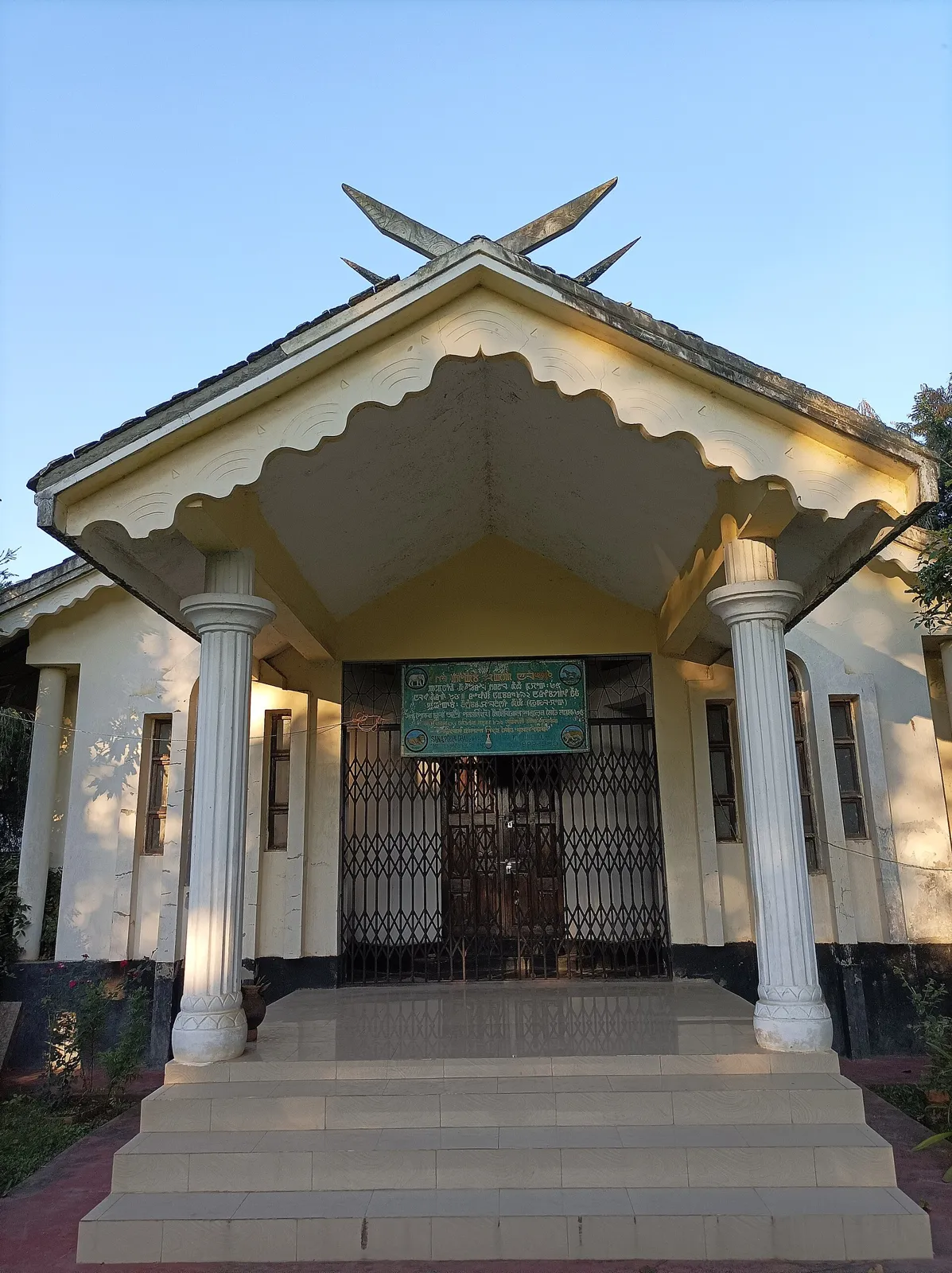
Its history is best approached through the community life and craft practices that continue there, rather than through an unsupported origin date. Pottery is an important part of Andro’s public cultural identity. Visitors may encounter locally made vessels and demonstrations or explanations of craft methods, though what is available can vary. In more recent heritage work, a cultural complex associated with the Mutua Museum in Imphal has presented pottery from north-eastern India and a doll house showing figures intended to represent the cultural mix of Manipuri communities. This has made Andro a destination for cultural visits as well as a lived-in settlement. Public descriptions do not provide reliable dates for the complex’s establishment, later alterations or any formal restoration. Ask local hosts or the complex’s managers about its development and the history of particular objects; individual displays may have their own provenance and interpretations.
Origin stories & folklore
Stories about a village’s beginnings, ancestral lineages or the origins of a craft may be preserved through local oral accounts, but they should not be presented as verified history or assumed to be shared by every resident. If a host or craft practitioner offers a story, listen to it in the context in which they tell it and ask whether it is appropriate to repeat or record. The cultural complex’s dolls and objects are displays, not evidence of one universal legend about Manipuri communities. Visitors should avoid pressing residents for sacred, private or restricted knowledge.
Use Andro as a base to understand local life: walk through the market area, visit community-run attractions and ask your host about nearby viewpoints and short excursions. Always ask before photographing people, homes or ceremonies. A comfortable itinerary is one main visit in the morning, a local meal at midday and a short nearby stop before an afternoon return. Use the district list on this site to find other places in Imphal East, but check the actual road route and its condition before combining stops. If a festival is on, local roads and stays can be busy — and the experience can be unforgettable. Leave no litter: many sites in Manipur are protected by the communities who own them.
Suggested itineraries
Half day: Reach Andro in the morning; visit the cultural complex and pottery displays; speak with a local host or maker if available; have a simple meal; return to Imphal in daylight. Full day: Travel from Imphal; explore the cultural complex and village market area; pause for a local meal; arrange a permitted pottery introduction or short nearby stop with local advice; return before dark. Gentler option: Arrange a vehicle close to the main visit, focus on one accessible display area, take seated breaks and skip uneven lanes or optional walks.
Pottery and cultural interpretation are central to Andro’s visitor experience. The cultural complex associated with the Mutua Museum displays pottery from north-eastern India and dolls representing different Manipuri communities. Local craft knowledge is best learned directly from makers, with permission, rather than treated as a performance on demand. Meiteilon (Manipuri) is widely used in the Imphal valley; other languages may also be spoken by residents and visitors. Manipuri classical dance, traditional music and regional dress are part of Manipur’s wider cultural life, but a visitor should not assume that a performance or ceremony will be taking place in Andro. Everyday customs are community-specific; greet people politely, follow a host’s lead and ask before entering private spaces.
Local communities
Andro is home to residents whose lives include family, community and local economic activities; it is not simply an open-air museum. The village and its cultural complex are associated with the presentation of Manipuri tribal heritage, while the dolls in the complex represent a cross-cultural mix of communities across the region. Avoid treating these displays as a complete account of any community. Pottery makers and other local craft workers contribute to the place’s cultural identity, and residents may also work in farming, trade, services or commute to Imphal. Community identities and livelihoods are diverse. Ask individuals how they describe their own work and affiliation rather than assigning labels based on appearance or a display.
Festivals & events
Manipur’s festival calendar includes Yaoshang, generally observed in late winter or spring; Lai Haraoba, whose season varies by locality; and Ningol Chakouba, usually in autumn. These are regional observances, and their dates follow local and lunar calendars, so they should not be assumed to be held at Andro during a particular visit. Village events or ceremonies may be announced locally and can be intended primarily for residents. When a public festival is taking place, roads and local transport may be busier, and accommodation in the wider region can be harder to arrange. Confirm event details with local hosts, follow instructions about public access and ask before photographing participants.
Local food in Manipur includes eromba (fermented fish and vegetable mash), singju salad, kangshoi stew, and chak-hao kheer made with Manipur’s black rice. Ask what is fresh that day; many small eateries cook a limited daily menu. Pork, beef, fish and fermented ingredients are common in tribal cuisines, so vegetarian travellers should explain their needs clearly — rice, dal, vegetables and eggs are usually possible in towns. Remote sites may have no restaurant at all. Carry water and snacks, eat a proper breakfast before long drives, and ask your accommodation for a packed lunch if you are heading out early. Try a homestay-cooked meal when you can — it is often the best food in the hills. Choose busy, clean places and carry your packaging back to town.
Shopping & local experiences
Look for locally made pottery and ask the maker or seller about the materials, method and appropriate care of each piece. The existing guide notes that authentic Manipuri pottery may be purchased in Andro, but stock, sellers and payment options can vary. Buy directly from a craft worker where possible and agree on safe packing before carrying fragile items. Do not remove objects from displays or collect materials from the landscape. Small shops or market activity may offer everyday goods and food, though selection is not guaranteed. Ask before photographing a maker or workshop, and avoid bargaining in a way that dismisses the time and skill involved.
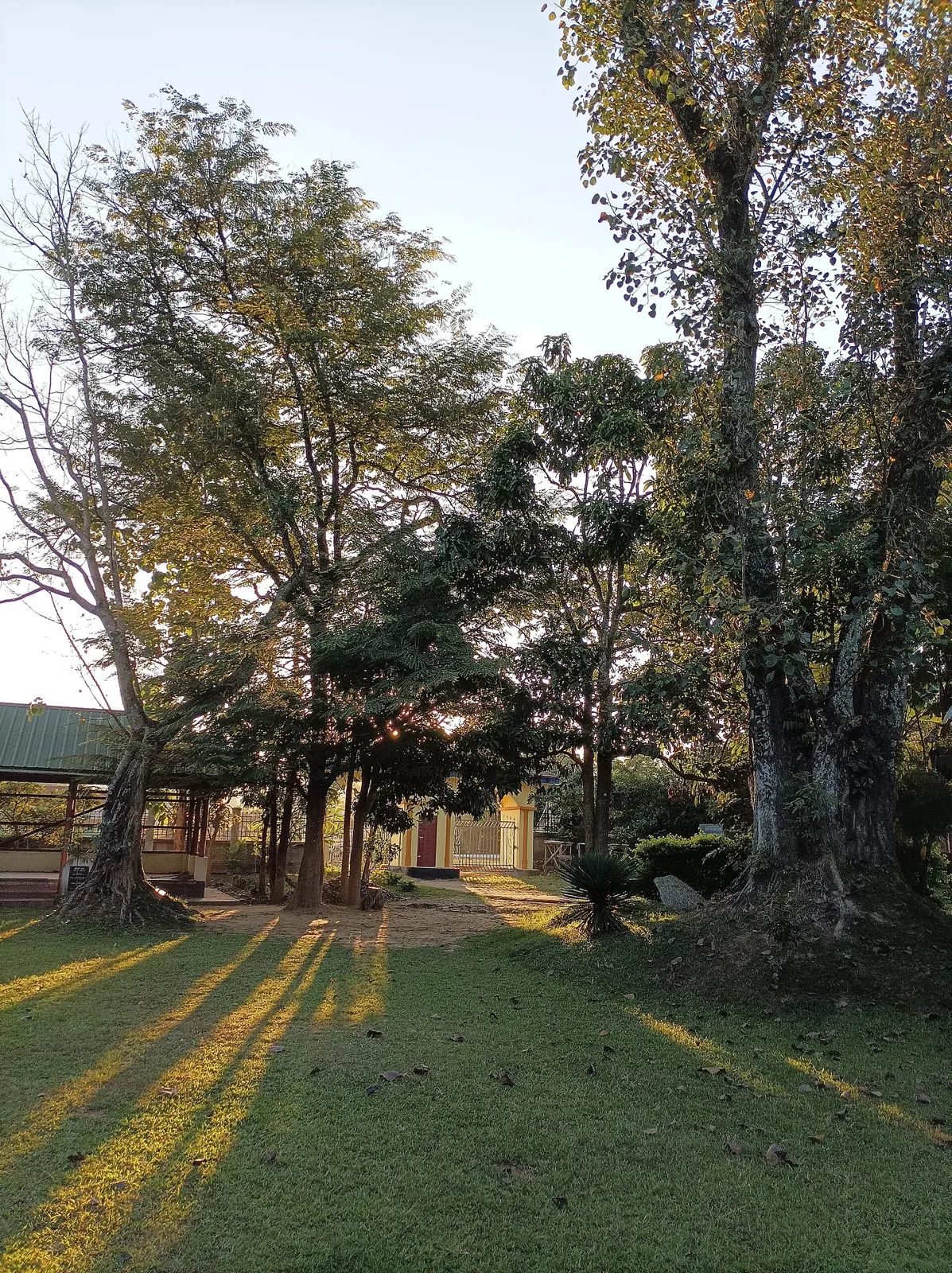
Andro lies east of Imphal in the valley-and-hill landscape of Manipur. The settlement is surrounded by a lived-in rural setting, with cultivated land and wooded or greener slopes in the wider area; the exact character of the route and views depends on season and weather. The monsoon, usually from June to September, brings heavy rain that can make paths muddy and travel slower. The cooler, drier months are generally more comfortable for walking, though winter evenings can be cool. No particular lake, forest reserve or wildlife-viewing site is established as the main attraction of Andro in the available guide. Birds and other wildlife may occur in the wider landscape, but sightings are never assured. Keep to public paths, avoid disturbing crops or habitat, and take all litter away.
October to March
The nearest principal railway station by straight-line distance is Jiribam, roughly 95 km away. The nearest operating airport by straight-line distance is Imphal International Airport, roughly 15 km away. These figures are calculated from map coordinates — hill roads in Manipur wind a lot, so actual road distance and travel time are usually much longer. Guwahati is the main rail and air hub for the region, and most long-distance journeys connect through it. For the final leg, Manipur State Transport and shared taxis from Imphal link district towns; shared taxis usually leave early in the morning and depart only when full. A private taxi gives more flexibility for remote sites. When comparing train, bus and flight, count the complete door-to-door time: a flight saves the most time only if the onward road transfer is short, while an overnight train to Guwahati plus a road journey can save a hotel night. Book your return before you leave, because seats on shared vehicles and the few daily flights fill quickly. Current train numbers, timings, return services and fares are not listed here; check IRCTC and NTES for trains and the airline’s own schedule for flights. Indian visitors who are not residents of Manipur need an Inner Line Permit, applied for through Manipur’s official ILP system. Foreign nationals should check the current Protected Area Permit and registration rules before travel.
Confirm onward and return timings on IRCTC / NTES, the state bus operator or your airline before travel. A dash means current timings or fares have not been verified.
Getting around
From Imphal, visitors generally arrange the final journey by taxi or other locally available road transport; confirm the route and return plan with the driver or host. Shared vehicles may be available but can depend on demand and may not suit a flexible visit. Within Andro, the village and public attractions are best explored on foot where paths allow. Ask before walking through residential compounds or farmland. Do not assume that local buses, autos or parking are available right beside every stop. If driving, ask locally where to park without blocking homes, narrow lanes or community activity. Plan to arrive and leave in daylight, especially in winter.
Hours, tickets & permissions
Entry arrangements can differ between the village, public areas and the cultural complex associated with the Mutua Museum. Some spaces may be managed, have admission rules or require permission for group visits, demonstrations or photography. Do not assume that every display is open whenever you arrive. Confirm current opening arrangements, any fees and camera rules directly with the managing authority or a local host before setting out. Carry identification if requested by an organiser, and follow any instructions about dress, access or areas that are closed to visitors.
Facilities
Facilities at the cultural complex and around the village can change, so check locally before relying on toilets, drinking water, seating or food service. Imphal is the more dependable place to arrange meals, cash and other supplies before travelling. Small shops or food options may be available in the village, but hours and choice are not guaranteed. Ask whether a guide or craft demonstration can be arranged and whether it needs advance notice. Parking may be informal; follow local direction and avoid obstructing residents. ATMs and broader services are more likely to be found in Imphal than at the attraction itself.
Accessibility
Conditions vary between the cultural complex, village lanes and any nearby viewpoint or excursion. Rain can make surfaces slippery, while shade and seating may be limited outside display areas. Wheelchair and stroller access should be checked with the managing authority before travel, including whether a vehicle can approach the entrance. Older visitors or anyone with limited mobility may prefer a short, vehicle-supported visit with rest breaks and a companion. Avoid committing to longer walks without checking the surface and distance locally.
Indian visitors who are not residents of Manipur need an Inner Line Permit, applied for through Manipur’s official ILP system. Foreign nationals should check the current Protected Area Permit and registration rules before travel. Carry a printed and digital copy of your permit and a photo ID at all times; checkpoints are common. Save the emergency number 112 and your accommodation’s contact offline. Heat, humidity and sudden downpours are the main weather risks; carry water and rain protection. Respect community rules, private property and posted instructions. Avoid hill road travel after dark and during heavy rain, when landslides are more likely. Check official advisories for the region before travel, and follow local guidance if access changes.
Visitor rules
Treat Andro as a living community, not a staged attraction. Dress comfortably and respectfully, wear stable footwear and follow any instructions from the cultural complex or local hosts. Ask before entering homes, workshops, farmland or spaces marked as private. Do not touch pottery, dolls or other displays unless invited to do so. Follow local guidance about restricted areas and ceremonies, and avoid loud or disruptive behaviour. Carry litter back with you and minimise single-use plastic. Ask permission before photographing people or their belongings; additional restrictions may apply inside displays or during community events.
Photography
Soft morning or late-afternoon light can suit village streets and outdoor scenes, but keep enough time to leave before dark. The cultural complex’s exhibits may have their own camera rules, so ask staff or the managing authority before taking pictures. Always seek consent before photographing residents, homes, workshops or children, and do not assume a public ceremony is open to photography. Avoid blocking paths or interrupting work for a picture. Drone use can raise privacy, safety and local-permission concerns; do not fly one without checking applicable rules and obtaining permission from the relevant authorities and people affected.
Choose a stay by the full journey to Andro, not just the district name. Main towns in Imphal East usually offer hotels, state tourism lodges and homestays with better transport, meals and medical access, while village homestays offer a closer connection to local life. In the plains and valleys, check fans or air-conditioning and mosquito nets in summer. Book in advance for weekends, festival dates and the peak season (October to March). Confirm the exact location, meals included, check-in time and cancellation terms in writing. Many homestays accept payment on arrival; avoid sending money to unverified contacts. Mobile network and digital payments can be unreliable in remote areas, so carry some cash.
Imphal is the most practical place to combine with a visit to Andro. In the wider city area, Kangla Fort, Ima Keithel and the Manipur State Museum are established cultural stops, though their locations and access arrangements should be checked when planning the route. These are separate attractions and may take substantial time to visit; do not assume they fit comfortably into the same half-day outing. Other stops in Imphal East may be suggested by local hosts, but check road conditions and opening arrangements before adding them. A straightforward plan is to visit Andro as the main excursion and explore Imphal’s sights on a separate day.
For couples, Andro rewards a slow pace: arrive early for soft light and fewer crowds, share a local meal and keep the evening free. Public displays of affection can be frowned upon in conservative communities and at religious sites, so be discreet. A homestay can make the trip memorable — confirm privacy, hot water and transport back. Keep a buffer day in your itinerary, because weather and road closures can delay plans in Manipur.
Q: How much time should I allow for Andro? A: Allow at least a half day for the cultural complex and a brief village visit; a fuller visit needs more time for a meal and locally arranged activities. Q: When is a good season to visit? A: October to March is generally comfortable in the Imphal valley. Monsoon rain from June to September can make travel and walking less convenient. Q: Is there an entry fee or set admission arrangement? A: Rules may vary between public village areas and the cultural complex. Confirm current entry arrangements and any fees with the managing authority. Q: Is Andro suitable for children or elderly visitors? A: It can suit a short, paced visit, but surfaces and access vary. Check mobility needs in advance, supervise children around displays and take breaks. Q: Can I stay overnight in Andro? A: Do not assume accommodation is available in the village. Imphal is the practical base for many visitors; check locally for any suitable nearby stay.
Be the first to share photos, stories, advice or a helpful contact for Andro.
Loading…