Ghumoopedia — Explore, Discover, Experience
Sign in
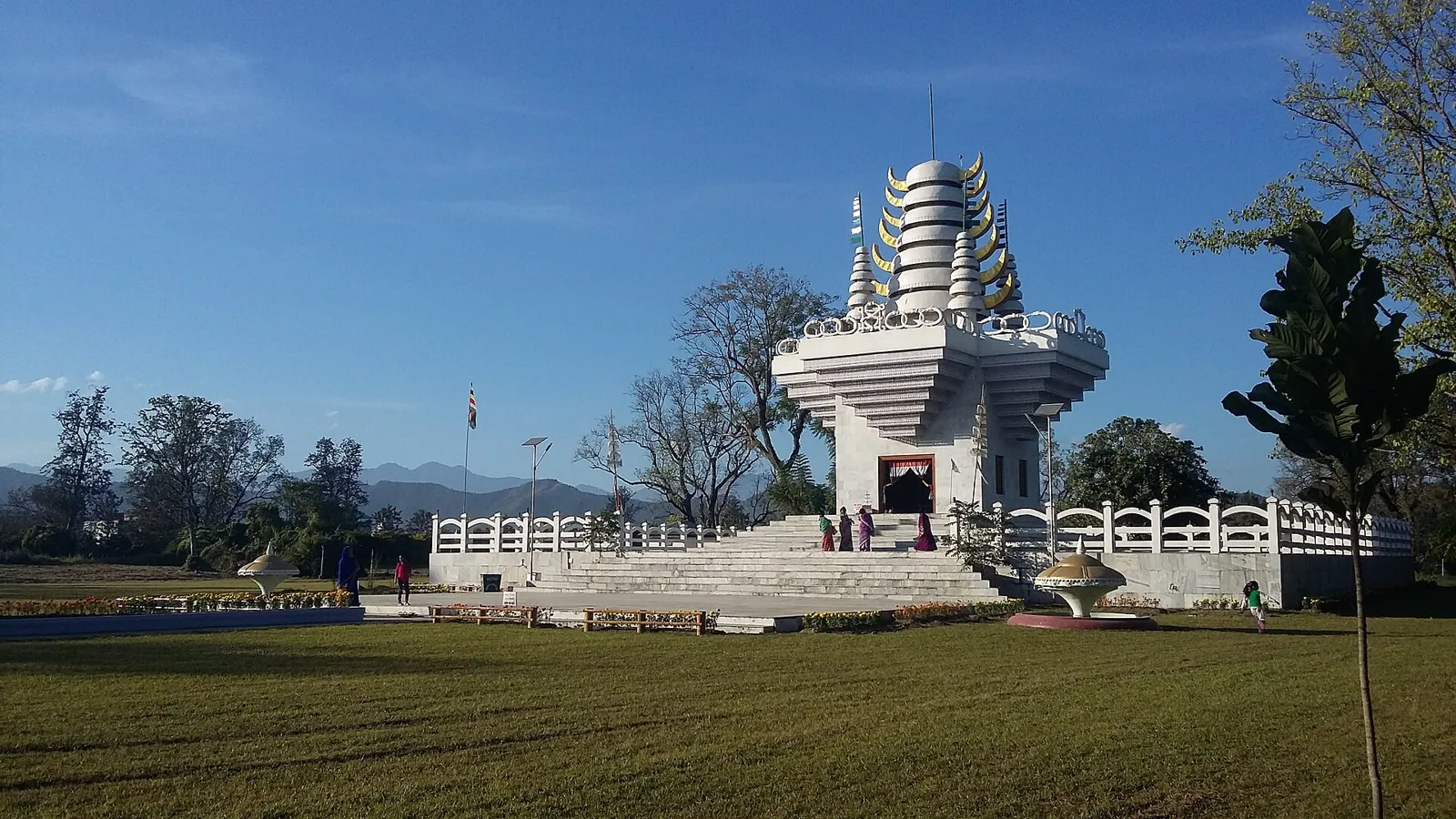
Andro, near Imphal

City guide · Manipur

Imphal

Imphal is the capital and principal urban centre of Manipur, serving as a hub for the state’s government, commerce, education and transport. Set in the Imphal Valley and encircled by hills, it connects visitors with Manipur’s distinctive landscapes and cultural traditions.

Famous for

  • Kangla Fort
  • Ima Keithel market
  • Manipuri handloom
  • Meitei cuisine
  • Yaoshang festival
In the city
6
Districts
Imphal East, Imphal West

Why Imphal matters

Imphal is the capital and principal urban centre of Manipur, serving as a hub for the state’s government, commerce, education and transport. Set in the Imphal Valley and encircled by hills, it connects visitors with Manipur’s distinctive landscapes and cultural traditions. The city’s most prominent historic site is Kangla Fort, the former seat of Manipuri rulers, whose grounds preserve remains of the royal complex and other important structures.

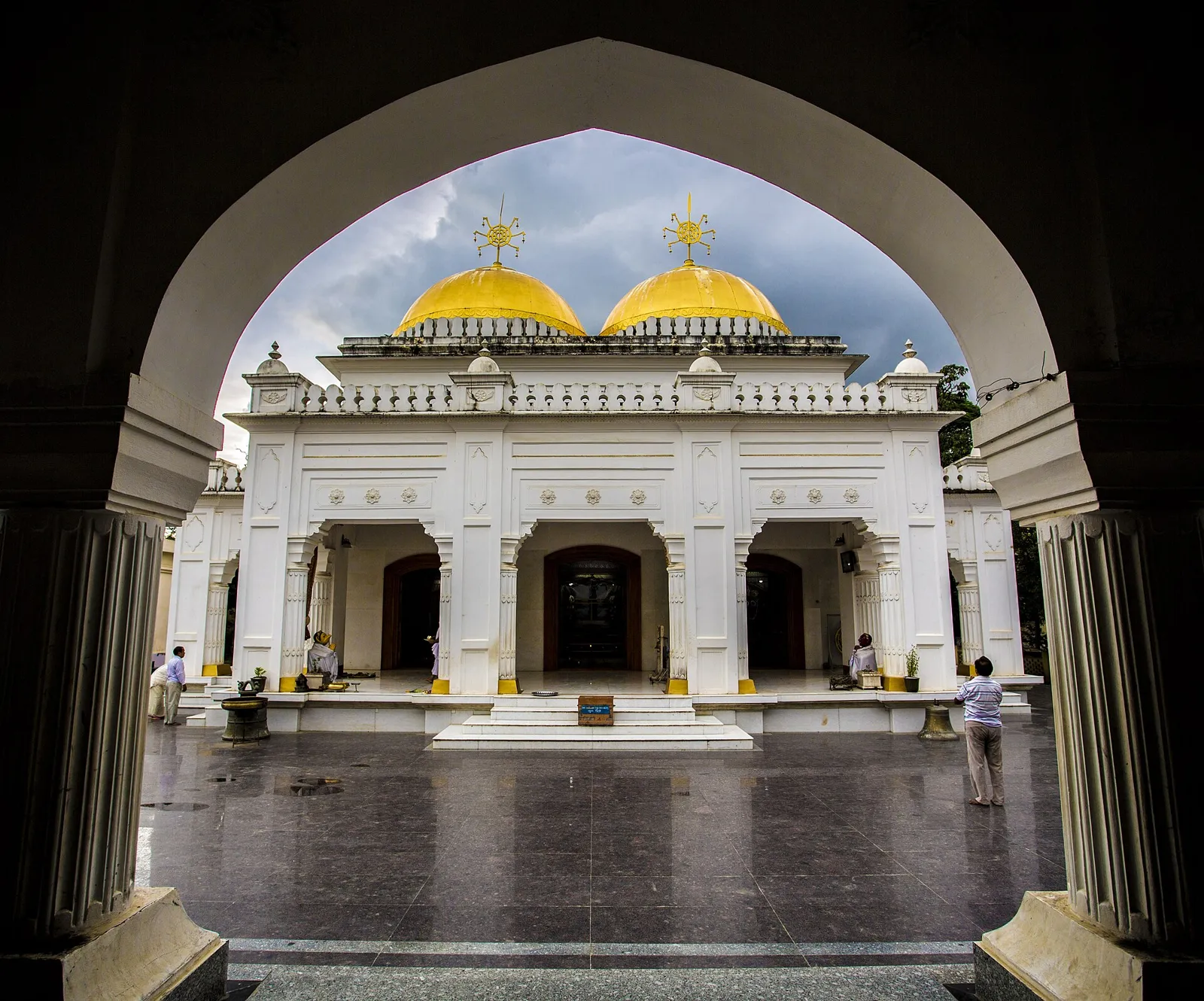
Visitors come for the lively women-run Ima Keithel market, local handloom and crafts, Meitei food, and landmarks such as Shree Govindajee Temple. Imphal is also a useful base for excursions to places around the valley, including Loktak Lake and historic sites farther afield. Its markets and small industries reflect a strong tradition of weaving and metalwork, while contemporary shops and institutions serve people from across the state. Imphal’s role in the 1944 Battle of Imphal also gives the city a significant place in the history of the Second World War in Asia.
Famous for: crafts, trade & products

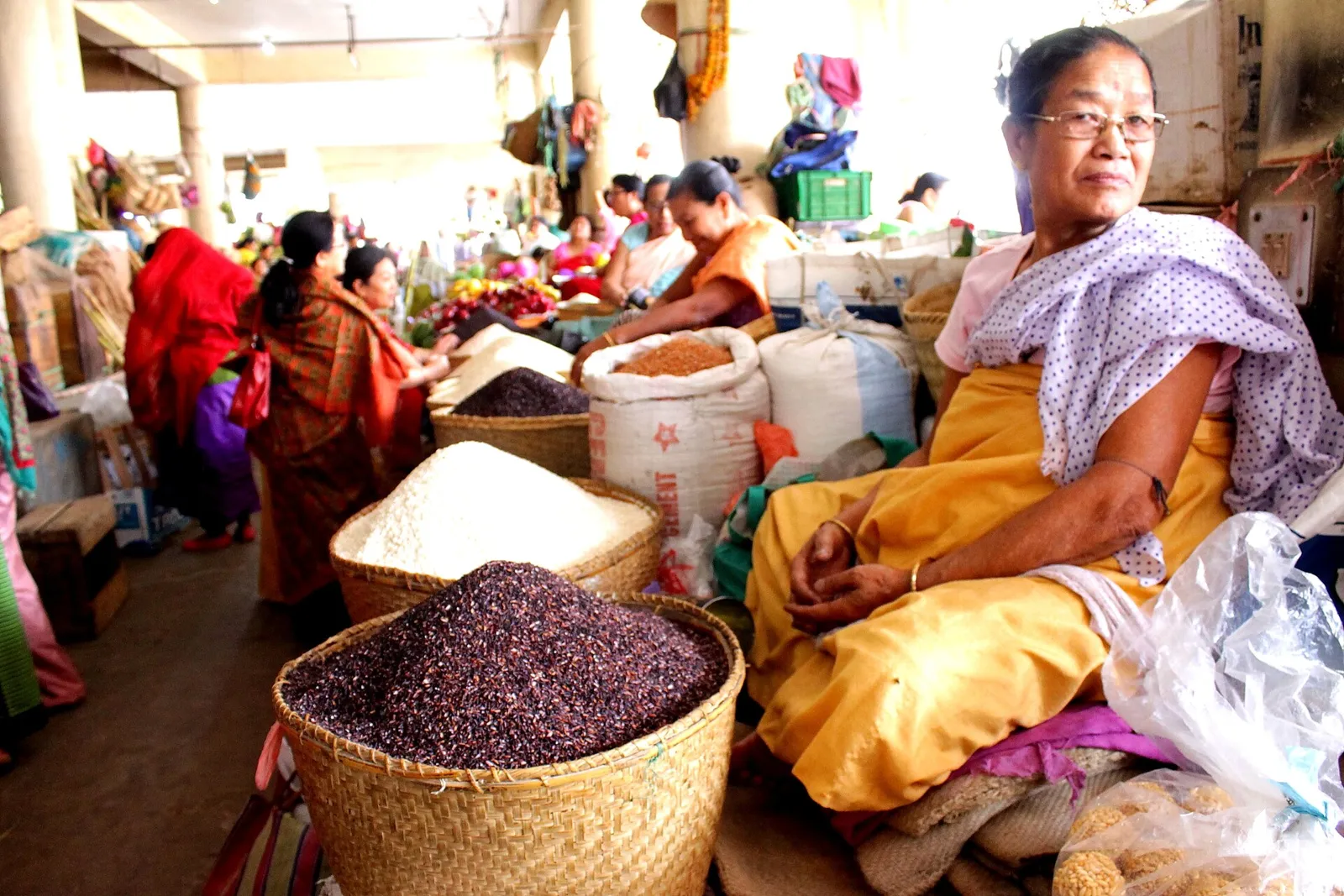
Imphal is a centre for Manipur’s handloom tradition. Woven fabrics include phanek, a wraparound garment, and fine regional textiles such as Moirang Phee, Wangkhei Phee and Shaphee Lanphee, which have Geographical Indication recognition. Weaving is carried out across the state, and visitors can look for textiles at Ima Keithel, Paona Bazaar, Thangal Bazaar and specialist handloom outlets. The women-run Ima Keithel is also a place to browse everyday goods, produce and locally made items.

The city and its markets are associated with cottage industries including brass- and bronze-work. Manipur crafts sold in Imphal can also include Longpi black pottery, made in the hill village of Longpi, and items crafted from kouna, a wetland reed. These are regional products rather than goods made exclusively in the city, so visitors may find them through craft outlets and seasonal fairs as well as market stalls. Imphal’s commercial role makes it a practical place to seek out handmade textiles, household crafts and local products, though availability and selection vary by seller.

History

Imphal’s history is closely tied to Kangla, the royal centre of the former Kingdom of Manipur. Tradition traces the establishment of Kangla to King Pakhangba in 33 CE. The Ningthouja dynasty became dominant, and rulers including Khagemba and his son Khunjaoba developed the royal palace. The kingdom endured periods of conflict, including Burmese invasions, before facing British intervention amid disputes within the royal family.

The Anglo-Manipur War of 1891 ended in British victory. Several Manipuri leaders were executed or imprisoned, and the royal complex was later damaged during British rule. In 1944, Imphal became the scene of a major Second World War campaign: Japanese forces besieged the area but were defeated by Allied troops. After Indian independence and the formation of Manipur as a state, Imphal grew as the state capital and its administrative and commercial centre. Today, urban development sits alongside the remains and memorials that recall these earlier chapters.

Food, festivals & culture

Meiteilon, also called Manipuri, is widely spoken in Imphal; English and other languages of Manipur are also heard. Meitei food often combines rice with vegetables, herbs and fermented ingredients. Local favourites include eromba, a mash of vegetables and chillies often prepared with fermented fish, and singju, a finely cut vegetable salad. Chamthong is a light vegetable stew, while chak-hao, the region’s aromatic black rice, is used in desserts such as kheer.

Yaoshang, held around February or March, is among the city’s best-known festivals and brings community celebrations, sports and performances. Ningol Chakouba, usually in autumn, centres on family gatherings; Cheiraoba marks the Meitei new year in spring. Lai Haraoba, a ritual festival associated with traditional deities, includes song and dance, while the Sangai Festival in November showcases Manipur’s culture and crafts. Classical Manipuri dance and devotional music are important traditions. Places of worship include Kangla’s sacred sites, Shree Govindajee Temple, churches and mosques.

Visiting the city

October to April is generally a comfortable time to visit, with drier weather; winter mornings can be cold and foggy. The monsoon months bring frequent rain. Bir Tikendrajit International Airport, also called Imphal International Airport, serves the city. Imphal itself has no operating railway station; Jiribam is a named railhead, while rail access toward Imphal has been developing, so check current services before planning a train journey.

Within the city, visitors can use taxis, auto-rickshaws and local buses, or arrange a car for excursions. Kangla Fort and the surrounding central area make a good starting point. Explore Ima Keithel and the adjoining Khwairamband Bazaar for market life, then visit Shree Govindajee Temple and nearby historic sites. Paona Bazaar and Thangal Bazaar are useful areas for shopping and everyday city activity.

Attractions

Places to visit in Imphal

Sights within about 12 km of each other, even when they fall in different districts.

Map

Imphal on the map

  1. 1Andro
  2. 2Ima Market
  3. 3Imphal War Cemetery
  4. 4Kangla Fort
  5. 5Manipur State Museum
  6. 6Shree Govindajee Temple

Manipur

Other cities to explore