Ghumoopedia — Explore, Discover, Experience
Sign in
Longpi, near Phek

City guide · Manipur

Phek

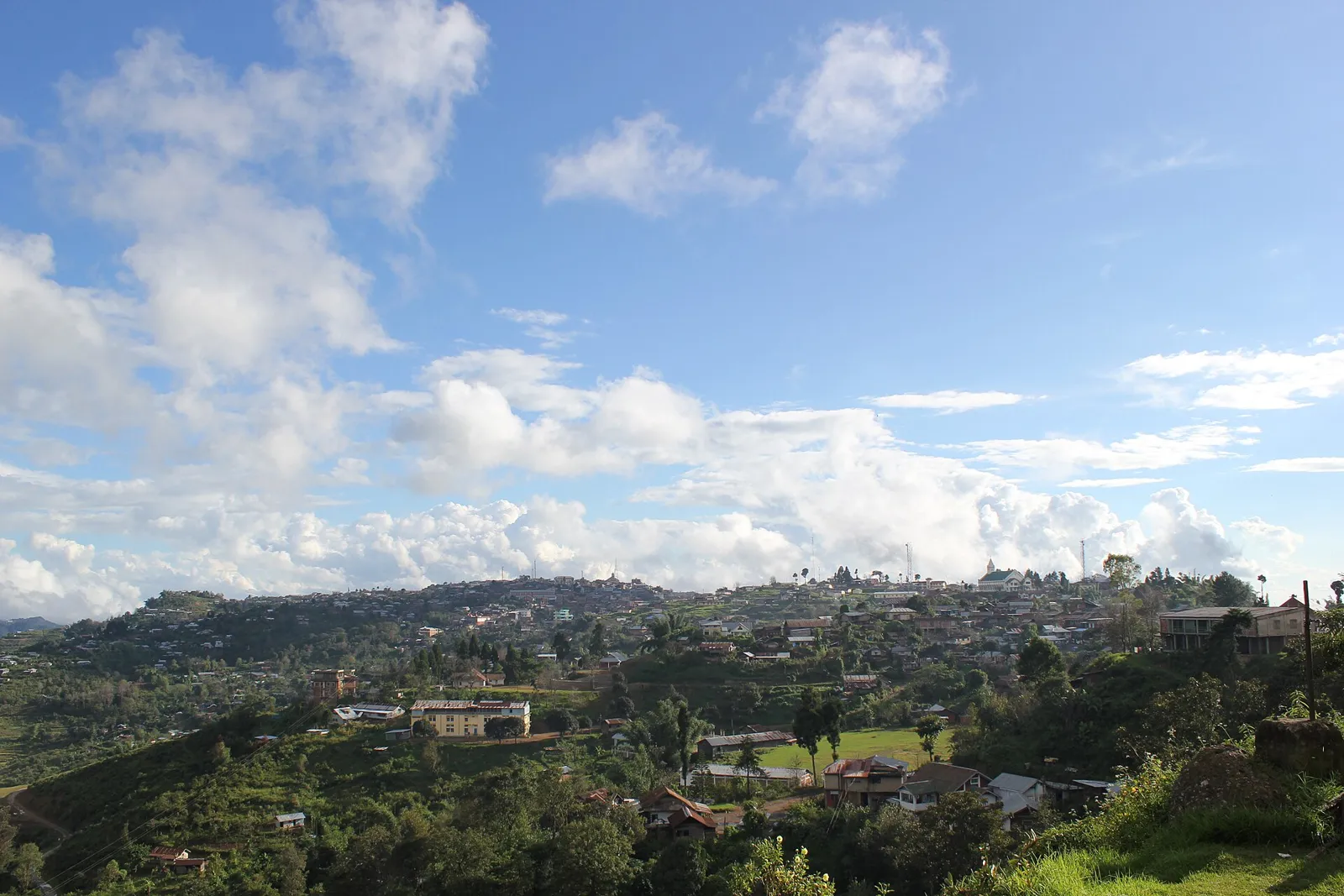
Phek is a town in Nagaland, not Manipur, and serves as the administrative headquarters of Phek district. Set among the hills of south-eastern Nagaland, it is a centre for government services and a practical base for exploring nearby Naga villages and the district’s wooded uplands.

Famous for

  • Chokri Naga heritage
  • Phek district headquarters
  • Chakhesang traditions
  • Phek district landscapes
  • Local handwoven shawls
Plan a tripHotels near Phek

Why Phek matters

Phek is a town in Nagaland, not Manipur, and serves as the administrative headquarters of Phek district. Set among the hills of south-eastern Nagaland, it is a centre for government services and a practical base for exploring nearby Naga villages and the district’s wooded uplands. The town is closely associated with Chokri Naga and wider Chakhesang traditions, which shape its languages, community life and cultural events.

Visitors are drawn less by large urban attractions than by the region’s landscapes and living village culture. Journeys from Phek can lead towards places such as Shilloi Lake and Khezhakeno, as well as settlements known for distinctive customs and local histories. The town itself offers a glimpse of everyday life in a small hill-district centre, with shops, churches and administrative offices serving surrounding communities. Phek matters as both a local service hub and a starting point for experiencing a less-visited part of Nagaland.
Famous for: crafts, trade & products

Phek is not widely known as a large manufacturing or commercial centre. Its local economy serves the town and nearby villages, with shops and markets supplying daily needs and trading in regional produce. Agriculture remains important across the district; crops and forest products move through local markets, although availability varies by season. Visitors should treat Phek as a place to encounter local trade rather than as a specialist shopping destination.

Handwoven shawls, traditional clothing and bamboo or cane work are part of Naga craft traditions in the wider region. Their designs and availability can differ between communities, and they may be easiest to find through local sellers or village contacts rather than dedicated craft outlets. Ask permission before photographing makers or their work, and confirm the community and origin of an item before buying. No particular GI-tagged product or major textile industry is strongly associated with Phek town itself. The district headquarters, local shops and market area are the most practical places to ask about locally made goods and seasonal produce.

History

Phek’s history is rooted in the village-based societies of the Naga Hills. Chokri Naga communities have longstanding ties to the area, while the wider district is home to Chakhesang and other Naga communities. Before modern district administration, village institutions and customary practices played a central role in local affairs; there was no single royal court governing the town in the manner of a princely capital.

British administration expanded into the Naga Hills during the colonial period, bringing changes in governance and contact with outside institutions. After India’s independence, the Naga Hills became part of the state of Nagaland, which was formed in 1963. Phek district was established in 1973, and the town developed as its administrative centre. Government offices, roads, schools and churches have since strengthened Phek’s role as a service hub for surrounding settlements. Its modern growth remains closely tied to district administration and regional connections rather than large-scale industry.

Food, festivals & culture

Life in Phek reflects Chokri Naga and wider Chakhesang customs, alongside contemporary Christian community life. Chokri and other local Naga languages are used in the area; English and Nagamese are also useful for communication. Churches, especially Baptist congregations, are important places of worship and community gathering. Traditional songs, oral histories and dances are shared at festivals and cultural events, though performances and customs vary between villages.

Tsükhenye, a Chakhesang festival generally observed in spring, is among the region’s best-known celebrations. Community gatherings may include traditional dress, singing, dancing and shared meals. Everyday food commonly centres on rice, vegetables, smoked meat and fermented ingredients; preparations vary from household to household. Bamboo shoot, chillies and fermented soybean products feature in regional cooking. There is no single sweet that defines Phek, and visitors may find local snacks or festive foods through homes and community events rather than formal restaurants. Ask before photographing ceremonies or people in traditional clothing.

Visiting the city

The drier months, roughly October to May, are generally more convenient for road travel; monsoon rain can make hill journeys slower. Phek is in Nagaland, not Manipur. The nearest airport is Dimapur Airport, and Dimapur Railway Station is the main rail connection. From there, visitors typically continue by road, often travelling via Kohima; onward transport may involve shared vehicles or a hired car, depending on local availability.

Phek is compact, and the town centre and market area are the most practical places to explore on foot. Local vehicles can help with trips beyond the centre, but confirm road conditions and onward transport locally, especially when visiting villages or district attractions such as Shilloi Lake. Allow time for winding mountain roads, and arrange village visits respectfully through local contacts where possible.

Trips from the city

Nearest places to visit from Phek

Our closest destination guides, by straight-line distance.

Longpi

52 km away · Ukhrul district

Longpi

Longpi is the shared name for Longpi Kajui and Longpi Khullen in Manipur’s Ukhrul district. Travellers encounter the paired villages on the route north of Ukhrul.

Ukhrul

65 km away · Ukhrul district

Ukhrul

Ukhrul, the administrative centre of Manipur’s Ukhrul district, is a hill town associated with the Tangkhul Naga people and known for the Shirui Lily.

Andro

108 km away · Imphal East district

Andro

Andro, in Imphal East district, is both a village and a nagar panchayat. Visitors come to see its cultural complex, Manipuri pottery and displays of dolls representing tribal traditions.

109 km away · Imphal East district

Imphal War Cemetery

Imphal War Cemetery is a Second World War burial ground in Manipur’s capital. Visitors come to remember its 1,600 Commonwealth dead, including people killed in the Battle of Kohima and Imphal.

Ima Market

111 km away · Imphal West district

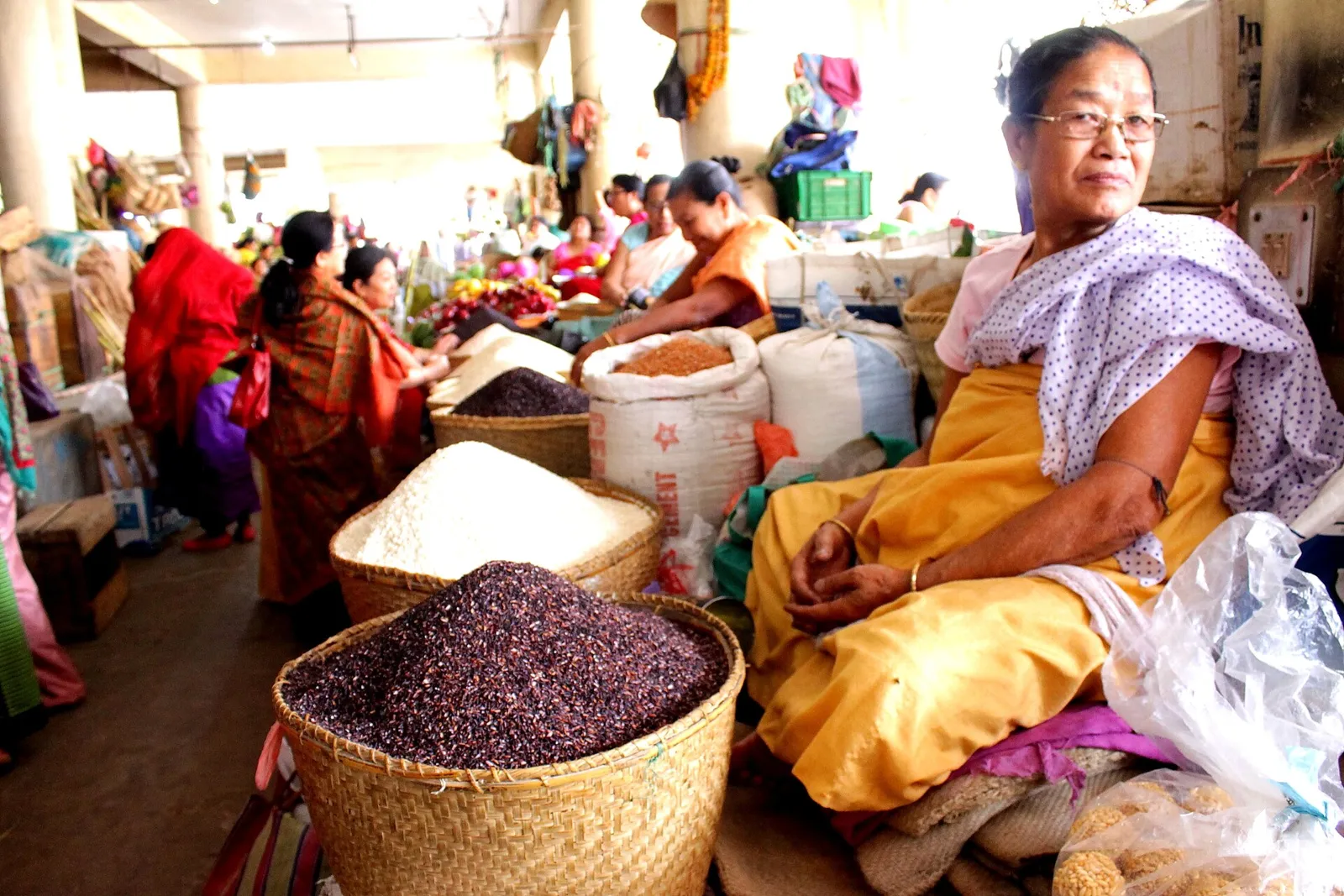
Ima Market

In central Imphal, Ima Market is a marketplace run exclusively by women, also known as Nupi Keithel and Khwairamband Keithel. Visitors come to see its many sellers and wide selection of goods.

Kangla Fort

111 km away · Imphal West district

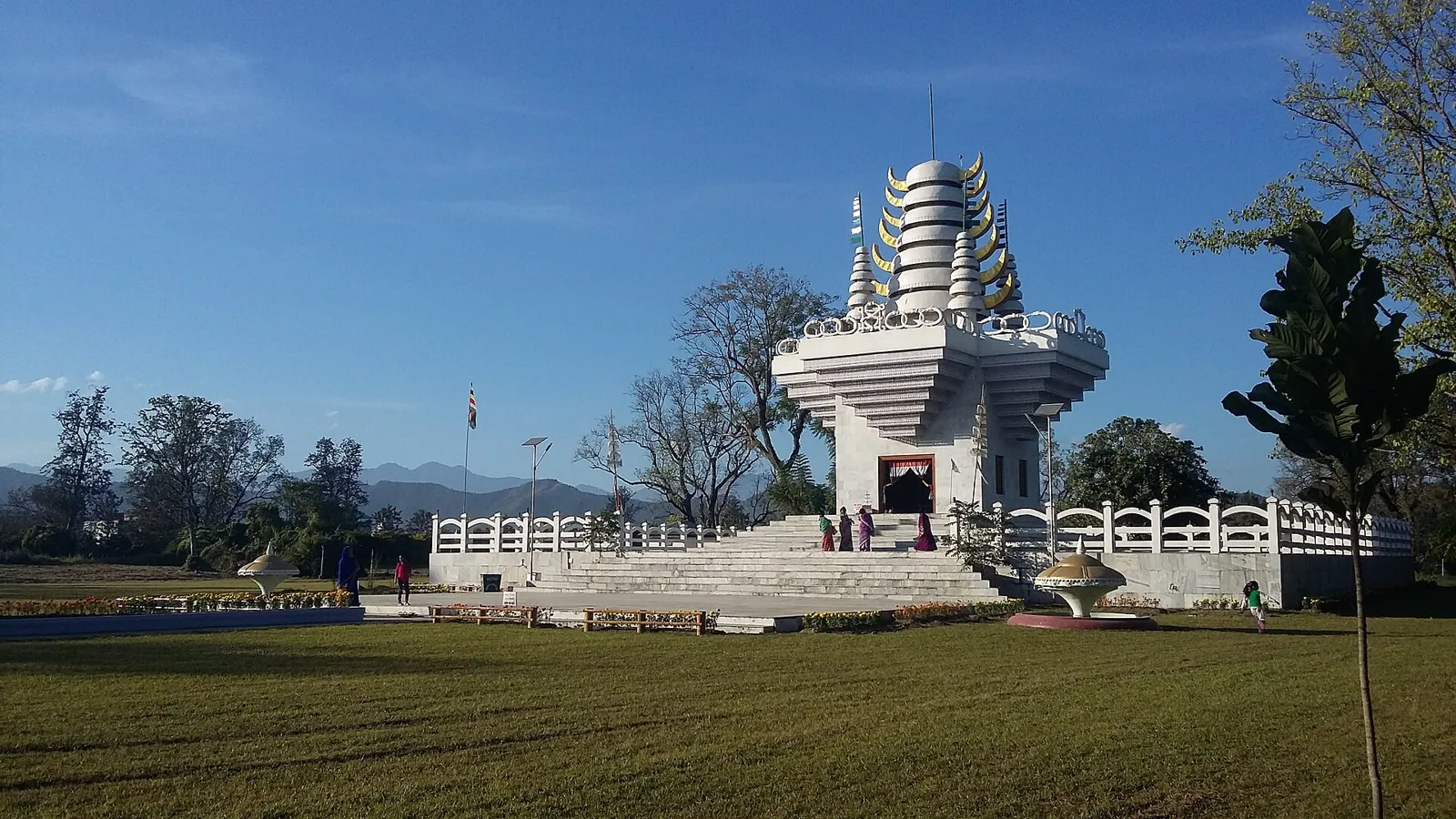
Kangla Fort

Kangla Fort is a historic royal complex in Imphal, Manipur, linked to the Meitei kings of the Ningthouja dynasty. Visitors come to see its palace buildings and cultural features.

Manipur State Museum

111 km away · Imphal West district

Manipur State Museum

Located in Imphal West, the Manipur State Museum brings together objects connected with art, culture, history and science. Visitors can explore its collections and galleries devoted to natural history, ethnology and archaeology.

Shree Govindajee Temple

111 km away · Imphal East district

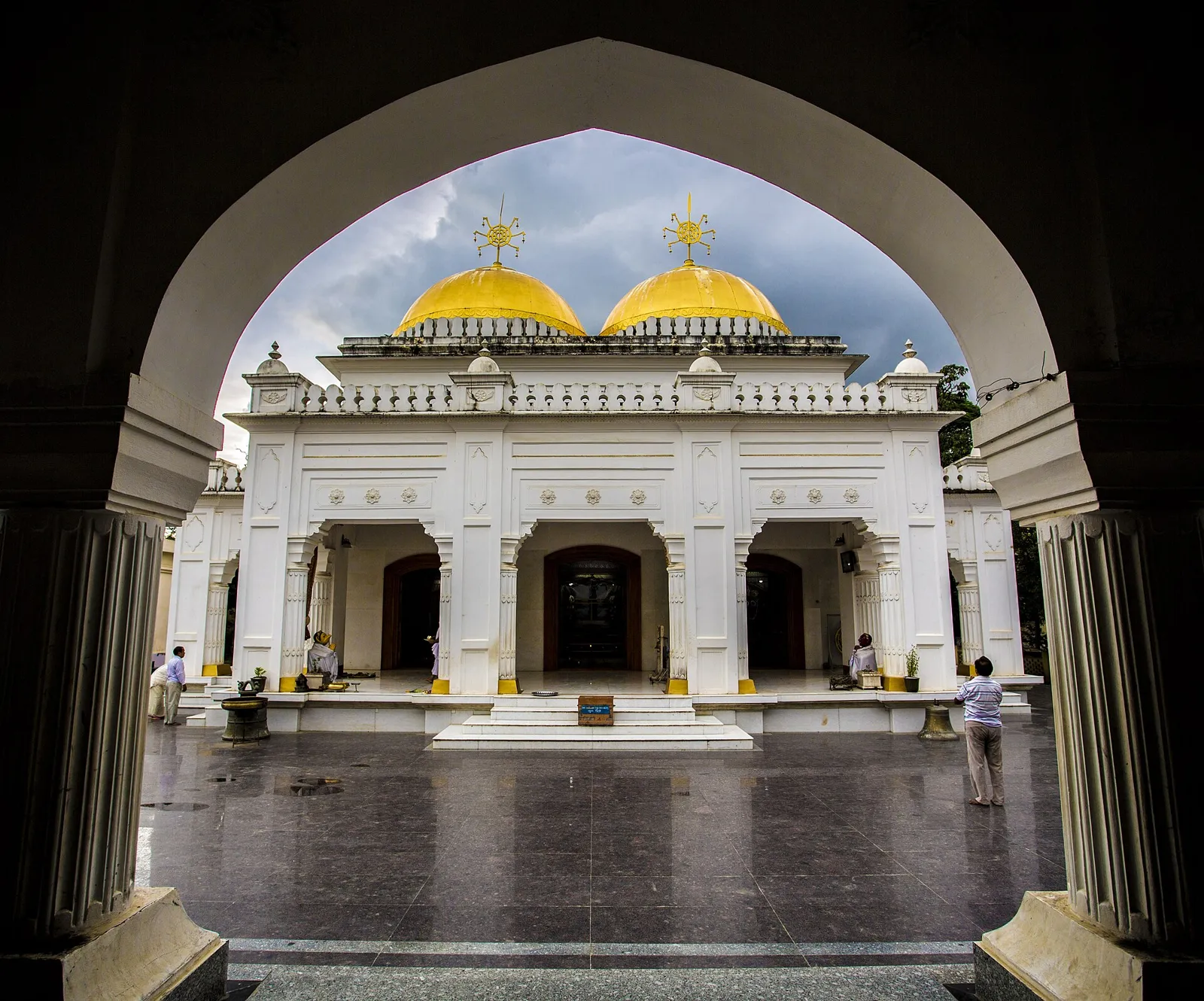
Shree Govindajee Temple

A Meitei Hindu shrine in Imphal East, Shree Govindajee Temple is dedicated to Radha and Krishna as Govindaji. Visitors come to worship at the largest Vaishnava temple in Imphal district.

Map

Phek on the map

  1. 1Longpi
  2. 2Ukhrul
  3. 3Andro
  4. 4Imphal War Cemetery
  5. 5Ima Market
  6. 6Kangla Fort
  7. 7Manipur State Museum
  8. 8Shree Govindajee Temple

Manipur

Other cities to explore