Ghumoopedia — Explore, Discover, Experience
Sign in
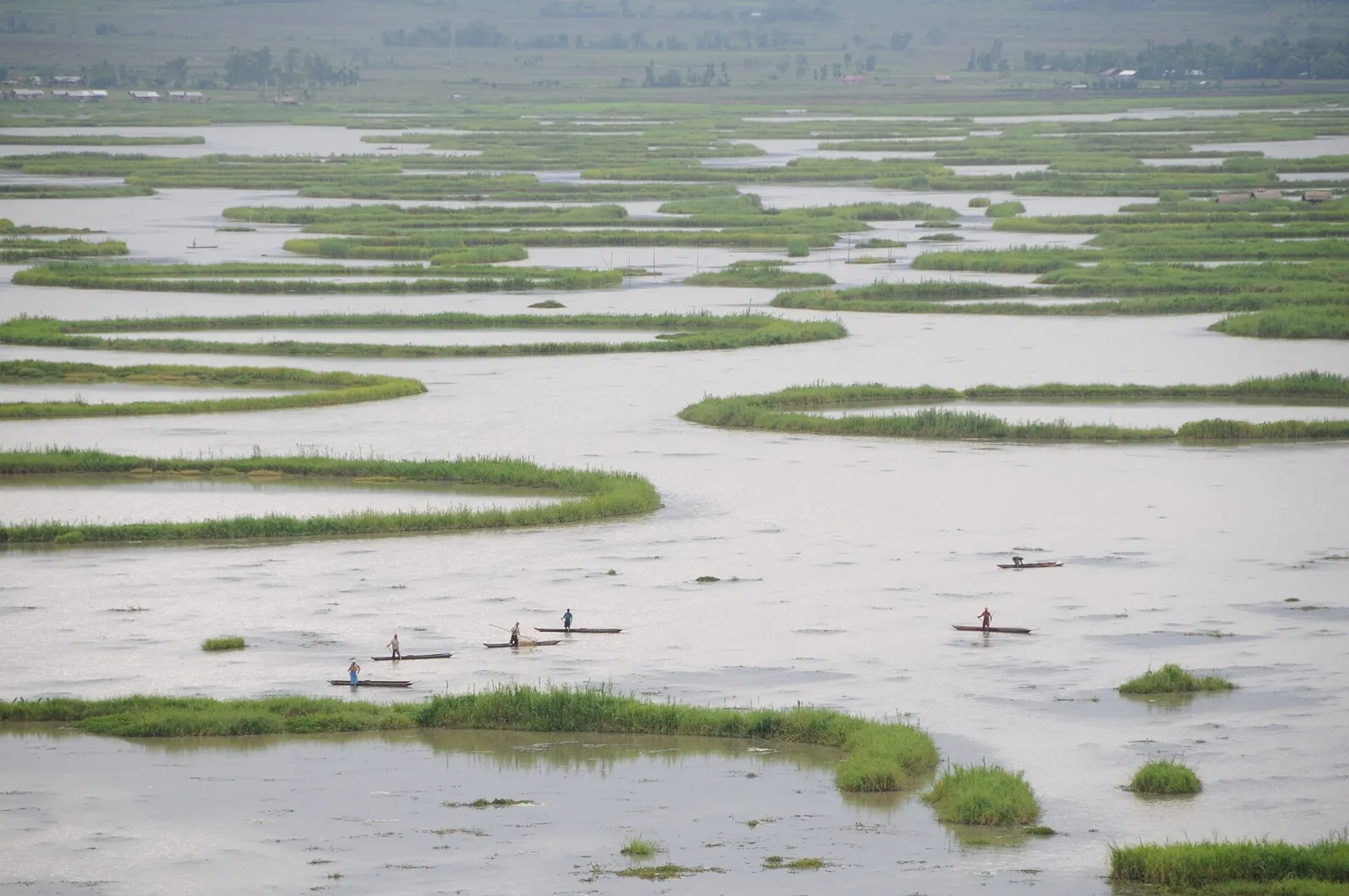
Loktak Lake, near Bishnupur

City guide · Manipur

Bishnupur

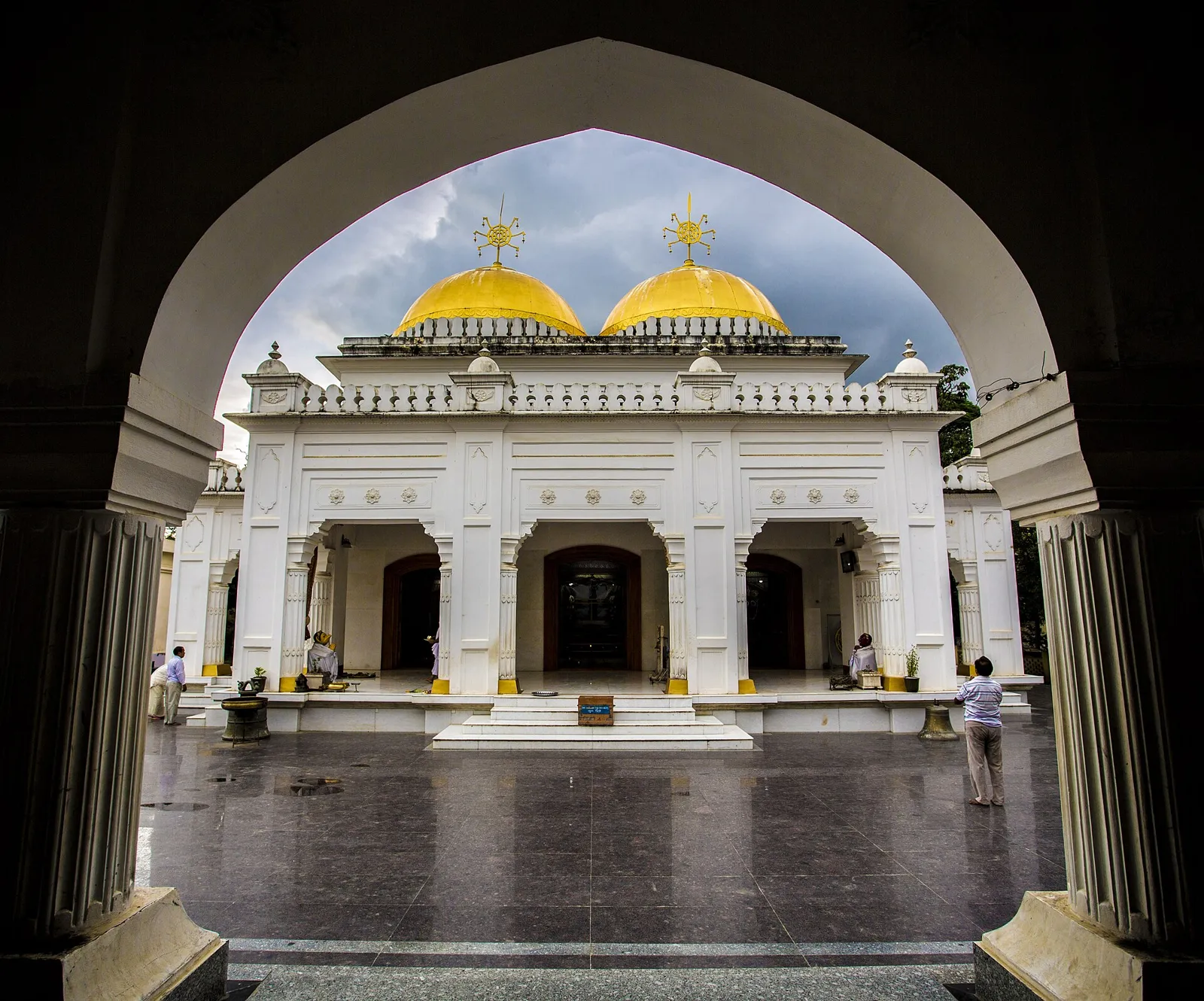
Bishnupur is a town in Manipur’s valley region and the administrative headquarters of Bishnupur district. Its name is linked to an old Vishnu temple, a landmark that reflects the town’s place in the region’s religious and historical landscape.

Famous for

  • Ancient Vishnu temple
  • Tongjei Maril route
  • Second World War history
  • Bishnupur district headquarters
  • Gateway to Loktak Lake

Why Bishnupur matters

Bishnupur is a town in Manipur’s valley region and the administrative headquarters of Bishnupur district. Its name is linked to an old Vishnu temple, a landmark that reflects the town’s place in the region’s religious and historical landscape. Bishnupur also lies along the route of Tongjei Maril, an important historic passage connecting Manipur with the rest of India.

Visitors come for the temple and for the area’s wartime history: fierce fighting took place here during the Second World War, and Major-General Orde Wingate died in a plane crash nearby while returning from Burma. The town is also a useful base for exploring the wider district and nearby attractions, including Loktak Lake and the sites around Moirang. Today, Bishnupur serves local communities through its district offices, shops and road connections, while offering travellers a quieter stop between Imphal and the southern parts of the valley.
Famous for: crafts, trade & products

Bishnupur is better known for its temple and history than for a craft or textile industry unique to the town. Its local shops and markets serve residents from surrounding settlements, with everyday goods and regional produce. Manipur handloom is part of the wider valley’s cultural economy: phanek and innaphi are among the traditional garments visitors may encounter in local retail outlets, although production and sales are spread across the state rather than concentrated in Bishnupur.

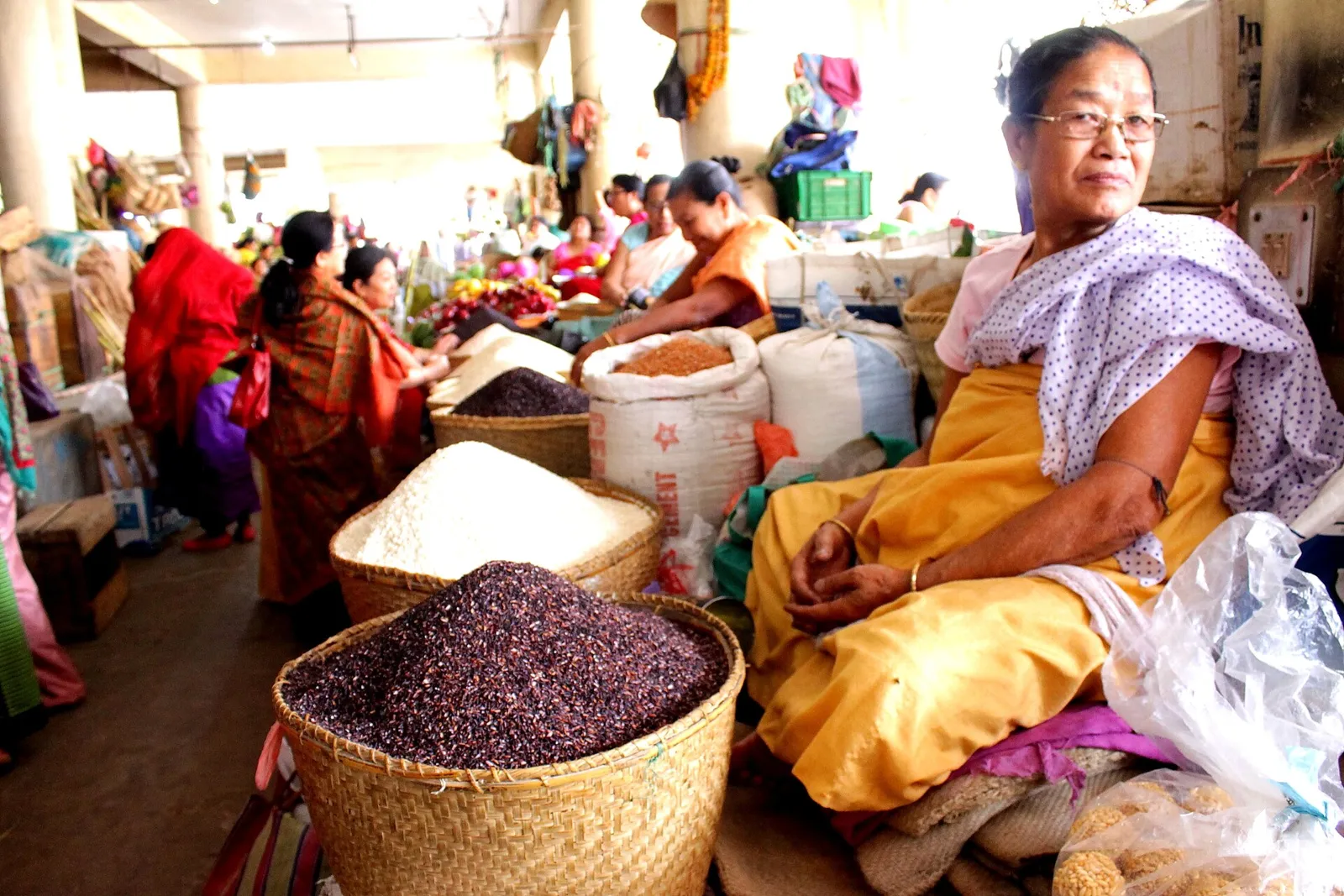
Regional foods and agricultural products may also appear in the town’s markets. Chak-Hao, the aromatic black rice associated with Manipur, is a recognised regional product, but it should not be regarded as exclusive to Bishnupur. Kauna reed crafts and other handmade goods are likewise associated with Manipur more broadly; availability varies by shop and season. For visitors hoping to buy textiles or crafts, ask locally about current sellers and markets rather than expecting a dedicated craft district. The Vishnu temple remains the town’s most distinctive landmark and the clearest expression of its local identity.

History

Bishnupur developed around an old temple dedicated to Vishnu, from which the town takes its name. There is no established record of exactly when the name came into use; it is commonly associated with the reign of King Bhagyachandra in the mid-18th century. The temple’s history reaches further back, and it stands as a reminder of the region’s changing royal and religious traditions.

The historic Tongjei Maril passage ran through Bishnupur and was once a key route between Manipur and the rest of India. In the colonial era, the town and its surroundings became part of the Second World War campaign in the region. Allied and Japanese forces fought here, and British officer Major-General Orde Wingate was killed in a plane crash nearby while returning from Burma. The wartime legacy continues to draw remembrance, including visits by descendants of Japanese soldiers who died in the area. In modern Manipur, Bishnupur has grown as the administrative headquarters of its district and a road-connected town serving the surrounding valley.

Food, festivals & culture

Meiteilon, also known as Manipuri, is widely spoken in the area; other languages may be heard among residents and visitors. Food reflects the wider valley tradition, with dishes such as eromba, singju and kangshoi commonly associated with Manipuri cooking. Chak-Hao rice is used in regional sweets and desserts, though menus and availability differ between eateries. Small local restaurants are a good place to ask about seasonal dishes.

Yaoshang, usually held in February or March, is one of Manipur’s best-known festivals, with community celebrations and traditional games. Lai Haraoba is generally observed in the warmer months, while Ningol Chakouba usually falls in autumn and brings families together. The spring festival Cheiraoba marks the Manipuri New Year. Music and dance, including the classical form of Manipuri dance, are important across the state. Bishnupur’s old Vishnu temple is a notable place of worship; religious life in the wider region also reflects diverse Hindu and indigenous traditions.

Visiting the city

October to April is generally a comfortable period to visit, with cooler, drier weather than during the monsoon. Bishnupur is reached by road from Imphal, whose Bir Tikendrajit International Airport is the nearest airport for most visitors. Rail access to the valley is limited; Jiribam is a railhead used for travel into Manipur, but onward travel to Bishnupur requires a substantial road journey. Check current transport connections before setting out.

Shared vehicles, taxis and buses connect Bishnupur with Imphal and nearby towns; local taxis or hired vehicles are useful for temple visits and excursions. Explore the old Vishnu temple and the town centre, then consider trips toward Moirang, Loktak Lake and nearby wartime heritage sites. The main road corridor is the most practical area for finding transport, food and everyday services.

Trips from the city

Nearest places to visit from Bishnupur

Our closest destination guides, by straight-line distance.

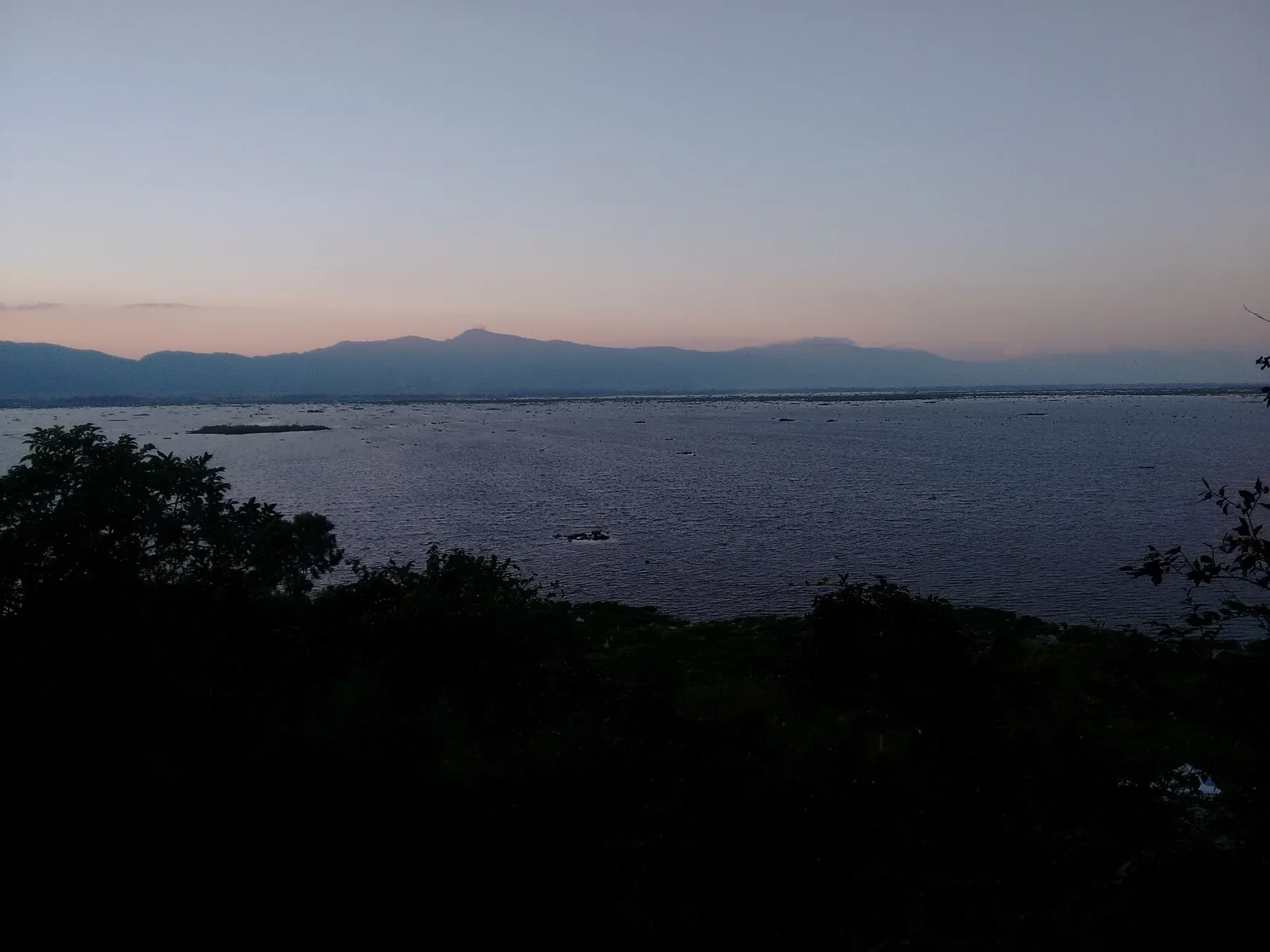
Loktak Lake

9 km away · Bishnupur district

Loktak Lake

Manipur’s Loktak Lake is a seasonally changing freshwater body, known for its floating phumdis and Keibul Lamjao National Park. It also supports local livelihoods and provides water for several uses.

Keibul Lamjao National Park

14 km away · Bishnupur district

Keibul Lamjao National Park

Keibul Lamjao is a floating national park in Loktak Lake, Manipur. Visitors are drawn by its unusual phumdi landscape and its role in protecting the endangered Eld’s deer.

Manipur State Museum

26 km away · Imphal West district

Manipur State Museum

Located in Imphal West, the Manipur State Museum brings together objects connected with art, culture, history and science. Visitors can explore its collections and galleries devoted to natural history, ethnology and archaeology.

Ima Market

27 km away · Imphal West district

Ima Market

In central Imphal, Ima Market is a marketplace run exclusively by women, also known as Nupi Keithel and Khwairamband Keithel. Visitors come to see its many sellers and wide selection of goods.

Kangla Fort

27 km away · Imphal West district

Kangla Fort

Kangla Fort is a historic royal complex in Imphal, Manipur, linked to the Meitei kings of the Ningthouja dynasty. Visitors come to see its palace buildings and cultural features.

Shree Govindajee Temple

27 km away · Imphal East district

Shree Govindajee Temple

A Meitei Hindu shrine in Imphal East, Shree Govindajee Temple is dedicated to Radha and Krishna as Govindaji. Visitors come to worship at the largest Vaishnava temple in Imphal district.

28 km away · Imphal East district

Imphal War Cemetery

Imphal War Cemetery is a Second World War burial ground in Manipur’s capital. Visitors come to remember its 1,600 Commonwealth dead, including people killed in the Battle of Kohima and Imphal.

Andro

35 km away · Imphal East district

Andro

Andro, in Imphal East district, is both a village and a nagar panchayat. Visitors come to see its cultural complex, Manipuri pottery and displays of dolls representing tribal traditions.

Map

Bishnupur on the map

  1. 1Loktak Lake
  2. 2Keibul Lamjao National Park
  3. 3Manipur State Museum
  4. 4Ima Market
  5. 5Kangla Fort
  6. 6Shree Govindajee Temple
  7. 7Imphal War Cemetery
  8. 8Andro

Manipur

Other cities to explore