
Ghumoopedia — Explore, Discover, Experience
Sign in
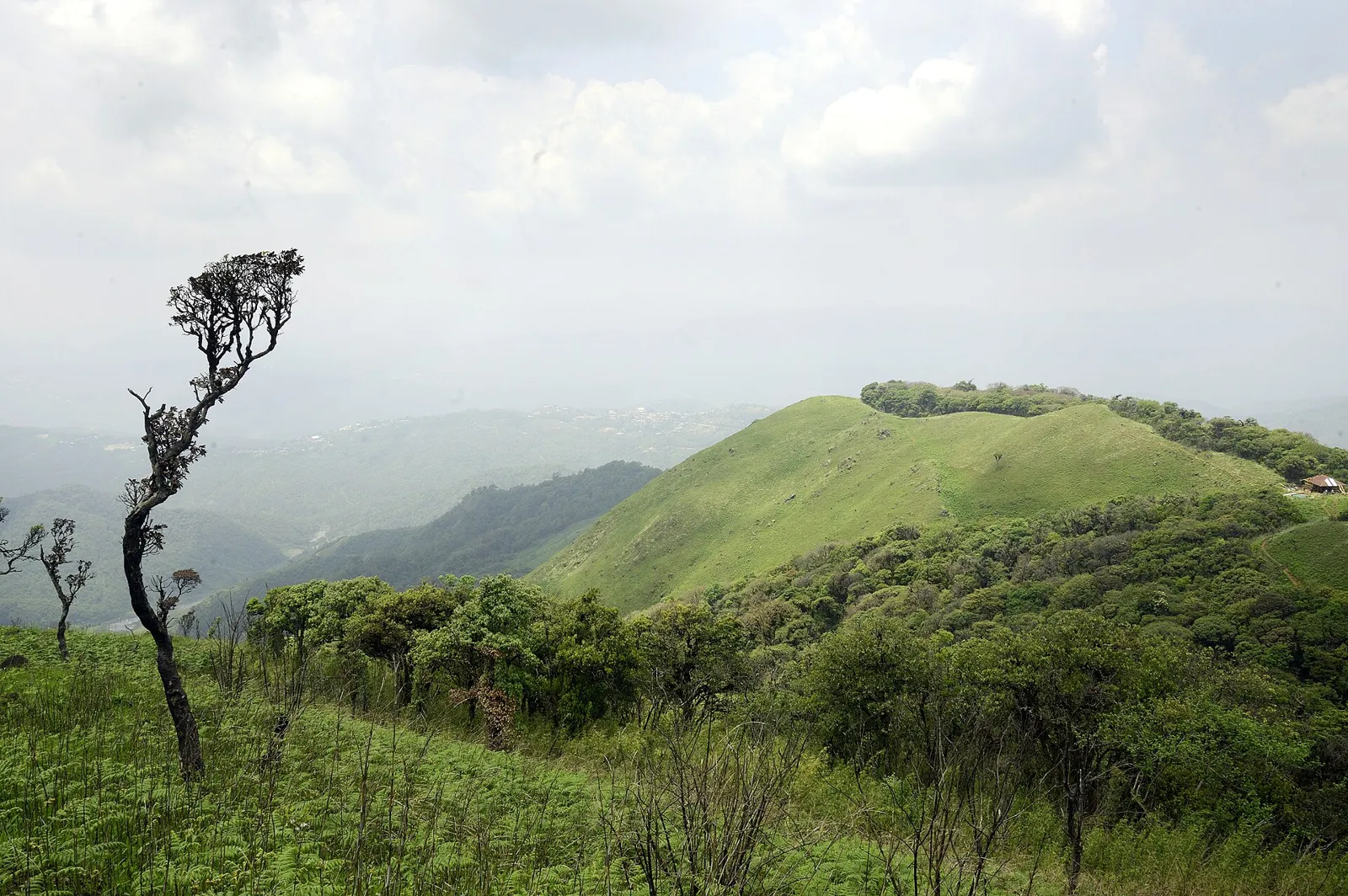
Shirui National Park, near Moreh

City guide · Manipur

Moreh

Moreh is a border town in Manipur’s Tengnoupal district, facing Tamu in Myanmar across the Menal River. Its position at the entrance to the Kabaw Valley makes it a key point for trade and travel between India and Myanmar.

Famous for

  • India–Myanmar border trade
  • Moreh Integrated Check Post
  • Indo-Myanmar Friendship Bridge
  • India–Myanmar–Thailand highway
  • Multilingual border markets
In the city
1
District
Ukhrul

Why Moreh matters

Moreh is a border town in Manipur’s Tengnoupal district, facing Tamu in Myanmar across the Menal River. Its position at the entrance to the Kabaw Valley makes it a key point for trade and travel between India and Myanmar. The town’s customs and immigration facilities, including the Moreh Integrated Check Post, support formal cross-border commerce and regional transport links.

Moreh also sits on the route of the India–Myanmar–Thailand Trilateral Highway, which is intended to connect Manipur with Myanmar and onward to Thailand. Visitors come to see a busy frontier town shaped by commerce and a mix of communities, languages and faiths. The Indo-Myanmar Friendship Bridge and the newer bridge serving the Integrated Check Post are prominent landmarks, though crossing into Myanmar depends on current border rules and permissions. Moreh is best understood as a working trade gateway rather than a conventional sightseeing centre; its markets, border setting and cultural diversity are central to its character.

Famous for: crafts, trade & products

Moreh is known chiefly for cross-border trade, not for a single signature textile, handicraft or GI-tagged product. Its markets serve a diverse local population and reflect the town’s role as a commercial gateway between India and Myanmar. Barter trade between the two countries has included a range of approved goods; cement is among the recorded exports. The exact items available can change, so visitors should check current regulations and avoid assuming that every cross-border product is officially traded.

The main places to browse are the town’s bazaar and commercial areas around the border approaches and the Moreh Integrated Check Post. These are practical shopping districts rather than curated craft markets. Moreh does not have a widely established, dedicated craft quarter or a notable textile tradition promoted to visitors; local handmade goods may be found through individual sellers, but availability varies. Be cautious about products whose origin or legality is unclear, particularly timber and wildlife products. The town’s commercial identity lies in its everyday market activity and its formal trade link with Tamu, rather than in a named local speciality.

History

Moreh grew at a strategic point between the Lokchao and Moreh valleys. Local tradition gives its earlier name as Mollenphai, while nineteenth-century British records used spellings such as Moray and Moreh. In 1829, Manipur ruler Gambhir Singh is recorded as fortifying the Lokchao gorge and establishing a village nearby. When the boundary between Manipur and Burma was settled in 1834, Moreh remained on the Manipur side, while Tamu was assigned to Burma.

A road linking Lamting, Pallel and Tamu was laid in 1878. During much of British rule, Moreh was a small police post; its importance rose during the Second World War, when it served as an Allied administrative and supply centre. A bazaar and police post followed the war. After independence, people of varied backgrounds, including families returning from Burma, helped shape the town’s cosmopolitan character. Moreh later developed as a border-trade centre, with modern customs, immigration and road infrastructure strengthening its regional role.

Food, festivals & culture

Moreh’s everyday culture reflects its Kuki-Zo and Meitei communities, alongside Tamil, Hindi-speaking and other residents with family connections across the region and Myanmar. Thadou and Meitei (Manipuri) are widely spoken; Hindi, Tamil, Zou and Mizo are also heard. Meals commonly draw on Manipur’s rice-based cuisine, including dishes such as eromba, singju and fish preparations, alongside food traditions brought by the town’s many communities. These are regional favourites rather than exclusive Moreh specialities.

The calendar is varied. Yaoshang, usually around February or March, is an important Meitei festival; Lai Haraoba is generally held in the warmer months. Kuki-Zo communities celebrate Kut, commonly in November, while Christmas in December is significant for many Christian residents. Community celebrations can differ from year to year. Churches are prominent, and the town also has Hindu places of worship, mosques and Buddhist residents’ places of worship. Local music, dance and festival gatherings reflect this mix; visitors should ask before photographing ceremonies or worshippers.

Visiting the city

The drier, cooler months from roughly November to April are generally the most comfortable for travel; monsoon rain can make road journeys more difficult. Moreh is reached by road from Imphal via Pallel and Tengnoupal. Imphal International Airport, also known as Bir Tikendrajit International Airport, is the nearest airport. Jiribam is an established railway station in Manipur, but the onward road journey to Moreh is long; confirm current rail and road connections before setting out.

Shared taxis and hired vehicles are common ways to travel locally and reach nearby areas. Explore the town bazaar, the approaches to the Moreh Integrated Check Post and the border-side streets, while respecting security controls and local instructions. The bridges toward Tamu are notable landmarks, but the international crossing is subject to current permissions and operating conditions. Check official travel and border advisories before planning a crossing or journey to this frontier area.

Attractions

Places to visit in Moreh

Sights within about 12 km of each other, even when they fall in different districts.

Map

Moreh on the map

  1. 1Shirui National Park

Manipur

Other cities to explore