
Ghumoopedia — Explore, Discover, Experience
Sign in
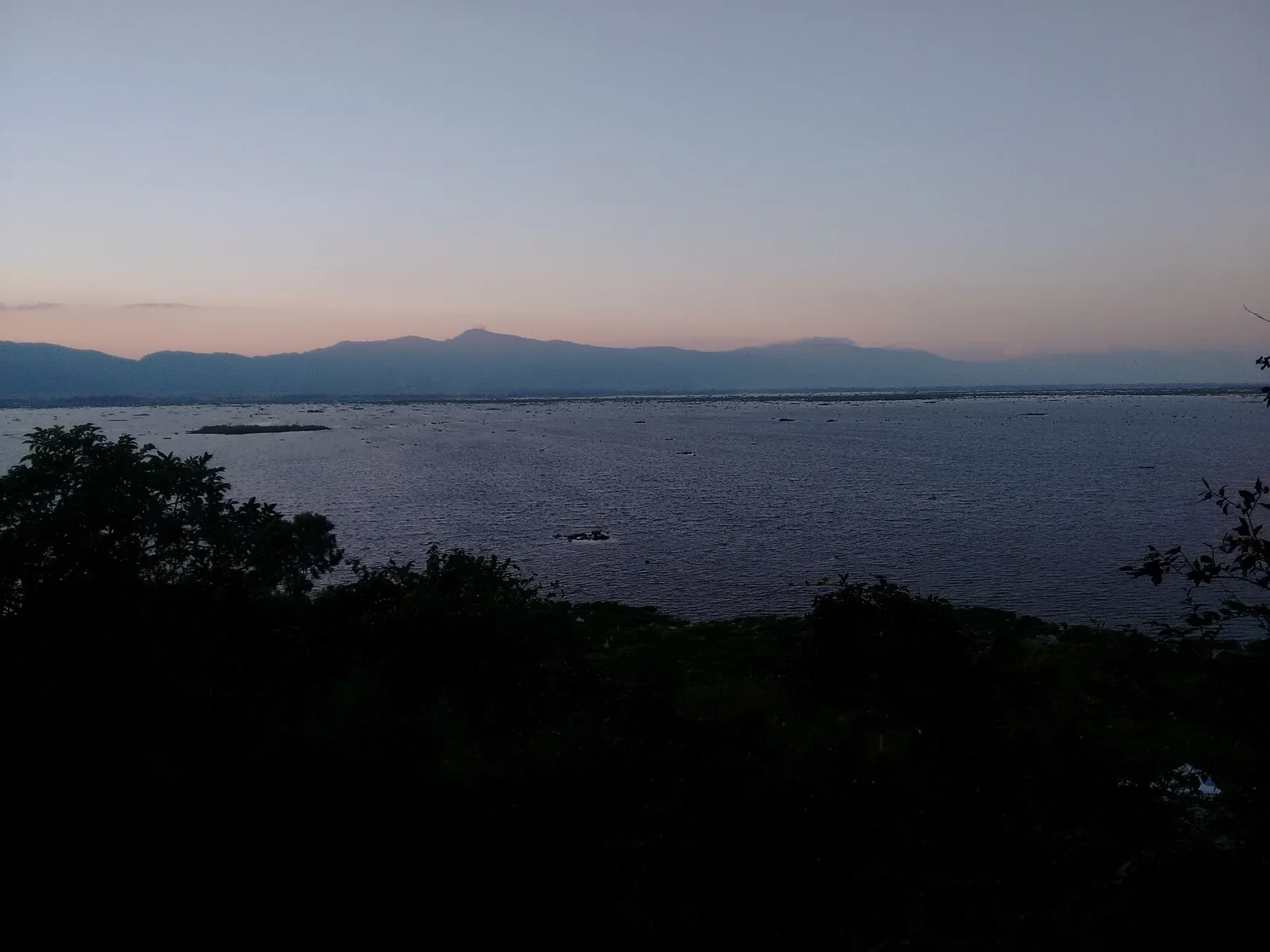
Keibul Lamjao National Park, near Moirang

City guide · Manipur

Moirang

Moirang is a town south of Imphal where Manipur’s living traditions meet significant chapters of Indian history. It is associated with the Khamba–Thoibi love story, a celebrated cycle of Meitei folklore, and with the ancient worship of Ibudhou Thangjing.

Famous for

  • Khamba–Thoibi legend
  • Thangjing Temple
  • INA memorial and museum
  • Loktak Lake wetlands
  • Keibul Lamjao National Park
  • Lai Haraoba festival
In the city
2
District
Bishnupur

Why Moirang matters

Moirang is a town south of Imphal where Manipur’s living traditions meet significant chapters of Indian history. It is associated with the Khamba–Thoibi love story, a celebrated cycle of Meitei folklore, and with the ancient worship of Ibudhou Thangjing. The temple and the month-long Lai Haraoba festival make the town an important centre of ritual and performance.

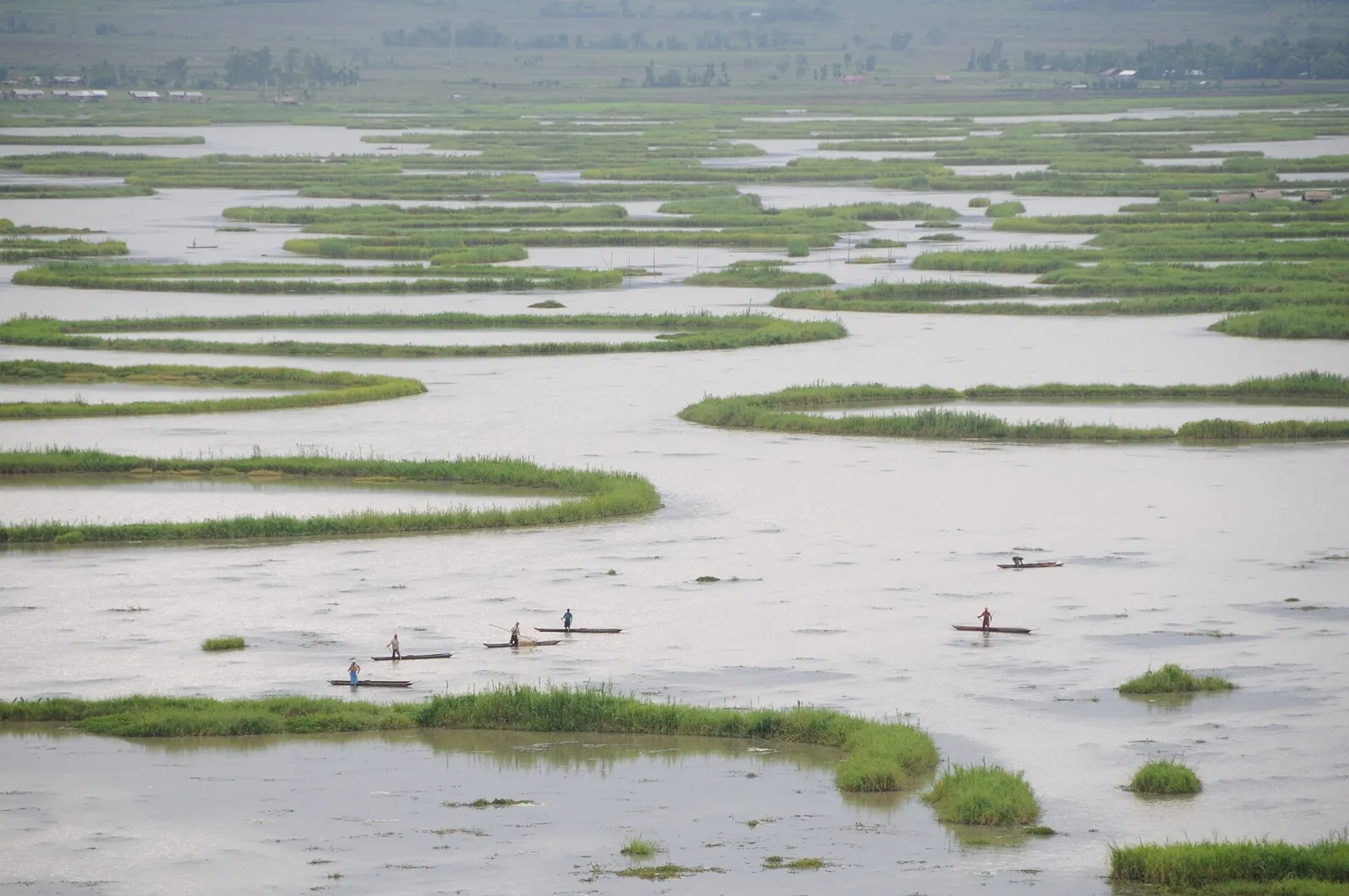
Moirang is also a gateway to Loktak Lake and nearby Keibul Lamjao National Park, a floating wetland habitat and the last natural refuge of the endangered Sangai, or brow-antlered deer. The conservation area is on UNESCO’s Tentative List. Visitors can explore the lake’s changing landscape, including its floating vegetation, and learn about the region’s wildlife and communities. The INA complex gives Moirang national historical significance: in 1944, Colonel Shaukat Malik raised the Indian National Army flag here. Together, these attractions make the town a rewarding stop on journeys around the Imphal Valley and Loktak.
Famous for: crafts, trade & products

Moirang is known more for its cultural heritage, lake landscape and historical institutions than for a distinctive textile, handicraft industry or recognised GI-tagged product. The town’s strongest cultural associations are the Khamba–Thoibi tradition, the Thangjing shrine and Lai Haraoba. Visitors interested in local history can see wartime objects and photographs at the INA Museum in the INA Martyrs’ Memorial Complex.

For everyday shopping, explore the town’s local market for household goods and regional produce. The communities around Loktak rely on the lake for fish and edible plants, and local shops and eateries may offer seasonal produce, though availability varies. Moirang is not widely established as a specialist shopping destination, so visitors seeking particular crafts or textiles should ask locally about current makers and market stalls rather than expect a dedicated craft quarter. For a broader sense of local life, the market and lakeside settlements are more useful than looking for a single signature product.

History

Moirang’s history is closely bound to Meitei tradition. It is remembered as the setting of the Khamba–Thoibi epic and as a centre of worship at the temple of Ibudhou Thangjing. Traditional accounts describe Moirang as a powerful kingdom among the historic polities of Manipur. The story of Khamba and Thoibi remains part of the town’s identity, and a cloth associated with Khamba and Nongban is preserved in Ngangkhaleikai village.

The town entered modern national history during the Second World War. Moirang served as a headquarters of the Indian National Army, and on 14 April 1944 Colonel Shaukat Malik raised its flag here. The INA Martyrs’ Memorial Complex and museum preserve the memory of that period. Since then, Moirang has developed as a local service centre and as a base for visiting Loktak Lake and Keibul Lamjao. Road connections link it with Imphal and other parts of the region, while tourism and conservation have added to its contemporary importance.

Food, festivals & culture

Meiteilon, also called Manipuri, is the principal language of local life; English is useful in visitor-facing settings. Moirang’s most distinctive cultural event is Lai Haraoba, a ritual festival held around mid-May to June. Its ceremonies honour local deities and preserve stories, music and dance. The graceful Khamba Thoibi dance is associated with the town and draws on the famous epic of the same name. Ibudhou Thangjing Temple is a focal place of worship and festival activity.

Food reflects wider Manipuri traditions rather than a uniquely Moirang cuisine. Visitors may encounter rice served with fish, leafy vegetables and dishes such as eromba, made with mashed vegetables and fermented fish, or singju, a seasoned vegetable salad. What is available depends on the season and the household or eatery. Fish and edible plants from the Loktak region are part of local foodways. Around the lake, daily life, religious practice and community traditions are closely connected to the wetland and its resources.

Visiting the city

The cooler, drier months from November to March are generally comfortable for exploring, and winter is also a good period for birdwatching around Loktak. The rainy season brings lush scenery but can make outdoor plans less predictable. Moirang is about 45 km south of Imphal by road. Imphal International Airport is the nearest airport. Road transport is the practical way to reach town and nearby attractions; local taxis and hired vehicles can be useful for reaching the lake, Sendra and Keibul Lamjao.

Rail access in Manipur is limited and services can change. Khongsang is on the Jiribam–Imphal railway line; check current passenger connections before relying on it. In Moirang, explore the INA memorial complex, the Thangjing temple and the town market, then continue to Loktak’s shore, Sendra hillock or Phubala. Arrange wildlife visits locally and follow park guidance.

Attractions

Places to visit in Moirang

Sights within about 12 km of each other, even when they fall in different districts.

Map

Moirang on the map

  1. 1Keibul Lamjao National Park
  2. 2Loktak Lake

Manipur

Other cities to explore