
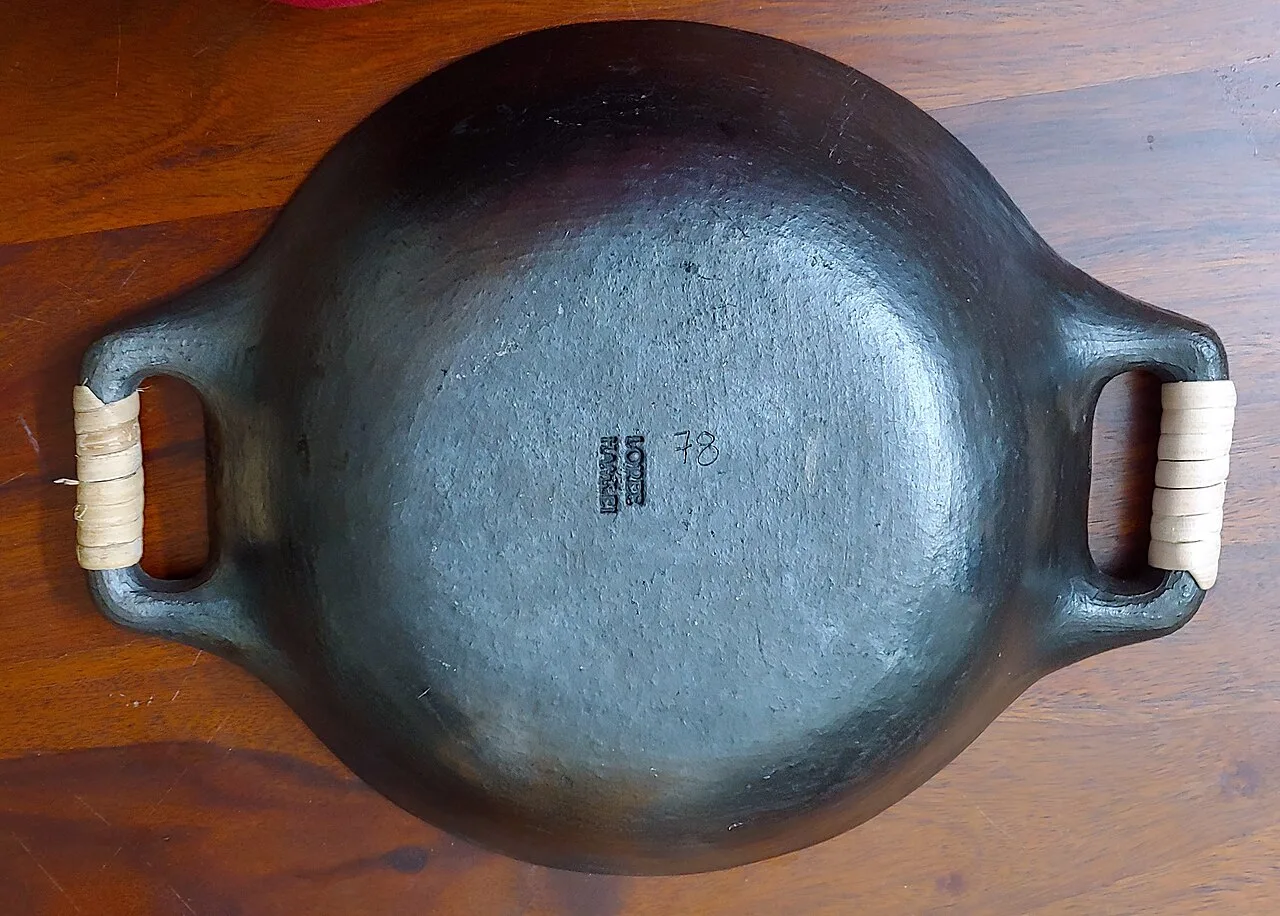
Longpi
Longpi is the shared name for Longpi Kajui and Longpi Khullen in Manipur’s Ukhrul district. Travellers encounter the paired villages on the route north of Ukhrul.
Key facts · verified by Ghumoopedia editors
- Type of place
- Community & living culture
- Best time to visit
- October to March
- Nearest railway station
- Dimapur · about 105 km (straight line)
- Nearest airport
- Imphal International Airport · about 75 km (straight line)
- Verified
- 21 Nov 2026
Plan a trip from Longpi — a day-by-day route through places nearby.
Pronounced long-pee, Longpi refers to two villages rather than a single settlement: Longpi Kajui and Longpi Khullen. They are in Ukhrul district, Manipur, approximately 37 kilometres from Ukhrul, towards the north. Road access is via the Imphal–Kohima route, which passes through Ukhrul and Jessami on National Highway 202. Nearby villages mark the surrounding area. Nungbi Khullen lies east of Longpi, Sihai to the south-east and Lunghar to the south. Phungcham, Paorei and Peh are on the western side, while Kalhang is north. Together, these neighbouring settlements locate Longpi within the northern part of Ukhrul district. Manipur is known for Manipuri classical dance, the Meitei, Naga and Kuki-Zo communities, polo’s historic roots and the women-run Ima Keithel market. The Imphal valley has mild summers and cool winters; hill districts are colder. The monsoon brings heavy rain from June to September. The usual best time to visit is October to March. For official information, see Manipur Tourism at https://manipurtourism.gov.in.
Why it matters
Longpi is the collective name commonly used for Longpi Kajui and Longpi Khullen, two villages in Ukhrul district, Manipur. Its wider recognition comes from Longpi Ham, the handmade pottery associated with the area and Tangkhul craft knowledge. The craft is made by hand rather than on a potter’s wheel, and visitors may be able to see artisans shaping and finishing pieces in household workshops. Longpi is also a living hill settlement, not a purpose-built visitor attraction: visits depend on residents’ availability and permission. The pottery is associated with a registered Geographical Indication for Longpi Ham, giving the craft a formal identity as well as local importance. Confirm product labelling with the maker or cooperative.
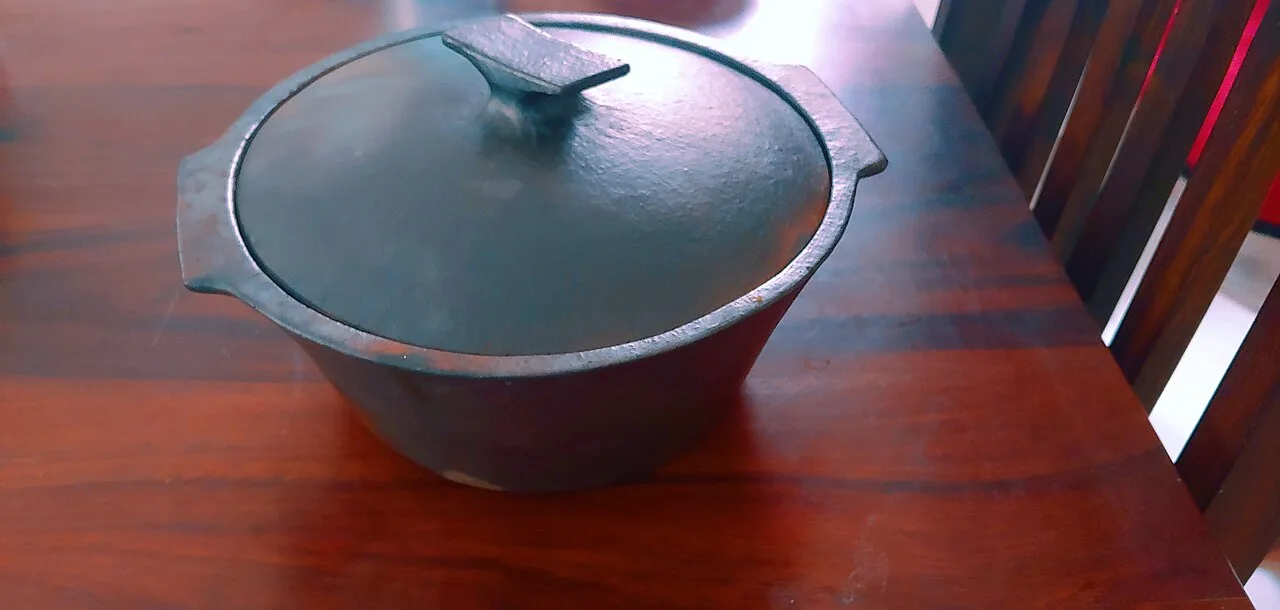
Longpi’s history is closely connected with the pottery made by families in the two villages. The craft is handed down through practice and teaching within the community; a single documented founding date or named individual originator is not established in reliable public accounts. Artisans traditionally make vessels by hand from locally used clay and stone materials, shape them without a wheel, fire them, and polish the surface. Methods and finishes can differ between makers, and production remains part of household and small-workshop life rather than a single central factory. Longpi Ham has become the name most associated with the pottery beyond the district, and its Geographical Indication registration gives the craft formal recognition. This recognition does not mean every item sold under a similar description comes from Longpi, so buyers can ask about the maker and provenance. Today, artisans sell directly, through cooperatives and at fairs or markets; availability can vary as families balance production with other work. Visitors should treat demonstrations as a view of a living practice, not as a staged reconstruction of an unchanged past.
Origin stories & folklore
There is no single, widely documented origin legend for Longpi pottery that can be confidently presented as the account shared by every household. According to local tradition, the knowledge of making the distinctive pottery belongs to ancestral community practice and has been carried forward through generations of makers. Accounts of how particular techniques or skills began may vary between families, and visitors should let artisans decide what they wish to share. The continuity of the craft is sometimes described through stories of learning by watching and working alongside elders. These accounts are best understood as living oral memory, rather than as a dated historical record. Ask respectfully before recording someone’s story, and do not assume that every maker follows the same account.
The heart of a visit to Longpi is meeting the artisans at work. Ask to see each stage of the work, from raw material to finishing; most families work at home or in small courtyard workshops, and a single piece can take hours or days. Many households and cooperative societies welcome visitors who show genuine interest, but this is a working village, not a museum: ask before entering a home or workshop, keep visits short during busy hours, and accept that some families may be away at fairs or markets. Buying directly from the maker or a registered cooperative is the best way to support the craft. Where a product carries a Geographical Indication (GI) tag or a handloom mark, ask for it; prices for handmade work reflect the time and skill involved, so bargain gently, if at all. Some workshops offer short hands-on sessions — ask locally rather than expecting a fixed schedule.
Suggested itineraries
Half day: Arrange a workshop visit in advance; meet a maker (about 1 hour); see the village on foot with permission (about 1 hour); browse pottery and speak with makers (about 30–60 minutes). Full day: Travel from Ukhrul; visit a pottery workshop (about 1–2 hours); have a locally arranged meal or rest stop; explore village lanes and nearby scenery with local guidance (about 1–2 hours); return before dark. Gentler option: Arrange vehicle drop-off close to a welcoming workshop, spend time seated with the maker, and limit the visit to one accessible village location.
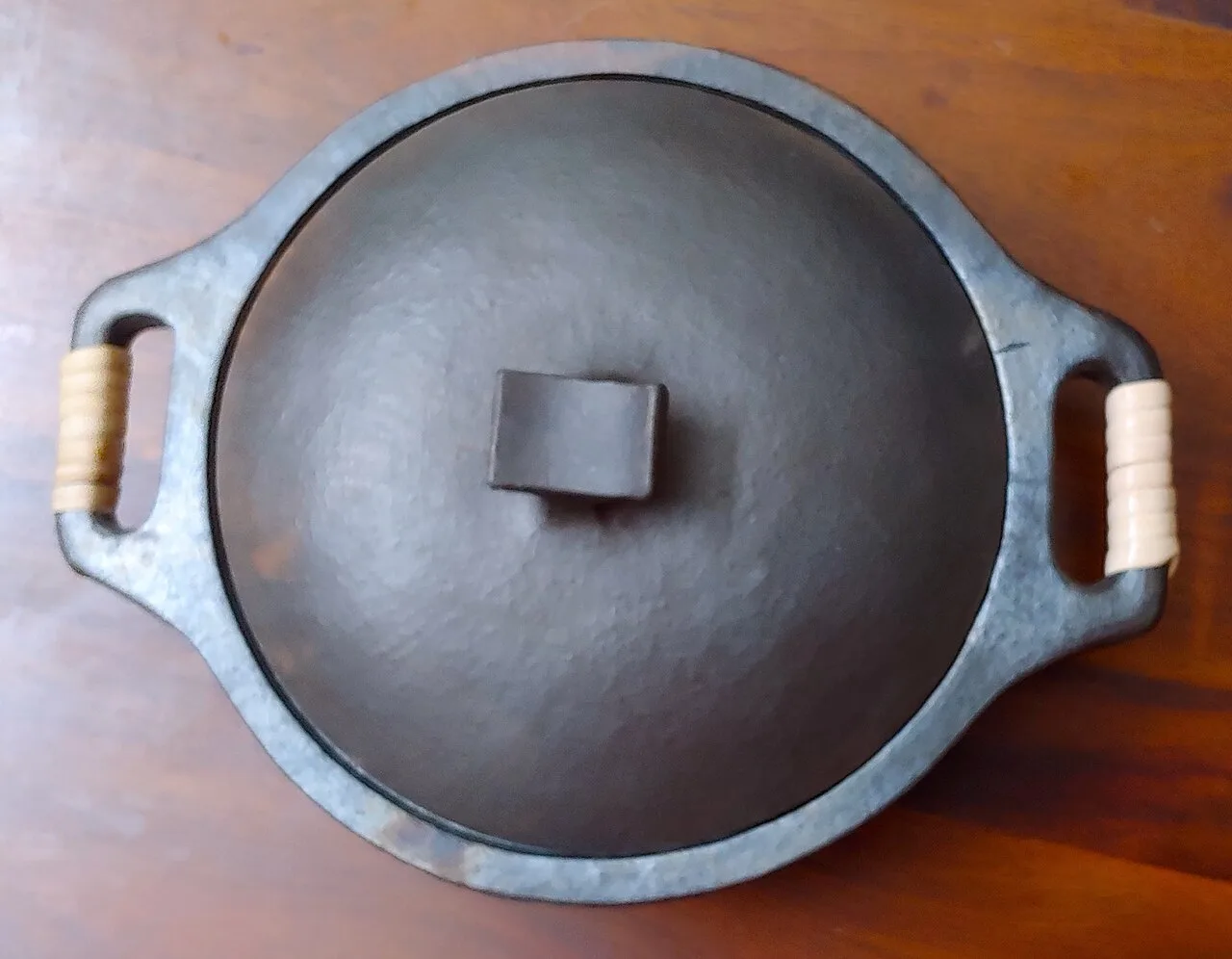
Longpi’s cultural life is rooted in Tangkhul Naga community life and in the everyday work of its households. Longpi Ham pottery is a visible local tradition: visitors may see hand-shaping, firing or polishing, depending on the stage of work and the family’s schedule. Tangkhul languages are used in the area, alongside wider use of Manipuri and other languages as circumstances require. Community celebrations, church life and seasonal events are part of contemporary village culture. Music, dance and traditional dress may feature during festivals or special occasions, but they are not performances available on demand. Ask before entering a home, joining an activity or photographing people in traditional clothing.
Local communities
Longpi Kajui and Longpi Khullen are associated with the Tangkhul Naga community. Pottery-making is an important local livelihood and cultural practice, often carried out by households or small groups; residents also engage in other work, including farming, local trade and community responsibilities. Some makers sell through cooperatives, fairs or markets, while others receive visitors at home workshops when available. The villages are not a single craft site, and not every household makes pottery or hosts visitors. Approach residents as hosts and craftspeople, not as attractions, and follow their wishes about access, conversation and photography.
Festivals & events
Luira, the Tangkhul seed-sowing festival, is celebrated in the wider Tangkhul region, generally during the winter-to-early-spring season; local observances and dates vary. Community events and church celebrations may also take place in Longpi, but visitors should not assume a public programme or fixed annual schedule. Ukhrul district can host seasonal cultural events and fairs, where crafts may be available, though venues and dates change. Festival periods can bring more visitors and activity to village roads and shared spaces. Ask locally before planning around an event, and be especially considerate where ceremonies or community gatherings are not open to visitors.
Village food in Manipur is home cooking: eromba (fermented fish and vegetable mash), singju salad, kangshoi stew, and chak-hao kheer made with Manipur’s black rice. Longpi itself may have only tea stalls and small eateries, so ask your host or guide where to eat, or arrange a home-cooked meal in advance — it is often the highlight of a village visit. Carry water and a snack if you plan to spend the whole day, and eat your main meal in the nearest town if no local option is open.
Shopping & local experiences
Longpi Ham pottery is the main craft to look for, including household vessels and decorative pieces made by local artisans. Buying directly from a maker or a registered cooperative is a practical way to support the craft. Ask who made an item and, where relevant, whether it carries the applicable Geographical Indication identification; handmade pieces can vary in shape, finish and availability. Handle pottery carefully and plan how to carry it safely. Ukhrul markets may offer other local goods and food, but stock changes. Prices reflect time and skill, so bargain gently, if at all.
Longpi lies in the hill country of Ukhrul district, in a landscape of villages, cultivated areas, wooded slopes and winding roads. The surroundings are shaped by the monsoon, which brings heavy rain from June to September, and by cooler conditions than those of the Imphal valley. Small streams and drainage channels may be present in the local landscape, but visitors should not assume they are safe or accessible bathing spots. Forest patches and farmland support local plants and wildlife, including birdlife, though sightings depend on season, weather and disturbance. Keep to established paths and village roads, avoid damaging crops or plants, and do not approach wildlife. For longer walks, seek local guidance about route conditions and land access.
October to March
The nearest principal railway station by straight-line distance is Dimapur, roughly 105 km away. The nearest operating airport by straight-line distance is Imphal International Airport, roughly 75 km away. These figures are calculated from map coordinates — actual road distance is longer, and hill roads mean even short distances can take hours. undefined Longpi is a village, so the last stretch is by road: Manipur State Transport and shared taxis from Imphal reach the nearest town, and from there a shared auto, local bus or reserved taxi covers the final few kilometres. Village roads can be narrow and unpaved; a taxi hired for the day from the nearest town is the simplest way to combine Longpi with nearby sights and get back before dark. When comparing train, bus and flight, count the complete door-to-door time: a flight saves the most time only if the onward road transfer is short, while an overnight train can save a hotel night. Book your return before you leave, because seats fill quickly on weekends, festivals and holidays. Current train numbers, timings, return services and fares are not listed here; check IRCTC and NTES for trains and the airline's own schedule for flights. Indian visitors who are not residents of Manipur need an Inner Line Permit, applied for through Manipur’s official ILP system. Foreign nationals should check the current Protected Area Permit and registration rules before travel.
Confirm onward and return timings on IRCTC / NTES, the state bus operator or your airline before travel. A dash means current timings or fares have not been verified.
Getting around
Longpi is about 37 kilometres north of Ukhrul and is connected by National Highway 202. Roads in the hills can be slow, and conditions may change with weather. Shared taxis or local services may connect travellers with nearby towns, but availability should be checked locally; a reserved taxi from Ukhrul is often the more flexible option for visiting workshops and returning the same day. Within the villages, expect to move mainly on foot along local roads and lanes. Parking space may be limited near homes, so ask where to leave a vehicle and avoid blocking access. Do not count on regular auto-rickshaw or bus service within the village.
Hours, tickets & permissions
Longpi is a pair of inhabited villages rather than a ticketed monument, so access is arranged locally and may depend on a household, workshop or cooperative agreeing to receive visitors. There is no general visitor schedule that applies to every maker. Tickets, camera fees and special permits are not established as standard village entry requirements, but particular activities or sites may have their own rules. Ask before entering private property and confirm current access arrangements, any fees and seasonal availability with the host or local authority before setting out.
Facilities
Facilities are village-scale and should not be assumed to match those in a town. A workshop visit may include a place to sit, but toilets, drinking water and food are not guaranteed for visitors; check with your host in advance. Small local shops may have basic goods, while a wider choice of food, cash services and supplies is more likely in Ukhrul. Do not rely on an ATM in Longpi. Parking is informal and can be limited near homes. Guides are not necessarily available as a formal service, so arrange introductions or local help before arrival.
Accessibility
The villages are set in hilly terrain, with uneven lanes, slopes and potentially muddy or slippery surfaces during and after rain. Workshop access may involve steps, thresholds or compact household spaces, and there is no assured wheelchair-accessible route or facility. Strollers may be difficult to manage on rough village roads. Walking distances can be adapted by arranging a vehicle close to a host’s home, but confirm access and turning space beforehand. Shade and seating vary by location. Older visitors or anyone with limited mobility may find a short, pre-arranged visit to one workshop more manageable than walking between sites.
Indian visitors who are not residents of Manipur need an Inner Line Permit, applied for through Manipur’s official ILP system. Foreign nationals should check the current Protected Area Permit and registration rules before travel. Carry a photo ID, some cash (card and UPI acceptance varies in villages) and a charged phone with offline maps; save the emergency number 112 and your host's contact. Weather changes quickly in the hills; carry warm layers and rain gear, avoid travelling after dark on mountain roads and allow for altitude if you come from the plains. Respect local customs: dress modestly, remove footwear where asked, and always ask before photographing people, homes or rituals.
Visitor rules
Longpi is an inhabited community, so ask permission before entering a home, courtyard, workshop or private land. Wear practical, modest clothing and shoes suitable for uneven, sometimes muddy roads. Follow a host’s instructions around kilns, tools and unfinished pottery; do not handle work unless invited. Avoid littering and reduce single-use plastic, and never leave waste in streams or fields. Keep noise low around homes and gatherings. Some spaces or activities may be private or restricted; accept a refusal without pressing for access.
Photography
Soft morning or late-afternoon light can suit village lanes and pottery, but the best conditions depend on weather and where a host permits visitors. Ask before photographing artisans, residents, homes, workshops or works in progress; permission to visit is not automatic permission to take pictures. Avoid photographing ceremonies or private spaces unless explicitly invited. Do not interrupt work to arrange a pose or demonstration. Drone use may require permissions under Indian aviation rules and can disturb residents, so do not fly without checking current regulations and obtaining local consent.
Most visitors see Longpi on a day trip from the nearest town, which has the widest choice of hotels. Community homestays, where available, are the best way to experience village life — book through a known operator or the village's own contact, confirm what is included, and expect simple rooms and shared meals. Confirm the booking and the exact location before you travel, because village addresses can be hard to find.
Ukhrul is the main nearby town for services and can be combined with a visit to Longpi. In the wider district, Shirui Hills and the Shirui Lily landscape are well-known natural destinations, while Khangkhui Mangsor Cave is another place visitors may consider. These outings require separate travel planning; road conditions, access and local guidance matter, especially in wet weather. Longpi’s neighbouring settlements include Nungbi Khullen, Sihai, Lunghar, Phungcham, Paorei, Peh and Kalhang, but these are communities rather than guaranteed visitor attractions. Ask locally before entering land or planning a route through them.
For couples, Longpi is a chance to slow down: spend an unhurried morning with the makers, choose a piece together directly from the family that made it, share a home-cooked meal and keep the afternoon free. Stay in a nearby homestay or heritage property to make it a quiet overnight escape.
Q: How much time should I allow for Longpi? A: A half day can suit one arranged workshop visit; allow a full day if travelling from Ukhrul and exploring at an unhurried pace. Q: When is the best season to visit? A: October to March is generally the more comfortable period. The June-to-September monsoon can bring heavy rain and difficult road conditions. Q: Is there an entry ticket or fixed visiting schedule? A: Longpi is an inhabited village, not a ticketed attraction. Ask a workshop or local contact in advance, since visits depend on availability and permission. Q: Is Longpi suitable for children or elderly visitors? A: It can be, with planning. Uneven, sloping lanes may be challenging, so arrange a short visit and follow the host’s safety guidance around tools and kilns. Q: Where can I stay nearby? A: Ukhrul is the practical nearby town for accommodation and services. Confirm lodging and road arrangements locally before travelling.
Be the first to share photos, stories, advice or a helpful contact for Longpi.
Loading…