
District · Manipur
Imphal East
Imphal East sits in the central Imphal Valley, where the urban life of Manipur’s capital region meets cultivated plains and eastern foothills.
Imphal East lies in the central Imphal Valley of Manipur, where settled plains meet the foothills and low hills to the east. Its landscape includes cultivated land, waterways and growing urban neighbourhoods connected to the state capital. The district reflects the long history of the Meitei kingdom and the continuing importance of Meitei language, customs and Hindu traditions; Shree Govindajee Temple is one notable religious landmark. The area also bears traces of the Second World War, including the Imphal War Cemetery, which commemorates Commonwealth servicemen who died in the campaign. Andro, a village and nagar panchayat, offers a glimpse of village life and cultural traditions. Together, these places give the district a character shaped by both urban life and local heritage.
Imphal East sits in the central Imphal Valley, where the urban life of Manipur’s capital region meets cultivated plains and eastern foothills. It is a useful place to explore Meitei history and living traditions, with Shree Govindajee Temple among its important religious landmarks. The Imphal War Cemetery recalls the Second World War campaign fought in the region. A visit to Andro adds a village perspective and an opportunity to encounter local cultural traditions. Together, these places make the district appealing to travellers interested in heritage, everyday life and the varied landscapes around Imphal.
Imphal East forms part of the historic Imphal Valley, long associated with the Meitei kingdom. The Ningthouja ruling line established its authority in the valley, and Kangla, in present-day Imphal, became a significant royal and political centre. Meitei language, customs and religious traditions remain important to the region’s identity. Manipur came under British control after the Anglo-Manipur War of 1891. During the Second World War, the 1944 Battle of Imphal was part of the Allied campaign against Japanese forces in the region; the Imphal War Cemetery commemorates Commonwealth servicemen who died in the campaign. Manipur became part of India in 1949 and a full state in 1972. Imphal East was established as a separate district in 1997, when the former Imphal district was divided. The district’s present character reflects both this layered history and the growth of urban neighbourhoods around Imphal.
3 destination guides
Andro
Andro, in Imphal East district, is both a village and a nagar panchayat. Visitors come to see its cultural complex, Manipuri pottery and displays of dolls representing tribal traditions.
Imphal War Cemetery
Imphal War Cemetery is a Second World War burial ground in Manipur’s capital. Visitors come to remember its 1,600 Commonwealth dead, including people killed in the Battle of Kohima and Imphal.
Shree Govindajee Temple
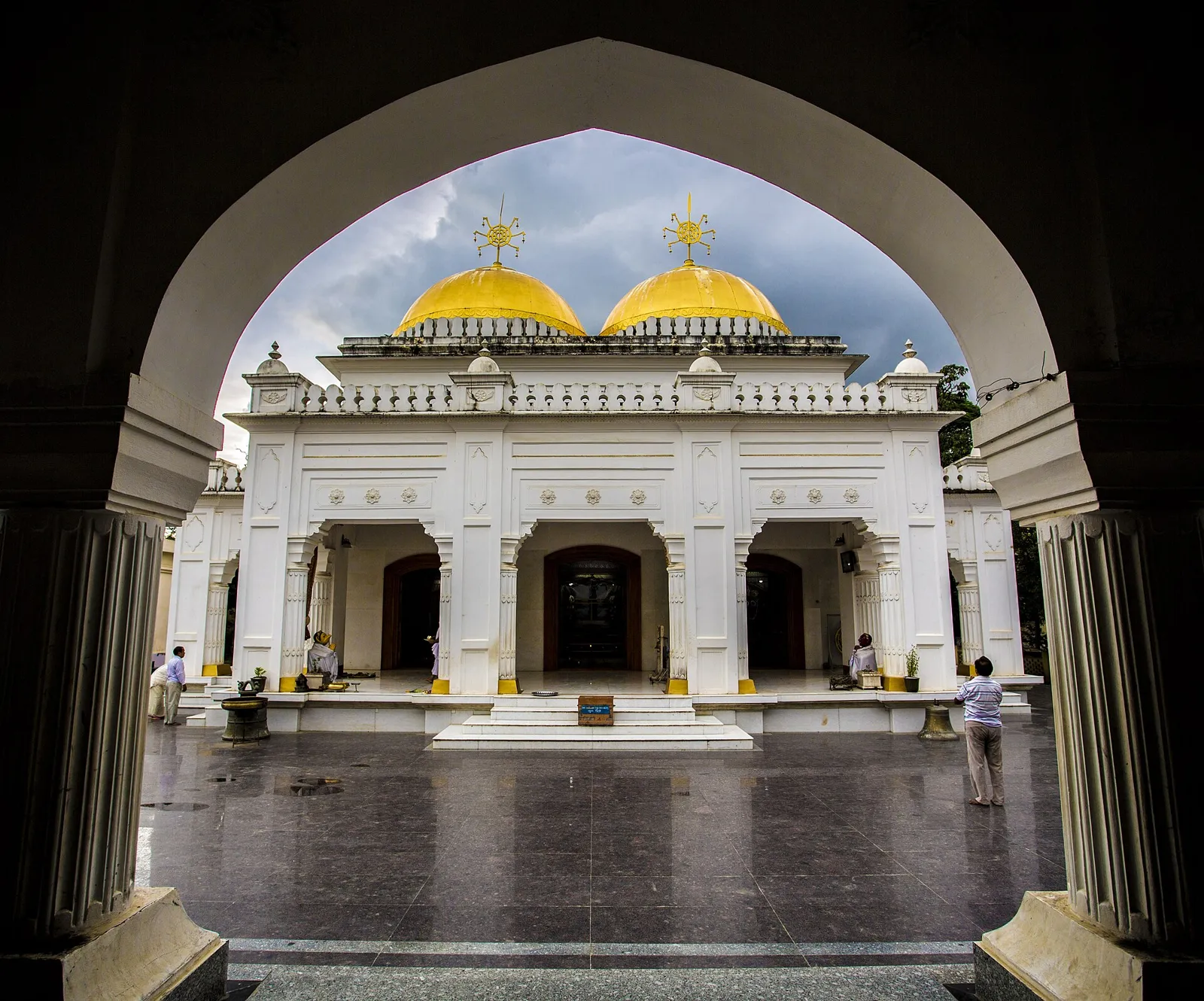
A Meitei Hindu shrine in Imphal East, Shree Govindajee Temple is dedicated to Radha and Krishna as Govindaji. Visitors come to worship at the largest Vaishnava temple in Imphal district.
Food in Imphal East draws on the wider culinary traditions of Manipur. Eromba combines vegetables with fermented fish and chilli, while singju is a fresh, often spicy salad; kangshoi is a light vegetable stew. Chak-hao kheer, made with the region’s aromatic black rice, is a familiar sweet dish. Ingredients and recipes vary between households, and small eateries may offer only a limited menu each day, so it is useful to ask what is freshly prepared. Fish and fermented ingredients are common in regional cooking. Vegetarian travellers should explain their requirements clearly; rice, dal, vegetables and eggs may be available in town.
Handloom weaving is an important tradition across Manipur, with shawls, wraps and other textiles reflecting regional designs and techniques. These are part of a wider state heritage rather than a craft exclusive to Imphal East. Andro is associated with traditional pottery, often described as a community-based practice passed down through generations. Visitors may find locally made pottery and woven goods in the district, though availability varies. Buying directly from makers or established local outlets can help support artisans; ask about the maker and materials rather than assuming that every item sold locally was produced nearby.
The district shares Manipur’s festival calendar. Yaoshang, celebrated around February or March, brings community events and activity to neighbourhoods; Lai Haraoba, held in the warmer months, preserves ritual and performance traditions. Cheiraoba, the Meitei New Year, usually falls in spring, while Ningol Chakouba is observed in autumn as a family gathering. The state-level Sangai Festival in November may also draw visitors to Imphal. Festival periods can mean busier roads, public spaces and accommodation, so booking ahead and checking local event information is sensible.
The district occupies part of the central Imphal Valley, with flat, cultivated land and built-up neighbourhoods giving way eastward to foothills and low hills. Rivers and smaller waterways cross the valley, while fields and settlement patterns shape many journeys outside the urban core. Imphal’s roads are generally the practical links between the district’s sights; routes towards Andro and other foothill areas may be slower or less direct than travel within the city. Rain can affect road conditions, particularly away from the main urban routes.
Imphal East has a seasonal climate, with warmer conditions in spring and summer, a substantial monsoon period, and cooler, drier weather in winter. The monsoon can bring persistent rain and make rural roads muddy or slower to travel. October through March is often a comfortable period for sightseeing, though winter mornings and evenings can feel chilly. Spring is also pleasant, but festival periods may be busier. Pack light layers, a warm outer layer for winter, comfortable walking shoes and rain protection if travelling during or near the monsoon. Conditions vary, so check the forecast before setting out.
Imphal International Airport is the nearest operating airport for the district, with onward road travel into Imphal East. Jiribam is the nearest principal railway station by straight-line distance, though rail access and onward connections should be checked before planning a journey. Road routes link Imphal with other parts of Manipur and neighbouring states, including approaches through Jiribam and Nagaland; journey times can vary with road and weather conditions. Within the district, local buses, shared vehicles, taxis and auto-rickshaws can help with short trips, while a hired vehicle may suit visits beyond the main urban area. Check current services locally before travelling.
Imphal is the main local transport hub, and road travel is the practical way to move between the district’s sights. Local buses, shared vehicles and auto-rickshaws serve parts of the urban area; taxis or a hired vehicle can be more convenient for a visit to Andro or for several stops in one day. Services and availability can vary, especially beyond central Imphal, so confirm arrangements locally. There is no need to plan boat travel for these destinations. Allow extra time in rain or when roads are busy.
Imphal is the most practical base for both circuits, with the broadest choice of accommodation and road connections to the listed sights. Visitors can generally look for hotels and guesthouses in the urban area; homestays may be available but should be arranged in advance. Andro is suitable as a day visit from Imphal, rather than a necessary overnight stop. Government accommodation or dharamshalas may be options in the wider region, but availability and eligibility vary, so confirm directly before building a trip around them.
Check current travel advisories and local conditions before visiting, as road access or movement can be affected by weather or local events. Roads beyond urban Imphal may be narrow or slow, especially in rain; use a locally reliable driver where appropriate. Carry drinking water and use safe, treated water, and take normal precautions in crowds and at religious sites. Mobile connectivity can be variable outside built-up areas. The district’s listed sights do not require a wildlife excursion, but take ordinary care around rural paths and animals. Inner Line Permit requirements may apply to visitors from elsewhere in India; confirm current rules through official sources before travel, and check any other permit requirements officially.
- Imphal Westabout 2 km
- Bishnupurabout 35 km
- Ukhrulabout 54 km
- Kohima · Nagalandabout 93 km
- Peren · Nagalandabout 98 km
- Dima Hasao · Assamabout 105 km
- Phek · Nagalandabout 106 km
- Dimapur · Nagalandabout 125 km
Straight-line distance between the centres of each district's destinations; road distance is longer.
All districts of Manipur
Q: How many days should I spend in Imphal East? A: Two days can cover the three listed destinations at a steady pace; three days allow more time in Imphal and for the visit to Andro. Q: When is the best time to visit? A: October through March is often comfortable for sightseeing. Check seasonal weather and festival dates before travelling. Q: What is the best base for visiting the district? A: Imphal is the most practical base, with urban accommodation and road links to the listed sights. Q: How do I get to Imphal East? A: Imphal International Airport is the nearest operating airport. Road connections serve Imphal, while rail access and onward connections should be checked before travel. Q: Is the district suitable for families or elderly travellers? A: The urban sights can suit many visitors, but walking surfaces, steps, crowds and the road journey to Andro may require extra planning. Arrange transport and mobility support to match individual needs.
This page draws on our 3 destination guides for Imphal East and is updated as our team checks it.
Be the first to share photos, stories, advice or a helpful contact for Imphal East.
Loading…