
District · Manipur
Bishnupur
Bishnupur district brings together Manipur’s valley history, living traditions and distinctive wetland landscapes.
Bishnupur district lies in Manipur’s central valley, where settled lowlands meet the wetlands and hills around Loktak Lake. The lake’s floating masses of vegetation, known as phumdis, shape a distinctive landscape and support fishing and other local livelihoods. Keibul Lamjao National Park, on the lake’s southern side, protects the endangered sangai deer and is known for its unusual wetland habitat. Moirang is an important historic centre, associated with the Indian National Army’s presence and flag-raising there in 1944. The district’s character brings together lake life, valley communities and significant natural and historical sites.
Bishnupur district brings together Manipur’s valley history, living traditions and distinctive wetland landscapes. It is best known to travellers for Loktak Lake, the largest freshwater lake in Northeast India, and Keibul Lamjao National Park, where floating vegetation forms an unusual habitat for wildlife. Moirang adds an important chapter of modern history through the INA Martyrs' Memorial Complex, while Sendra Island offers a different vantage on the lake. The district lies south of Imphal and makes a rewarding extension to a Manipur visit, especially for travellers interested in nature, local culture and the region’s wartime past.
The Bishnupur area forms part of the Manipur valley, where Meitei society and successive rulers developed a kingdom with its political centre at Kangla in present-day Imphal. Moirang was also an important historic principality, remembered in local tradition and literature. Over time, the valley’s communities, religious practices and institutions shaped a distinct cultural landscape. British influence expanded after the Anglo-Manipur War of 1891, when the kingdom came under colonial control, though local customs and institutions continued. During the Second World War, Moirang became a notable site in the campaign in eastern India: in 1944, the Indian National Army established a presence there and raised its flag, an episode commemorated at the INA Martyrs' Memorial Complex. Manipur became a state of India in 1972. Bishnupur district was formed in 1997 during the reorganisation of Manipur’s districts, separating it from the larger Imphal district. Its modern identity is closely linked to Moirang, Loktak Lake and the surrounding wetland communities.
4 destination guides · 2 on the map
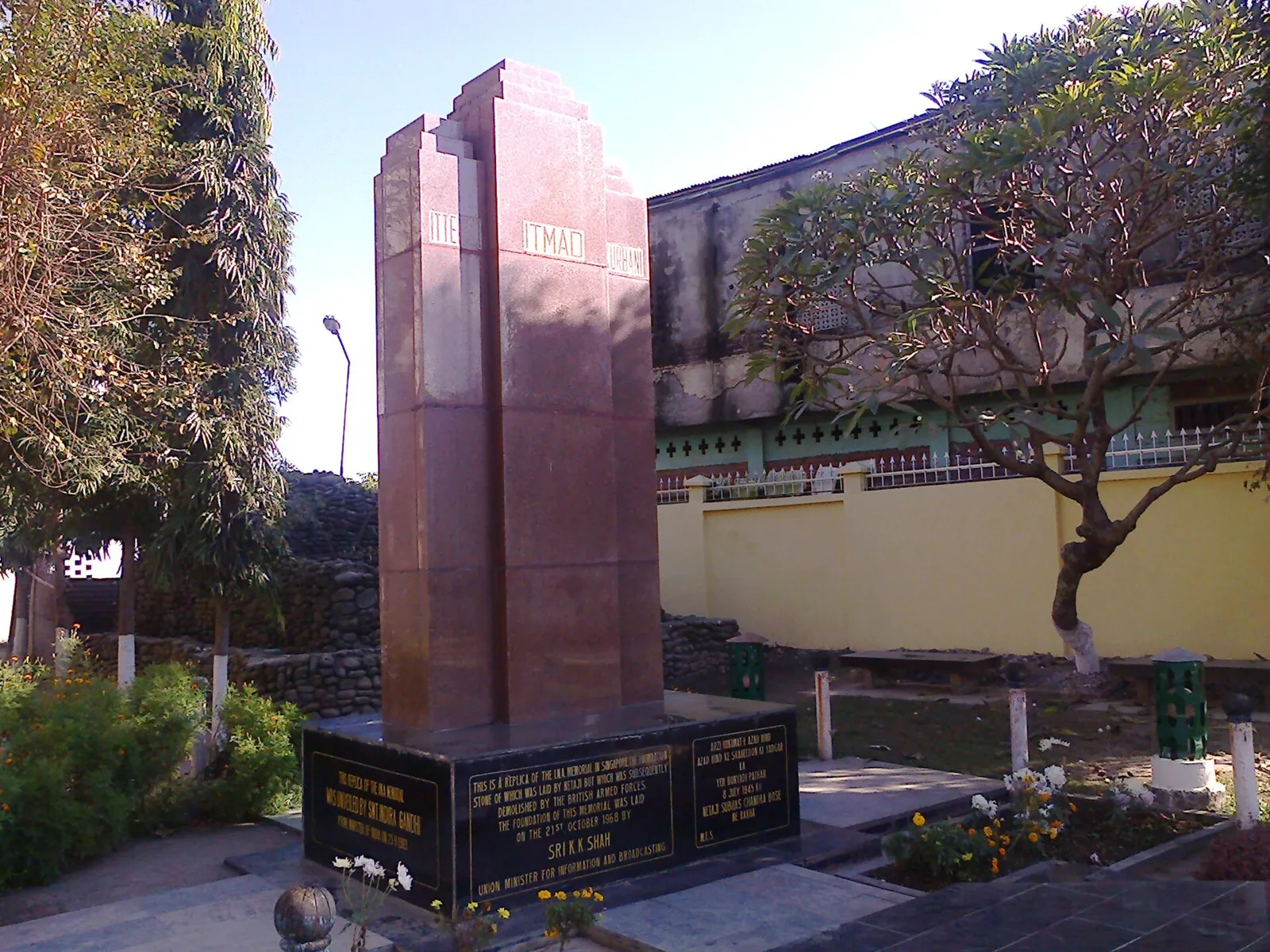
INA Martyrs' Memorial Complex
The INA Martyrs’ Memorial Complex in Moirang honours the Indian National Army and its fallen soldiers. Visitors come to see its cenotaph, museum, Bose statue and associated memorials.
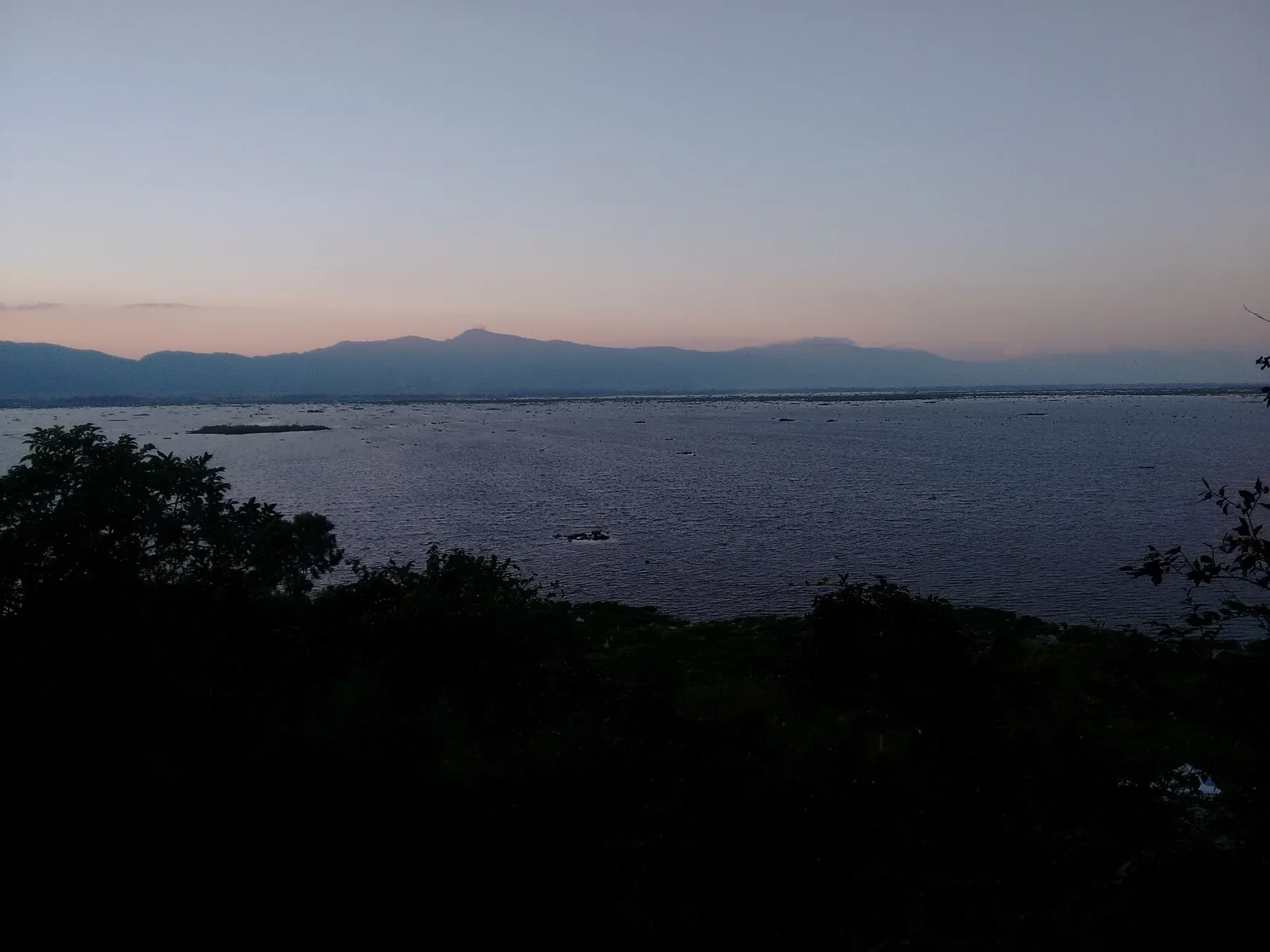
Keibul Lamjao National Park
Keibul Lamjao is a floating national park in Loktak Lake, Manipur. Visitors are drawn by its unusual phumdi landscape and its role in protecting the endangered Eld’s deer.
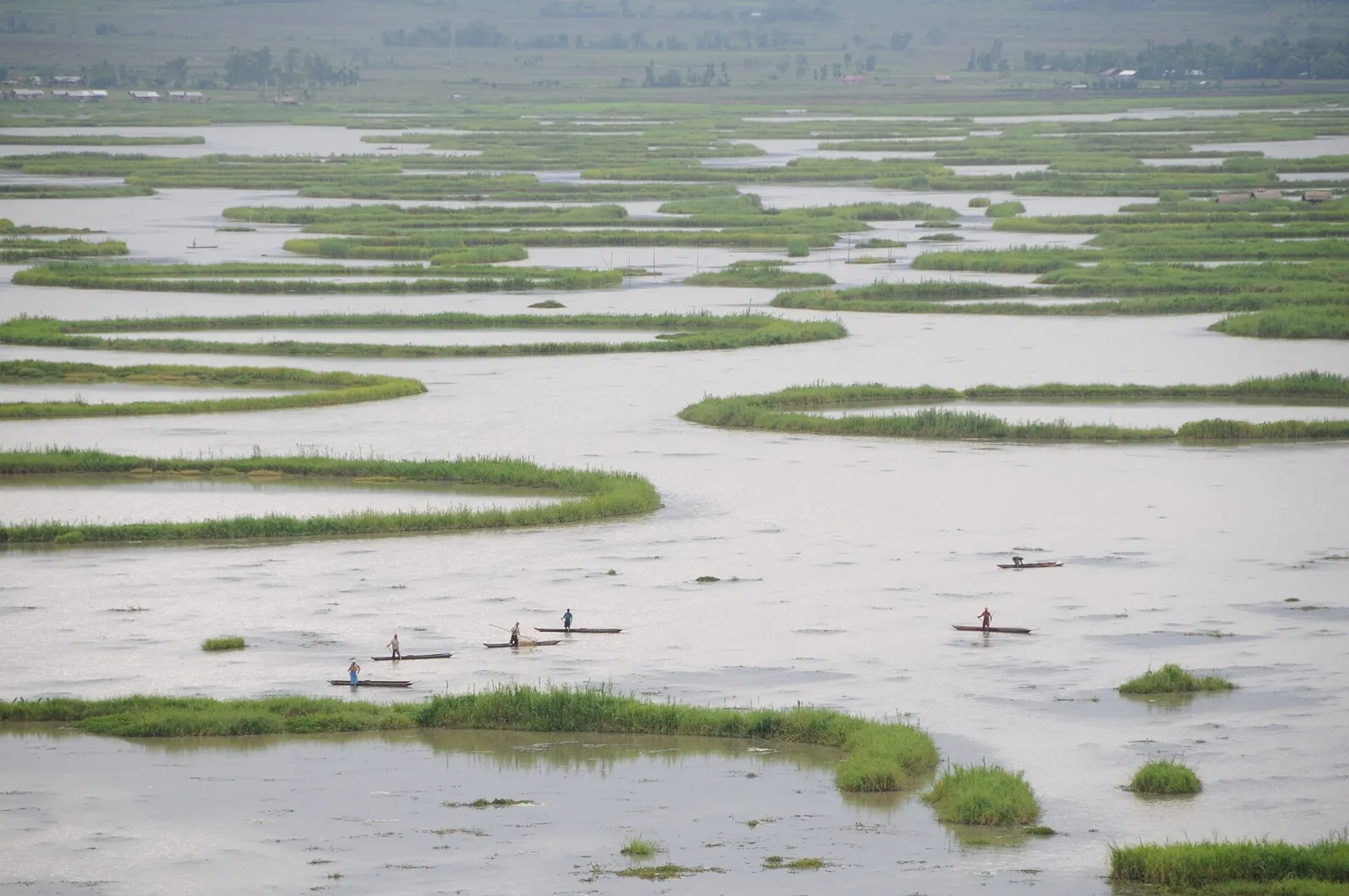
Loktak Lake
Manipur’s Loktak Lake is a seasonally changing freshwater body, known for its floating phumdis and Keibul Lamjao National Park. It also supports local livelihoods and provides water for several uses.
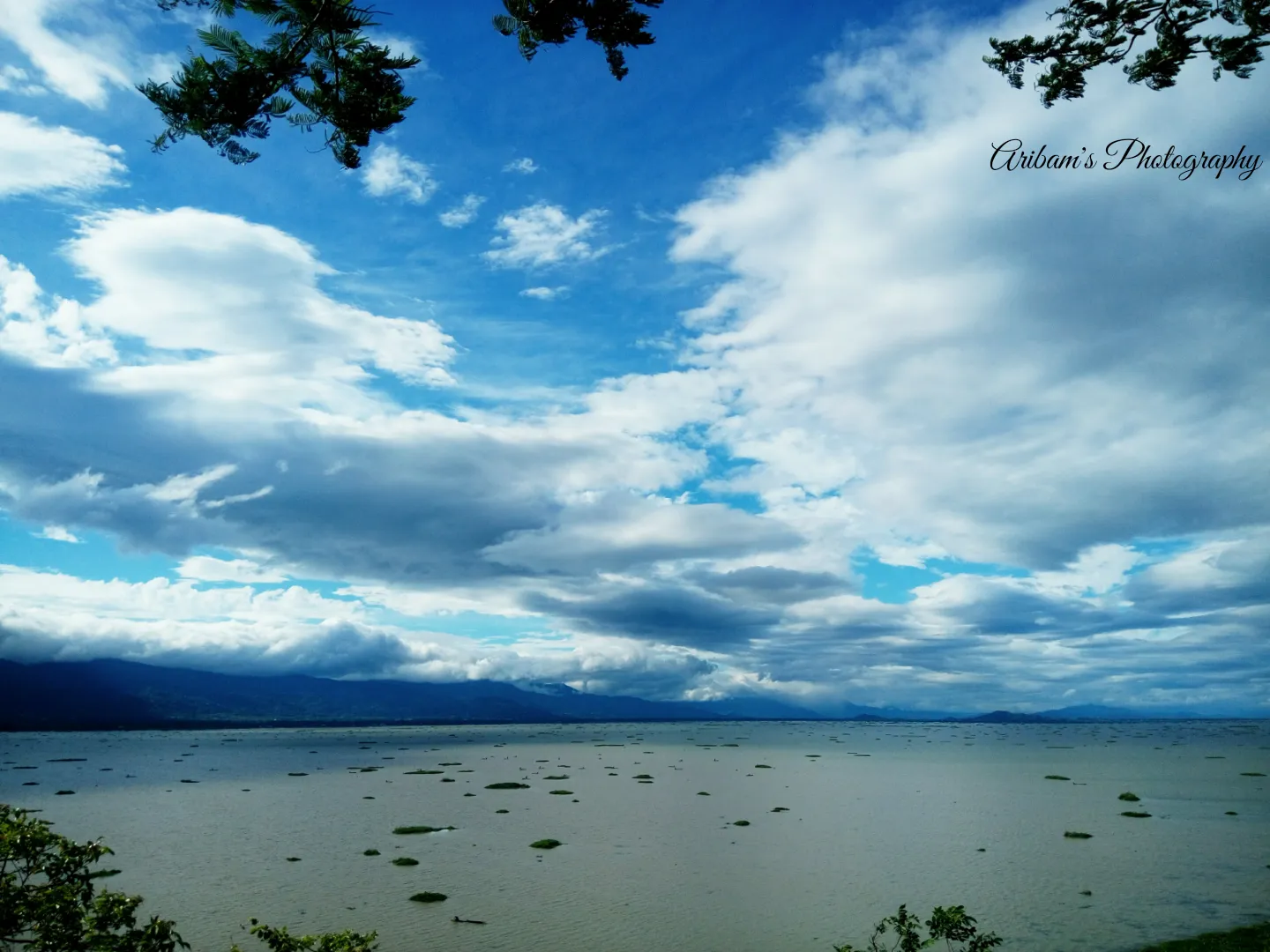
Sendra Island
Sendra Island is a river island in Bishnupur district, Manipur. Its river-island character is the stated point of interest for visitors.
Food in Bishnupur reflects the wider culinary traditions of Manipur. Common dishes include eromba, a mash of vegetables and fermented fish; singju, a fresh, often spicy salad; and kangshoi, a light vegetable stew. Chak-hao kheer, made with the region’s aromatic black rice, is a familiar sweet. Fish and fermented ingredients feature in many meals, though recipes and daily menus vary. Small eateries may cook only a limited selection, so ask what is fresh. Vegetarian travellers should explain their needs clearly; rice, dal, vegetables and eggs may be available, particularly in larger towns.
Handloom weaving is an important tradition across Manipur, with women producing textiles such as phanek wrap skirts and inaphi shawls. Moirang is particularly associated with Moirang phee, a patterned handwoven cloth linked to the town’s weaving heritage. Designs and availability vary, and locally made textiles are not the only craft tradition in the district. Bamboo and cane work are also found across the wider region, with products ranging from household items to baskets. When buying, ask sellers about the material and whether an item was made locally.
Yaoshang, Manipur’s spring festival, is celebrated across the valley, usually in February or March, with community gatherings and lively outdoor activity. Ningol Chakouba, generally observed in autumn, is a family-centred Meitei festival. Lai Haraoba is celebrated in different localities at varying times of year, with ritual performances and traditional music. These are regional traditions rather than events confined to Bishnupur district. Celebrations can make towns busier and reduce room availability, particularly around popular festival periods; visitors should arrange accommodation ahead and check local event schedules.
Bishnupur lies mainly in Manipur’s central valley, with low-lying agricultural land, wetlands and settlements around Loktak Lake. The lake’s changing shoreline, marshes and floating vegetation shape both local livelihoods and sightseeing. Keibul Lamjao National Park protects a distinctive wetland habitat on the lake, while higher ground and forested slopes occur towards the valley’s edges. Roads connect the towns and lake access points, but short journeys can take longer in wet weather or where roads are narrow. Boat travel may be available for parts of the lake, depending on local conditions and arrangements.
The district has a seasonal monsoon climate. Summer, broadly from spring into early summer, can be warm and humid; the monsoon brings frequent rain, greener scenery and occasional disruption to local roads. Winter is generally cooler and drier, making outdoor visits more comfortable, though mornings and evenings can feel chilly. October to March is often a practical period to visit, with the clearest conditions usually outside the main rainy season. Pack light layers, a rain jacket or umbrella in wet months, comfortable walking shoes and sun protection. Conditions can change quickly around the lake, so carry water and check local forecasts before setting out.
Imphal International Airport is the nearest operating airport for the main sites in the district. Jiribam is the nearest established railway station, though onward travel by road can be lengthy; Guwahati is a major rail and air hub for longer journeys into the region. Bishnupur town and Moirang are connected to Imphal by road, and private vehicles, buses and shared taxis are common options for reaching the district. Public transport may be less frequent for lakeside and remote sites, so plan onward connections and carry water and snacks. Check current services locally before travelling.
Imphal is the main gateway, with road connections south to Moirang and other settlements in Bishnupur district. Local buses and shared vehicles may serve the main routes, while taxis or hired cars offer more flexibility for visiting several lake and park locations in one day. Availability can vary, so confirm return transport before travelling to quieter areas. Autos are useful for shorter journeys within towns where available. Boats operate on parts of Loktak Lake, but routes and access depend on local arrangements and conditions; use local guidance and avoid assuming a boat will be available on demand.
2 days: INA Martyrs' Memorial Complex → Loktak Lake → Sendra Island; sleep in Moirang on the first night. 3 days: INA Martyrs' Memorial Complex → Loktak Lake → Sendra Island → Keibul Lamjao National Park; sleep in Moirang on the first and second nights.
Moirang is the most convenient base for visits to Loktak Lake, Sendra Island, Keibul Lamjao National Park and the INA memorial. Imphal offers a wider choice of accommodation and works well for travellers who prefer to stay in the state capital and make a district excursion. Depending on the season and availability, visitors may find hotels, guesthouses, homestays or government accommodation in the wider area; options are more limited near the lake. Confirm facilities and transport arrangements before booking, especially for quieter travel periods.
Lake edges and wetland paths can be slippery or uneven, especially after rain; follow local advice and do not approach wildlife or venture onto floating vegetation without a guide. Drink treated or sealed water and carry essentials, as services may be limited away from towns. Monsoon rain can affect road conditions, and journeys after dark are best kept to familiar routes. Mobile coverage may be inconsistent around parts of the lake and park, so plan meeting points in advance. Visitors from outside Manipur should check whether an Inner Line Permit applies to them, and confirm any current entry or permit requirements with official authorities before travel.
- Imphal Westabout 35 km
- Imphal Eastabout 35 km
- Ukhrulabout 87 km
- Dima Hasao · Assamabout 106 km
- Champhai · Mizoramabout 112 km
- Kolasib · Mizoramabout 116 km
- Peren · Nagalandabout 120 km
- Saitual · Mizoramabout 121 km
Straight-line distance between the centres of each district's destinations; road distance is longer.
All districts of Manipur
Q: How many days should I spend in Bishnupur district? A: Two days covers Moirang and the main Loktak sights at a relaxed pace; allow three days if you want to include Keibul Lamjao National Park. Q: When is the best time to visit? A: October to March is generally a comfortable period, with drier conditions than during the monsoon. Q: Where is the best base for visiting the district? A: Moirang is convenient for the lake and nearby sights; Imphal is a useful base if you want more accommodation choices. Q: How do I get to Bishnupur district? A: Travel by road from Imphal, the main gateway for the district; arrange onward local transport for Moirang and the lake. Q: Is the district suitable for families or elderly travellers? A: Yes, with planning. Choose road access and shorter outings where needed, and take care around uneven, slippery lake edges.
This page draws on our 4 destination guides for Bishnupur and is updated as our team checks it.
Be the first to share photos, stories, advice or a helpful contact for Bishnupur.
Loading…