
District · Mizoram
Saitual
Saitual offers a quieter way to experience Mizoram’s eastern hill country, away from the larger urban setting of Aizawl.
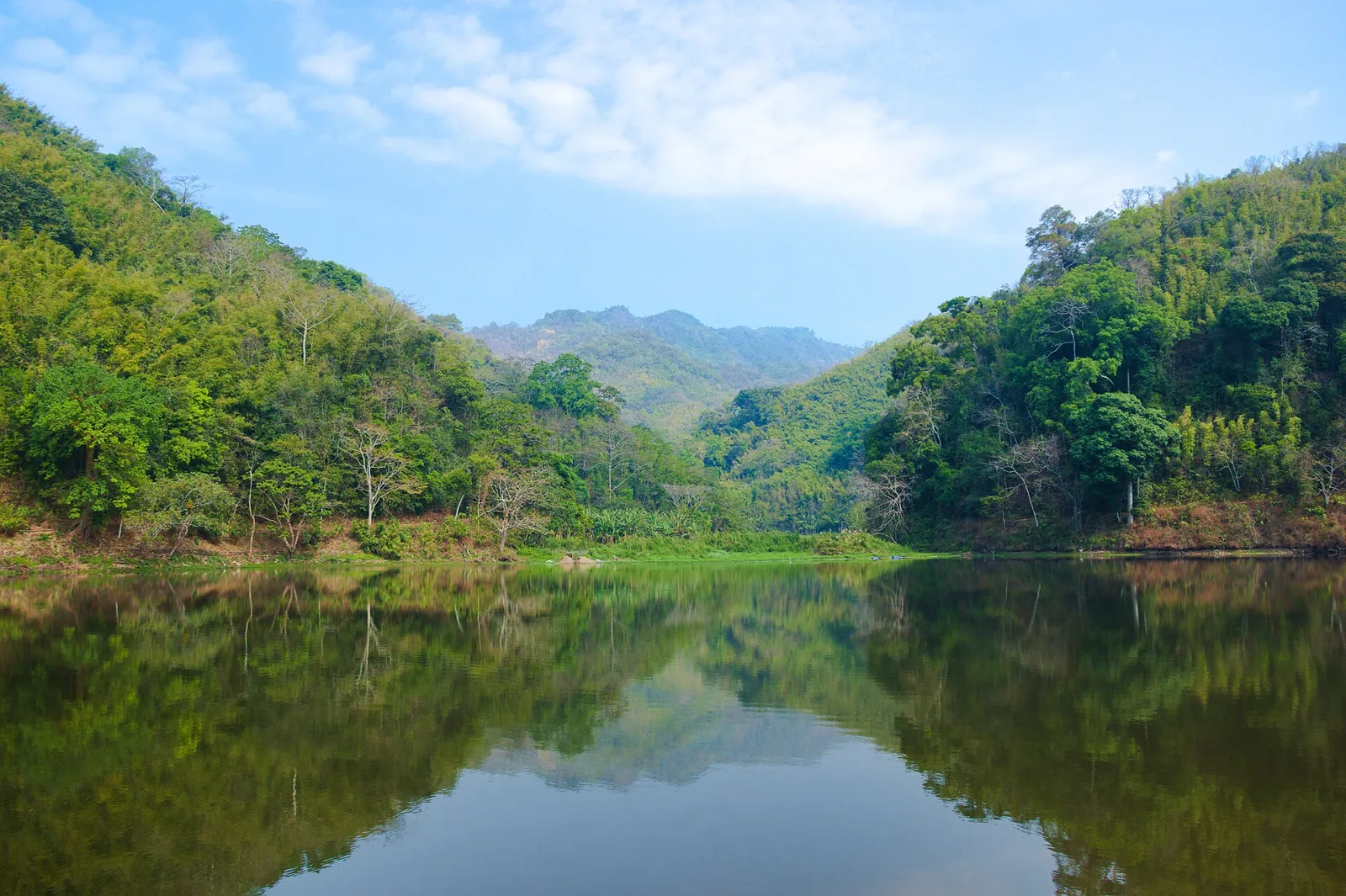
Saitual district lies in the hill country of eastern Mizoram, where forested slopes, valleys and winding roads shape travel and settlement. The district was formed in 2019, with Saitual town as its headquarters. Its character is closely connected to Mizo communities and the wider cultural life of Mizoram, while smaller settlements and quieter landscapes give it a less urban feel than Aizawl. Tam Dil, a reservoir lake about 6 km from Saitual, is among the district’s best-known attractions and offers a glimpse of its green, water-rich setting. Visitors should expect a relaxed pace, hilly terrain and journeys that can take longer than map distances suggest.
Saitual offers a quieter way to experience Mizoram’s eastern hill country, away from the larger urban setting of Aizawl. Established as a district in 2019, it is centred on Saitual town and reflects the region’s Mizo community life and close connection to the surrounding hills. The district is best known to visitors for Ṭam Dil, a reservoir lake about 6 km from Saitual, as well as its forested slopes and unhurried pace. It suits travellers who value scenic road journeys and a relaxed visit rather than a packed list of attractions. Distances on the map can be misleading on winding hill roads.
Saitual’s history belongs to the wider history of the Mizo hills. Communities in the region were traditionally organised around villages and chiefly systems; the area was not part of a large, centralised dynastic kingdom. British administration expanded into the Lushai Hills in the late nineteenth century, and the hills were subsequently administered within Assam. Christian missions and schools became influential in the region during the colonial period, alongside changes in administration and village life. After independence, the hills remained part of Assam until Mizoram became a Union Territory in 1972 and a state in 1987. The present Saitual district was formed in 2019 from areas that had been part of Aizawl district, with Saitual town designated as its headquarters. The district’s recent administrative history is therefore tied to Mizoram’s wider development, rather than to a separate royal or princely state. Local histories and oral accounts remain important sources for understanding individual villages and family traditions.
Food in Saitual reflects wider Mizo traditions. Bai is a vegetable stew often prepared with bamboo shoot, while sawhchiar is a rice porridge commonly made with meat. Smoked pork, known as vawksa rep, and fresh chutneys are also found in the region. Pork, beef, fish and fermented ingredients feature in many local meals. Small eateries may prepare only a limited menu each day, so it is helpful to ask what is fresh. Vegetarian travellers should explain their requirements clearly; rice, vegetables, dal and eggs may be available, particularly in towns, but choices can be limited.
Handloom weaving is an important tradition across Mizoram, and woven puan cloths are among the region’s most recognisable textiles. Patterns, colours and uses vary, and weaving is part of a broader Mizo cultural heritage rather than a craft exclusive to Saitual district. Bamboo and cane are also widely used in Mizoram for practical household objects and basketry. Visitors may find locally made items through community or town markets, though availability varies. Ask about the maker and the piece’s origin, especially when a craft is described as specific to a particular village or community.
Chapchar Kut, a major Mizo festival associated with spring and the completion of jhum clearing, is usually celebrated around March. Mim Kut is generally observed in late summer, while Pawl Kut is a winter harvest festival, commonly around December or January. Christmas is also widely celebrated in Mizoram. Practices and event scale vary between communities, and celebrations in Saitual may be more local in character than large events in bigger towns. Festivals can bring visitors and returning residents to town, so the already limited choice of rooms should be checked and arranged ahead of time.
Saitual district is a landscape of steep, forested hills, ridges and intervening valleys, typical of eastern Mizoram. Settlements sit among slopes rather than across broad plains, and roads follow the contours of the terrain. Ṭam Dil, a reservoir lake near Saitual, is a notable water feature in this green setting. Smaller streams and wooded areas contribute to the district’s rural character. The hills make journeys scenic but slow: winding roads, steep sections and rain-affected surfaces can turn short map distances into longer trips. Walking routes may also be uneven, so suitable footwear is useful.
The district has a generally humid, monsoon-influenced hill climate. The warmer part of the year runs through spring and early summer, while the main monsoon brings frequent rain, wet roads and a greater chance of travel disruption. After the rains, conditions are often clearer and more comfortable for road travel; winter is cooler, especially in the evenings and early mornings. November to April is usually a practical period to visit, though conditions vary from year to year. Pack light layers, a waterproof jacket or umbrella, and shoes with good grip. In winter, bring warmer clothing, and in the rainy season allow extra time for journeys.
Lengpui Airport, near Aizawl, is the nearest airport commonly used for travel to Saitual. Sairang is the railhead serving the Aizawl area; check whether passenger services are operating for your dates. From Aizawl, road travel follows winding hill routes, and the journey to Saitual can take longer than the map distance suggests. Taxis and shared vehicles are typical options for reaching towns in Mizoram, but onward services may be limited. Tam Dil is about 6 km from Saitual and can be reached by road. Check current services locally before setting out.
Road is the main way to move around Saitual district. Saitual town is the practical base for visiting Ṭam Dil, which is reached by road; confirm vehicle availability locally before setting out. Shared vehicles and taxis are common ways to travel between towns in Mizoram, while local bus services and onward connections may be limited or vary by route. There is no need to assume that a vehicle will be available for an immediate return, so agree on a pickup plan with the driver. Roads are winding, and wet weather can slow travel. Do not rely on a fixed schedule without checking current services.
2 days: Tam Dil; sleep in Saitual on the overnight. 3 days: Tam Dil, with a return visit; sleep in Saitual both nights.
Saitual is the most convenient base for a short visit to Ṭam Dil, but accommodation choices may be limited. Basic guesthouses or homestays may be available; check current options and arrange a place to stay before travelling. For a wider choice of hotels and other services, travellers can base themselves in Aizawl, though this means a longer road journey to the district. Availability can change, and visitors should not assume that a government lodge or other specific type of accommodation is open to the public.
Hill roads are narrow and winding in places, and heavy rain can bring poor visibility, slippery surfaces or delays. Use a locally experienced driver and avoid rushing between stops. Wear sturdy footwear on uneven ground, carry drinking water and use safe, treated water. Keep a respectful distance from wildlife and do not feed animals. Mobile coverage can be intermittent outside town, so share your plans and keep essentials with you. Medical services are more limited than in Aizawl. Indian visitors generally need an Inner Line Permit to enter Mizoram; check current requirements and exemptions through official sources before travel. International visitors should confirm any applicable rules officially as well.
- Aizawlabout 24 km
- Champhaiabout 38 km
- Mamitabout 49 km
- Serchhipabout 54 km
- Kolasibabout 61 km
- Lungleiabout 83 km
- North Tripura · Tripuraabout 86 km
- Unakoti · Tripuraabout 111 km
Straight-line distance between the centres of each district's destinations; road distance is longer.
Q: How many days should I spend in Saitual district? A: Two days can cover a relaxed visit to Ṭam Dil from Saitual; allow an extra day if you want a slower pace or more time for road travel. Q: When is the best time to visit? A: November to April is generally a practical period, with less monsoon disruption. Check conditions before travelling. Q: Where is the best base for visiting Ṭam Dil? A: Saitual is the nearest town and the most convenient base, though accommodation choices may be limited. Aizawl has more services. Q: How do I get to Saitual? A: Travel via Lengpui Airport or the Aizawl area, then continue by road. Check current road connections and vehicle services locally. Q: Is Saitual suitable for families or elderly travellers? A: It can suit visitors comfortable with winding hill roads, but limited services and uneven terrain may require extra planning, especially for older travellers.
This page draws on our 1 destination guides for Saitual and is updated as our team checks it.
Be the first to share photos, stories, advice or a helpful contact for Saitual.
Loading…