Ghumoopedia — Explore, Discover, Experience
Sign in
Aizawl, Mizoram

State · Northeast India

Mizoram

Steep bamboo-clad ridges, quiet villages and Mizo community life.

Capital
Aizawl
Districts
9
Destinations
19
Plan a trip in Mizoram

Overview

Understanding Mizoram

Culture

Cheraw bamboo dance.

Food

  • Bai
  • Vawksa rep

Festivals

  • Chapchar Kut
  • Mim Kut

Experiences here

  • Mountain
  • Tribal
  • Festivals

Verified by the Ghumoopedia editorial team on 21 Nov 2026. Written and reviewed by Ghumoopedia's editors. Timings, fees and permits can change, so check them with the managing authority shortly before you travel.

The complete guide

Mizoram: a traveller's guide

Why visit

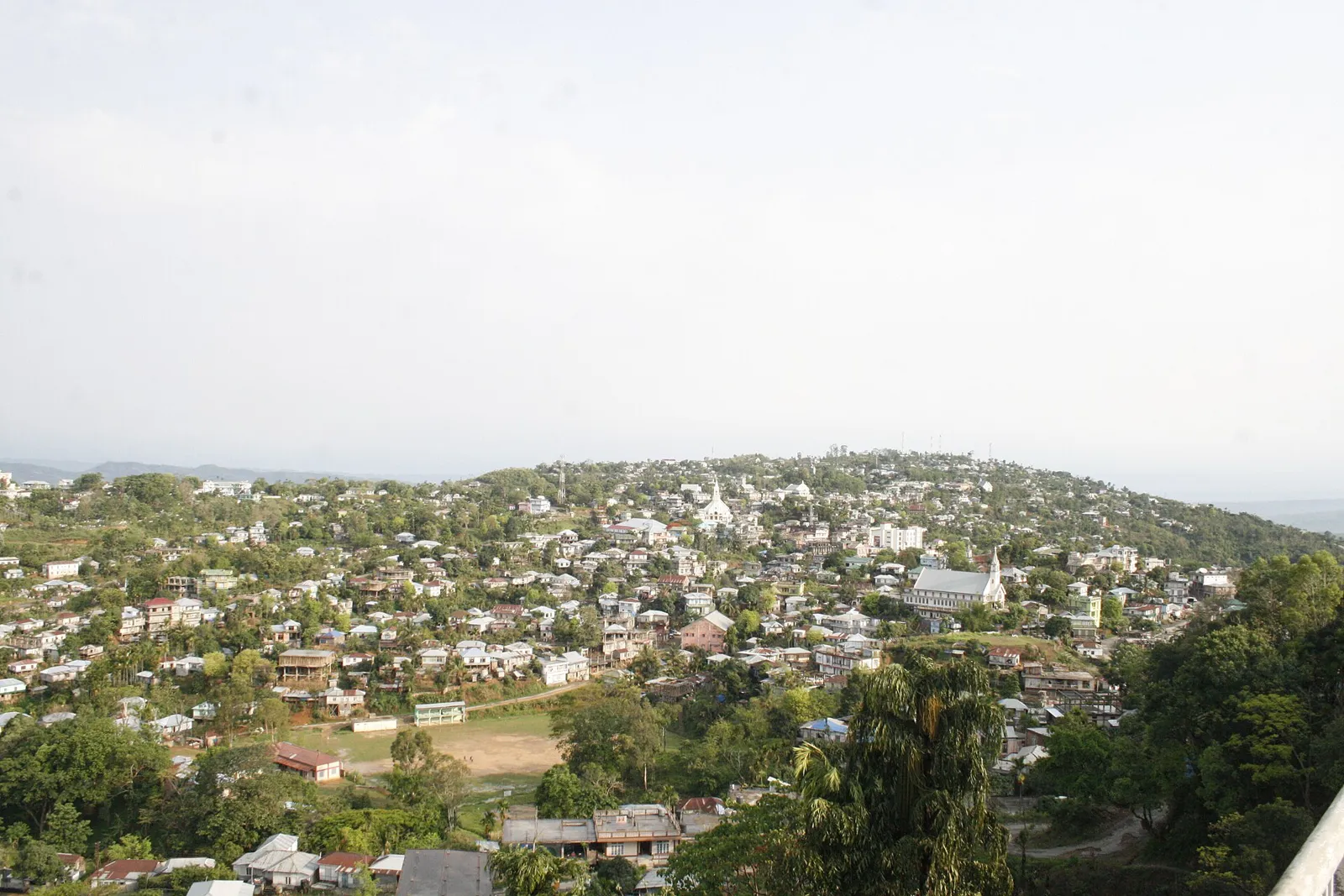
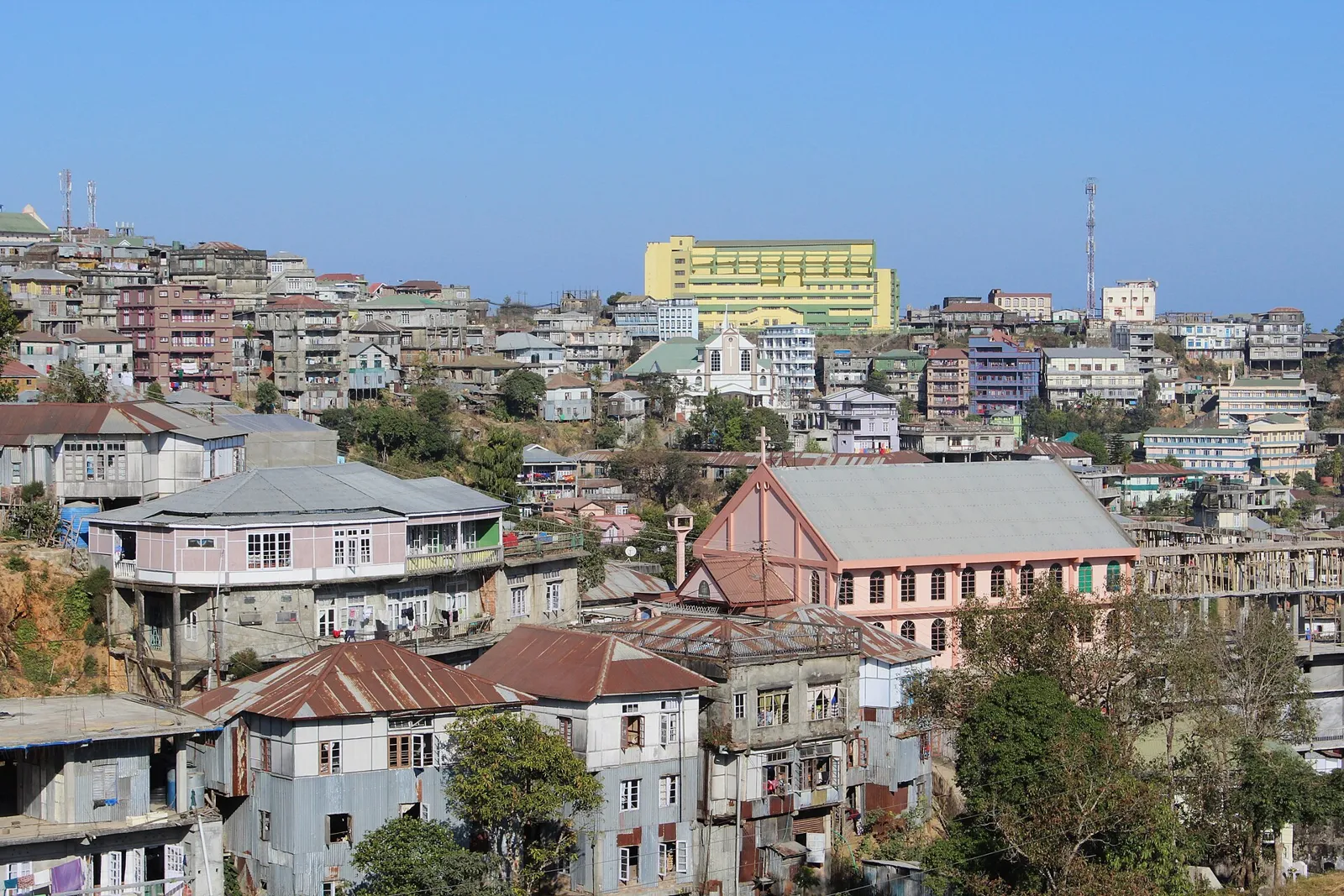
Mizoram is a state of narrow ridgelines, forested slopes and settlements set high above green valleys. In the northeast of India, it offers a quieter kind of journey: one shaped less by landmark-hopping than by winding road trips, hill viewpoints and time spent learning about Mizo community life. Aizawl, the capital, is a lively introduction, with its hillside neighbourhoods, markets and Mizoram State Museum. Beyond the city, places such as Reiek and Hmuifang invite short walks and broad views, while Champhai and Lunglei make rewarding bases for exploring different parts of the state.

The state suits travellers who enjoy mountain scenery, village visits, cultural festivals and unhurried journeys. Nature-focused itineraries can include Dampa Tiger Reserve, Murlen National Park, Lengteng Wildlife Sanctuary and the lakes Tam Dil and Palak Dil; Vantawng Falls is another memorable stop. Distances can take longer than a map suggests, so allow time for the roads and changing weather. Chapchar Kut, the Cheraw bamboo dance, woven puans and meals such as bai offer ways to encounter a culture that is both distinctive and welcoming. Travel thoughtfully, respect local customs and treat the journey itself as part of the experience.
Landscape & climate

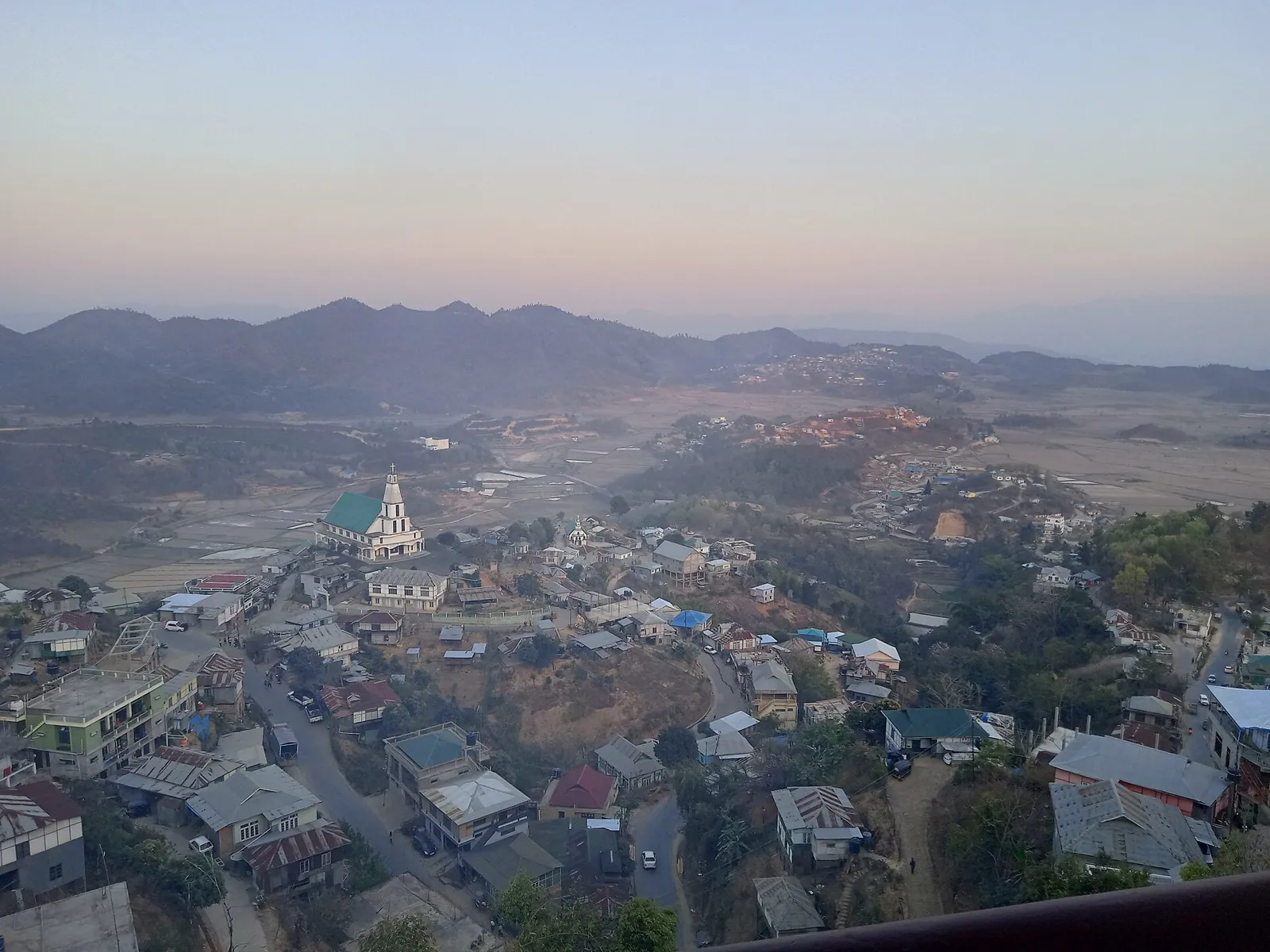
Mizoram lies in the eastern part of the Patkai hill system, where long, steep ridges generally run from north to south and are cut by narrow valleys. Aizawl occupies a high ridge, while towns such as Lunglei, Champhai and Siaha sit amid their own distinct hill country. The state’s nine districts span several landscapes, from the forested western border around Mamit and Dampa Tiger Reserve to the eastern highlands near Champhai and Lengteng Wildlife Sanctuary, and the southern districts of Lawngtlai and Siaha. The highest point is Phawngpui, also called Blue Mountain. Rivers and streams drain the slopes, including the Tlawng, Tuirial and Tuivawl in the north and central areas, and the Chhimtuipui, also known as the Kaladan, in the south.

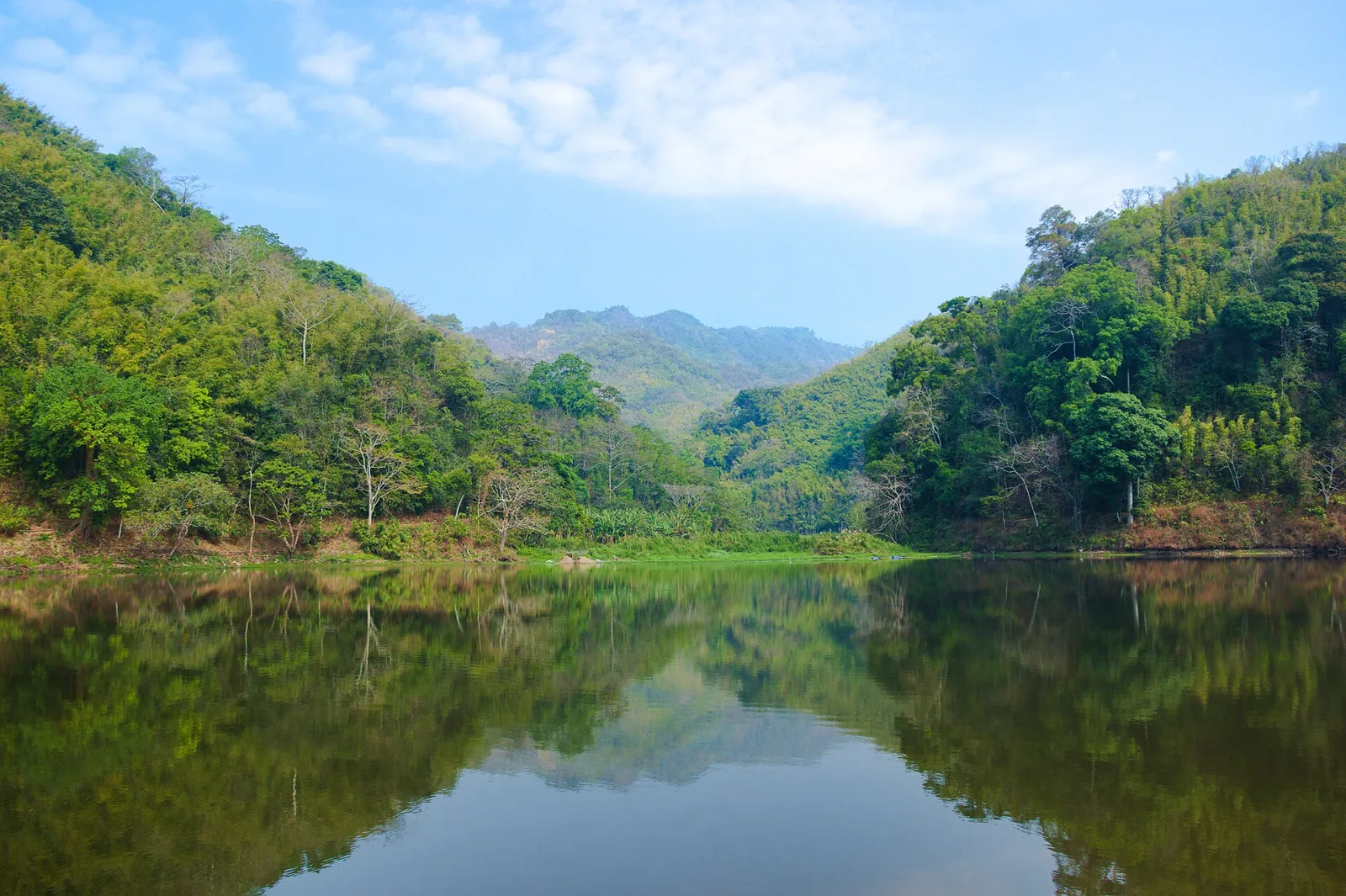
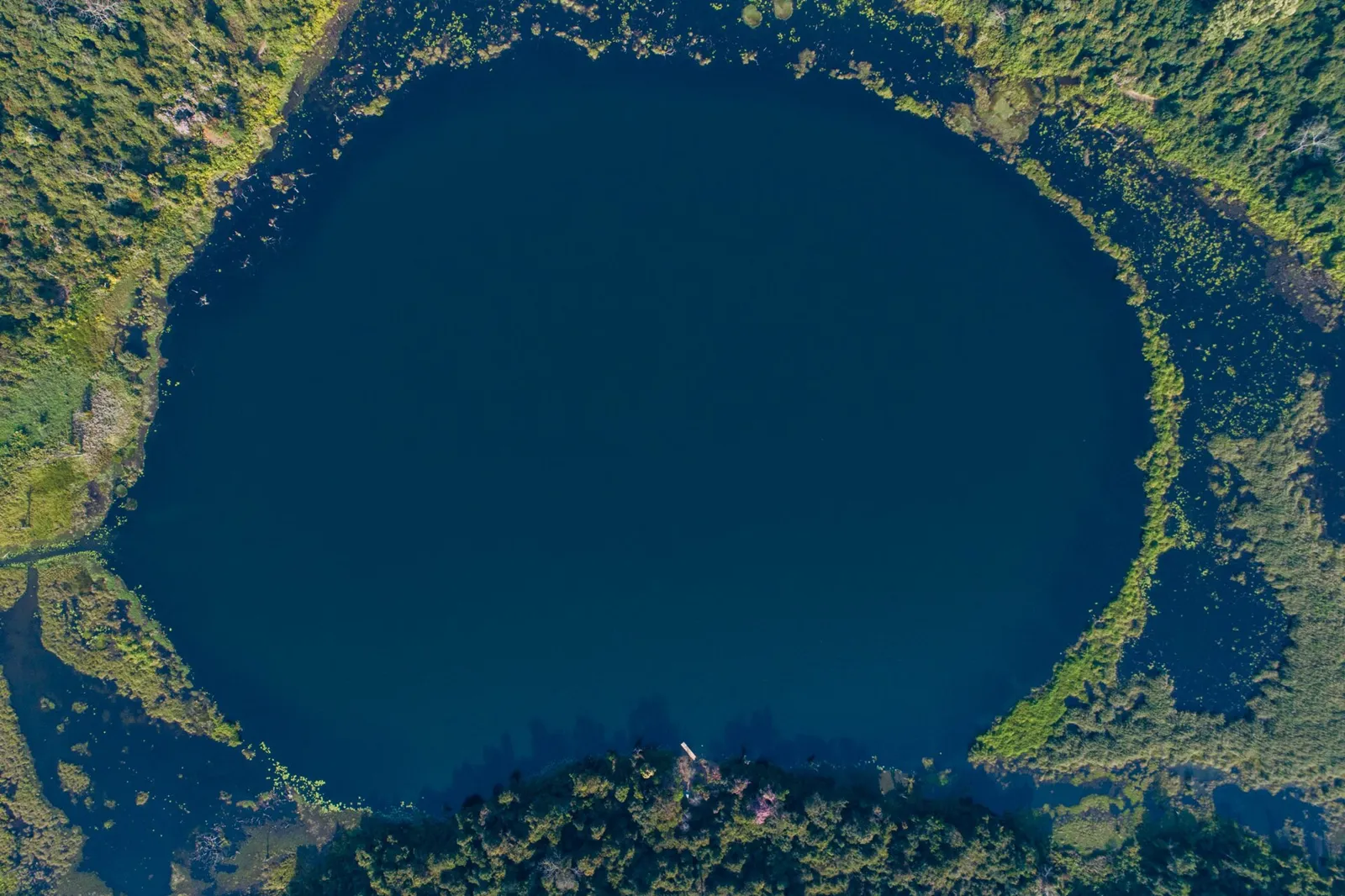
Bamboo and broadleaf forests cover much of the terrain, though shifting cultivation, settlement and roads have altered some slopes. Protected areas preserve important habitats: Murlen National Park and Lengteng lie in the east, while Khawnglung Wildlife Sanctuary is in the south-central hills. Tam Dil is a reservoir lake near Saitual, and Palak Dil is a larger natural lake in the south. The climate is generally humid, with a pronounced monsoon. Rainfall usually builds from late spring, is heaviest during the summer monsoon, and eases through autumn; winters are generally cooler and drier, especially at higher elevations. Fog, heavy rain and landslides can affect travel in wet months, while exposed ridges may feel cool even when lower valleys are mild.

History & heritage

Mizo history is preserved in oral traditions, community memory and accounts of migrations across the hill country and neighbouring regions. The people now identified as Mizo include communities with distinct histories and languages, among them Lai, Mara, Hmar and Paite. Before colonial administration, villages were largely governed by hereditary chiefs, or lal, with local systems of authority and customary law. There was no single ancient empire ruling the area corresponding to modern Mizoram. Chieftainship, kinship, village institutions and a strong oral tradition shaped social life, while routes through the hills connected communities to the wider region.

British influence expanded into the Lushai Hills during the nineteenth century, following frontier tensions and expeditions. The British established administrative control in the 1890s, and the Lushai Hills became a district within Assam. Christian missionaries arrived around the turn of the twentieth century. Their work, together with local teachers and converts, helped spread literacy using the Roman script for Mizo and brought major changes in education, religion and public life. Christianity became widely established, though older customs and oral heritage remain important parts of Mizo identity. The colonial period also brought new administrative structures and greater links with the plains, while many villages retained strong local ties.

After Independence, the Lushai Hills remained part of Assam. A severe famine associated with the flowering of bamboo and a rise in rodent populations struck in 1959. Dissatisfaction with the response helped prompt the formation of the Mizo National Famine Front, which later became the Mizo National Front (MNF). The MNF launched an armed uprising in 1966, followed by years of conflict and political negotiations. The 1986 Mizo Peace Accord between the Indian government and the MNF created a path to peace and political settlement. Mizoram became a Union Territory in 1972 and attained statehood in 1987. That transition, and the peace accord, remain defining milestones in the state’s modern history.

Culture, people & festivals

Mizo is the most widely spoken language and an official language of the state, alongside English, which is used in administration and education. Communities across Mizoram include Mizo groups as well as Lai, Mara, Hmar, Paite and others, each with their own histories and cultural expressions. Christianity is the predominant faith and has a strong presence in community life; churches, choirs and Sunday gatherings are prominent in towns and villages. Older beliefs, customary practices and oral histories also form part of the region’s heritage. The ideal of tlawmngaihna—often described as selflessness, helpfulness and responsibility to others—is frequently cited as an important Mizo social value.

Music is central to gatherings and celebrations, from church singing and contemporary bands to traditional songs accompanied by drums and gongs. Cheraw, the bamboo dance, is the best-known dance form: dancers step rhythmically between bamboo poles moved by holders on the ground. Chapchar Kut, usually celebrated in March after work on jhum fields has been completed, is a major spring festival featuring dancing, music and community feasts. Mim Kut, generally held in August or September, is associated with the maize harvest and remembrance of the departed. Pawl Kut, commonly celebrated in December or January, marks the completion of the harvest season. Dates and programmes vary by place and year, so visitors should check local announcements and attend as respectful guests.

Food & flavours

Rice is the staple of Mizo meals, usually served with vegetables, greens, meat or fish. Bai is a widely loved preparation of vegetables and local greens cooked together, often with fermented ingredients and a modest amount of seasoning; recipes vary from household to household. Vawksa rep combines smoked pork with ingredients such as bamboo shoot and chilli, making the smoky flavour a defining feature. Other meals may include boiled or steamed vegetables, mustard greens, beans and chutneys. Food is often served simply, with the natural character of the ingredients taking precedence over elaborate sauces. Fermentation, smoking and drying are practical ways of preserving food and also contribute distinctive flavours.

Local menus differ with season, community and location. Bamboo shoot, leafy greens, colocasia, beans and wild or cultivated herbs appear in many kitchens, while fish and pork are common sources of protein. Bird’s-eye chilli can bring considerable heat, though not every dish is fiery. In towns, visitors will find a mix of Mizo cooking and familiar Indian dishes; village meals may be more seasonal and home-grown. Sweet foods are less central to the traditional meal than savoury dishes, but rice-based snacks, cakes and locally prepared treats may be offered at gatherings or festivals. Ask about ingredients when needed, especially chilli, fermented foods or meat, and accept that the same dish can taste quite different from one household to another.

Crafts, textiles & what to buy

Handwoven textiles are among Mizoram’s most recognisable crafts. The puan is a versatile woven cloth worn, wrapped or used in the home, and its patterns and colours can carry regional and community associations. The elaborate Mizo Puanchei is especially associated with festive dress, while Tawlhlohpuan and Pawndum are other traditional textiles with distinctive designs and uses. These three textiles—Mizo Puanchei, Tawlhlohpuan and Pawndum—have Geographical Indication recognition. Weaving remains an important skill, with production and textile traditions found across the state, including in and around Aizawl and other district towns. Ask sellers about the maker and the textile’s origin, and distinguish handwoven work from factory-made imitations.

Bamboo and cane are used to make baskets, household objects, mats and other practical items, reflecting the materials available in the hills. Woodwork and locally made accessories can also be found, though the selection varies by market. Mizoram’s bird’s-eye chilli, often called Mizo chilli, is GI-tagged and may be sold fresh, dried or prepared as a condiment; packaging and availability vary. Markets in Aizawl offer a convenient place to look for textiles and local produce, while buying directly from artisans or cooperatives can help visitors learn how an item is made. Choose pieces that are easy to carry and ask before photographing a craftsperson or workshop.

Getting there & getting around

Lengpui Airport, near Aizawl, is Mizoram’s main airport; flight options and connections can change, so check current services before planning an itinerary. Mizoram has rail access at Bairabi in the north, but many visitors also use Silchar in Assam as a major rail junction and continue by road. Rail infrastructure and passenger services can change, so confirm the latest operating arrangements rather than assuming a direct connection. By road, National Highway 306 connects the Silchar–Aizawl corridor, while National Highway 2 serves routes through Aizawl and onward toward southern Mizoram. Roads link the district towns, including Kolasib, Serchhip, Champhai, Lunglei, Lawngtlai and Siaha, but mountain routes are winding and journey times can be affected by rain, roadworks and landslides.

Shared sumos and other shared vehicles are widely used for intercity travel, while taxis and hired vehicles offer more flexibility for reaching viewpoints, lakes and protected areas. Local buses operate on some routes, but coverage and frequency vary; check arrangements locally. Aizawl is spread over steep slopes, so getting around on foot can involve sharp climbs and stairs, and local taxis are useful for longer uphill journeys. Reiek, Hmuifang, Tam Dil and Vantawng Falls are commonly approached by road from nearby towns, while visits to remote reserves may require advance planning and local guidance. Ask your accommodation or a local operator about road conditions and access before setting out. Build spare time into any itinerary, particularly if connecting to a flight or train.

When to go & travel tips

For generally drier weather and easier road travel, many visitors prefer the cooler months from roughly November to March. March is also a good time to experience Chapchar Kut, though festival dates and events vary. The monsoon, broadly from late spring through September, brings lush scenery but can mean heavy rain, slippery paths and disrupted road journeys. For eastern destinations such as Champhai, Murlen and Lengteng, and for southern areas around Siaha and Palak Dil, allow extra time whatever the season. Conditions differ with elevation, so check local forecasts and road updates shortly before travelling.

Pack layers, a light waterproof jacket, shoes with good grip and protection from sun and insects. Carry some cash for smaller settlements, and keep medicines and essential items with you on long drives. Inner Line Permit requirements and other entry rules may apply to visitors; requirements can differ by traveller category and change, so confirm them through official sources before departure. Dress modestly when visiting churches, ask before taking photographs of people or worship, and follow local guidance at festivals and villages. Avoid littering, stay on marked paths in forest areas and do not approach wildlife. Be patient on narrow roads, use seat belts where available and avoid unnecessary travel during severe rain.

Highlights

Where to begin

City by city

Cities & hubs of Mizoram

Every sight is grouped under its city — places within about 12 km together, day trips within 40 km alongside — even across district lines. Open a city to see its attractions.

See every city, town and village of Mizoram

More cities of Mizoram

Away from the cities — 2 more places by district

District discovery

Mizoram: 9 districts covered

Open a district to see its destinations and neighbours. More districts are added as our team writes them.

9 of 9 districts have destination guides

Destinations

Every guide in this state

Open a district to see its cities and towns, villages and places to see.

Aizawl5 places
Champhai3 places
Kolasib1 place

Cities & towns

Lawngtlai2 places
Lunglei2 places

Cities & towns

Mamit2 places
Saitual1 place

Places to see

Serchhip2 places

Cities & towns

Places to see

Siaha1 place

Places to see

Festivals & fairs

The calendar here

Full calendar

Festivals of Mizoram through the year

Usual season and where each is best known. Exact dates follow local calendars — linked festivals have dated guides.

  • Chapchar Kut (March), Mim Kut (August–September), Pawl Kut (December–January): the three main Kut festivals
  • Anthurium FestivalOctoberAizawl.
  • ChristmasThe largest festival, observed statewide.
From travellers and locals

Be the first to share photos, stories, advice or a helpful contact for Mizoram.

Loading…