
Ghumoopedia — Explore, Discover, Experience
Sign in
Champhai, near Champhai

City guide · Mizoram

Champhai

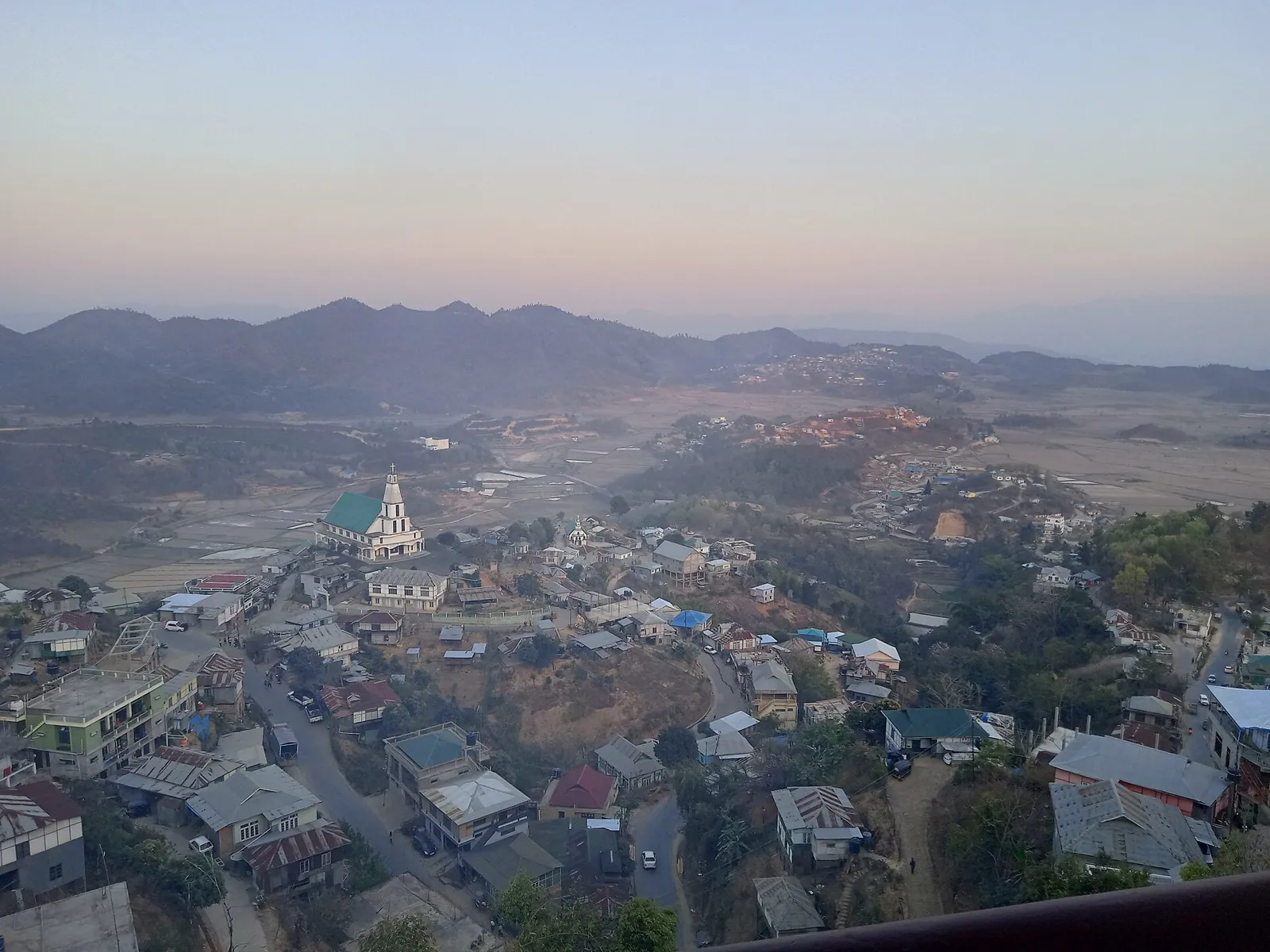
Champhai, in Mizoram’s Champhai district, is a historic town near Myanmar. Visitors come to a regional trading centre set within a high valley landscape.

Famous for

  • Champhai Valley rice
  • India–Myanmar border trade
  • Zokhawthar crossing
  • Sikpui Lung monolith
  • Mizo grape cultivation
In the city
1
District
Champhai

Why Champhai matters

Champhai is a hill town in eastern Mizoram, close to the Myanmar border. Its position makes it an important centre for commerce and a gateway to cross-border trade, with Zokhawthar serving as the main border trading point. The town also supports surrounding villages with markets, services and administrative facilities. Rice farming in the broad valley is a defining part of local life, while the surrounding hills and views towards Myanmar give the area a distinctive setting.

Visitors come for the valley landscape, the town’s borderland character and traces of its early history, including the Sikpui Lung monolith. Champhai is also a useful base for exploring eastern Mizoram and nearby rural communities. Local agriculture, including paddy and grape cultivation, shapes its identity alongside trade. The mix of a settled valley, a lively town centre and a frontier location makes Champhai significant both as a regional hub and as a place to experience a less-visited part of Mizoram.

Famous for: crafts, trade & products

Champhai is best known commercially as a trading centre serving eastern Mizoram. Goods such as clothing, silverware and electronics are brought in through trade with Myanmar via Zokhawthar. The town’s shops and markets are the practical places to browse everyday merchandise; availability can vary, and visitors should check current rules before buying or carrying goods across the border. Champhai is not especially known for a single large-scale craft industry.

Agriculture is central to the surrounding economy. The valley’s paddy fields have earned it a reputation as an important rice-growing area, and grapes are also cultivated locally. Mizo woven puan cloth and bamboo or cane work can be found through local sellers and markets, though these crafts are made across the region rather than being unique to Champhai. Local grape products may be available seasonally. There is no need to expect a dedicated handicraft district: ask in town shops or at local markets for current availability and locally made items.

History

Champhai’s early history is associated with the Hmar people, followed by Ralte settlement. The Sikpui Lung, a stone monolith linked to Hmar tradition, remains a reminder of that past. Later, the town became the headquarters of Lalbura Sailo, a Mizo chief opposed by the British during the Lushai Expedition of 1871–72. Under British rule, Champhai was accorded the status of a fort.

The valley is understood to have once held a lake, which gradually filled with silt. Its fertile plain later became important for rice cultivation: irrigated paddy farming began in 1898, encouraged by the colonial authorities to supply rice for troops and labourers. Champhai was still a small settlement in the early twentieth century. In 1966, the Mizo National Front attacked the Assam Rifles post there during its uprising. In 1988, the town hosted the first Zomi Convention, an important gathering in the development of Zo reunification efforts. Trade and district administration have since strengthened its regional role.

Food, festivals & culture

Mizo is the main language of everyday life, and English is also used in administration and education. Rice is the staple, commonly served with bai, a vegetable dish often cooked with local greens, and sawhchiar, a rice-and-meat preparation. Smoked or dried meats and seasonal produce feature in home cooking. Champhai is not especially known for a signature sweet; visitors are more likely to encounter simple home-style foods than a specialised dessert tradition.

Mizo festivals bring together community, music and dance. Chapchar Kut, usually celebrated in spring, is associated with the agricultural calendar and performances such as Cheraw, the bamboo dance. Mim Kut is generally observed around late summer or early autumn, while Pawl Kut is a winter harvest celebration; local schedules and events vary. Chheihlam and other traditional dances may be performed at cultural gatherings. Christianity is widespread, and churches are prominent in town life; traditional customs and community events also remain an important part of local identity.

Visiting the city

The cooler, drier months from roughly October to March are generally comfortable for exploring, while monsoon rains can make mountain roads slower and less predictable. The nearest airport for most visitors is Lengpui Airport near Aizawl, followed by a long road journey. Sairang railway station, near Aizawl, is the main railhead to consider for onward travel; confirm current rail and road connections before setting out.

Champhai is connected with Aizawl by road, with buses and shared maxi cabs commonly used. Within town, local taxis and walking are practical options. Explore the central market area for shops and everyday town life, then visit the rice-growing valley and Sikpui Lung. Zokhawthar and the nearby border area offer insight into the region’s trading links, but access and crossing rules should be checked in advance. Roads can be winding, so allow time for journeys.

Attractions

Places to visit in Champhai

Sights within about 12 km of each other, even when they fall in different districts.

Map

Champhai on the map

  1. 1Champhai

Mizoram

Other cities to explore