Ghumoopedia — Explore, Discover, Experience
Sign in
Aizawl, near Aizawl

City guide · Mizoram

Aizawl

Aizawl is Mizoram’s capital and largest city, spread across elevated ridges. Visitors can see its colonial-era civic buildings and the Assembly House, which serves as the state legislature’s home.

Famous for

  • Mizo handwoven puan
  • Chapchar Kut festival
  • Bara Bazar market
  • Hilltop city views
  • Mizo churches and music
In the city
4
Nearby
1
Districts
Aizawl, Mamit

Why Aizawl matters

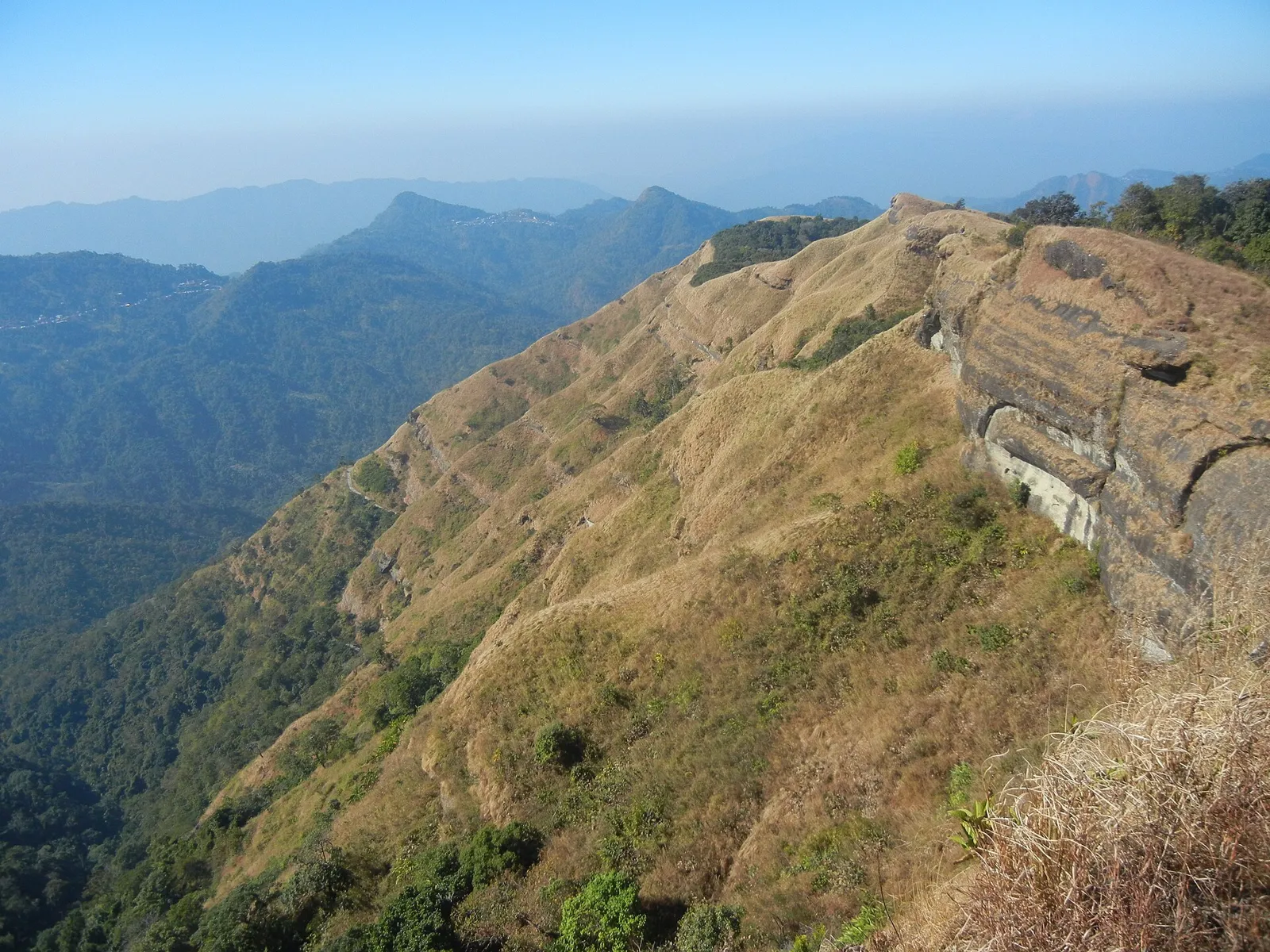
Aizawl is Mizoram’s capital and its principal centre for government, education, commerce and healthcare. Set along steep, green ridges at about 1,130 metres above sea level, it has striking views across the surrounding hills and valleys. Its winding roads and closely spaced buildings reflect a city shaped by the terrain as much as by rapid growth.

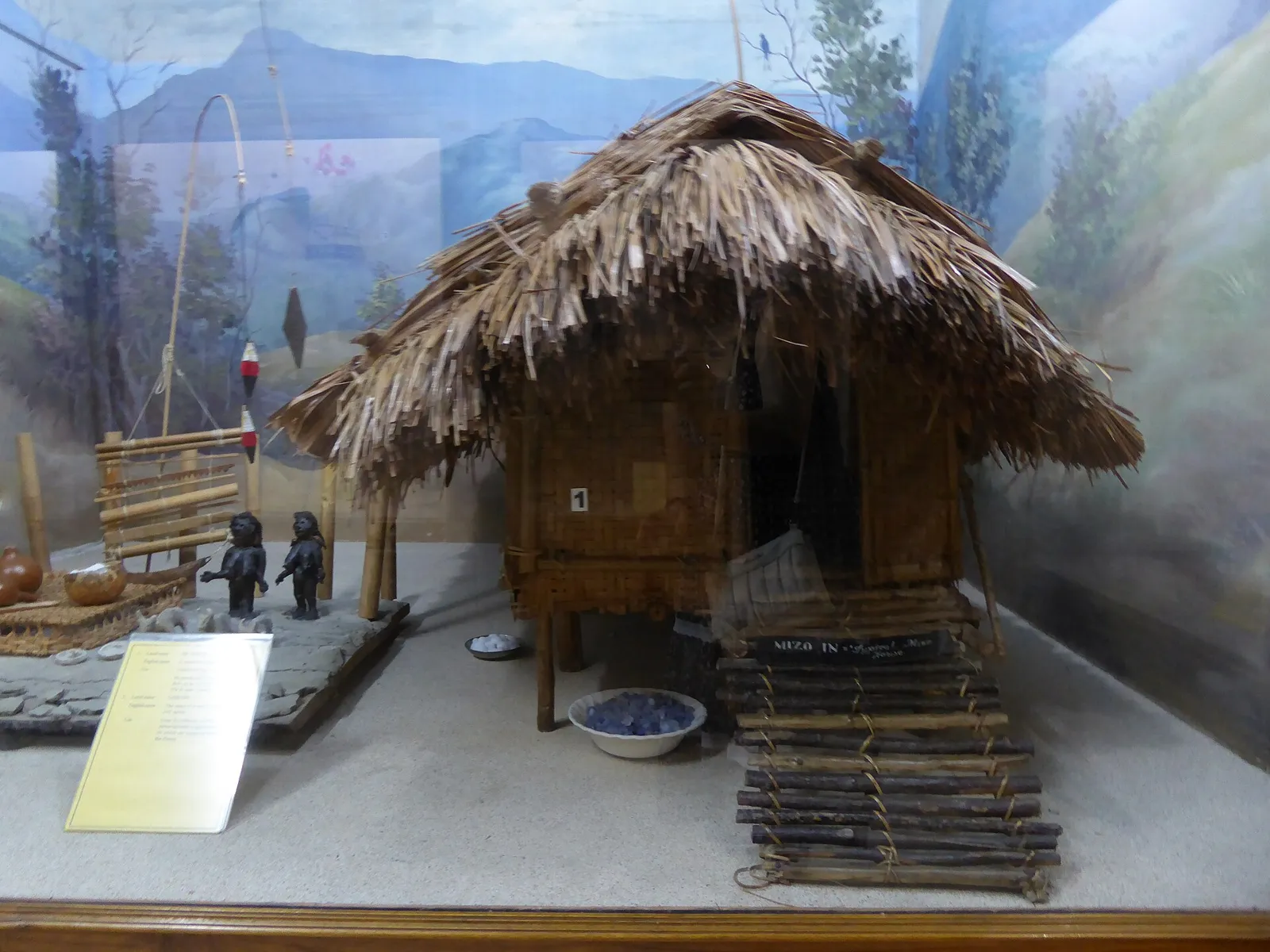
Visitors come to experience Mizo culture, browse lively markets, see the city’s churches and enjoy viewpoints around the urban ridge. The Mizoram State Museum offers an introduction to local history and traditions, while the Assembly House and older colonial-era buildings recall Aizawl’s administrative past. The city is also a useful starting point for journeys to nearby hill destinations and villages. Mizo is widely spoken, and the strong presence of churches, community organisations and local music gives Aizawl a distinctive character. For travellers exploring the state, it is both a practical gateway and a place to spend time understanding contemporary life in Mizoram.
Famous for: crafts, trade & products

Aizawl is known for Mizo handloom, especially colourful puan cloth and the richly patterned puanchei worn for celebrations and cultural events. Tawlhlohpuan and Mizo Puanchei are among the state’s GI-registered textiles. Bamboo and cane work, including baskets and household items, also reflects the region’s craft traditions. These goods can be sought out in Aizawl’s markets and specialist handloom or craft outlets; ask locally about current availability and the makers’ origins.

Bara Bazar is the city’s best-known traditional market, with clothing, household goods, produce and everyday Mizo foods. New Market and the city’s larger shopping centres offer further retail options. Local shops sell regional ingredients such as smoked meat, fermented products, bamboo shoot and chilli, though these are food products rather than a single signature export industry. Aizawl is primarily an administrative and service centre, not a major manufacturing hub. Visitors interested in textiles should look for locally made pieces and ask about their weave and use; market stock can vary, and not every item sold as traditional is made in Mizoram.

History

Local accounts trace an early settlement at Aizawl to the rule of Chief Lalsavunga in the early 19th century. In 1889, British forces established a fortified post here, and Aijal developed into an administrative centre for the Lushai Hills. The British-era name was Aijal; the town later became the headquarters of the district administration. Colonial buildings and institutions in the centre reflect this period.

After Independence, Aizawl continued as the region’s main town and expanded as people moved there for services, trade and work. Growth accelerated during the Mautam famine of the late 1950s. In March 1966, conflict between the Mizo National Front and the Indian government brought air attacks on Aizawl, a painful episode in the city’s modern history. Aizawl became capital of the Union Territory of Mizoram in 1972 and remained the capital when Mizoram attained statehood in 1987. Today it is the state’s main centre of government and urban development.

Food, festivals & culture

Mizo food commonly features rice with bai, a vegetable dish often cooked with herbs and ingredients such as bamboo shoot, and sawhchiar, a rice-and-meat preparation. Smoked pork, fermented foods and local greens are also familiar flavours. Food is often shared at home and during community gatherings; menus vary between households and eateries.

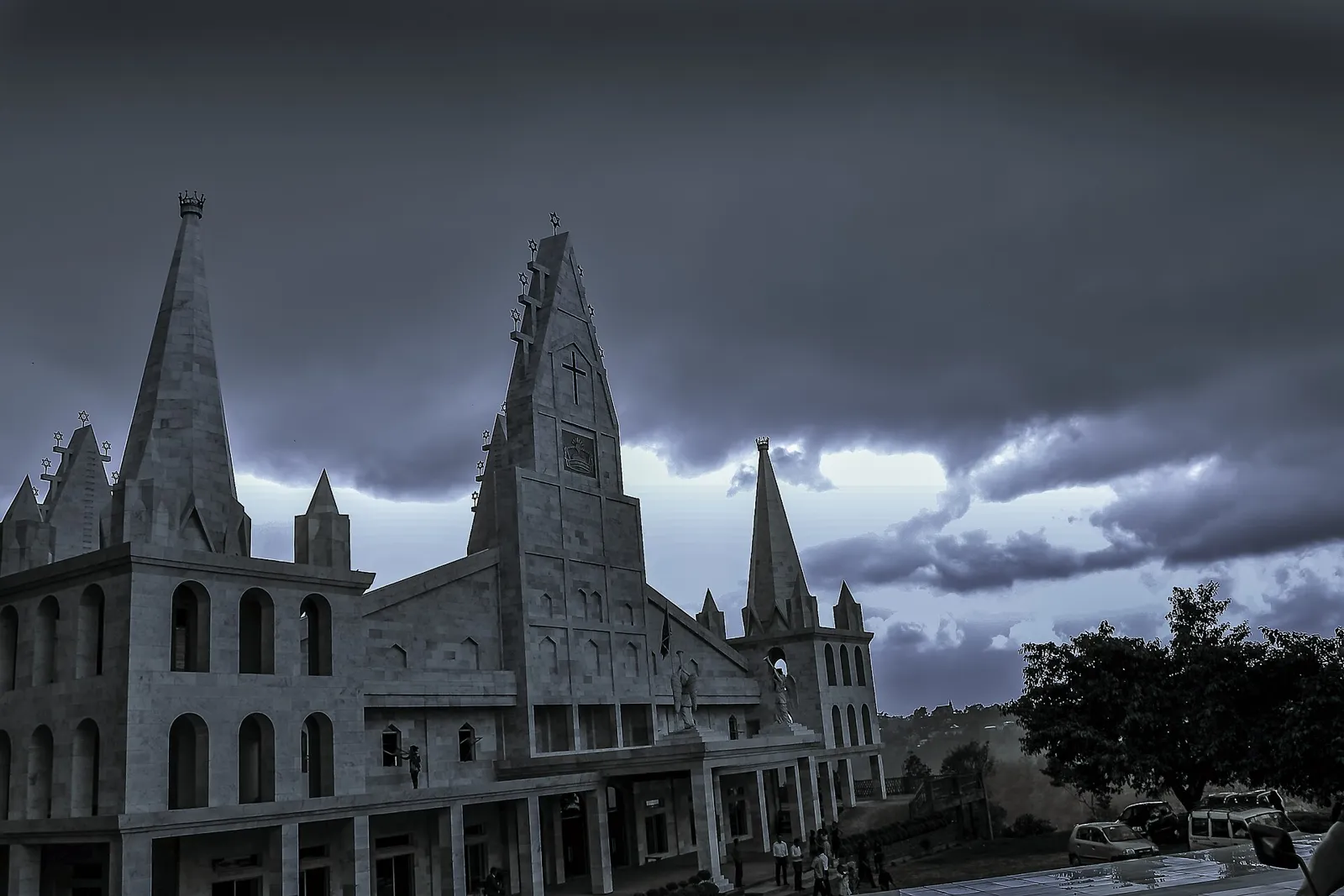
Chapchar Kut, usually celebrated in spring around March, is the best-known Mizo festival, with music, dance and traditional dress. Mim Kut is generally observed in late summer, while Pawl Kut is associated with the harvest season in winter. Mizo is the principal language, with English widely used in education and administration; Hindi is also understood by some residents. Choral singing, gospel music and contemporary Mizo music are prominent. The Cheraw, or bamboo dance, is among the region’s best-known dance forms. Churches are central to community life, and notable places of worship include the hilltop Solomon’s Temple and the Cathedral of Mary Help of Christians.

Visiting the city

The cooler, relatively dry months from November to March are generally the most comfortable for exploring Aizawl. Monsoon rain, usually from spring into autumn, can make steep roads and travel slower, so pack for wet weather if visiting then. Lengpui Airport is the nearest airport, west of the city. Sairang railway station, on the Bairabi–Sairang line, is the closest rail connection; check current train services before planning around it.

Taxis and local shared vehicles are the main ways to get around, though traffic and narrow, sloping streets can make short journeys take time. Bara Bazar is good for shopping and everyday city life; Dawrpui and the central ridge are useful areas to explore on foot where terrain allows. Visit Durtlang for elevated views, and allow time for the museum and prominent churches. Aizawl’s hills mean comfortable footwear is helpful.

Attractions

Places to visit in Aizawl

Sights within about 12 km of each other, even when they fall in different districts.

Short trips

Around Aizawl

Within about 40 km — easy half-day or day trips from the city.

Map

Aizawl on the map

  1. 1Aizawl
  2. 2Mizoram State Museum
  3. 3Reiek
  4. 4Solomon's Temple
  5. 5Dampa Tiger Reserve

Mizoram

Other cities to explore