
Ghumoopedia — Explore, Discover, Experience
Sign in
Kolasib, near Kolasib

City guide · Mizoram

Kolasib

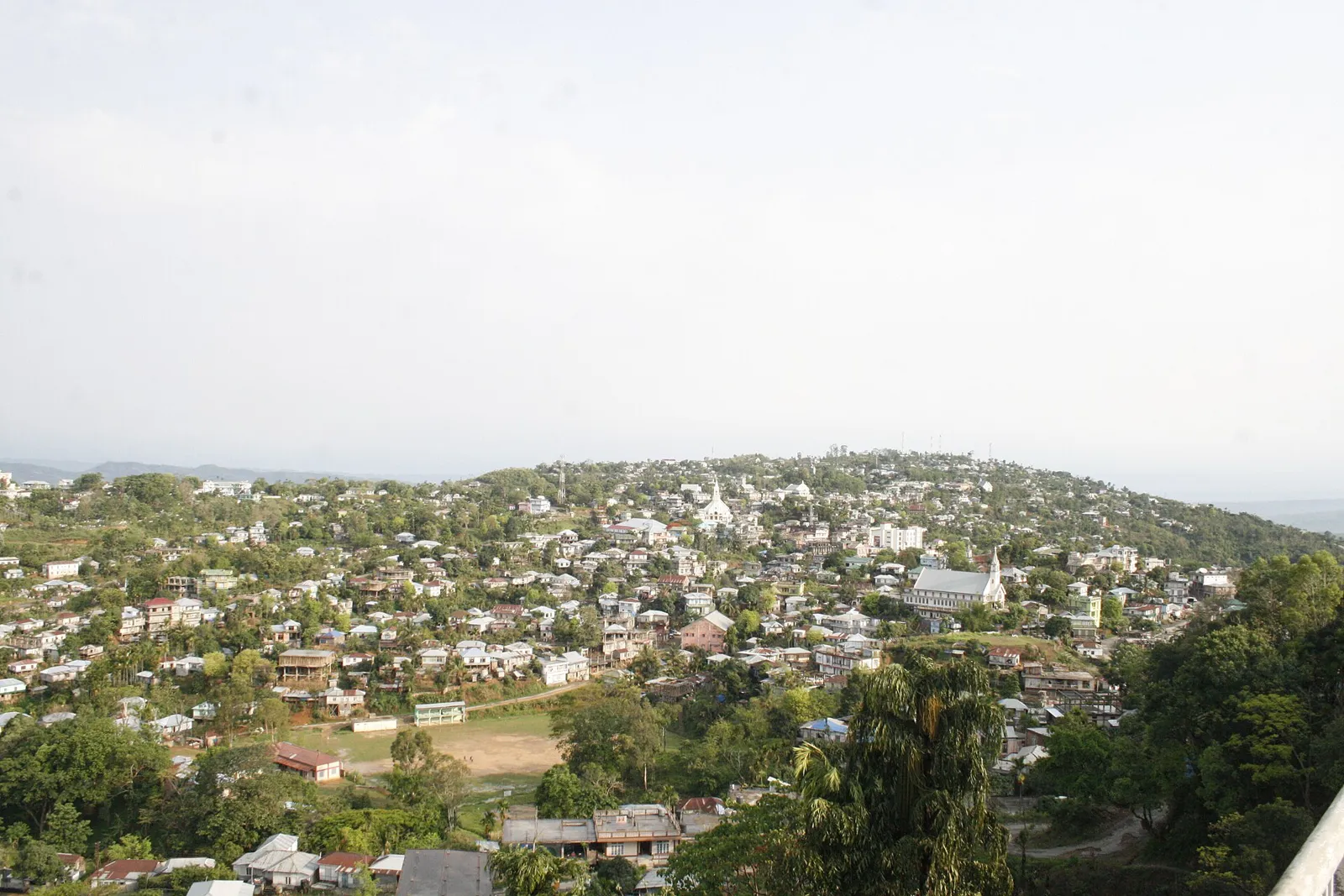
Kolasib is a town in northern Mizoram and the headquarters of Kolasib district. Travellers pass through it when travelling between Assam, which borders the town, and other parts of India.

Famous for

  • Gateway from Assam
  • Kolasib district headquarters
  • Mizo handwoven puan
  • Hills and river valleys
In the city
1
District
Kolasib

Why Kolasib matters

Kolasib is a northern Mizoram town whose importance comes largely from its position beside Assam. It is a key road link between the state and the wider northeast, and a practical arrival point for journeys into Mizoram from the Silchar side. As the headquarters of Kolasib district, it also serves residents from surrounding settlements who come for government services, education, healthcare and trade.

The town is not a major resort or a centre of large visitor attractions. Travellers are drawn instead by its role as a gateway, its everyday Mizo town life and the green hills and valleys of the surrounding region. It can be a convenient stop on a road journey towards Aizawl or other parts of Mizoram, as well as a base for exploring nearby communities. Kolasib’s local significance lies in connecting the state with Assam while supporting the district’s administrative and commercial needs. Visitors should expect a working town and plan excursions beyond the centre if they are seeking broader scenery or cultural experiences.

Famous for: crafts, trade & products

Kolasib is not especially known for a single textile, craft or GI-tagged product. Its shops and markets primarily serve the needs of residents and travellers, with everyday groceries, household goods and local produce. Small vendors and market areas are the most practical places to look for seasonal foods and items made or grown in the district; selection varies, and specialist souvenirs may be limited.

Mizo weaving is an important regional tradition. Handwoven puan cloth and garments can be encountered in Mizoram, though Kolasib is not widely established as a dedicated weaving centre. Bamboo and cane crafts are also part of the wider state’s material culture, but availability in town depends on local makers and sellers. Visitors interested in these traditions can ask at local shops or community contacts about items made nearby, rather than assuming that every product is locally produced. Kolasib’s strongest commercial role is as a district service and road-stop town, where trade supports nearby settlements and movement between Mizoram and Assam, rather than as a specialised manufacturing or wholesale hub.

History

Kolasib developed in a region shaped by Mizo village life, connections across the hills and later administration under British rule. In the late nineteenth century, British authority extended over the Lushai Hills, bringing the area into a colonial administrative framework. The town’s position in northern Mizoram, close to Assam, helped make it a useful point for movement and communication between the hills and the plains.

After India’s independence, the region became part of the Union Territory of Mizoram and later the state of Mizoram, established in 1987. Kolasib’s modern growth has been closely tied to road links, public services and its role as an administrative centre. It became the headquarters of Kolasib district when the district was formed in 1998. Government offices, schools, health services and local commerce have since strengthened its role for surrounding communities. Rather than growing as a historic royal capital or a colonial-era commercial city, Kolasib has taken shape as a practical regional town and transport connection.

Food, festivals & culture

Food in Kolasib reflects everyday Mizo cooking, with rice often served alongside vegetables, greens and meat or fish. Bai, a vegetable dish commonly cooked with herbs and other ingredients, and sawhchiar, a rice-and-meat preparation, are familiar examples of Mizo food. Recipes differ between households. There is no single sweet strongly identified with Kolasib; visitors may find local snacks and bakery items in shops, but availability varies.

Christianity is prominent in community life, and church services and gatherings are important occasions. Mizo is the main language of daily life; English is used in education and official settings, while Assamese may also be heard because of the town’s proximity to Assam. Traditional Mizo music and dances, including the group dance known as cheraw, are part of wider cultural celebrations. Chapchar Kut, generally held in spring, is a well-known Mizo festival; Mim Kut is observed around late summer, and Pawl Kut around the end of the year or start of winter. Festival events are organised locally and dates vary. Churches are among the town’s central places of worship.

Visiting the city

The drier, cooler months from roughly November to March are generally comfortable for road travel; monsoon rain can make journeys slower. The nearest airport serving the state is Lengpui Airport, near Aizawl. Bairabi railway station is the main rail connection in Mizoram, though visitors should check current road connections onward to Kolasib before travelling.

Kolasib is reached mainly by road from Assam and other parts of Mizoram. Shared vehicles and local taxis are useful for getting around, while walking works for short trips in the centre. Explore the town centre and market area for daily life and food, and use Kolasib as a base or stopover for nearby settlements and countryside. For onward travel, confirm local road conditions, especially during the rainy season.

Attractions

Places to visit in Kolasib

Sights within about 12 km of each other, even when they fall in different districts.

Map

Kolasib on the map

  1. 1Kolasib

Mizoram

Other cities to explore