
Ghumoopedia — Explore, Discover, Experience
Sign in
Lunglei, near Lunglei

City guide · Mizoram

Lunglei

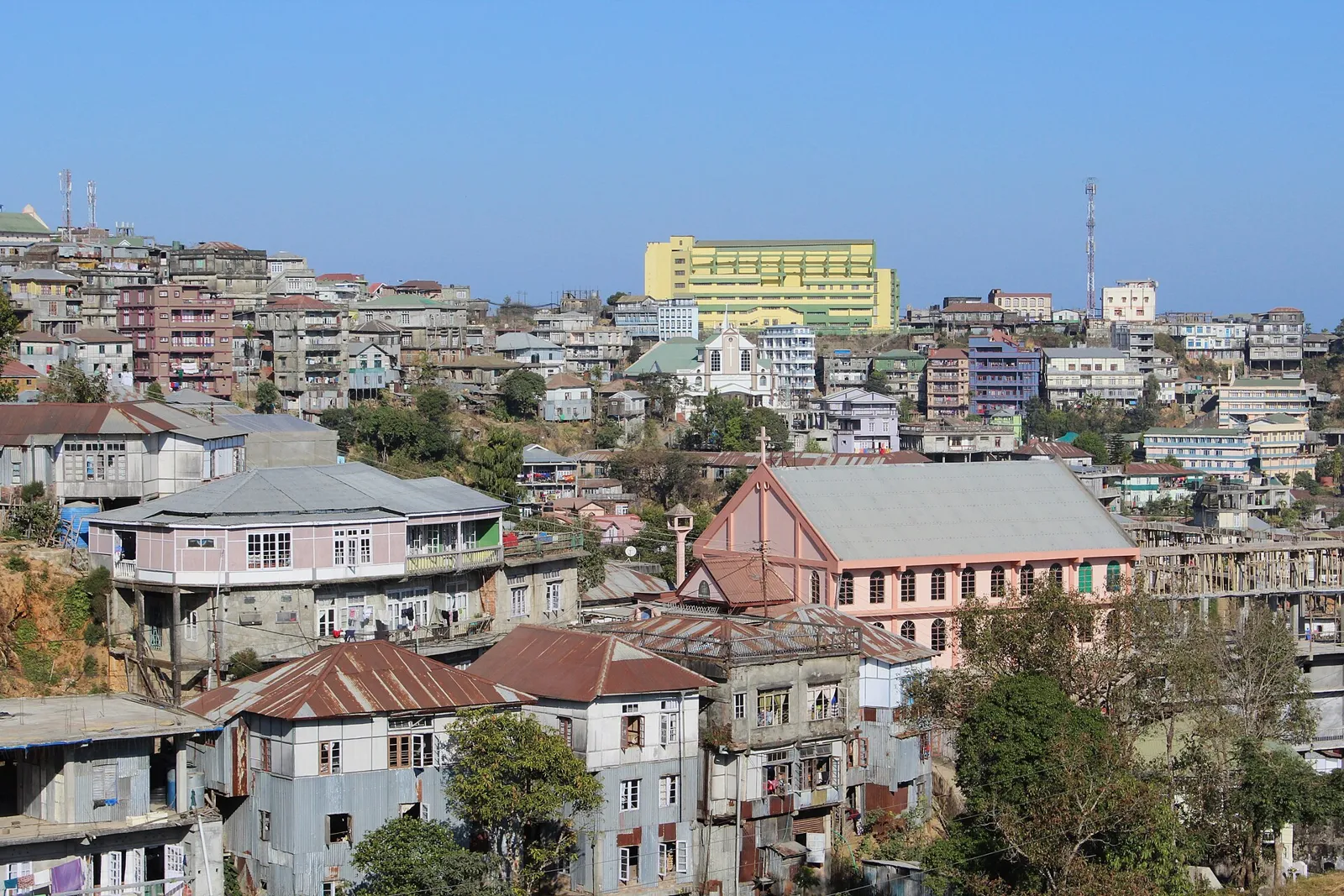
Lunglei is Mizoram’s second-largest town, perched on a ridge amid hills. Visitors may be drawn to its elevated setting and its past as the capital of British South Lushai Hills.

Famous for

  • Natural stone bridge
  • Mizo puan textiles
  • Bamboo and cane crafts
  • Chapchar Kut celebrations
In the city
1
District
Lunglei

Why Lunglei matters

Lunglei is a hill town in south-central Mizoram and the administrative centre of Lunglei district. Set along a ridge at about 729 metres above sea level, it is surrounded by steep, green hills and serves as an important hub for communities across the state’s southern districts. Its name is commonly understood as “bridge of stone,” associated with a natural rock formation that helped give the town its identity.

Visitors come for the elevated scenery, the rhythms of Mizo town life and access to the landscapes and settlements of southern Mizoram. Lunglei is less a conventional sightseeing destination than a practical base for exploring the region, meeting local communities and experiencing its churches, markets and cultural venues. The town also has a place in Mizoram’s history: it was an administrative centre under British rule and later became one of the locations affected by the Mizo political upheaval of 1966. Today, government services, education, trade and transport connections give it a central role in the surrounding area.

Famous for: crafts, trade & products

Lunglei is not especially known for a large textile industry or a distinctive mass-produced commodity. Its local shops and markets serve residents from the town and surrounding villages, with everyday goods alongside clothing, food and items brought in from elsewhere in Mizoram. Visitors can ask in town shops about Mizo puan, the woven cloth worn for daily use and ceremonial occasions. Mizo Puanchei, a finely woven ceremonial textile, has a GI tag at the state level; it is a wider Mizoram tradition rather than a product unique to Lunglei.

Bamboo and cane work are part of craft traditions across Mizoram, and locally available pieces may include woven household items and baskets. Availability varies, so the town market is a sensible place to enquire rather than expecting a dedicated craft district or fixed range. Lunglei’s economy is strongly shaped by administration, education, retail and services, rather than by a prominent large-scale manufacturing sector. There is no widely recognised Lunglei-specific GI-tagged product. For a closer look at local culture, Saikuti Hall is a notable cultural venue; markets and community events offer more informal ways to encounter regional crafts and textiles.

History

Lunglei grew as a settlement and administrative centre in the southern Lushai Hills. Its name is linked to a natural stone formation described as a stone bridge. During the late 19th century, the British made the town the headquarters of South Lushai Hills; the northern and southern administrative areas were brought together in 1898. Routes connecting the region with Chittagong, now in Bangladesh, supported trade and helped Lunglei develop as a commercial and educational centre before the Partition of India.

Road access expanded gradually, with the first road suitable for jeeps reaching the town in the 1950s. On 1 March 1966, during the Mizo political uprising, the Mizo National Front attacked an Assam Rifles post in Lunglei and seized government funds. The period of unrest shaped the town’s modern history as well as that of Mizoram more broadly. In the decades since, Lunglei has continued to develop as a district headquarters, supported by public services, schools, local commerce and improved road connections with other parts of the state.

Food, festivals & culture

Mizo food is central to everyday life in Lunglei. Meals often feature rice with bai, a preparation of vegetables and other ingredients, or sawhchiar, a rice-and-meat dish. Bamboo shoot, leafy greens, smoked meat and local herbs appear in regional cooking; recipes and ingredients vary between households. Tea is widely enjoyed, while visitors will find fewer sweets associated specifically with the town than savoury foods and home cooking.

Chapchar Kut, Mizoram’s spring festival, is usually celebrated in March after jhum-field clearing. Mim, associated with the harvest, is generally observed around September, while Pawl Kut is usually held in December or January. Festivities may include community gatherings, traditional dress, music and dances such as Cheraw, the bamboo dance. Mizo is the main language of daily life; English is also used, particularly in official and educational settings. Churches are prominent in Lunglei’s community life, with Presbyterian and Baptist congregations among those found in the town. Respectful dress and permission before photographing worshippers are appreciated.

Visiting the city

The drier, cooler months from about November to March are generally comfortable for exploring; rain is more frequent during the summer monsoon. Lunglei is reached mainly by road from Aizawl. The nearest airport serving the state is Lengpui Airport near Aizawl, while Bairabi is Mizoram’s main railway station; onward travel to Lunglei requires a road journey. Check current road conditions before setting out, especially in the rainy season.

Shared vehicles and taxis are practical options for getting around, while the central market area can be explored on foot. Spend time around the town centre, browse local shops and visit Saikuti Hall for a cultural perspective. Ridge-top viewpoints and nearby hill roads offer scenic outings, though weather and access can affect plans. Allow extra time for journeys between towns, as winding hill roads make road travel slower than distances alone might suggest.

Attractions

Places to visit in Lunglei

Sights within about 12 km of each other, even when they fall in different districts.

Map

Lunglei on the map

  1. 1Lunglei

Mizoram

Other cities to explore