
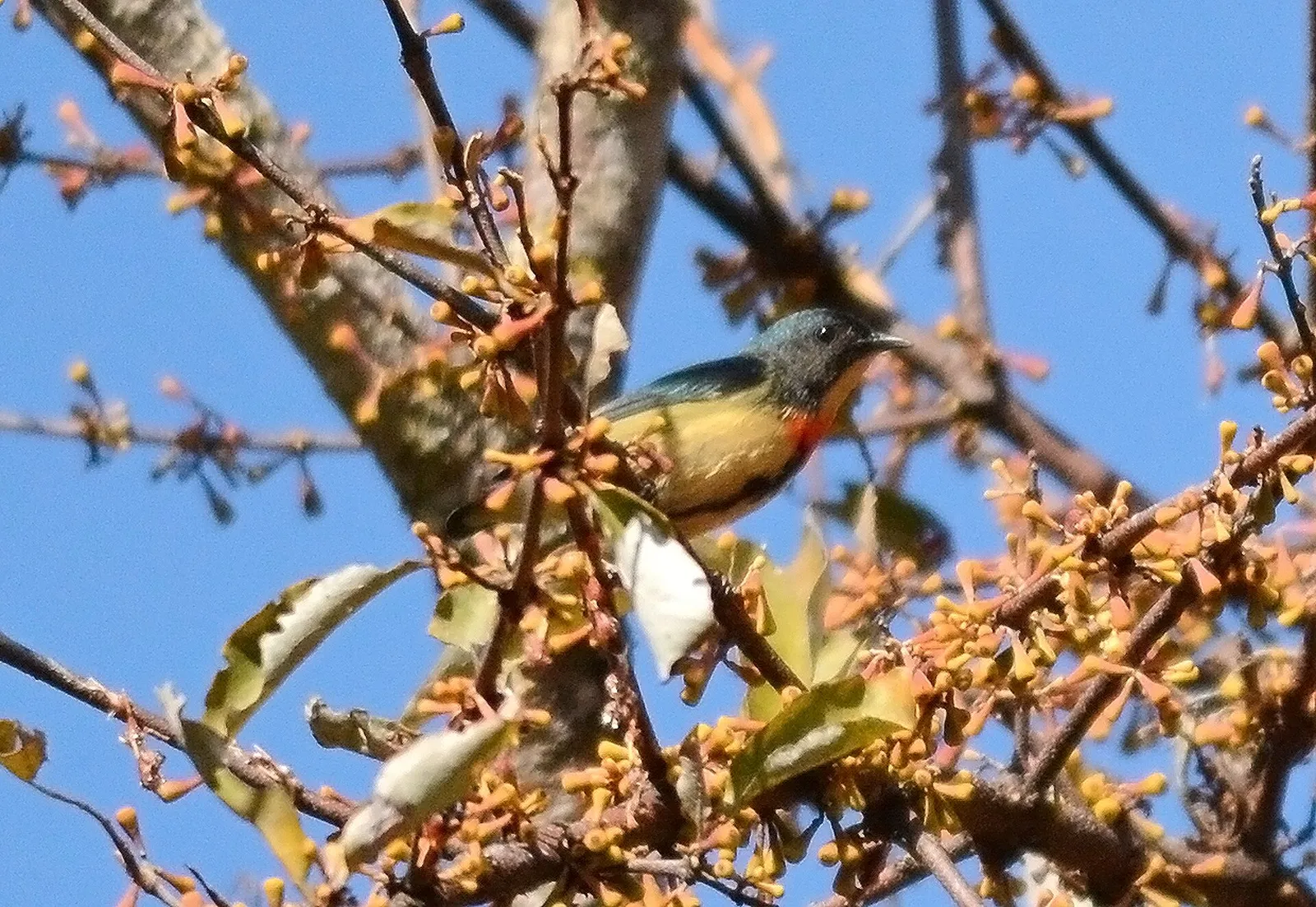
District · Mizoram
Lawngtlai
Lawngtlai occupies the southern part of Mizoram, close to the state’s borders with Bangladesh and Myanmar.
Lawngtlai lies in southern Mizoram, where steep green hills, forested valleys and winding roads shape both the landscape and everyday travel. Its best-known natural landmark is Phawngpui, or Blue Mountain, Mizoram’s highest peak at 2,157 metres. Ngengpui Wildlife Sanctuary adds another important forest landscape to the district’s natural heritage. Created in 1998 from the former Chhimtuipui district, Lawngtlai is home to diverse communities, including Lai and Chakma people, and contains areas administered by their autonomous district councils. Lawngtlai town serves as an administrative and transport centre, while much of the surrounding district remains rural. This is a destination for unhurried journeys, with mountain scenery and community life rather than extensive tourist infrastructure defining its character.
Lawngtlai occupies the southern part of Mizoram, close to the state’s borders with Bangladesh and Myanmar. Its hills and forests offer a quieter, more rural experience than the state capital, with long road journeys forming part of a visit. The district is best known for Phawngpui, or Blue Mountain, Mizoram’s highest peak, and for the forests of Ngengpui Wildlife Sanctuary. Lai and Chakma communities contribute to the region’s varied cultural life, and parts of the district are administered by their autonomous district councils. Come for mountain scenery, forest landscapes and a slower-paced journey, rather than extensive visitor facilities.
Southern Mizoram has a history shaped by village communities, local chiefs and shifting patterns of settlement and cultivation. The present district is home to Lai and Chakma people, among other communities, each with distinct cultural traditions. In the late nineteenth century, British forces extended colonial control over the Lushai Hills after conflict with local communities. The area was subsequently governed within the colonial administration of the hills, and missionary activity and new administrative systems brought significant social change. After India’s independence, the region became part of Assam before Mizoram attained Union Territory status. Lawngtlai was created in 1998 from the former Chhimtuipui district. Today, the Lai Autonomous District Council and Chakma Autonomous District Council administer areas within the district, reflecting the region’s distinctive local governance. Lawngtlai town serves as the district headquarters, while many settlements remain rural and connected by hilly roads.
2 destination guides · 1 on the map
Ngengpui Wildlife Sanctuary
Ngengpui Wildlife Sanctuary is a protected forest area in Mizoram’s Lawngtlai district. Visitors come to experience its extensive, relatively undisturbed subtropical and semi-evergreen woodland.
Phawngpui
Phawngpui, also called Blue Mountain, is Mizoram’s highest summit and the tallest point in the Mizo (Lushai) Hills. Visitors come to see this distinctive highland landmark.
Food in Lawngtlai reflects the varied communities of southern Mizoram, alongside dishes familiar across the state. Regional staples include bai, a preparation of vegetables often cooked with bamboo shoots, sawhchiar, a rice-and-meat porridge, and vawksa rep, or smoked pork. Rice anchors many meals, accompanied by vegetables, meat, fish or fresh chutneys. Bamboo shoots and fermented ingredients feature in regional cooking, though recipes differ between households and communities. Small eateries may offer only a limited daily menu, so ask what is available. Vegetarian travellers should clarify whether dishes contain meat stock or fish ingredients. Carry drinking water and snacks when visiting remote forest or mountain sites.
Handloom weaving and bamboo-and-cane work are important craft traditions across Mizoram, rather than specialties exclusive to Lawngtlai. Puan, the woven cloth associated with Mizo dress, illustrates the region’s use of patterned textiles for everyday wear and ceremonial occasions. Lai and Chakma communities also maintain distinctive textile and dress traditions within the district’s broader cultural landscape. Bamboo and cane are used for practical objects such as baskets and household items. When buying locally, ask who made the piece and what its patterns or intended use signify; availability in small settlements can vary.
Festival life reflects Mizoram’s wider Mizo traditions as well as the district’s diverse communities. Chapchar Kut, generally held in spring, and the harvest-related Mim Kut and Pawl Kut are celebrated in the region; observances vary between communities and places. Chakma communities celebrate Biju, usually around April, with cultural and religious events. These occasions can bring local gatherings, performances and travel between settlements, but they are not necessarily large tourist events. Accommodation choices in smaller towns and villages are limited, so visitors travelling during a local festival should arrange a stay in advance and confirm what is taking place locally.
The district is a landscape of steep, forested hills, narrow valleys and winding ridgelines. Phawngpui rises in the southeast, while Ngengpui Wildlife Sanctuary protects forest in the district’s south-western area. Rivers and streams run through the valleys, but the road network follows difficult hill terrain rather than direct routes. Journeys between towns and access points can take longer than the map suggests, and some rural roads become harder to use after heavy rain. Forest access is often limited to designated routes, so visitors should check local guidance before setting out.
Lawngtlai has a warm, humid climate, with the year shaped by a pronounced monsoon and cooler, generally drier months. Summer and the period before the rains can feel humid; monsoon weather brings heavy rain, slippery roads and possible landslides. Winter is usually more comfortable for walking and road travel, though hill evenings can be cool. The drier months from roughly October to April are often the most practical time to visit, while conditions can still change quickly in the hills. Pack light layers, a waterproof jacket, sturdy footwear and protection from sun and insects. Check local road and forest conditions before travel.
Lengpui Airport, serving Aizawl, is a practical air gateway, while Sairang railway station provides rail access near the state capital. From the Aizawl area, road travel south towards Lunglei and Lawngtlai forms the main onward journey. Hill roads are winding, and rain or landslides can slow travel considerably. Mizoram State Transport services and shared Sumo taxis connect district towns; local vehicles may need to be arranged separately for villages and access points near Phawngpui or Ngengpui Wildlife Sanctuary. Do not assume onward transport will be available on arrival. Check entry-permit and forest-access requirements before travelling, and check current services locally.
Roads are the main way to move around Lawngtlai district. Mizoram State Transport services and shared Sumo taxis connect some district towns, while private taxis or locally arranged vehicles are more useful for villages and access points near Phawngpui and Ngengpui Wildlife Sanctuary. Services may be infrequent, and onward transport is not assured at arrival points, so confirm arrangements locally and allow flexibility. There is no practical boat network for sightseeing. Autos may be available for short town journeys, but availability varies. Rain, roadworks and landslides can disrupt travel, especially on rural routes.
2 days: Phawngpui; stay both nights in Sangau if accommodation is confirmed, or arrange a return to Lawngtlai town. 3 days: Ngengpui Wildlife Sanctuary, then Phawngpui; stay the first night in Lawngtlai town and the second in Sangau if lodging is confirmed. 4 days: Phawngpui, then Ngengpui Wildlife Sanctuary; stay the first two nights in Sangau or Lawngtlai town as arranged, and the third night in Lawngtlai town.
Lawngtlai town is the most practical base for district travel, with basic hotels and guest accommodation and access to local transport. Sangau is a useful base for visiting Phawngpui, but village lodging is limited and should be confirmed before travel; returning to Lawngtlai may be necessary. Near Ngengpui Wildlife Sanctuary, do not assume there will be visitor accommodation at the forest access point. Homestays or government accommodation may be available in some places, but options vary. Confirm facilities, meals and transport arrangements directly with local sources before setting out.
Hill roads are narrow and winding, and rain can cause slippery surfaces, delays or landslides; avoid tight schedules and travel with an experienced local driver where possible. Wear sturdy footwear on forest walks, stay on permitted routes and do not approach or feed wildlife. Carry drinking water and use treated or sealed water, especially in remote areas. Mobile coverage can be patchy, so share plans and expected return arrangements. Many visitors from outside Mizoram need an Inner Line Permit, subject to rules and exemptions; confirm requirements through official sources. Check with the forest authorities about current access conditions or permissions for protected areas before visiting.
- Siahaabout 34 km
- Lungleiabout 46 km
- Serchhipabout 79 km
- Champhaiabout 113 km
- Saitualabout 123 km
- Mamitabout 124 km
- Aizawlabout 127 km
- South Tripura · Tripuraabout 179 km
Straight-line distance between the centres of each district's destinations; road distance is longer.
Q: How many days should I spend in Lawngtlai district? A: Allow at least three or four days for a visit that includes both Phawngpui and Ngengpui Wildlife Sanctuary, with extra time for slow roads or weather delays. Q: When is the best time to visit? A: The drier months, roughly October to April, are generally more suitable for road travel and walks. Check conditions locally, as weather can change. Q: What is the best base for visiting the district? A: Lawngtlai town is the most practical general base. Sangau can suit a Phawngpui visit if lodging and transport are confirmed in advance. Q: How do I get to Lawngtlai? A: Travel by road from the Aizawl area, reached by air through Lengpui Airport or by rail through Sairang. Continue south by bus, shared taxi or arranged vehicle, checking current services locally. Q: Is Lawngtlai suitable for families or elderly travellers? A: It can suit travellers comfortable with long, winding road journeys and limited facilities. Families and older visitors should plan rest stops, confirm accommodation and transport, and avoid strenuous walks unless appropriate.
This page draws on our 2 destination guides for Lawngtlai and is updated as our team checks it.
Be the first to share photos, stories, advice or a helpful contact for Lawngtlai.
Loading…