
District · Mizoram
Aizawl
Aizawl district is the main urban and administrative centre of Mizoram, with the state capital drawing visitors for its hillside cityscape, churches, markets and museums.
Aizawl district is centred on Mizoram’s capital, a densely settled city spread across steep ridges in the Lushai Hills. Hillsides, narrow valleys and winding roads shape both the landscape and daily life; viewpoints around the city look across layers of green hills. Aizawl grew around a British military and administrative post established in the late nineteenth century, and later became the capital of Mizoram, which attained statehood in 1987. Today it is the state’s main centre for government, education, commerce and culture. The district combines busy urban neighbourhoods with quieter hill settlements and nearby countryside. Churches, markets and community life are prominent features of the city’s character.
Aizawl district is the main urban and administrative centre of Mizoram, with the state capital drawing visitors for its hillside cityscape, churches, markets and museums. Its steep ridges and views over green hills offer a distinctive setting for exploring Mizo culture and everyday city life. Aizawl is also a practical base for visiting nearby places such as Durtlang and Hmuifang. The district is best known for the capital’s lively neighbourhoods, Christian institutions, cultural collections and role as a gateway to other parts of Mizoram.
Mizo communities have long lived in the hills of the region, where village life was traditionally organised under local chiefs and customary systems. In the late nineteenth century, British forces established a military and administrative post at Aizawl during the period of British expansion into the Lushai Hills. The area was subsequently governed within British India, and the Lushai Hills became part of Assam after independence. Political movements and demands for greater self-government shaped the region’s later history. Mizoram became a Union Territory in 1972 and attained statehood in 1987, with Aizawl as its capital. The present Aizawl district reflects later administrative divisions within the state; its boundaries and local administration have changed over time. Today the city is the centre of state government and a hub for education, commerce and cultural life, while the wider district includes smaller settlements among the surrounding hills.
5 destination guides · 4 on the map
Aizawl
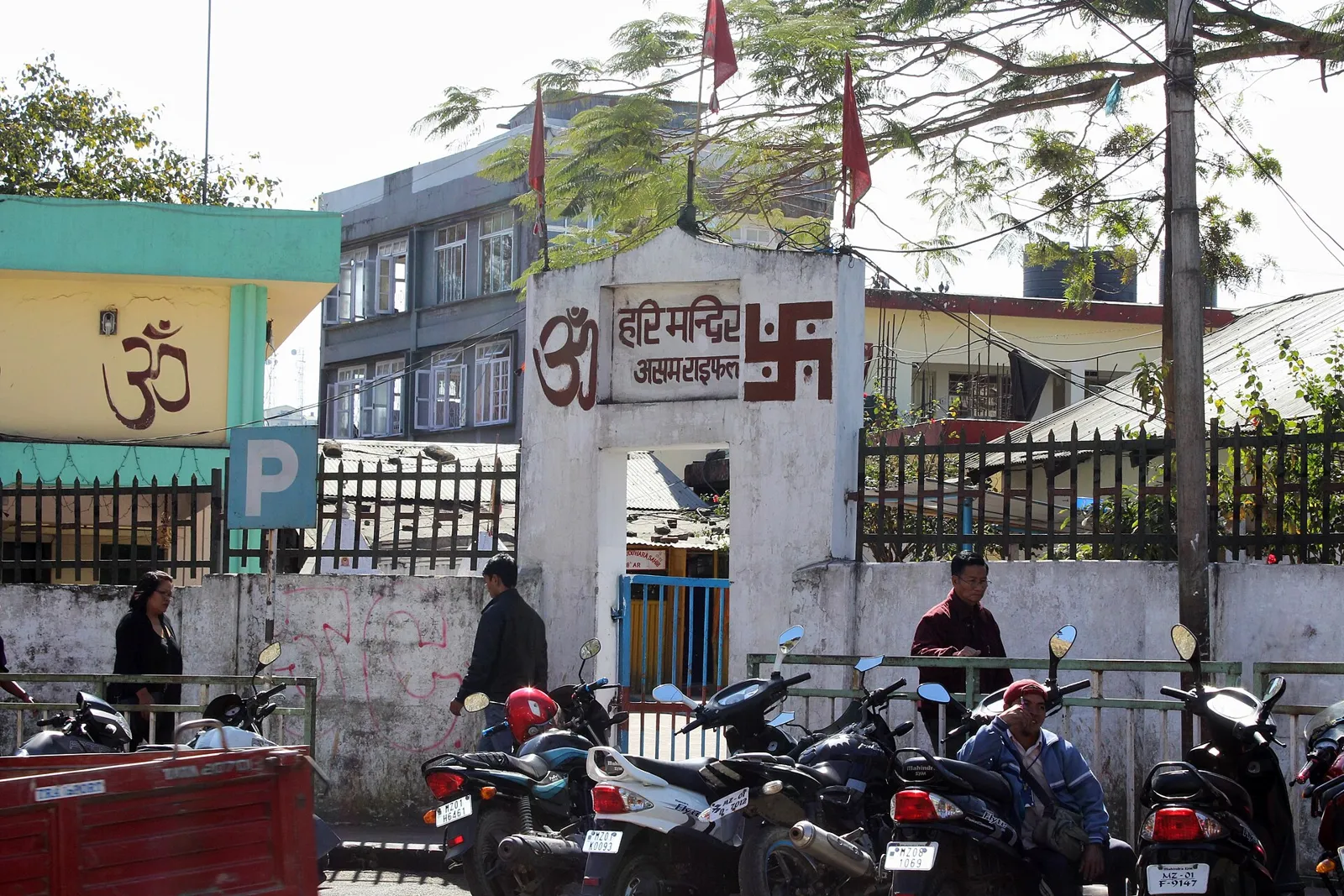
Aizawl is Mizoram’s capital and largest city, spread across elevated ridges. Visitors can see its colonial-era civic buildings and the Assembly House, which serves as the state legislature’s home.
Durtlang
Durtlang is a hill or peak in Aizawl district, Mizoram. Visitors interested in exploring a hill or peak within the district may find it worth seeking out.
Hmuifang
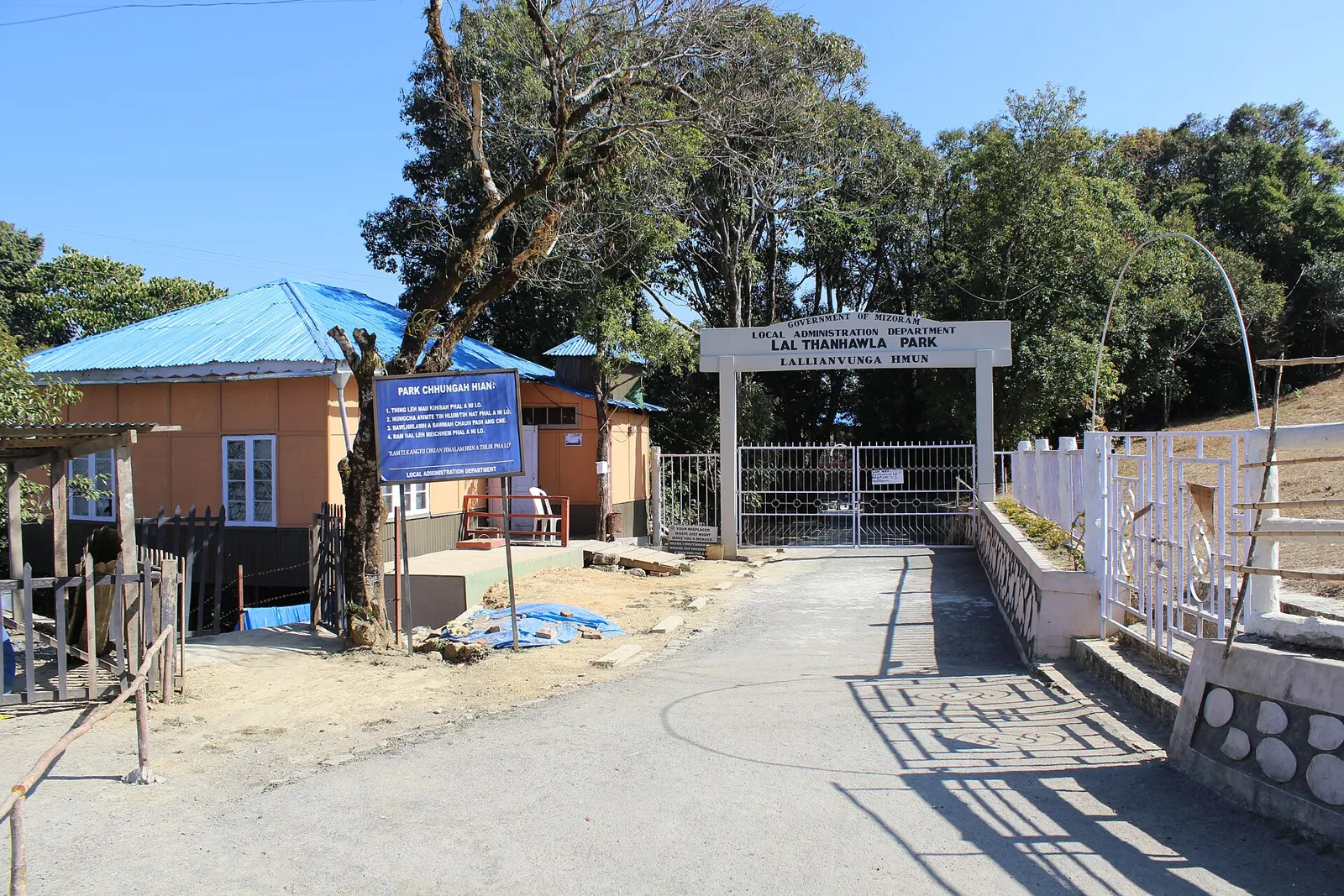
In Mizoram’s Aizawl district, Hmuifang is a mountain destination roughly 50 km from Aizawl. Visitors come for its elevated setting and forest reserves.
Mizoram State Museum
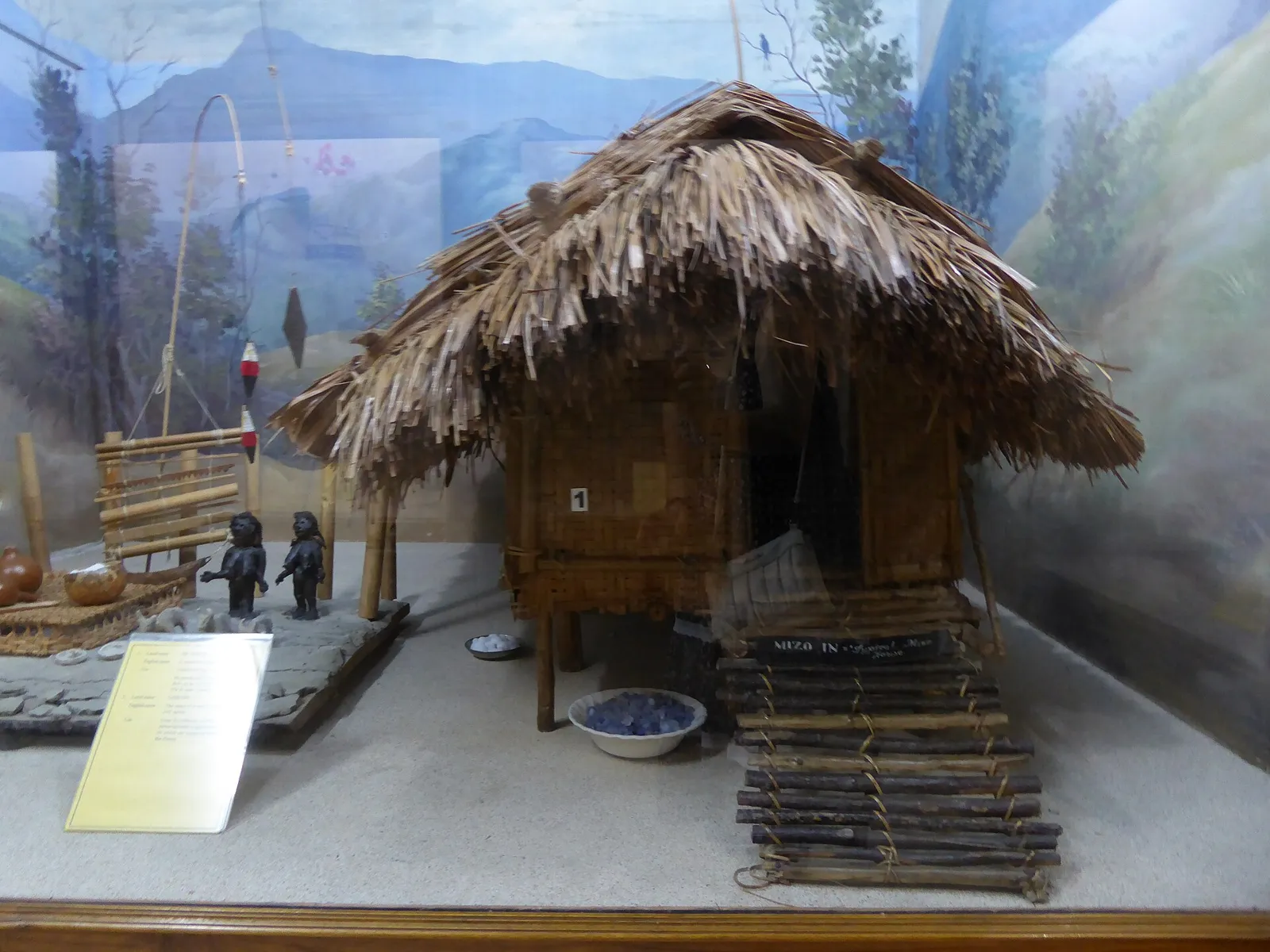
In Aizawl, Mizoram State Museum is an ethnographic museum where visitors can view collections covering subjects such as textiles, history and natural history.
Solomon's Temple
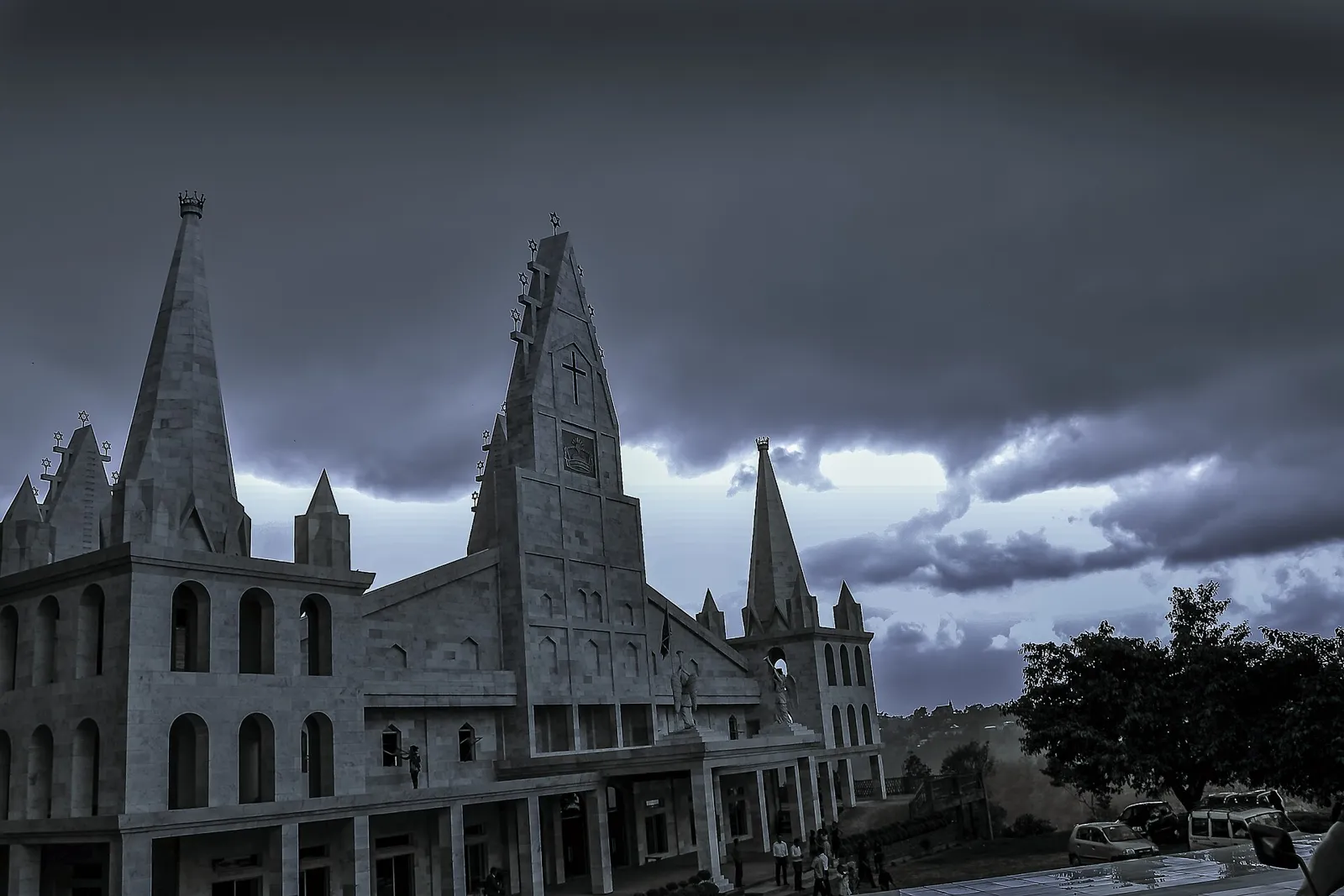
Solomon's Temple is a non-denominational church in Aizawl district, Mizoram, built by Kohhran Thianghlim. People visit it as a place of worship and because it is among the state's largest churches.
Food in Aizawl reflects wider Mizo traditions, with rice, seasonal vegetables, bamboo shoot and locally available meat or fish often forming the meal. Bai is a vegetable stew that may include bamboo shoot and other ingredients; recipes vary between cooks. Sawhchiar is a rice porridge commonly prepared with meat, while vawksa rep is smoked pork. Fresh chutneys and fermented ingredients also feature in regional cooking. Small eateries may offer a limited daily menu, so asking what has been prepared that day can help. Pork, beef, fish and fermented foods are common; vegetarian visitors should explain their needs clearly, though rice, vegetables, dal and eggs may be available in town.
Handwoven puan cloth is an important part of Mizo cultural life and is worn on ceremonial as well as everyday occasions. Weaving traditions are shared across Mizoram, with patterns and styles that can vary by community and maker. Aizawl’s shops and markets may also offer woven accessories, bamboo and cane goods, baskets, and other locally made items. These crafts reflect skills practised across the region rather than traditions exclusive to Aizawl district. Visitors interested in buying textiles can ask about the maker, materials and intended use; availability and designs vary.
Chapchar Kut, a major Mizo festival associated with the spring season, is celebrated in Aizawl and across Mizoram with cultural performances and community gatherings. Mim Kut, usually observed around late summer, and Pawl Kut, generally held in winter, are other regional harvest festivals. Christmas is also widely celebrated, with church services and community events. Festival periods can bring lively public spaces and increased demand for accommodation, especially in Aizawl. Travellers planning to visit during major celebrations should arrange rooms ahead and expect some changes to normal local routines.
Aizawl occupies a series of steep ridges in the Lushai Hills, with narrow valleys and slopes shaping both its neighbourhoods and roads. The surrounding landscape is largely hilly and green, with forested areas and smaller settlements beyond the urban centre. Rather than broad river plains, the district’s terrain is defined by ridgelines, streams and winding routes. Journeys between places can take longer than map distances suggest, and viewpoints may involve steep approaches. Rain can make roads and paths more difficult to navigate.
Aizawl has a seasonal climate, with warmer conditions before the monsoon, substantial rain during the summer monsoon, and generally cooler, drier weather in winter. The monsoon months can bring mist, slippery streets and travel delays on winding hill roads. The period from after the main rains into spring is often a comfortable time to explore, though conditions can change quickly in the hills. Pack light layers, a waterproof jacket and shoes with good grip; bring warmer clothing for winter evenings. Check local forecasts before setting out, particularly during the rainy season.
Lengpui Airport, near Aizawl, is the nearest operating airport for most visitors, with onward travel by road into the city. Rail access has historically relied on connections through larger hubs such as Guwahati; check current rail services before planning, as links in Mizoram may change. Road journeys connect Aizawl with Silchar and other towns in Mizoram, but steep, winding routes can make travel slower than map distances suggest. Within the city, taxis and shared vehicles are commonly used; shared Sumo taxis also connect district towns and other destinations. Services can be limited outside the main routes, so check current services locally.
Taxis and shared vehicles are common ways to get around Aizawl, where steep streets can make walking between neighbourhoods tiring. Local buses serve some routes, but coverage and frequency may vary. Taxis are useful for reaching sights on the outskirts, including Durtlang, while shared Sumo services connect Aizawl with other towns and destinations in Mizoram. Hmuifang is usually approached by road from the city. There are no routine sightseeing boat routes in this hill district. Confirm vehicle availability locally, especially for travel beyond the main urban routes.
2 days: Aizawl → Mizoram State Museum → Solomon's Temple → Durtlang; sleep in Aizawl both nights. 3 days: Aizawl → Mizoram State Museum → Solomon's Temple → Durtlang → Hmuifang; sleep in Aizawl each night. 4 days: Aizawl → Durtlang → Mizoram State Museum → Solomon's Temple → Hmuifang; sleep in Aizawl each night.
Aizawl is the most practical base for the city’s sights and for road trips to Durtlang and Hmuifang. The city has hotels and homestays, with options across different neighbourhoods; staying centrally can make access to shops and services easier, though steep streets remain part of local travel. Homestays or small guesthouses may also be found in nearby hill settlements, but availability and services can be limited. Government accommodation may require advance arrangements. Check facilities and road access before booking, particularly for stays outside Aizawl.
Aizawl’s steep roads, stairs and uneven footpaths require care, especially for visitors with limited mobility. During heavy rain, slopes can become slippery and road journeys may be delayed; use experienced local drivers for hill routes. Carry drinking water and use reliable treated or sealed sources. Crowds can form around markets and festivals, so keep belongings secure. Mobile connectivity is generally available in the city but may be less dependable outside it. Many Indian visitors need an Inner Line Permit to enter Mizoram; requirements can vary, so confirm current rules through official sources before travel. Check weather and road conditions locally.
- Saitualabout 24 km
- Mamitabout 27 km
- Serchhipabout 50 km
- Kolasibabout 55 km
- Champhaiabout 61 km
- North Tripura · Tripuraabout 66 km
- Lungleiabout 83 km
- Unakoti · Tripuraabout 92 km
Straight-line distance between the centres of each district's destinations; road distance is longer.
Q: How many days should I spend in Aizawl district? A: Two days can cover key city sights; allow three or four days for a more relaxed visit including Durtlang and Hmuifang. Q: What is the best time to visit? A: The drier period after the monsoon and into spring is often comfortable, though weather can vary. Q: Where is the best base? A: Aizawl is the most convenient base for the district’s listed sights and transport connections. Q: How do I get to Aizawl? A: Fly to Lengpui Airport and continue by road, or travel by road from Silchar and other towns; check current rail connections before planning. Q: Is Aizawl suitable for families or elderly travellers? A: Yes, with planning, but steep streets, stairs and winding road journeys may be challenging; choose accommodation and transport with mobility needs in mind.
This page draws on our 5 destination guides for Aizawl and is updated as our team checks it.
Be the first to share photos, stories, advice or a helpful contact for Aizawl.
Loading…