
District · Mizoram
Siaha
Siaha lies in southern Mizoram, in the Mara-inhabited part of the state near the Myanmar border.
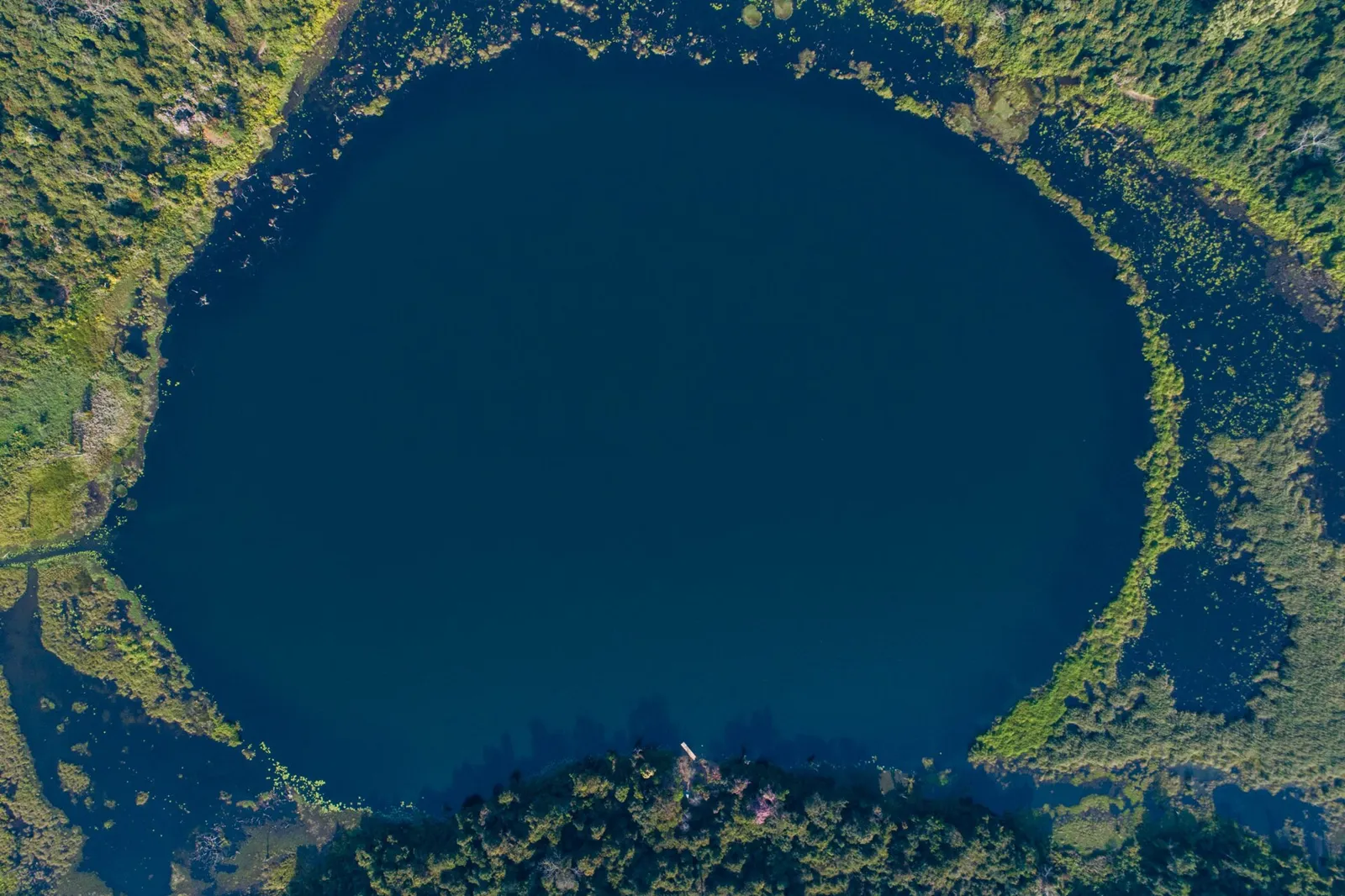
Siaha District occupies the far south of Mizoram, a hilly landscape of forested slopes, valleys and streams close to the Myanmar border. Its district headquarters, Siaha town, is also the centre of the Mara Autonomous District Council. The Mara people, whose language and cultural identity distinguish this part of the state, form an important part of the district’s character. Palak Dil, also called Pala Tipo, is a major natural landmark and is widely described as Mizoram’s largest lake. Settlements are scattered across difficult terrain, so the district feels quieter and more remote than Mizoram’s central corridor. Travel here is shaped by winding mountain roads and strong local ties to the surrounding landscape.
Siaha lies in southern Mizoram, in the Mara-inhabited part of the state near the Myanmar border. Its appeal is quieter and more nature-focused than a conventional sightseeing circuit: visitors come for wooded hills, a remote borderland setting and Palak Dil, also called Pala Tipo, the largest lake in Mizoram. The district is also a place to learn about Mara culture, which has its own distinct language and community institutions. Published attractions are limited, so Siaha suits travellers who value rural landscapes and are comfortable planning around long road journeys and relatively simple visitor facilities.
The Siaha region is the homeland of the Mara people, referred to in some older colonial records as Lakher. Its history is better understood through community traditions and changing administration than through well-documented dynasties or kingdoms; there is no basis for assigning a succession of named rulers to the district. British authority extended into the southern hill region during the colonial period, bringing it within the administration of the Lushai Hills. After Indian independence, the Mara area developed distinct political institutions. The Mara Autonomous District Council was established under the Sixth Schedule, which provides for autonomous councils in certain northeastern areas. Mizoram became a Union Territory in 1972 and a state in 1987. Siaha district was formed in 1998 from the former Chhimtuipui district. The district’s administrative history and Mara identity remain closely linked, though local oral histories and cultural practices are not fully represented by official records.
Food in Siaha reflects the wider cuisines of Mizoram and the region, with rice, vegetables, leafy greens, bamboo shoots and meat commonly served. Dishes found across Mizoram include bai, a vegetable stew often prepared with bamboo shoot, sawhchiar, a rice porridge, and vawksa rep, smoked pork. Fish and fermented ingredients may also feature in local meals. Small eateries can have a limited menu, so ask what has been cooked that day. Vegetarian travellers should explain their needs clearly; rice, vegetables, dal or eggs may be available, but options vary.
Handloom weaving is an important tradition across Mizoram, and Mara communities have their own textile styles and designs. Woven cloth is part of everyday and ceremonial life, though patterns and availability vary between communities and makers. Bamboo and cane are also widely worked in the region into baskets, mats and practical household objects. These are regional traditions rather than crafts exclusive to Siaha District. Visitors may find locally made items through community sellers or markets, but selection can be limited in smaller settlements.
Mara communities celebrate Chavang Kut, a post-harvest festival generally associated with the late-year season; observances can include cultural performances and community gatherings. Chapchar Kut, usually held in spring, and other Mizo festivals are also marked in the wider region, though practices vary between communities. Festival periods can bring more visitors to Siaha and may make the limited accommodation busier. Travellers planning to visit during a local celebration should check dates with local authorities or hosts and arrange a room ahead where possible.
Siaha is a hilly district of southern Mizoram, with forested slopes, valleys and streams. Palak Dil is its best-known natural feature and sits within a landscape of hills and vegetation. The district borders Myanmar, but it has no coastline. Steep terrain and winding roads shape travel: journeys between settlements and sights can take time, and rain may make road conditions less predictable. Visitors should plan around road access rather than assume that places close together on a map are quick to reach.
Siaha has a humid seasonal climate. Summer and the pre-monsoon period are generally warm, while the monsoon brings frequent rain, lush vegetation and a greater chance of slippery roads or travel delays. Winter is usually cooler and comparatively drier, making it a comfortable season for road travel and time outdoors. The drier months from late autumn through winter are often the most convenient for visiting, though conditions can change locally. Pack light clothing, a waterproof layer and footwear with good grip; bring an extra warm layer for evenings and allow flexibility in the itinerary during the rainy season.
Lengpui Airport, near Aizawl, is the nearest operating airport by map location; Sabroom is the nearest railway station by map location. Road journeys from either involve long, winding routes through the hills, and travel time can be considerably greater than map distance suggests. Many visitors travel via Aizawl and continue south through the state’s road network towards Siaha. Mizoram State Transport services, shared vehicles and taxis may serve parts of the route, but availability varies, especially for the final leg and onward trips to remote sites such as Palak Dil. Check current services locally before setting out.
Road travel is the main way to move around Siaha district. Siaha town is the practical base for reaching Palak Dil and for onward journeys along the district’s road network, which connects with other southern Mizoram towns including Lawngtlai and routes toward Lunglei. Shared vehicles and local buses may operate on some routes, but services can be limited or irregular; private taxis or hired vehicles offer more flexibility. Confirm local road and vehicle arrangements before setting out, especially in the monsoon. There is no need to plan a boat transfer for the listed attraction.
2 days: Siaha → Palak Dil → Siaha; sleep in Siaha both nights. 3 days: Siaha → Palak Dil → Siaha; sleep in Siaha all three nights, allowing an extra day for road conditions and a relaxed visit.
Siaha town is the most practical base for visiting Palak Dil and arranging local transport. The district has limited visitor accommodation compared with larger tourist centres; modest hotels and guesthouses are the usual options, and homestays may be available by prior arrangement. Government accommodation, where offered, should be checked directly before travel rather than assumed to be open to all visitors. For a short trip, staying in Siaha avoids relying on overnight facilities near the lake, where choices may be very limited.
Roads are winding and can become slippery or disrupted during heavy rain, so allow spare time and avoid relying on a tight connection after an excursion. Use footwear with grip around the lake and keep a respectful distance from wildlife; do not assume swimming or drinking untreated water is safe. Carry essential medicines and some drinking water, as services and mobile connectivity can be limited outside Siaha town. Visitor entry rules can change, including requirements that may apply to travel in Mizoram or near border areas. Confirm current permits and entry conditions with official authorities before departure.
- Lawngtlaiabout 34 km
- Lungleiabout 74 km
- Serchhipabout 107 km
- Champhaiabout 147 km
- Mamitabout 150 km
- Aizawlabout 157 km
- South Tripura · Tripuraabout 187 km
Straight-line distance between the centres of each district's destinations; road distance is longer.
Q: How many days should I spend in Siaha? A: Two days can work for a focused visit to Palak Dil from Siaha. Allow three days if you want more flexibility for road conditions. Q: When is the best time to visit? A: The drier months from late autumn through winter are generally more convenient for road travel and outdoor visits. Q: What is the best base for visiting Palak Dil? A: Siaha town is the most practical base, with the district’s main visitor services and accommodation options. Q: How do I get to Siaha? A: Travel is mainly by road through southern Mizoram, connecting from towns such as Lawngtlai or Lunglei. Air travellers can continue by road from the airport serving Aizawl. Q: Is Siaha suitable for families or elderly travellers? A: It can suit families and travellers who are comfortable with long, winding road journeys and basic facilities. Those with mobility or health concerns should plan rest breaks and check road and accommodation arrangements in advance.
This page draws on our 1 destination guides for Siaha and is updated as our team checks it.
Be the first to share photos, stories, advice or a helpful contact for Siaha.
Loading…