
District · Mizoram
Mamit
Mamit occupies western Mizoram, near the state’s borders with Tripura and Bangladesh, and offers a quieter way to experience the state’s forested hills and rural settlements.
Mamit district lies in western Mizoram, a landscape of steep, forested hills, narrow valleys and scattered settlements near the borders with Tripura and Bangladesh. Dampa Tiger Reserve protects a large area of forest in the district and is a defining feature of its natural character. Mamit town is the district headquarters. The district was formed in 1998 and is home to Mizo and Bru communities, among others. Life here is shaped by the hills and by the long journeys between settlements; visitors should allow time for winding roads and changing conditions. The district offers a quieter, more rural experience than Mizoram’s larger centres.
Mamit occupies western Mizoram, near the state’s borders with Tripura and Bangladesh, and offers a quieter way to experience the state’s forested hills and rural settlements. It is best known to travellers for Dampa Tiger Reserve, a large protected forest landscape in the west of Mizoram. The district also provides a base for exploring the region’s winding hill roads and Mizo culture. The listed itinerary includes Reiek, a mountain attraction commonly visited from Aizawl, so travellers should plan the route with its location in mind. Mamit suits visitors seeking nature and slower-paced travel rather than a dense schedule of urban attractions.
The history of the Mamit region is part of the wider history of the Lushai Hills and Mizo communities. Before colonial administration, the hills were governed through local chiefdoms, including lineages associated with the Sailo chiefs, whose influence expanded during the eighteenth and nineteenth centuries. British expeditions into the hills in the late nineteenth century were followed by the establishment of the Lushai Hills district under Assam in 1898. Mission activity, new forms of administration and wider connections with the plains brought significant social change during the twentieth century. The Lushai Hills became the Union Territory of Mizoram in 1972, and Mizoram became a state in 1987. Mamit was established as a separate district in 1998 as state administration was reorganised. Its present identity therefore reflects both older Mizo political traditions and newer district boundaries; local history and customs are shared across administrative borders in the region.
2 destination guides
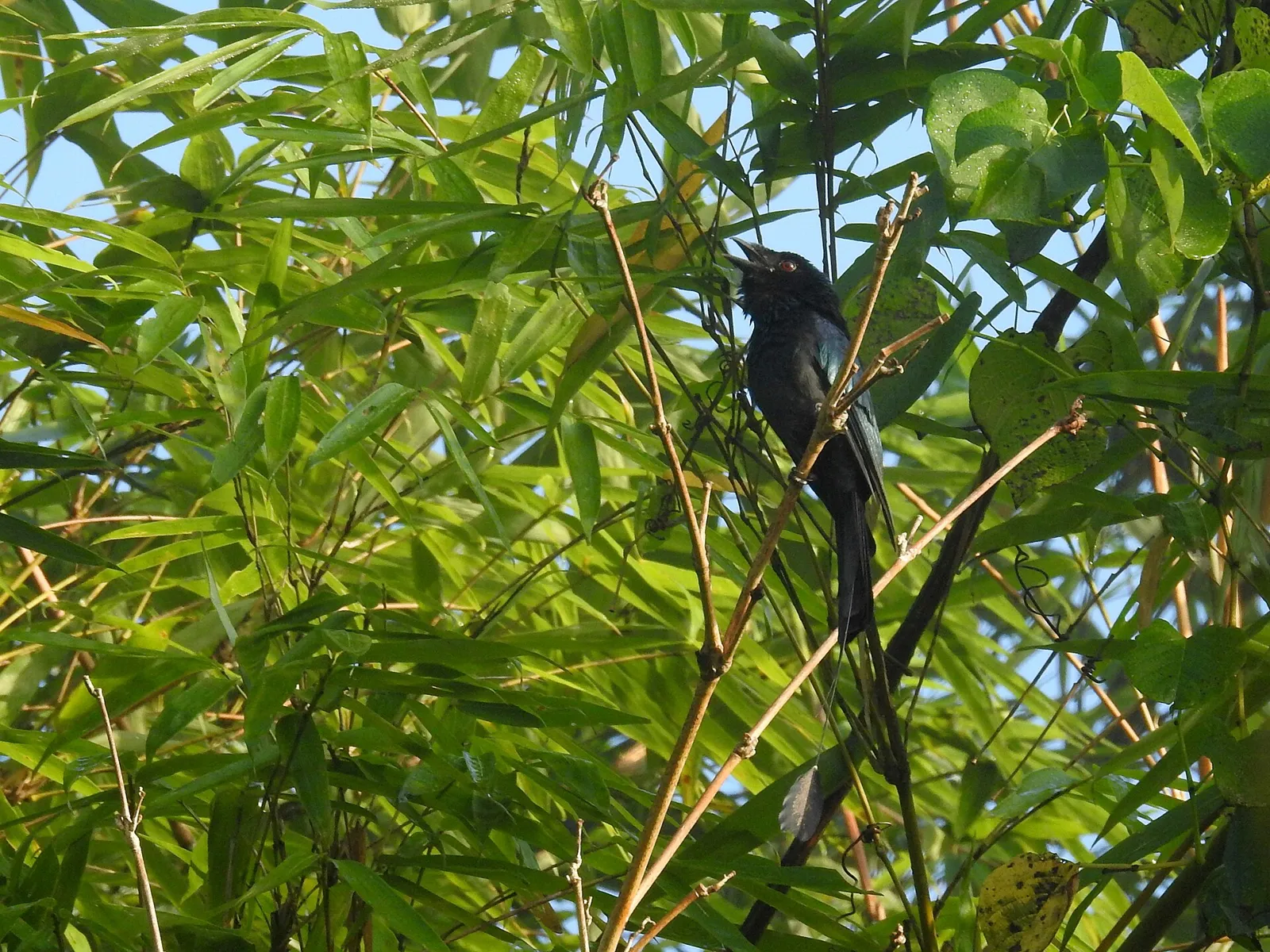
Dampa Tiger Reserve
In western Mizoram, Dampa Tiger Reserve is a protected forest area with varied wildlife and rugged terrain. Visitors come to explore its landscapes and look for animals.
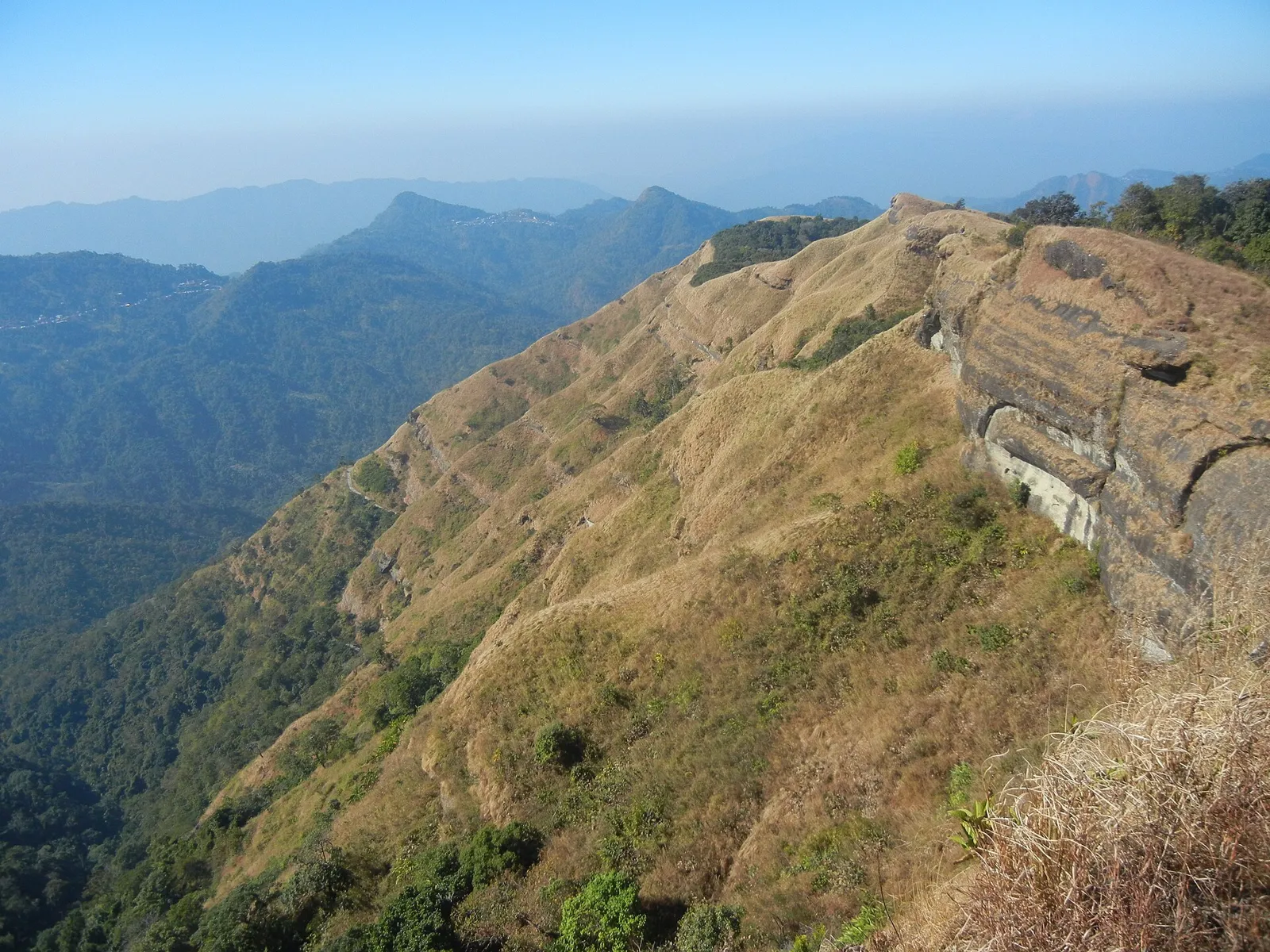
Reiek
Reiek, in Mizoram’s Mamit district, is a mountain destination 29 km from Aizawl. Visitors come for its elevated outlook across the city, nearby valleys and hills, and, in clear conditions, Bangladesh’s plains.
Food in Mamit reflects the wider food traditions of Mizoram, with rice as a staple and vegetables, bamboo shoot, fish and meat common ingredients. Bai is a vegetable stew often prepared with bamboo shoot, while sawhchiar is a rice porridge made with meat. Vawksa rep, smoked pork, is another familiar regional dish, often served with rice and chutney. Menus at small eateries can be limited and depend on what is fresh that day. Pork, beef, fish and fermented ingredients are common, so vegetarian travellers should explain their needs clearly; rice and vegetables may be available.
Craft traditions in Mamit belong to the wider cultural life of Mizoram rather than being exclusive to the district. Handwoven puan cloth is an important regional textile, with patterns and uses varying across communities. Bamboo and cane are also worked into baskets, mats and everyday household objects, drawing on materials readily found in the region. These skills are part of both domestic life and local cultural expression. Visitors may encounter woven or bamboo goods in local markets, though availability and designs vary; it is worth asking about the maker and the materials.
Chapchar Kut, Mizoram’s spring festival, is widely celebrated in the state, usually in March. Mim Kut is generally observed in late summer, while Pawl Kut is associated with the harvest season, often in winter. Celebrations can include traditional dances, music and community gatherings; the scale and programme vary between towns and villages, so these are regional customs rather than events guaranteed at a particular Mamit venue. Festival periods may make local accommodation and road transport busier, especially around larger celebrations in Aizawl. Travellers hoping to attend should check local announcements and arrange rooms ahead where possible.
Mamit is a hilly district of ridges, valleys, streams and forest, with cultivated slopes and settlements linked by winding roads. Dampa Tiger Reserve protects a substantial forested area in the west and is a major reason visitors come to the district. The terrain makes journeys slower than map distances might suggest, and road conditions can change with rain or maintenance. Steep gradients and bends also mean that viewpoints and villages may take time to reach. Travellers should allow flexible plans, particularly when combining the reserve with destinations elsewhere in Mizoram.
Mamit has a humid, monsoon-influenced climate. The warmer months before the rains can feel muggy, while the summer monsoon brings frequent heavy rain, slippery roads and possible travel delays. Conditions are generally drier and more comfortable in winter, and the post-monsoon period can also be pleasant once roads have settled. November to February is a useful window for many visitors; those travelling at other times should check local conditions and keep plans flexible. Pack light layers, comfortable shoes with grip, rain protection and insect repellent. Even in the drier season, a light jacket is useful for cooler evenings in the hills.
Lengpui Airport, near Aizawl, is the nearest operating airport for most visitors, though the onward hill-road journey can take considerably longer than map distances suggest. Bairabi is a railhead in Mizoram; Guwahati is a major rail hub for longer journeys into the region. Mamit is reached by road from Aizawl and other towns in western Mizoram, with winding routes through the hills. Shared sumos and taxis are commonly used for inter-town travel, but services can be limited and may vary by day. Plan onward transport before visiting remote areas such as Dampa. Check current services locally.
Road is the practical way to move around Mamit district. Shared jeeps and buses connect some towns and larger settlements, while taxis can provide more flexible travel to Dampa Tiger Reserve and places with limited public transport. Services may be infrequent outside main routes, so confirm availability locally and leave room for delays. Roads are hilly and can be affected by monsoon rain or maintenance. Reiek is generally approached from Aizawl, so include it as a separate leg rather than assuming it lies on a direct local route through Mamit. There are no useful passenger boat links for these destinations.
2 days: Dampa Tiger Reserve; sleep night 1 in Mamit town. 3 days: Reiek → Dampa Tiger Reserve; sleep night 1 in Aizawl and night 2 in Mamit town. 4 days: Reiek → Dampa Tiger Reserve; sleep night 1 in Aizawl and nights 2–3 in Mamit town.
Mamit town is the most practical base for a Dampa-focused visit, though accommodation choices may be limited compared with Aizawl. Guesthouses, small hotels and homestays are the usual options; check availability and transport arrangements before setting out for the reserve. For Reiek, staying in Aizawl is more convenient, with a wider choice of hotels and homestays. Government accommodation may be available in some places but should not be assumed; confirm booking arrangements through official sources. Aizawl and Mamit work well as separate overnight bases for a combined itinerary.
Hill roads can be narrow, steep and slippery in rain; avoid rushing and check local advice before long drives, especially during the monsoon. In Dampa, follow forest staff or guide instructions, keep a safe distance from wildlife and do not walk alone in the reserve. Use treated or sealed drinking water and carry essential medicines, as services may be limited outside towns. Mobile coverage can be patchy. Many Indian visitors need an Inner Line Permit to enter Mizoram; confirm current requirements through official sources before travel. Also check with forest authorities whether reserve entry permissions or guide arrangements are required. Carry identification and allow flexibility for road disruptions.
- Aizawlabout 27 km
- Serchhipabout 46 km
- Saitualabout 49 km
- North Tripura · Tripuraabout 62 km
- Kolasibabout 70 km
- Lungleiabout 78 km
- Champhaiabout 83 km
- Unakoti · Tripuraabout 88 km
Straight-line distance between the centres of each district's destinations; road distance is longer.
Q: How many days should I spend in Mamit? A: Two days can suit a Dampa-focused visit; allow three or four days if combining it with Reiek and travel between bases. Q: When is the best time to visit? A: November to February is generally a comfortable period, with less monsoon disruption than in the rainy season. Q: What is the best base for visiting Dampa Tiger Reserve? A: Mamit town is a practical base, but confirm local accommodation and transport before travelling. Q: How do I get to Mamit? A: Reach Mizoram by air or road, then continue by road from Aizawl or another connected town; check current entry requirements and local transport availability. Q: Is Mamit suitable for families or elderly travellers? A: It can be, but winding roads, limited services and uneven terrain may make the trip tiring. Plan shorter days and assess mobility needs before visiting the reserve.
This page draws on our 2 destination guides for Mamit and is updated as our team checks it.
Be the first to share photos, stories, advice or a helpful contact for Mamit.
Loading…