
District · Tripura
South Tripura
South Tripura sits at the southern end of the state, beside the Bangladesh frontier, and offers a quieter rural contrast to Tripura’s larger towns.
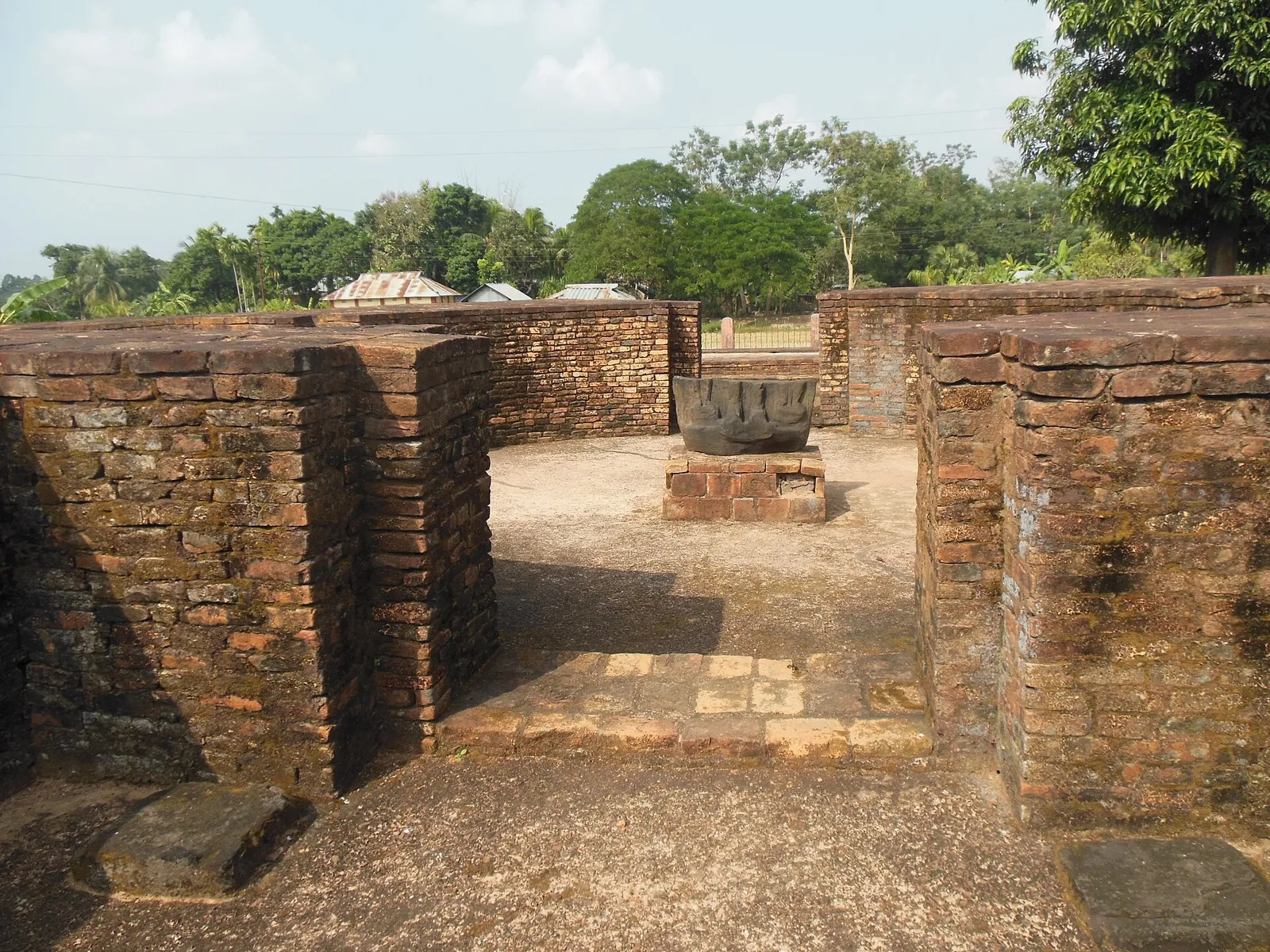
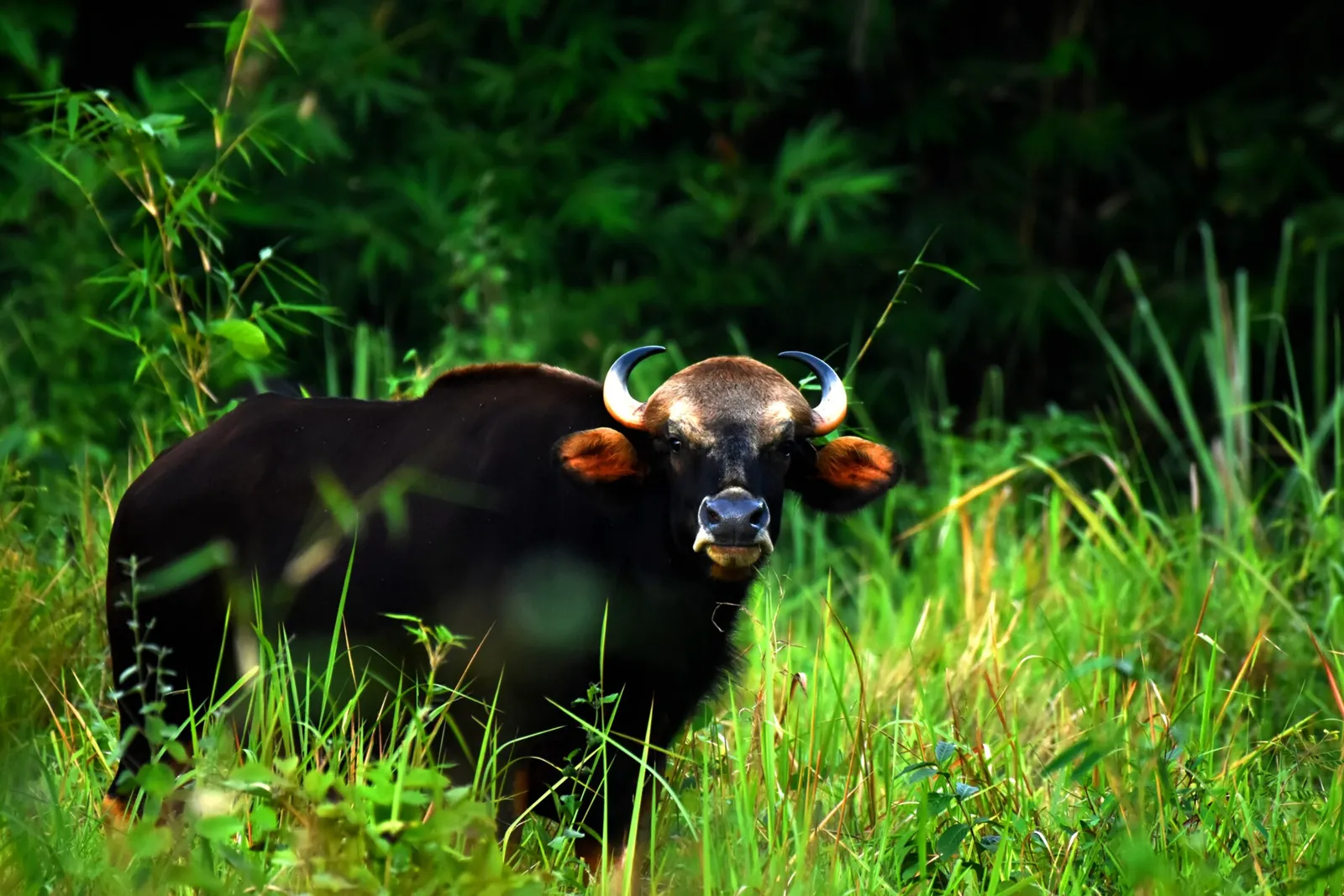
South Tripura lies in the southern part of Tripura, where low hills, cultivated valleys and forested stretches shape a largely rural landscape along the Bangladesh frontier. Belonia is the district headquarters, while Santirbazar and Sabroom are other important towns. Its appeal combines archaeological heritage with quieter nature travel. Pilak, in the Santirbazar subdivision, preserves sculptural and archaeological evidence of Buddhist and Hindu traditions, reflecting the region’s historical cultural connections. Trishna Wildlife Sanctuary offers a contrasting setting of woodland and wildlife habitat, known particularly for gaur. Indigenous communities and Bengali-speaking residents contribute to the district’s varied cultural character. Travel here is best approached at an unhurried pace, allowing for winding roads and limited facilities around some attractions.
South Tripura sits at the southern end of the state, beside the Bangladesh frontier, and offers a quieter rural contrast to Tripura’s larger towns. It is best known to visitors for Pilak, where archaeological remains reflect Buddhist and Hindu traditions, and Trishna Wildlife Sanctuary, a woodland refuge particularly associated with gaur. Belonia is the district headquarters, with Santirbazar and Sabroom serving as other useful town centres. The district suits travellers interested in heritage and nature who are comfortable allowing extra time for road journeys and planning around limited facilities near some sites.
The area now known as South Tripura formed part of the historic Tripura kingdom, ruled for centuries by the Manikya dynasty. Pilak’s sculptures and archaeological remains, broadly associated with the early medieval period, show links with both Buddhist and Hindu traditions and suggest that the region participated in wider cultural networks. Tripura remained a princely state under British paramountcy rather than being administered like a directly ruled British province. The kingdom acceded to India in 1949, and Tripura became a full state in 1972. South Tripura was organised as a district in 1970. A major administrative reorganisation in 2012 created new districts, including Gomati from the former South Tripura area; Belonia remained the headquarters of the reduced South Tripura district. The present district includes places such as Belonia, Santirbazar and Sabroom, while older regional histories also refer to sites and centres now located in neighbouring districts.
2 destination guides
Pilak
Pilak is an archaeological area in Santirbazar sub-division, South Tripura district, Tripura. Visitors come to see its Buddhist and Hindu remains, including images, structures and sandstone sculptures.
Trishna Wildlife Sanctuary
Trishna Wildlife Sanctuary is a wildlife sanctuary in South Tripura district, Tripura. Visitors come to experience a sanctuary devoted to wildlife.
Food in South Tripura draws on the wider state’s indigenous and Bengali traditions. Mui borok refers broadly to traditional Tripuri food, in which berma, a fermented fish ingredient, has an important place. Regional dishes include wahan mosdeng, pork prepared with chilli, and chakhwi, a stew with variations in its ingredients. Rice, fish curries, dal and seasonal vegetables are common everyday choices. Small eateries may serve only a limited daily menu, so ask what has been cooked fresh. Vegetarian travellers should explain whether fish, fermented fish and meat-based ingredients are excluded. Carry drinking water and snacks when visiting archaeological or wildlife sites, where food options may be sparse.
South Tripura shares in Tripura’s wider traditions of bamboo and cane work and indigenous handloom weaving. Craftspeople across the state make baskets, mats, household objects and furniture using locally available plant materials. Tripuri textiles include the rignai, a wrapped lower garment, and risa, a smaller woven cloth with cultural and ceremonial significance. Patterns and colour combinations vary among communities, so these traditions should not be treated as uniform or exclusive to this district. Town markets may offer practical bamboo goods and woven textiles; ask sellers about their origin and whether pieces are locally handmade.
Garia Puja, generally held in April, is widely celebrated by Tripura’s Indigenous communities, including in the southern region. Durga Puja in autumn is prominent among Bengali-speaking residents, while other Tripura-wide observances, such as Kharchi Puja in summer, may be marked locally. Celebrations can bring lively gatherings and temporary congestion around town centres; they are not necessarily large tourist events at every village or site. Accommodation choices are limited in some parts of the district, so check availability and consider booking ahead if travelling during major festival periods.
South Tripura is an inland district of low, folded hills, cultivated valleys, woodland and rural settlements; it has no coastline. Streams and rivers drain the hilly terrain, while forested stretches remain around protected areas such as Trishna Wildlife Sanctuary. Roads follow valleys and cross rolling uplands, so journeys can be slower than distances on a map suggest, especially during heavy rain. Pilak and the sanctuary lie outside the main town centres, making a planned road connection and suitable onward transport important.
The district has a humid monsoon climate. Summer, broadly from March into the pre-monsoon months, can be hot and humid; the monsoon, usually from June through September, brings heavy rain that may slow road travel. Winter is generally milder and drier, making roughly October to March a comfortable period for visiting Pilak and Trishna Wildlife Sanctuary. Pack light, breathable clothing, sun protection and insect repellent; in winter, bring a light layer for evenings. During the wet season, carry rain protection and footwear with good grip, and allow flexibility in travel plans.
Maharaja Bir Bikram Airport at Agartala is the main air gateway for South Tripura. From Agartala, roads lead south towards Santirbazar, Belonia and Sabroom, with onward connections to individual attractions. Rail services on the Agartala–Sabroom corridor provide another approach; Sabroom and Udaipur (Tripura) are possible railheads depending on your destination and onward transport. Buses, shared vehicles and hired cars serve towns, but the final journey to Pilak or Trishna Wildlife Sanctuary may need a reserved vehicle. Allow extra time for winding roads, and arrange your return transport before visiting quieter sites. Check current services locally.
Road is the practical way to move between Belonia, Santirbazar, Sabroom and the district’s sights. Buses and shared vehicles connect towns, while autos commonly serve local journeys; availability for the final stretch to Pilak or Trishna Wildlife Sanctuary can be less predictable. A hired car or reserved local vehicle offers greater flexibility, particularly if visiting both sites in one trip. Rail services on the Agartala–Sabroom corridor can help with the approach, with Sabroom or Udaipur (Tripura) serving as possible railheads depending on the route. Confirm current connections locally and arrange return transport from quieter sites.
2 days: Pilak → Trishna Wildlife Sanctuary; sleep night 1 in Belonia. 3 days: Pilak → Trishna Wildlife Sanctuary; sleep night 1 in Santirbazar and night 2 in Belonia, allowing a more relaxed road journey.
Belonia is the most practical base for Trishna Wildlife Sanctuary and for district services; it also works for a short trip combining both listed sites by road. Santirbazar is convenient for an overnight stay when visiting Pilak, while Sabroom can suit travellers arriving or departing by rail on the southern corridor. Expect modest hotels and guesthouses in the towns, with fewer choices near rural attractions. Homestays or government accommodation may be available in some places, but confirm arrangements in advance; options such as dharamshalas are not assured.
Roads may be narrow, winding or slow, and monsoon rain can affect surfaces and journey times; avoid rushing and arrange a return ride before visiting quiet sites. In the sanctuary, keep to visitor areas, follow staff guidance and do not approach or feed wildlife, including gaur. Carry drinking water, use insect protection and take basic medicines, as services are limited outside towns. Mobile coverage can be patchy in rural and forested areas. Check current access conditions and any sanctuary entry requirements with official local sources; do not assume a permit is or is not required.
- Gomatiabout 42 km
- Sipahijalaabout 43 km
- West Tripuraabout 61 km
- Khowaiabout 85 km
- Mamit · Mizoramabout 110 km
- North Tripuraabout 120 km
- Unakotiabout 128 km
- Serchhip · Mizoramabout 133 km
Straight-line distance between the centres of each district's destinations; road distance is longer.
All districts of Tripura
Q: How many days should I spend in South Tripura? A: Two days can cover Pilak and Trishna Wildlife Sanctuary with planned transport; three days allows a less hurried visit. Q: When is the best time to visit? A: October to March is generally the most comfortable period, with drier conditions than the monsoon season. Q: What is the best base for visiting the sights? A: Belonia is a practical base for Trishna Wildlife Sanctuary, while Santirbazar is convenient for Pilak. Q: How do I get to South Tripura? A: Travel from Agartala by road or use the Agartala–Sabroom rail corridor, then arrange onward road transport to the sites. Q: Is South Tripura suitable for families or elderly travellers? A: It can suit visitors who are comfortable with road journeys and limited facilities; plan breaks, avoid hurried transfers and check site access needs in advance.
This page draws on our 2 destination guides for South Tripura and is updated as our team checks it.
Be the first to share photos, stories, advice or a helpful contact for South Tripura.
Loading…