Why visit
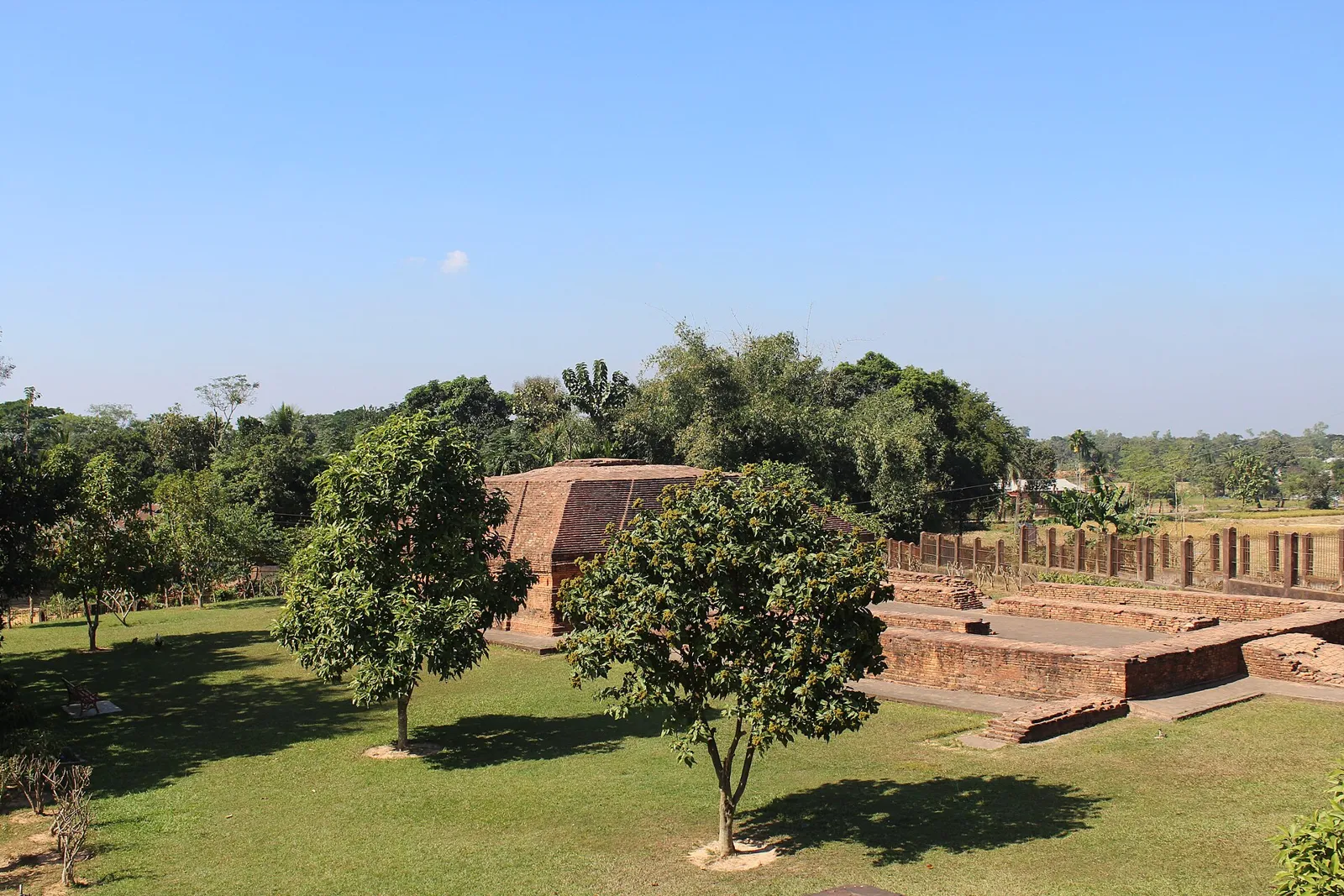
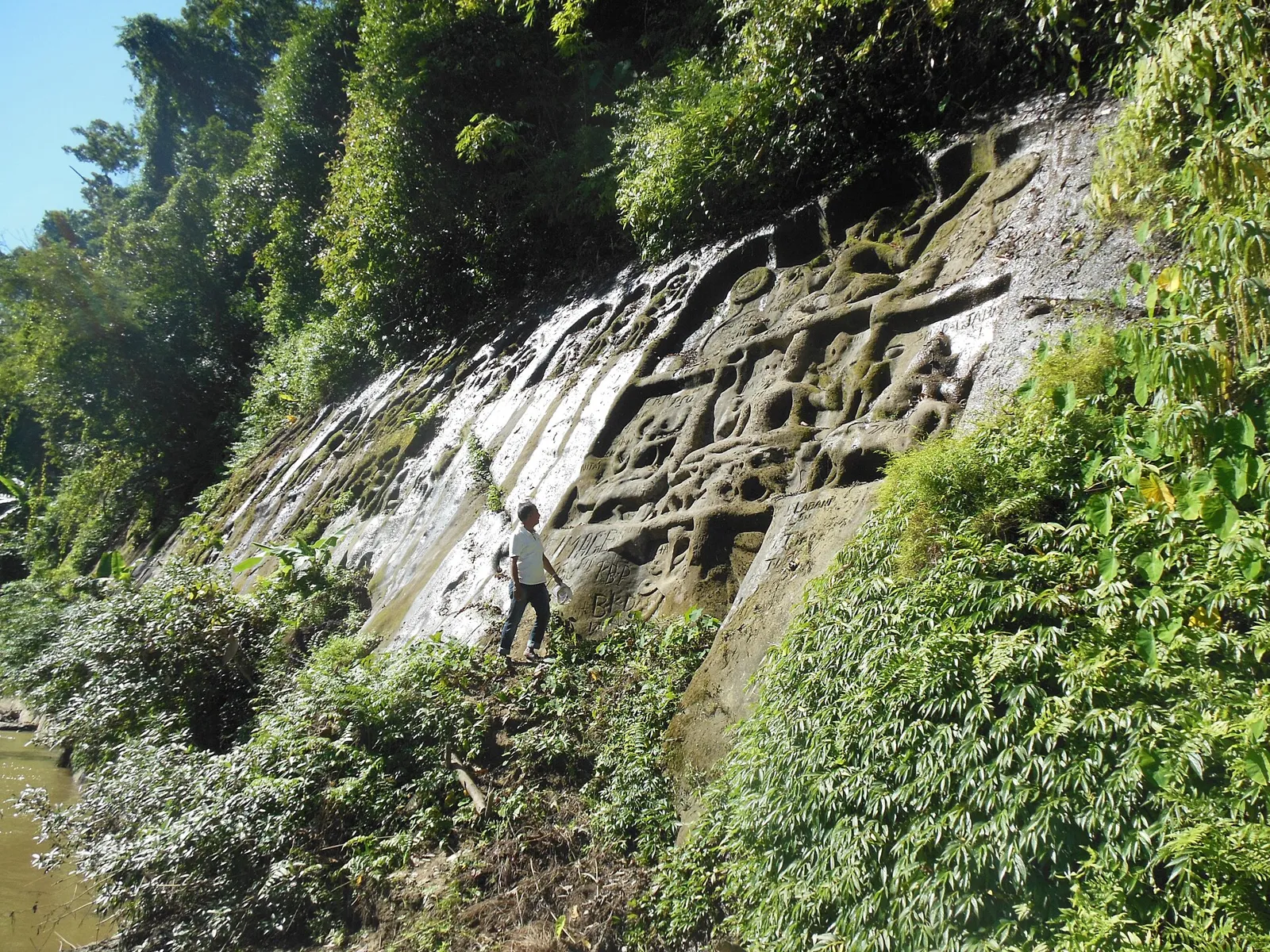
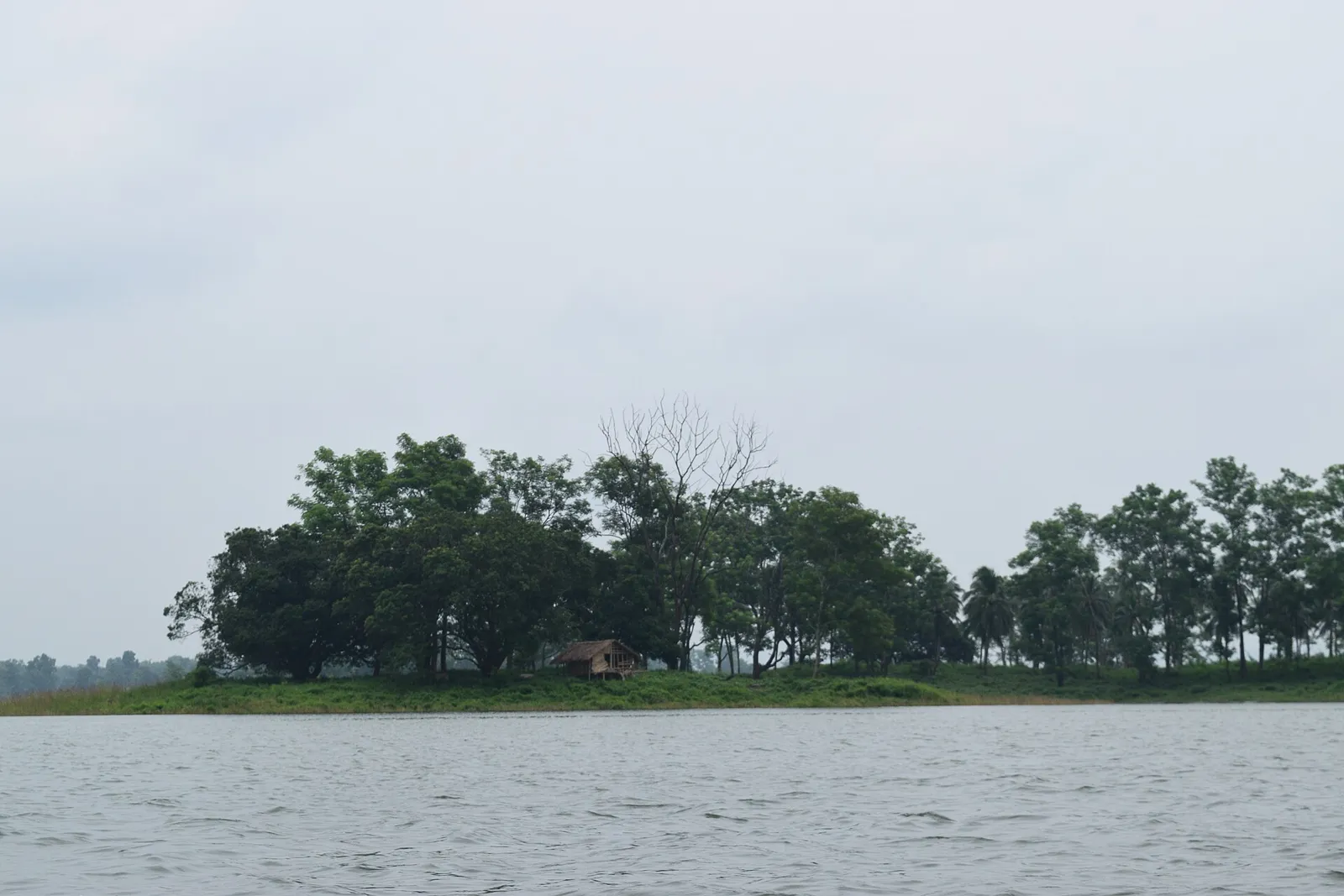
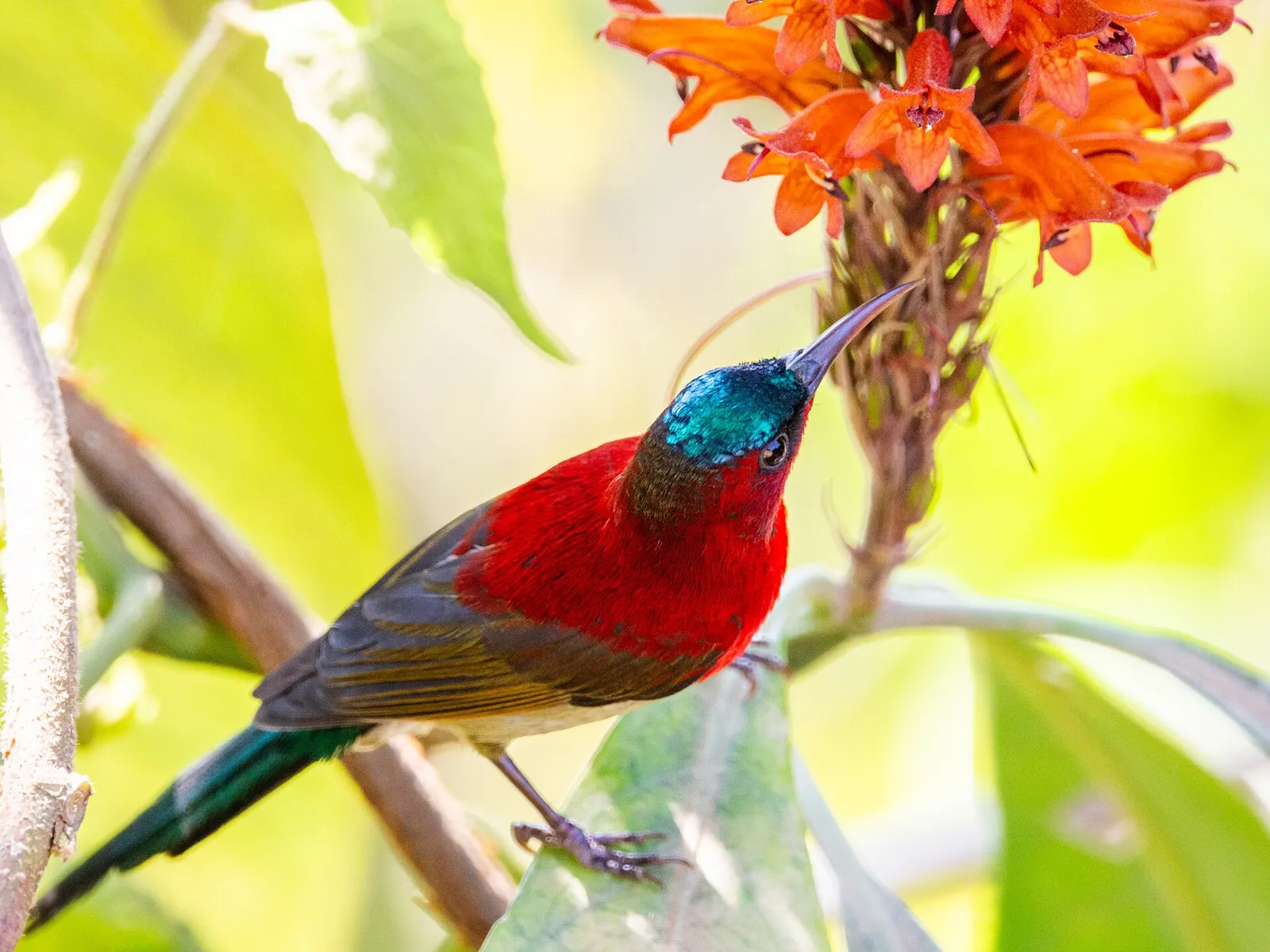
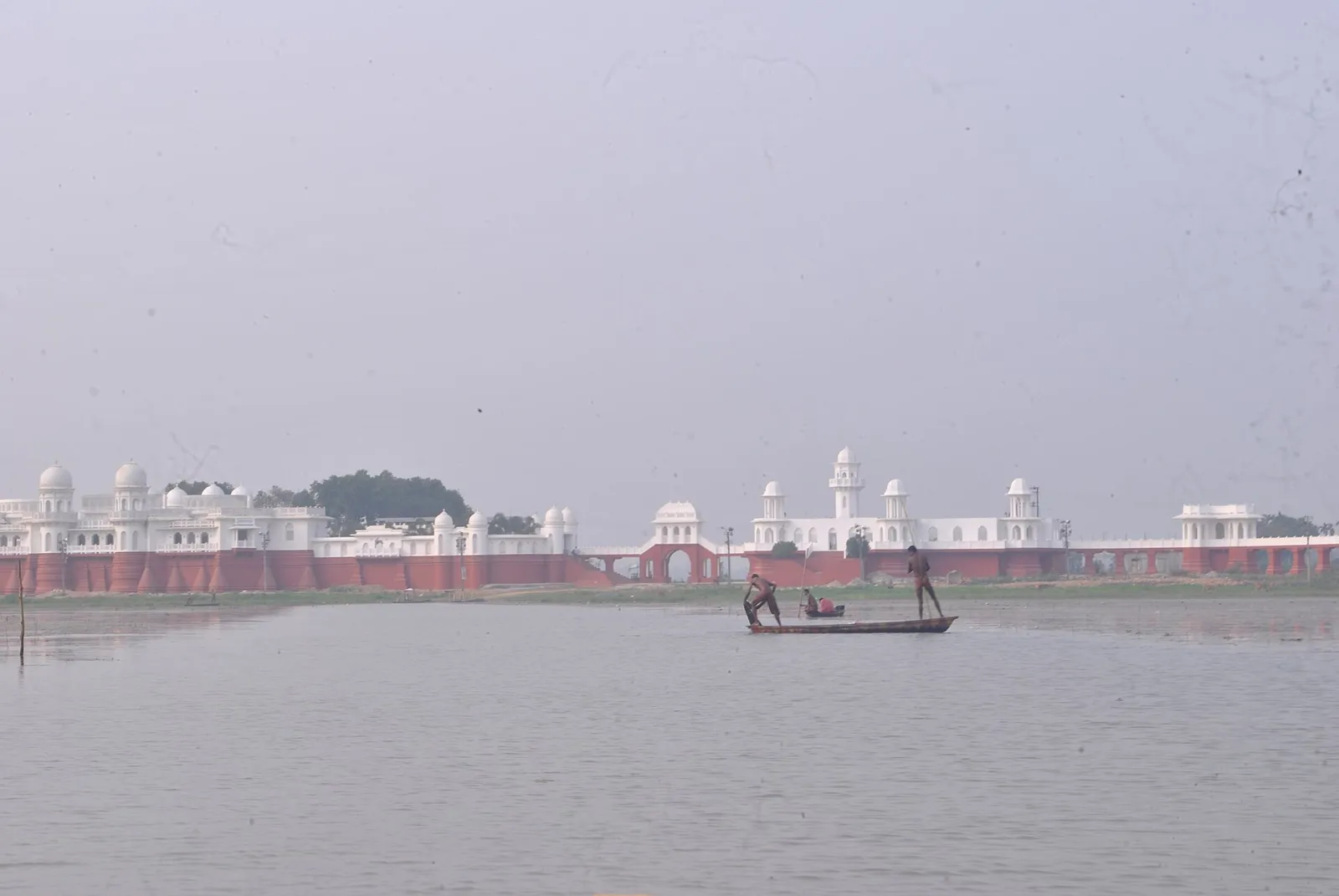
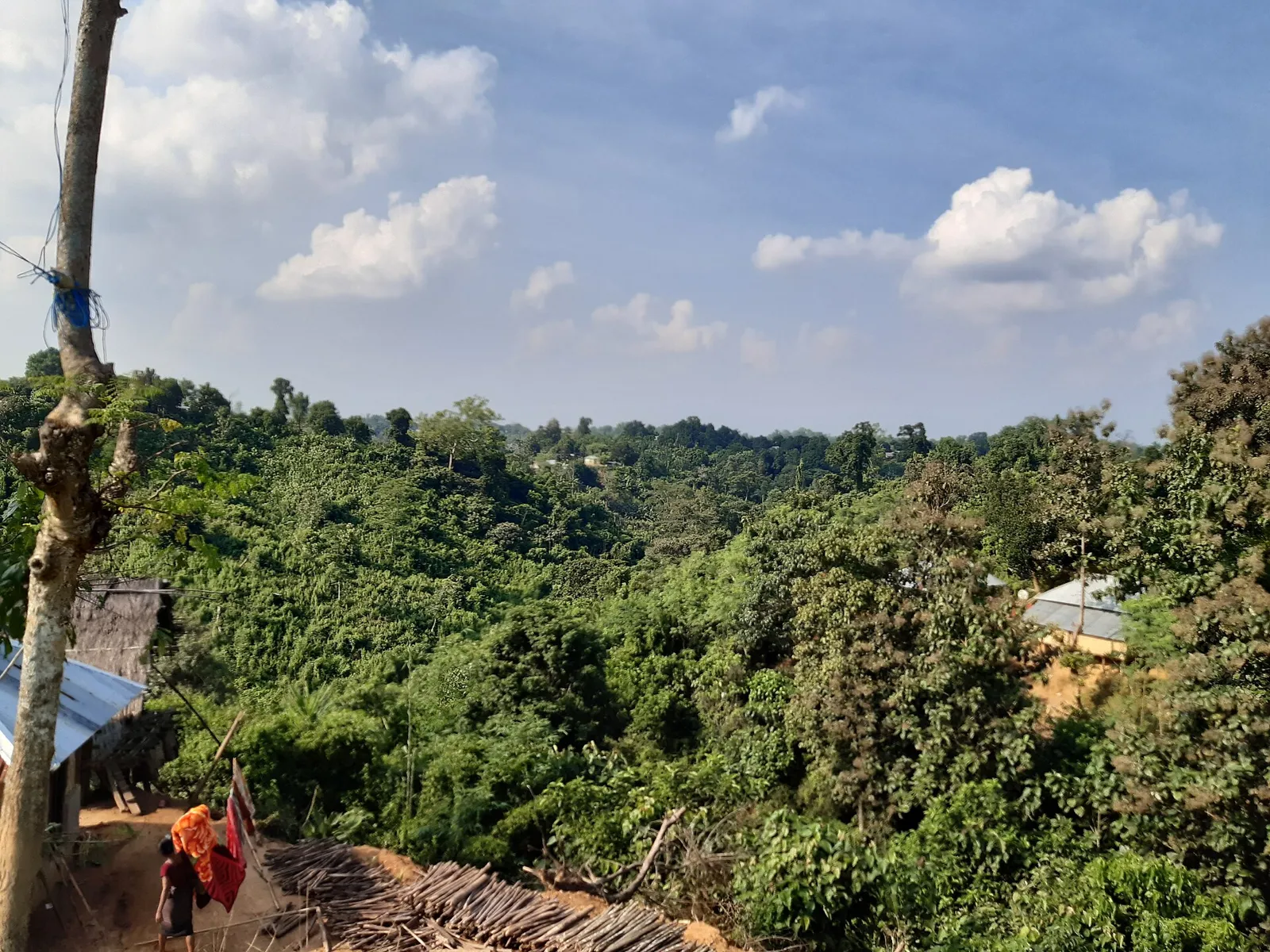
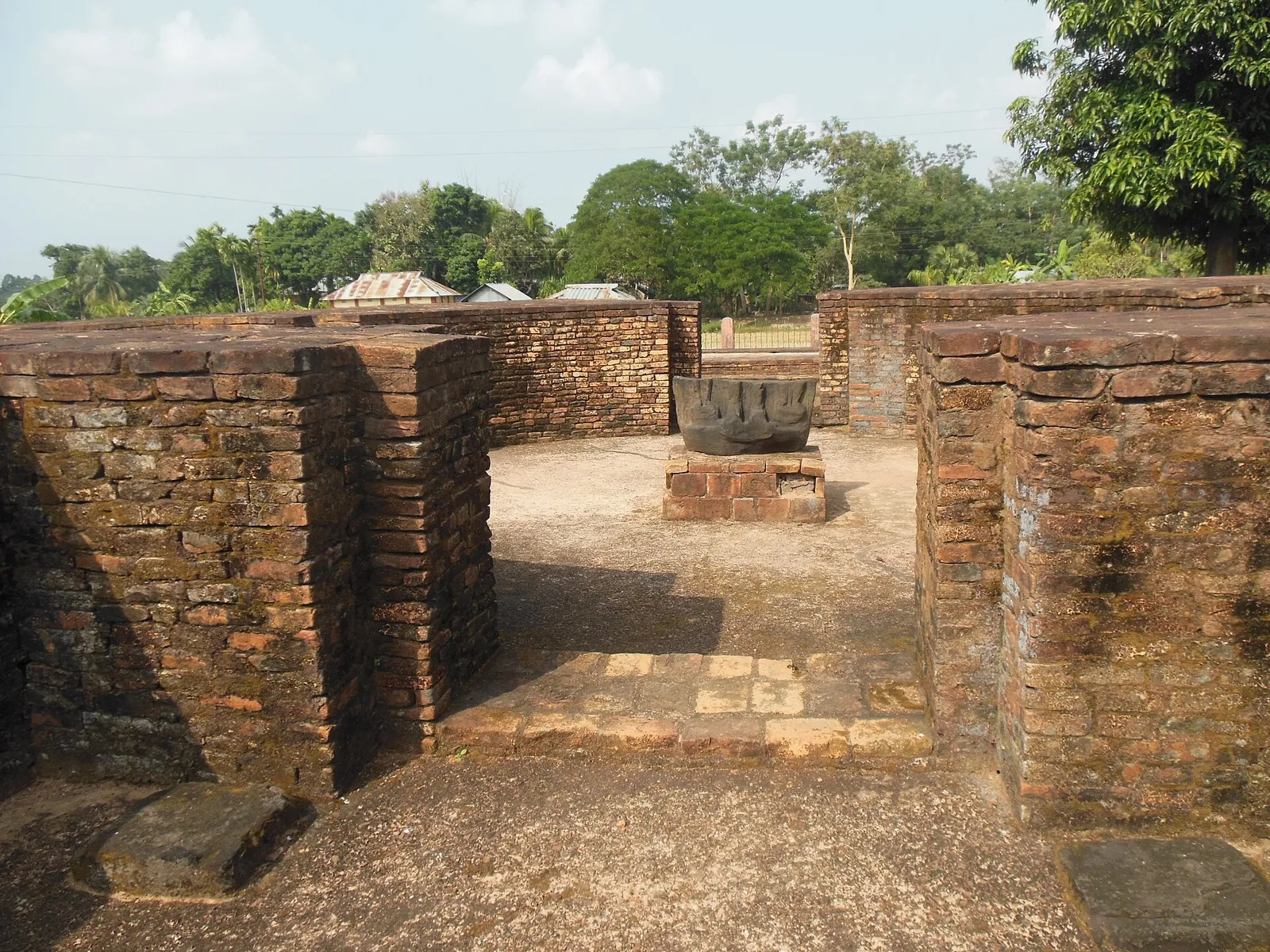
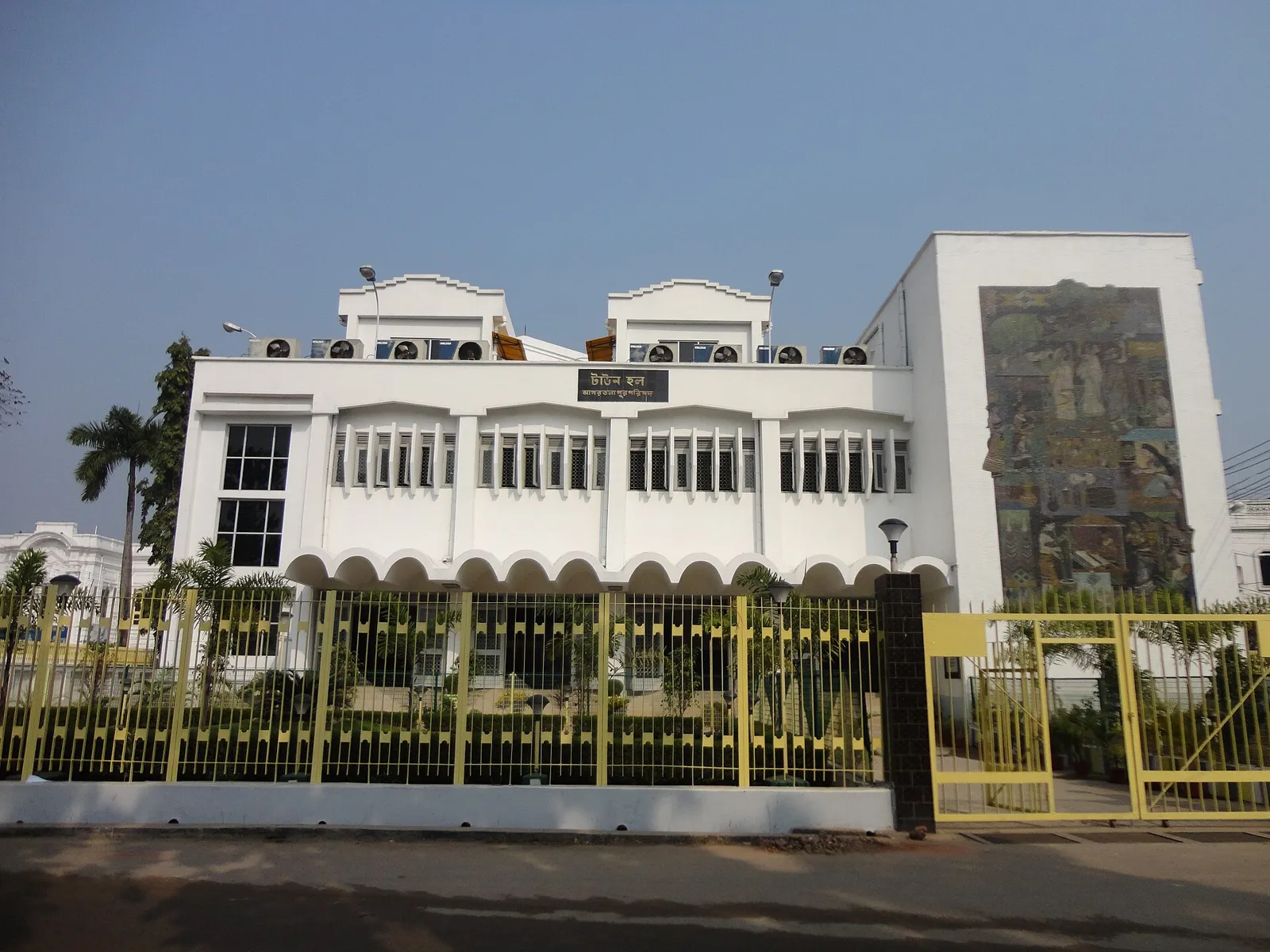
Tripura offers a distinctive mix of royal architecture, forested hills, archaeological sites and living Indigenous traditions in India’s Northeast. Agartala makes a practical starting point: its former royal Ujjayanta Palace is now a state museum, while the city’s markets and food stalls introduce Bengali and Tripuri influences. Beyond the capital, Neermahal rises from Rudrasagar Lake, the carved rock faces of Unakoti and Chabimura reward slower exploration, and Pilak preserves evidence of an ancient Buddhist and Hindu cultural landscape.
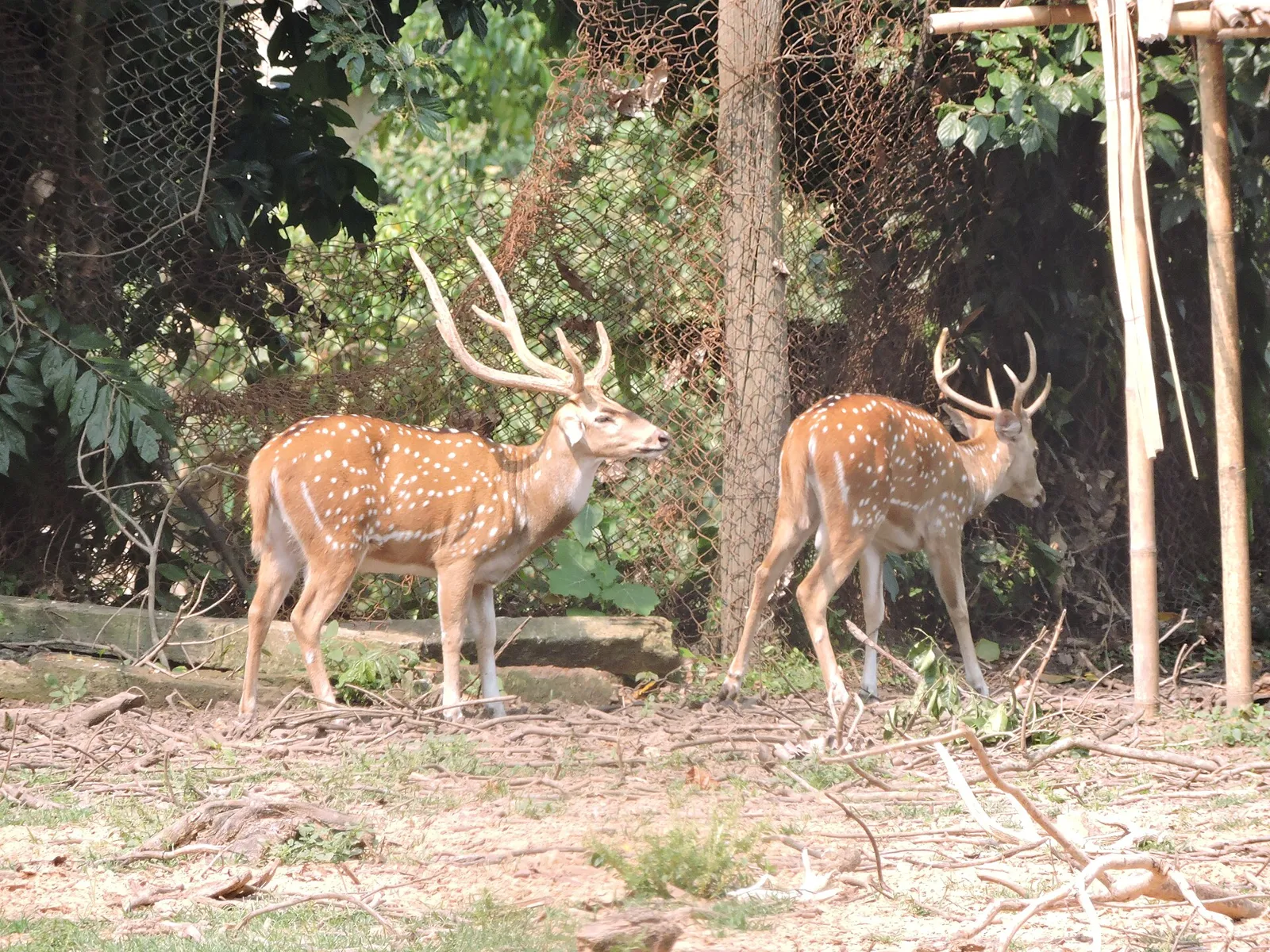
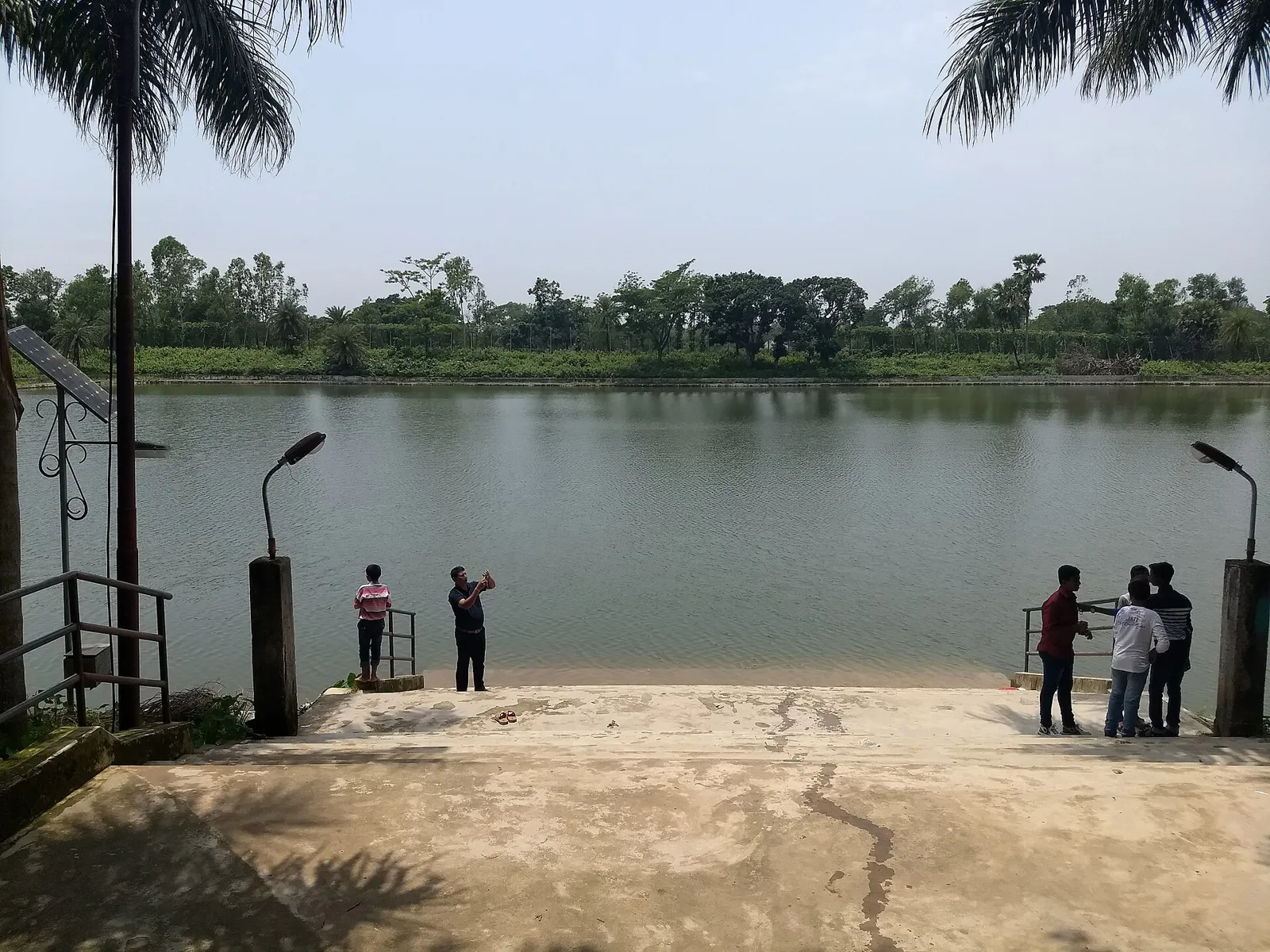
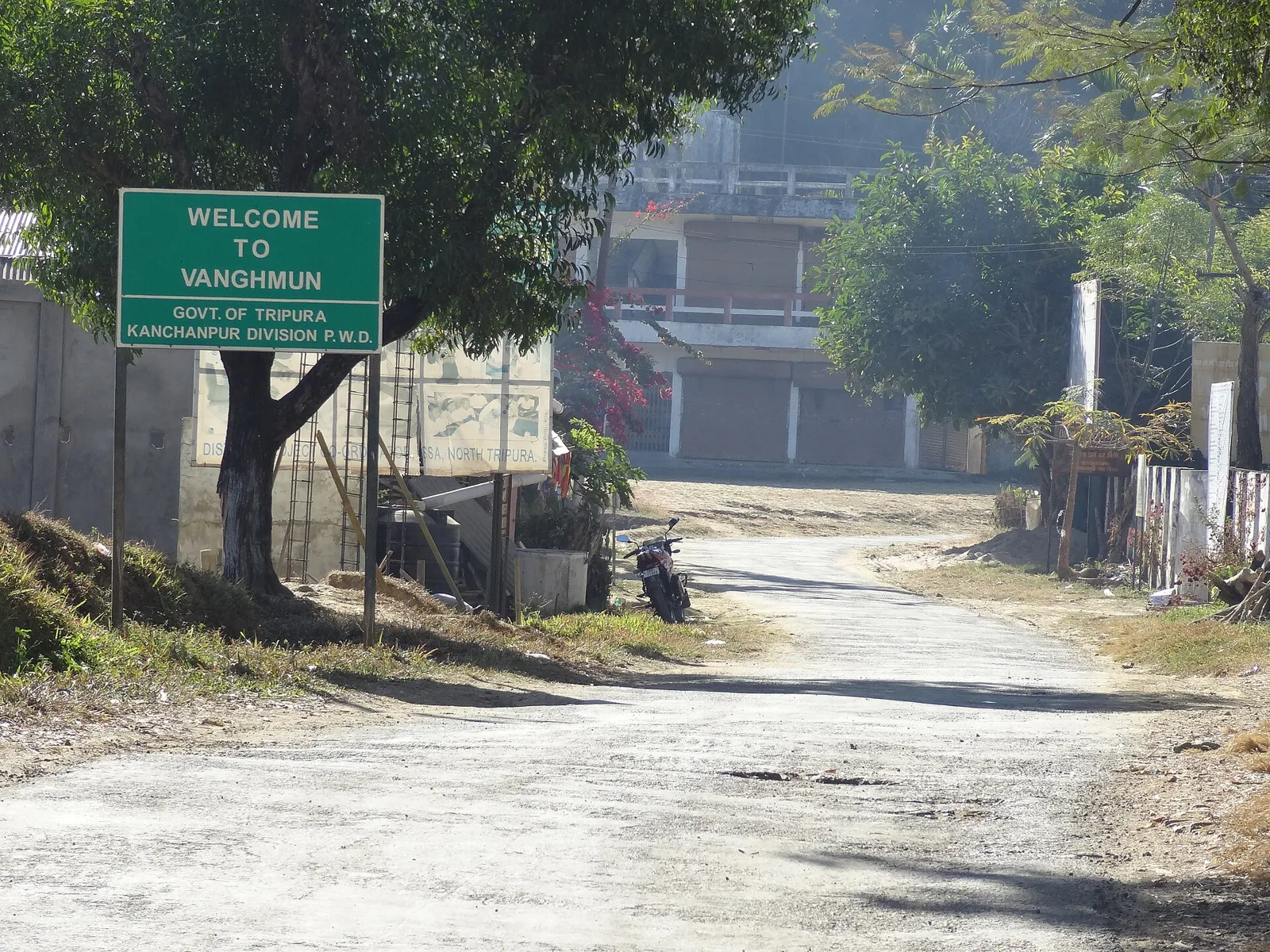
The state suits travellers interested in heritage, nature, photography and cultural learning, as well as visitors seeking a quieter alternative to better-known Northeast circuits. A short trip can focus on Agartala, Ujjayanta Palace and Neermahal; a longer itinerary can include Jampui Hills, Dumboor Lake, Rowa Wildlife Sanctuary or the southern archaeological sites. Festivals such as Kharchi Puja and Garia Puja offer glimpses of community life, though respectful observation matters. Distances, road conditions and public transport options can make travel slower than a map suggests, so a flexible plan is useful.