
Ghumoopedia — Explore, Discover, Experience
Sign in
Khowai, near Khowai

City guide · Tripura

Khowai

Khowai is a municipal town in Tripura’s Khowai district. Its setting beside the Khowai River and its northern boundary with Bangladesh are notable features for visitors to the area.

Famous for

  • Khowai River
  • Tripura–Bangladesh frontier
  • Khowai district centre
  • Tripuri cultural traditions
  • Local town markets
In the city
1
District
Khowai

Why Khowai matters

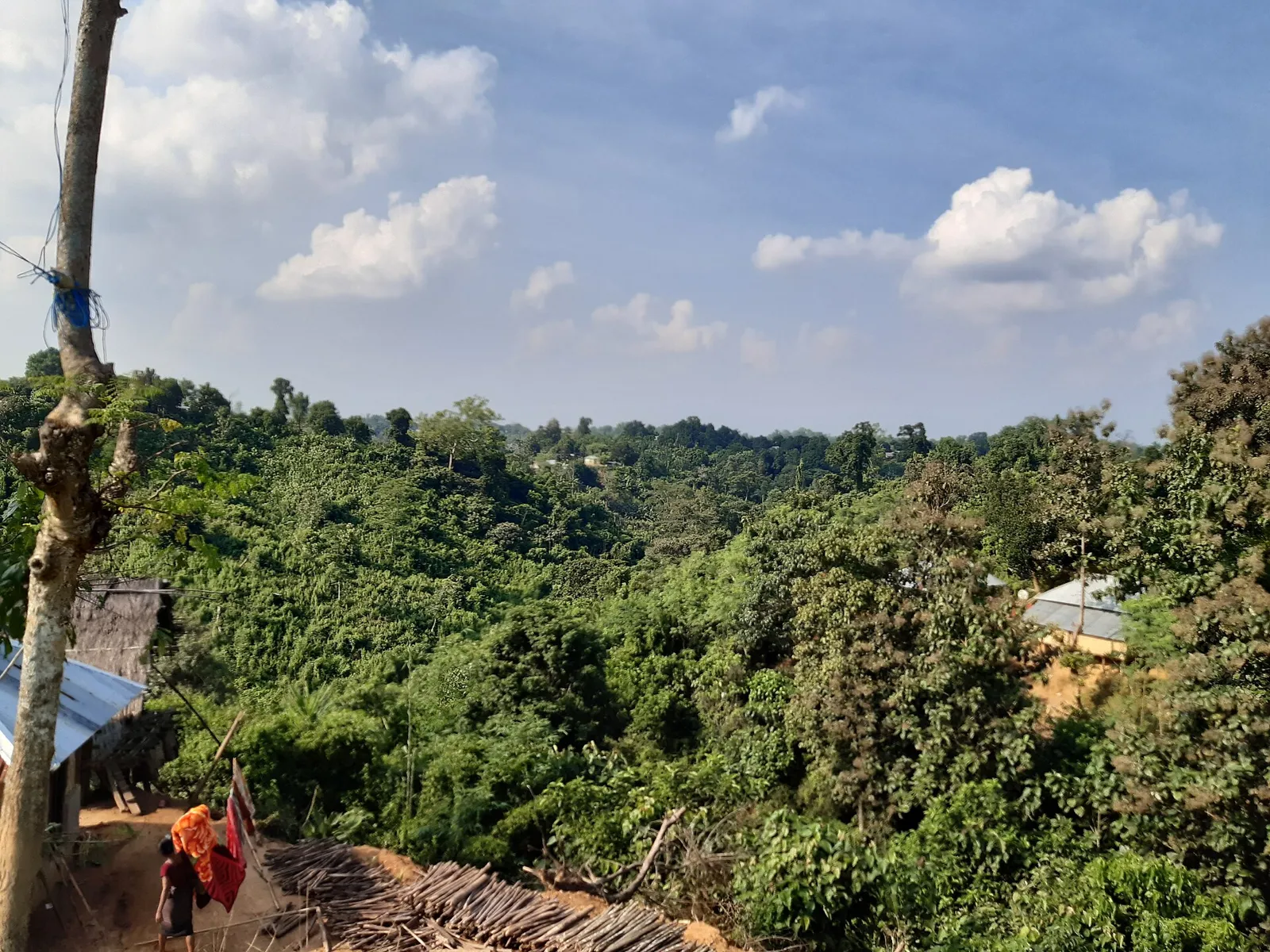
Khowai is a town in western Tripura, set beside the river that gives it its name. It serves as the administrative centre of Khowai district and as a market town for surrounding settlements. Its position near the Bangladesh border gives it a distinctive place in the state’s geography, while the river and nearby countryside shape the character of the area.

Visitors come mainly to experience everyday life in a smaller Tripura town and to use Khowai as a base for exploring the district. The town is not best known for a single major monument or resort attraction; its appeal lies in its riverside setting, local markets and mix of Bengali and Indigenous Tripuri influences. Khowai is also a practical stop for travellers moving between Agartala and settlements in western Tripura. Its modest scale makes it easier to notice local food, community life and the region’s connections to both the state capital and the international frontier.

Famous for: crafts, trade & products

Khowai is primarily known as a district administrative and trading centre rather than as a specialist manufacturing hub. Its everyday shops and market area serve residents from the town and nearby villages, with groceries, household goods, clothing and seasonal produce among the typical offerings. There is no widely recognised Khowai-specific textile, craft or GI-tagged product to identify as the town’s signature.

Tripura’s wider craft traditions include handloom weaving and work in bamboo and cane. Visitors may find locally made items through shops or market sellers in town, though selection can vary and these crafts are associated with the state more broadly, not exclusively with Khowai. Tripura’s agricultural produce, including pineapple, is also prominent across the state; availability in Khowai depends on season and local supply. For a sense of what is made or grown nearby, browse the main town market and ask shopkeepers about locally woven cloth, basketry and seasonal produce. Treat specialist craft purchases as something to check in person rather than a guaranteed feature of the town.

History

Khowai’s name comes from the river beside which the town grew. Local accounts associate its early settlement with Upendranath Roy. Over time, the settlement developed into a market and administrative centre for the surrounding area, benefiting from its position in western Tripura and its links with nearby communities.

Historically, Khowai formed part of the princely state of Tripura, ruled by the Manikya dynasty. During the British period, Tripura retained its princely status under British paramountcy rather than becoming a directly administered British province. The state later joined India and, after further changes to its administrative status, became a full state within the Union. In modern times, Khowai’s role has grown through its designation as the headquarters of Khowai district and its municipal administration. Its development has chiefly been that of a regional service town, with civic offices, local commerce and transport links supporting the surrounding settlements.

Food, festivals & culture

Food in Khowai reflects Tripura’s Indigenous and Bengali communities. Rice is a staple, and Tripuri meals may include dishes made with bamboo shoot, leafy greens and fermented fish, including the ingredient known as berma. Bengali-style fish and rice dishes are also common. Seasonal sweets and snacks can be found in local shops, though particular offerings vary; the town is not especially associated with one signature sweet.

Garia Puja, usually observed in spring, is an important Tripuri festival, while Kharchi Puja is celebrated in Tripura during the monsoon season. Durga Puja brings public festivities in autumn, especially among Bengali communities. Kokborok and Bengali are important languages in the area; Hindi is also useful in travel and commerce. Tripura’s cultural life includes forms such as Hojagiri and Garia dance, performed at community events and celebrations. Places of worship in town reflect residents’ varied traditions, including Hindu temples, churches and mosques.

Visiting the city

The cooler, drier months from about October to March are generally the most comfortable time to visit. Monsoon travel can bring heavy rain and wet roads. The nearest airport serving Khowai is Maharaja Bir Bikram Airport in Agartala. Khowai has no railway station; Teliamura railway station is a nearby railhead, while Agartala is the main transport hub for wider connections. Check current road and rail arrangements before setting out.

Buses and shared vehicles connect Khowai with Agartala and other towns; within the town, local auto-rickshaws and short walks are useful. Explore the central market and civic area for everyday town life, then visit accessible stretches beside the Khowai River. The surrounding district is best explored with local transport, since attractions and settlements are spread out.

Attractions

Places to visit in Khowai

Sights within about 12 km of each other, even when they fall in different districts.

Map

Khowai on the map

  1. 1Khowai

Tripura

Other cities to explore