Ghumoopedia — Explore, Discover, Experience
Sign in
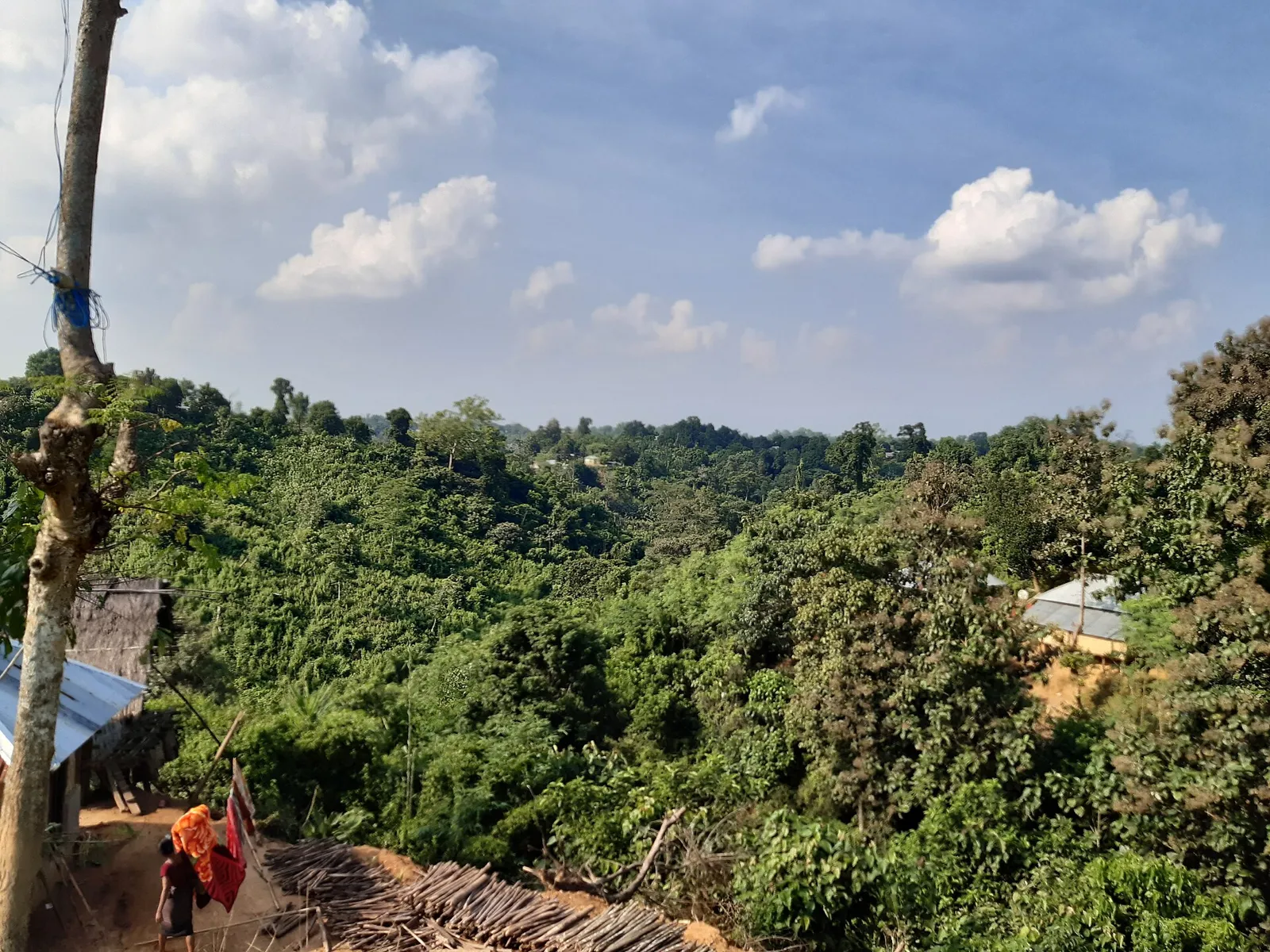
Khowai, near Ambassa

City guide · Tripura

Ambassa

Ambassa is the administrative headquarters of Dhalai district in northern Tripura. Its importance comes less from big-city attractions than from its role as a service and transport centre for the surrounding district.

Famous for

  • Dhalai district headquarters
  • Gateway to Dhalai
  • Tripuri handloom traditions
  • Bamboo and cane crafts
  • Tripura tribal culture

Why Ambassa matters

Ambassa is the administrative headquarters of Dhalai district in northern Tripura. Its importance comes less from big-city attractions than from its role as a service and transport centre for the surrounding district. Government offices, shops and everyday services make it a practical stop for residents and travellers moving through this part of the state.

Visitors use Ambassa as a starting point for exploring Dhalai’s towns, villages and green landscapes. The town also offers an introduction to Tripura’s diverse communities and traditions, including Kokborok-speaking people and local handloom and craft practices. Its markets provide a glimpse of daily life and regional produce, while road and rail connections make it a useful base for onward journeys. Ambassa is not chiefly known for a single monument, food or large industry; its distinction lies in linking the district’s administrative life with the wider travel routes of Tripura.
Famous for: crafts, trade & products

Ambassa is best understood as a district service and market centre rather than a specialised manufacturing town. Its shops and market area cater to local daily needs and provide a place to look for regional foods, household goods and products brought in from nearby communities. The town is also a practical point for finding information and transport for journeys around Dhalai.

Tripura’s handloom traditions include garments such as the risa and rignai, while bamboo and cane are widely used across the state for useful household and decorative items. These are regional traditions, not products exclusive to Ambassa; availability in town shops can vary. Tripura’s GI-recognised Queen Pineapple is associated with the state, but Ambassa is not especially identified as its production centre. There is no widely established Ambassa-specific GI product or major textile industry to seek out. For locally made crafts or woven goods, ask at market-area shops about products sourced from Dhalai’s communities and check the item’s place of origin.

History

Ambassa’s present-day role is closely tied to the formation and administration of Dhalai district. The area is part of Tripura, whose history includes the rule of the Manikya dynasty. During the British period, Tripura remained a princely state under British paramountcy rather than being administered as a regular British province.

After India’s independence, Tripura joined the Indian Union in 1949. It later became a state in 1972, as administration and public services expanded across the region. Dhalai district was established in 1995, and Ambassa became its headquarters. This brought government offices and district-level services to the town and strengthened its role as a centre for surrounding settlements. Ambassa’s growth has therefore been shaped chiefly by administration, transport and local commerce, rather than by a long-established metropolitan or industrial history.

Food, festivals & culture

Ambassa reflects the varied cultures of Tripura, including those of Kokborok-speaking communities and Bengali-speaking residents. Kokborok and Bengali are widely used in the state; Hindi is also useful in everyday interactions. Tripura’s food commonly features rice, seasonal vegetables, fish and locally gathered ingredients. Dishes associated with the wider region include chakhwi, preparations with bamboo shoot, and gudok, a mixed vegetable dish. Fermented fish, known as berma, is an important flavouring in some traditional cooking. These are regional foods, and what is served in Ambassa varies by household and eatery.

Tripura’s festivals include Garia Puja in spring, Kharchi Puja in summer and Ker Puja, alongside Durga Puja and other Hindu observances. Dates follow local calendars and change from year to year. Community celebrations may feature traditional music and dances such as the Tripuri hozagiri, performed especially by Reang/Bru communities. Visitors can encounter religious life at local temples and neighbourhood places of worship; festival events are generally community-centred, so ask locally about current celebrations.

Visiting the city

The cooler, drier months from about October to March are generally the most comfortable for visiting Ambassa. Monsoon brings greener scenery but also heavy rain that can affect road journeys. The nearest airport serving the town is Maharaja Bir Bikram Airport in Agartala; Ambassa has its own railway station, Ambassa Railway Station.

Within town, auto-rickshaws and shared or hired vehicles are useful for short trips. For travel around Dhalai, arrange road transport locally and allow flexibility for journeys beyond the main town. Explore the central market and civic area for everyday town life, and use Ambassa as a base for visiting nearby settlements and landscapes. The station and town centre are practical orientation points, though visitor facilities and transport options may be more limited than in Agartala.

Trips from the city

Nearest places to visit from Ambassa

Our closest destination guides, by straight-line distance.

Khowai

29 km away · Khowai district

Khowai

Khowai is a municipal town in Tripura’s Khowai district. Its setting beside the Khowai River and its northern boundary with Bangladesh are notable features for visitors to the area.

Jampui Hills

43 km away · North Tripura district

Jampui Hills

Jampui Hills is a hill range in Tripura’s North Tripura district, within the Mizo Hills, also known as the Lushai Hills. Visitors come for its elevated hill setting, which averages about 1,000 metres above sea level.

Unakoti

47 km away · Unakoti district

Unakoti

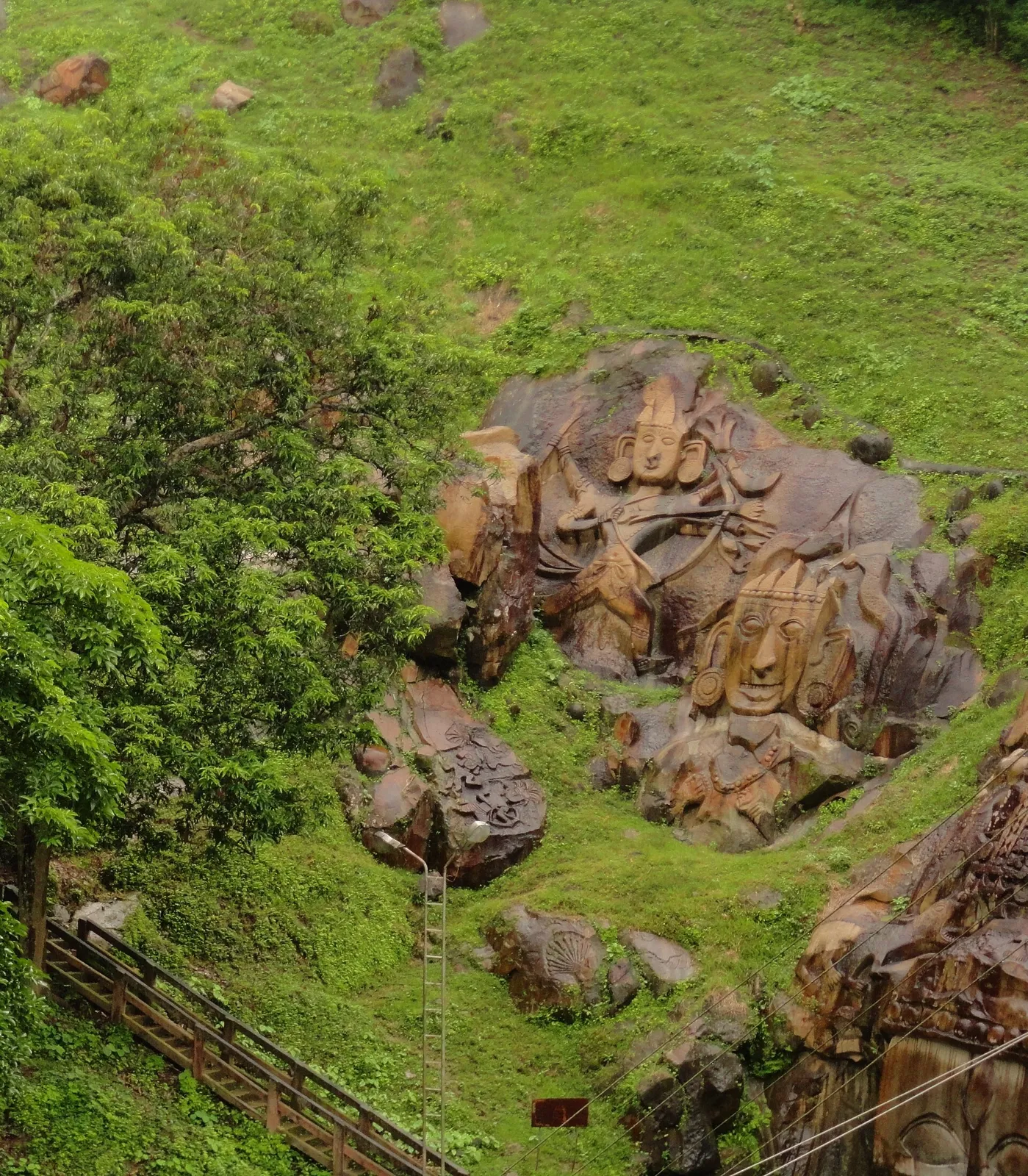
Unakoti is an ancient Shaivite rock-art site in Tripura, known for its carved divine figures and historic inscriptions. Visitors come to see its sculptures and explore its religious and artistic past.

Rowa Wildlife Sanctuary

51 km away · North Tripura district

Rowa Wildlife Sanctuary

Rowa Wildlife Sanctuary is a protected area in Tripura’s North Tripura district, near Panisagar. Visitors come to encounter its wildlife and natural surroundings.

Agartala

59 km away · West Tripura district

Agartala

Agartala is Tripura’s capital and largest city, beside the Haora (Saidra) River and close to Bangladesh. Visitors come to the state’s principal city for its administrative role and borderland setting.

Pushbanta Palace

59 km away · West Tripura district

Pushbanta Palace

Pushbanta Palace, also called Kunjaban Palace, is a former royal residence in Tripura. Its royal past and development as a national-level cultural museum make it a point of interest.

Ujjayanta Palace

59 km away · West Tripura district

Ujjayanta Palace

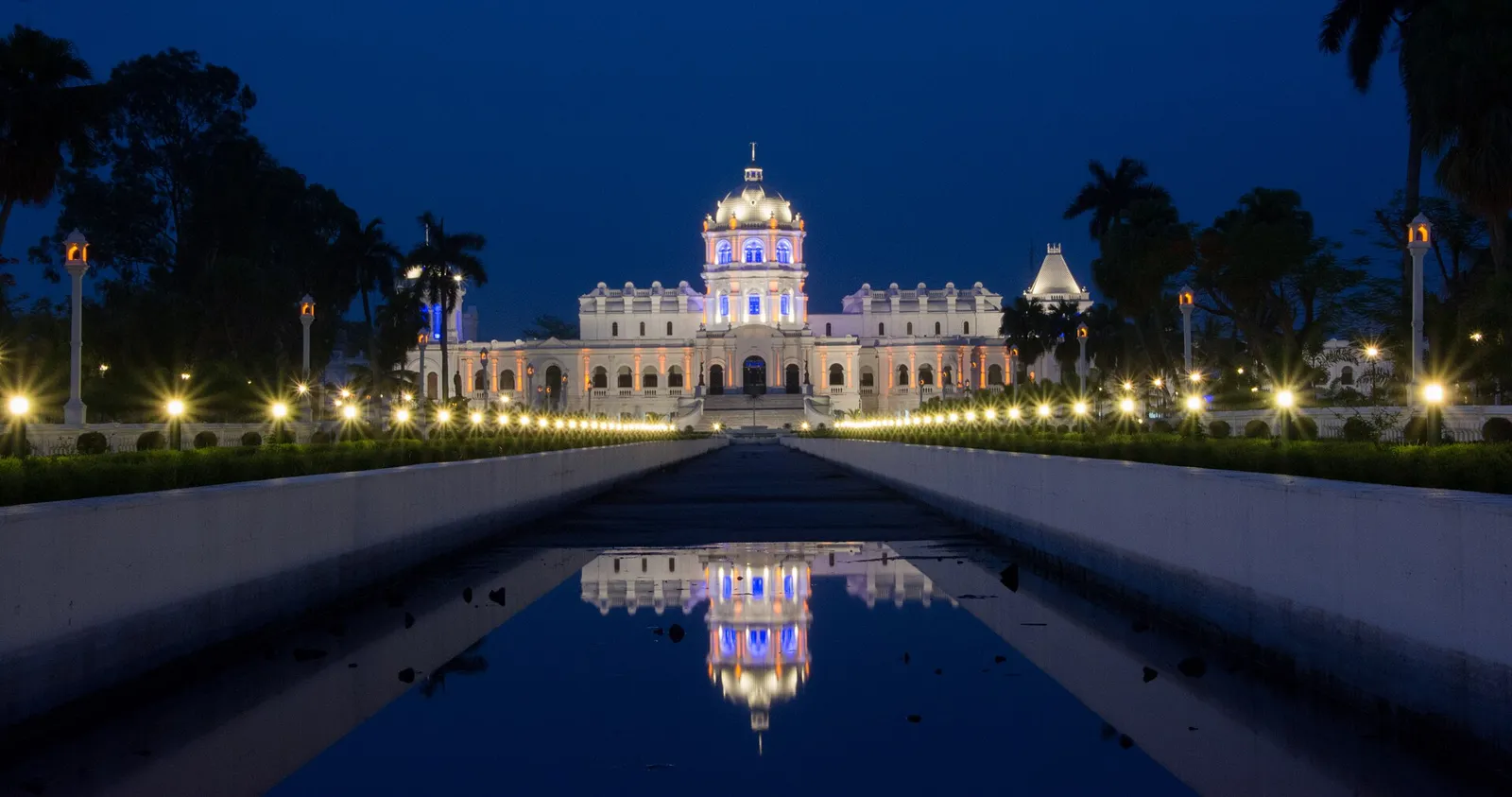
Ujjayanta Palace, in West Tripura district, is Tripura’s state museum and the former royal residence of the princely state. Visitors explore displays on Northeast India’s communities and the Manikya dynasty.

63 km away · Gomati district

Gumti Wildlife Sanctuary

Gumti Wildlife Sanctuary is a wildlife refuge in southern Tripura’s Gomati district. Visitors come to encounter the wildlife that gives the sanctuary its character.

Map

Ambassa on the map

  1. 1Khowai
  2. 2Jampui Hills
  3. 3Unakoti
  4. 4Rowa Wildlife Sanctuary
  5. 5Agartala
  6. 6Pushbanta Palace
  7. 7Ujjayanta Palace
  8. 8Gumti Wildlife Sanctuary

Tripura

Other cities to explore