Ghumoopedia — Explore, Discover, Experience
Sign in
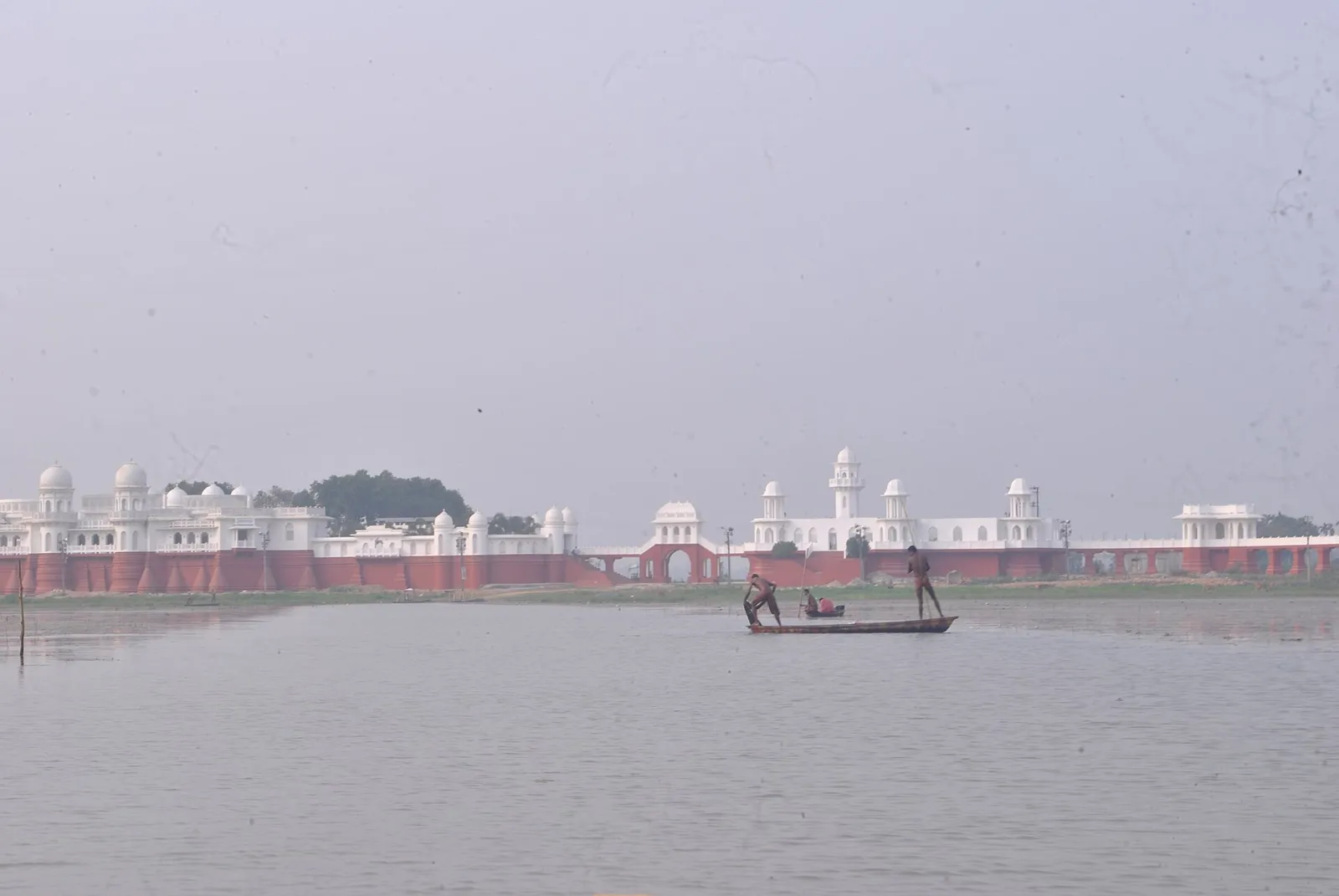
Rudrasagar Lake, near Udaipur

City guide · Tripura

Udaipur

Udaipur, formerly called Rangamati, is a historic town in southern Tripura and the headquarters of Gomati district. It lies about 55 kilometres from Agartala, with the Gomati River running through the town and its surrounding agricultural landscape.

Famous for

  • Tripura Sundari Temple
  • Kalyan Sagar
  • Manikya-era heritage
  • Bamboo and cane crafts
  • Tripura Queen pineapple

Why Udaipur matters

Udaipur, formerly called Rangamati, is a historic town in southern Tripura and the headquarters of Gomati district. It lies about 55 kilometres from Agartala, with the Gomati River running through the town and its surrounding agricultural landscape. Udaipur served as a capital of the Manikya rulers, and traces of that past sit alongside its role today as a regional centre for administration, trade and services.

Most visitors come for Tripura Sundari Temple, also known as Tripureswari Temple, an important Hindu pilgrimage site traditionally counted among the 51 Shakti Peethas. The temple draws worshippers throughout the year and becomes especially lively during the Diwali season. Nearby Kalyan Sagar, a large temple pond, adds to the atmosphere of the shrine precinct. Udaipur also offers a quieter way to explore Tripura’s history and living traditions, from old temples and water bodies to local markets. Its location makes it a useful base for seeing the Gomati region and understanding the state beyond Agartala.
Famous for: crafts, trade & products

Udaipur’s best-known landmark is its religious heritage rather than a single signature craft or textile industry. The town’s markets serve local communities with everyday goods and produce; visitors can look for Tripura handloom, including traditional rignai and risa garments, as well as bamboo and cane objects. These crafts are made across the state, so availability and selection in Udaipur can vary. Market lanes in the town centre are the most practical place to ask about locally made items and seasonal produce.

Tripura Queen pineapple is a GI-tagged product of the state, not a product unique to Udaipur. Pineapples and other regional produce may be found through local vendors when in season. Rice, vegetables and fish from the surrounding area are also part of everyday trade. Udaipur is not widely identified with a large textile mill or a specialised export market; its importance is chiefly as a district service and trading centre. For a more distinctive purchase, ask vendors about the maker and origin of handwoven cloth or craftwork rather than assuming an item was produced in town.

History

Udaipur was formerly known as Rangamati and grew as an important seat of the Manikya dynasty. The rulers made it a capital, and the town’s temples and water bodies reflect its former political and religious standing. Tripura Sundari Temple became a major centre of worship, drawing pilgrims to the town across generations. As the kingdom’s political centre shifted towards Agartala, Udaipur’s role as a capital diminished, though its shrine and regional importance endured.

During the colonial period, Tripura remained a princely state under British paramountcy rather than becoming a directly administered British province. Changes in the state’s administration and the growth of Agartala further altered Udaipur’s political role. After Tripura joined the Indian Union, the town continued to develop as a local centre for public services, commerce and transport. It is now a Municipal Council and the headquarters of Gomati district, linking nearby settlements with district-level administration and markets.

Food, festivals & culture

Udaipur’s food reflects both Tripuri and Bengali traditions. Rice is central, with fish and seasonal vegetables common in Bengali-style meals; Tripuri cooking may include dishes such as chakhwi and preparations flavoured with berma, fermented fish. Local sweet shops offer familiar milk-based sweets, while rice cakes and pitha are especially associated with festive and winter seasons. Recipes and availability vary between households and eateries.

Tripura Sundari Temple is the focus of major pilgrimage activity, particularly around Diwali in October or November, when the temple grounds host a large gathering. Durga Puja is widely celebrated in autumn, while Garia, a spring festival observed in Tripura, is marked with ritual and community performances. Bengali and Kokborok are widely used, alongside Hindi and other languages. Music and dance traditions include the Garia dance and Hojagiri, associated with the Reang community. The Bhubaneswari Temple, near the Gomati, is another notable place of worship in the area.

Visiting the city

October to March is generally the most comfortable period to visit, with warmer, wetter conditions during the monsoon. The nearest airport is Maharaja Bir Bikram Airport in Agartala. Udaipur has its own railway station, Udaipur Railway Station, for rail access to the town; check current connections when planning. From Agartala, road travel is another option.

Auto-rickshaws and shared local vehicles are useful for getting around, while the temple precinct and nearby sights can be explored on foot. Start around Tripura Sundari Temple and Kalyan Sagar, then visit the Bhubaneswari Temple and explore the town’s central market area. The Gomati riverfront and local water bodies offer a quieter contrast to the busy shrine and bazaar. Allow extra time for travel during heavy rain or major festival gatherings.

Trips from the city

Nearest places to visit from Udaipur

Our closest destination guides, by straight-line distance.

Rudrasagar Lake

17 km away · Sipahijala district

Rudrasagar Lake

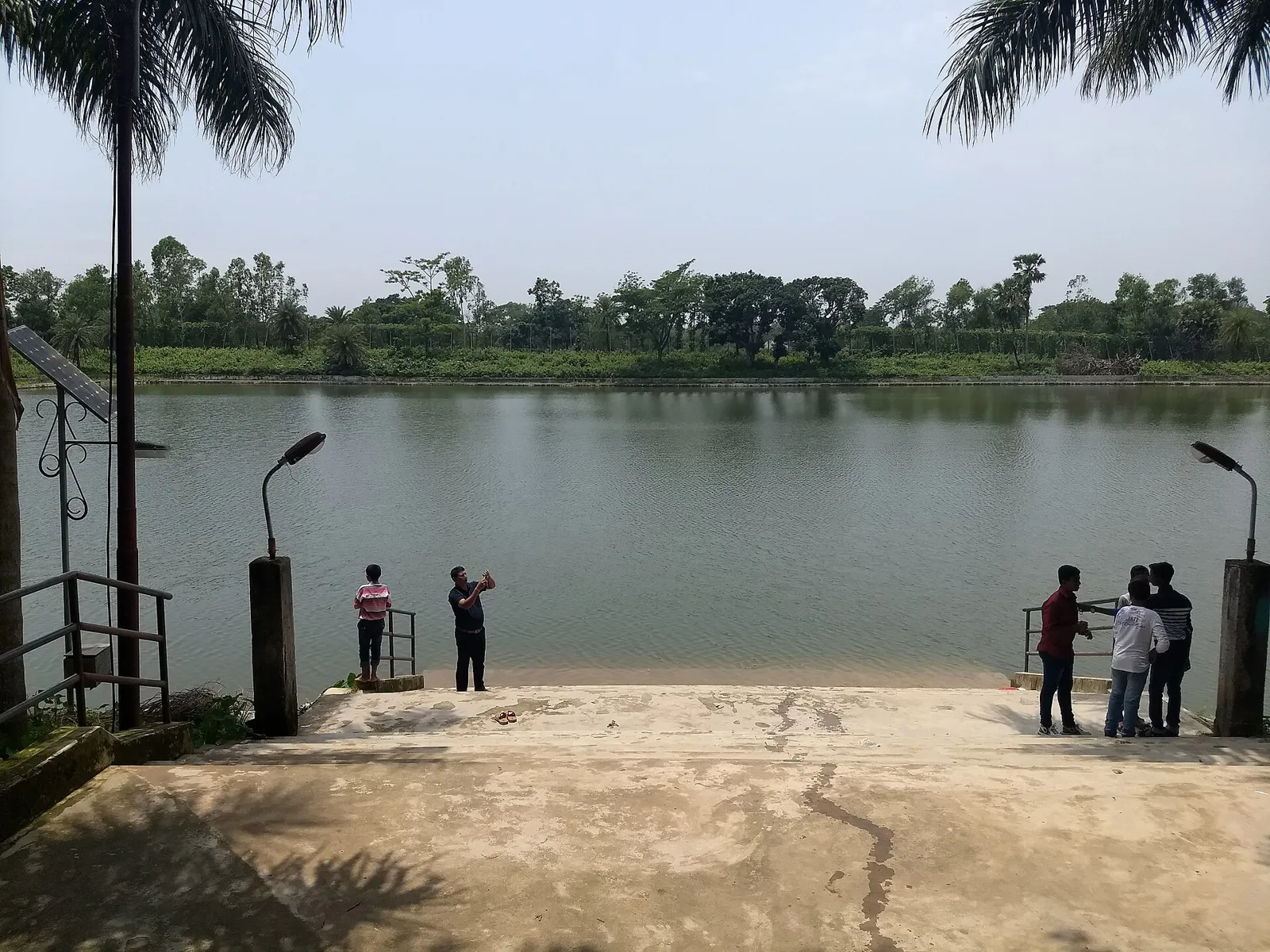
Rudrasagar Lake, also called Twijilikma, is a wetland in Melaghar, Sipahijala district, Tripura. Visitors are drawn by its biodiversity and its recognition as a wetland of international importance.

Trishna Wildlife Sanctuary

21 km away · South Tripura district

Trishna Wildlife Sanctuary

Trishna Wildlife Sanctuary is a wildlife sanctuary in South Tripura district, Tripura. Visitors come to experience a sanctuary devoted to wildlife.

23 km away · Gomati district

Gumti Wildlife Sanctuary

Gumti Wildlife Sanctuary is a wildlife refuge in southern Tripura’s Gomati district. Visitors come to encounter the wildlife that gives the sanctuary its character.

Sepahijala Wildlife Sanctuary

23 km away · Sipahijala district

Sepahijala Wildlife Sanctuary

Sepahijala Wildlife Sanctuary is a wildlife sanctuary in Tripura, India, associated with Sipahijala and West Tripura districts. Visitors come to experience it as a destination centred on wildlife.

Boxanagar Ruins

33 km away · Sipahijala district

Boxanagar Ruins

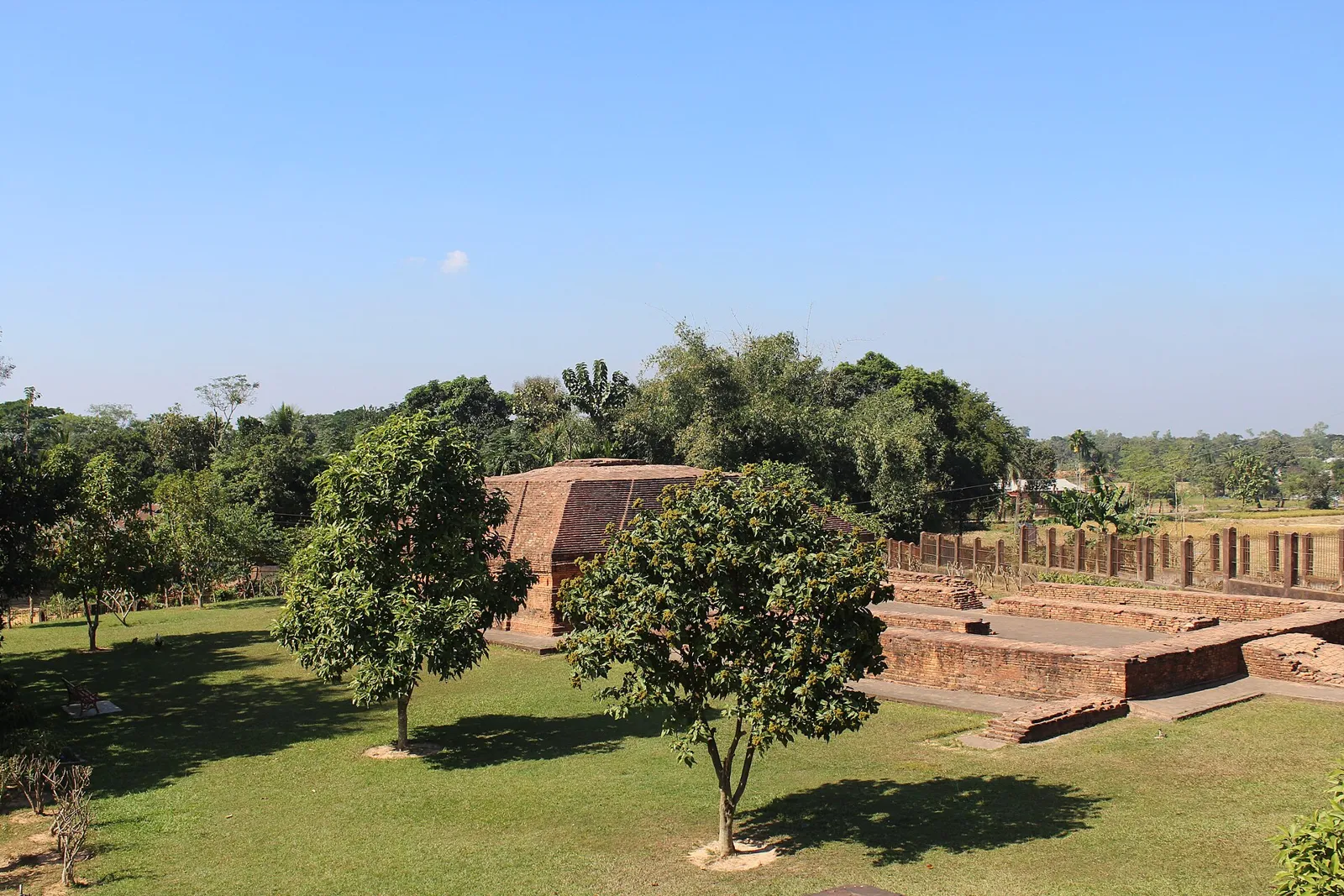
Boxanagar Ruins is a Buddhist archaeological site in Tripura, recognised as a Monument of National Importance. Visitors come to view the remains and explore the site’s Buddhist heritage.

Agartala

39 km away · West Tripura district

Agartala

Agartala is Tripura’s capital and largest city, beside the Haora (Saidra) River and close to Bangladesh. Visitors come to the state’s principal city for its administrative role and borderland setting.

Kamalasagar

39 km away · Sipahijala district

Kamalasagar

Kamalasagar is a man-made lake in Tripura’s Sipahijala district, built under King Dhanya Manikya in the 15th century. Visitors come for picnics and the October Navaratri mela.

Pilak

39 km away · South Tripura district

Pilak

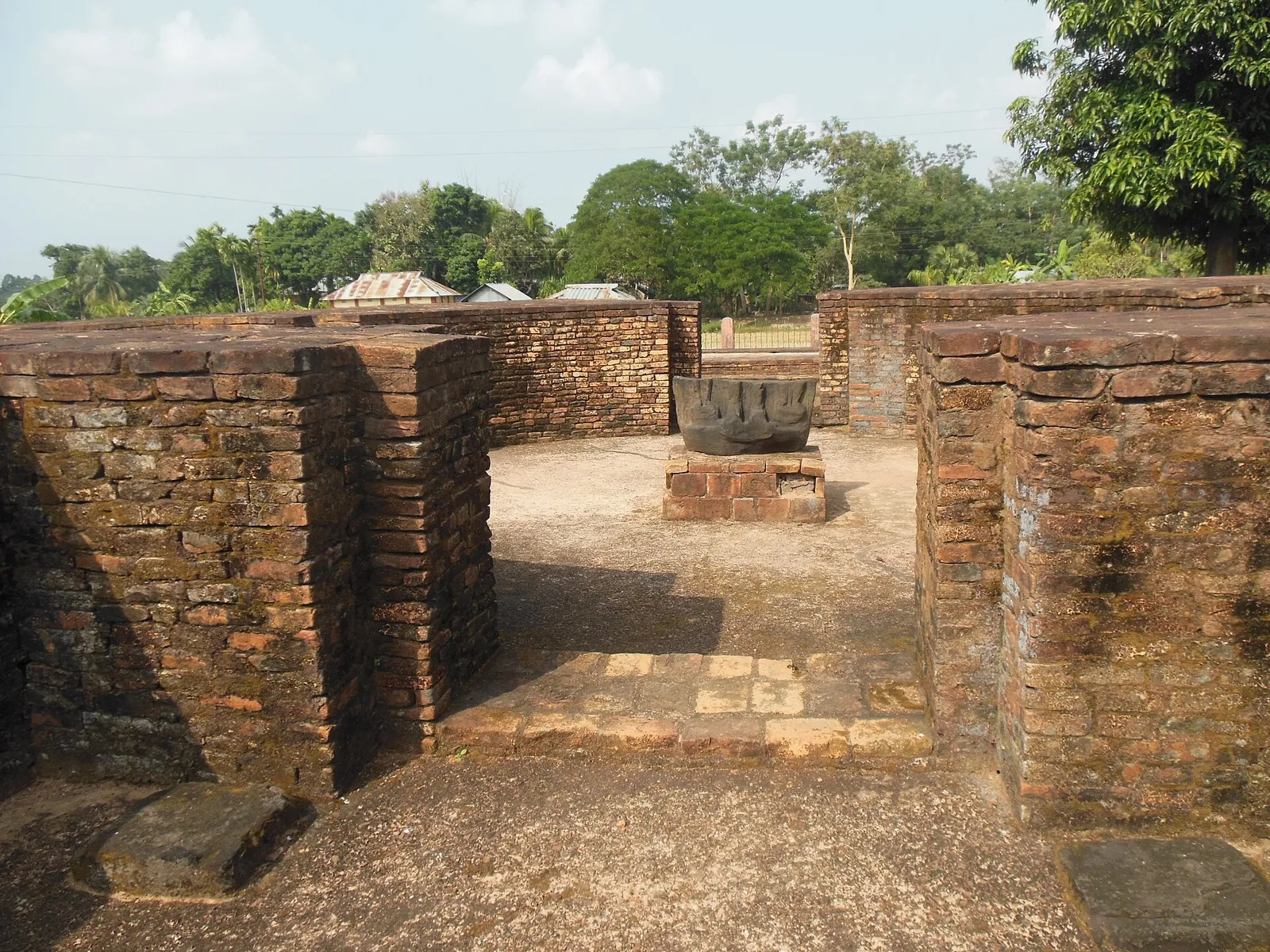
Pilak is an archaeological area in Santirbazar sub-division, South Tripura district, Tripura. Visitors come to see its Buddhist and Hindu remains, including images, structures and sandstone sculptures.

Map

Udaipur on the map

  1. 1Rudrasagar Lake
  2. 2Trishna Wildlife Sanctuary
  3. 3Gumti Wildlife Sanctuary
  4. 4Sepahijala Wildlife Sanctuary
  5. 5Boxanagar Ruins
  6. 6Agartala
  7. 7Kamalasagar
  8. 8Pilak

Tripura

Other cities to explore