Ghumoopedia — Explore, Discover, Experience
Sign in
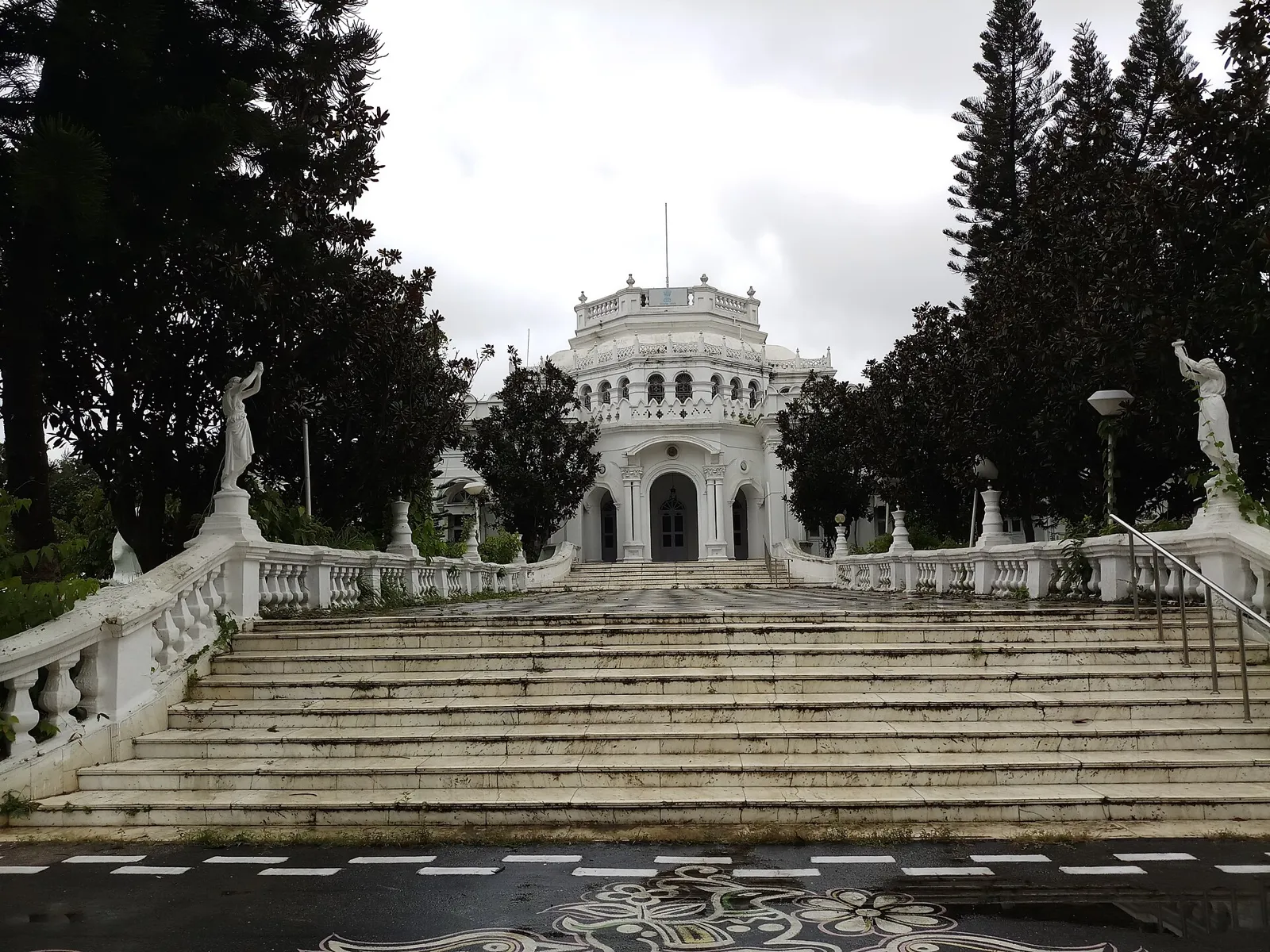
Pushbanta Palace, near Taranagar

City guide · Tripura

Taranagar

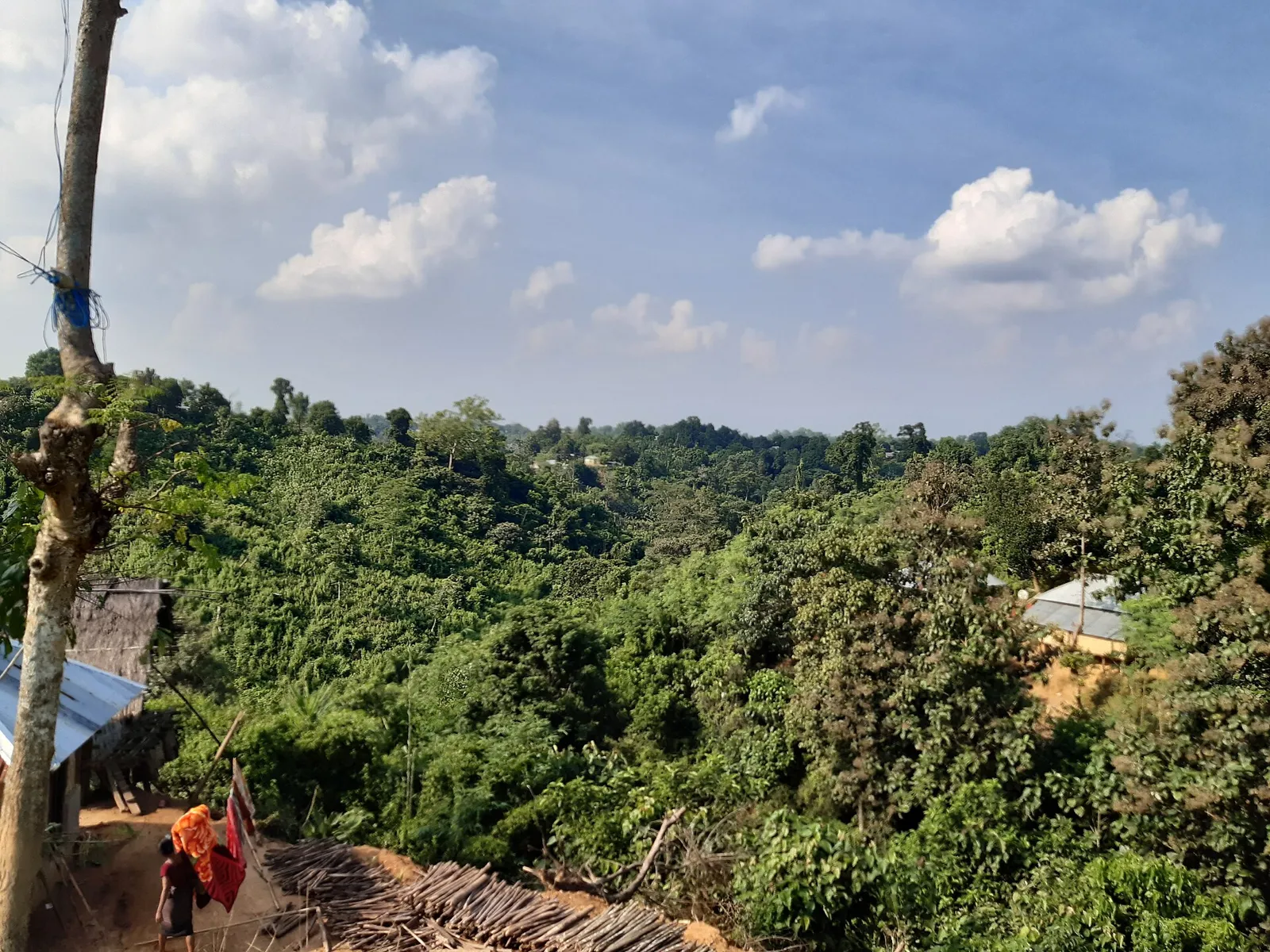
Taranagar is a small settlement in Tripura, better understood as part of the state’s rural landscape than as a major urban destination. Its importance is local: homes, farms, community life and everyday services connect residents with nearby towns and the larger Agartala region.

Famous for

  • Rural Tripura life
  • Tripuri cultural traditions
  • Agartala hinterland
  • Regional agricultural produce

Why Taranagar matters

Taranagar is a small settlement in Tripura, better understood as part of the state’s rural landscape than as a major urban destination. Its importance is local: homes, farms, community life and everyday services connect residents with nearby towns and the larger Agartala region. Visitors are more likely to come for a quiet look at ordinary life in Tripura or to visit people in the area than for a major monument or a dedicated tourist district.

Taranagar does not have a widely established reputation for a single landmark, festival or commercial speciality. Its appeal lies in its setting and in the chance to experience the state beyond its principal towns. Agartala provides access to broader shopping, cultural venues and transport connections, while the settlement offers a slower pace and a rural point of view. Travellers should treat it as a brief stop or base for local visits, rather than expect the visitor infrastructure of a larger city.
Famous for: crafts, trade & products

Taranagar is not widely identified with a particular textile, handicraft, GI-tagged product or large industry. Local commerce is primarily oriented towards residents’ everyday needs and the surrounding rural area; visitors should not expect a specialist craft bazaar or a product market unique to the settlement. Small shops and local trading areas are the practical places to look for daily goods and seasonal produce.

For a wider selection, Agartala is the region’s main shopping centre. Its markets and established shops are better places to look for Tripura handloom, including the risa and rignai garments, as well as bamboo and cane work. Tripura’s GI-recognised products include the Queen pineapple and risa; these are associated with the state, not specifically with Taranagar. Ask sellers about provenance when buying crafts or regional food products. In season, fruit and other farm produce may be available locally, but supply varies. Taranagar is therefore best approached as a place to experience everyday rural life, with Agartala serving as the practical destination for specialised shopping.

History

Its story is best placed within the wider history of Tripura: the region was ruled for centuries by the Manikya dynasty, whose kingdom maintained its own court and administration while coming under British paramountcy during the colonial period. The British did not administer Tripura in the same way as a directly governed province.

After India became independent, the princely state joined the Indian Union in 1949; Tripura became a full state in 1972. In the decades that followed, roads, public services and administrative links expanded across the territory, connecting smaller settlements with towns and Agartala. Taranagar’s present character reflects this wider pattern of rural development and regional connection. There is no established basis for attributing a major royal, colonial or industrial episode specifically to the settlement.

Food, festivals & culture

Daily life in Taranagar reflects Tripura’s varied communities and rural traditions. Bengali and Kokborok are widely used in the state, alongside other languages; the mix heard locally depends on the neighbourhood and household. Tripura’s cultural calendar includes Garia Puja, usually held in spring, and Kharchi Puja, generally observed in summer. Durga Puja in autumn is also celebrated across the state. These are regional traditions, and the scale of observance varies from place to place.

Tripura’s food includes rice-based meals and dishes such as chakhwi, gudok and wahan mosdeng, though recipes and availability differ between communities. Seasonal produce and familiar Bengali-style sweets may also feature in local meals. Hojagiri and Garia dance are among the state’s recognised performance traditions; they are not exclusive to Taranagar, and performances are more likely at organised community events than as scheduled visitor attractions. Local temples and other places of worship serve residents; visitors should ask locally about customary etiquette and any community events open to guests.

Visiting the city

The cooler, drier months from about October to March are generally the most comfortable time to visit. Monsoon rain can make rural journeys less convenient. Maharaja Bir Bikram Airport and Agartala railway station, both in Agartala, are the principal transport gateways for visitors approaching from outside Tripura. From Agartala, continue by road; local shared vehicles, taxis and other road transport may be available, but arrangements are best checked on arrival.

Taranagar is a small settlement rather than a place with a formal sightseeing circuit. Explore its village centre and nearby countryside respectfully, and ask residents before photographing people or private property. Agartala is the practical choice for larger markets, museums and cultural stops. Allow extra time for road travel and confirm local connections before setting out.

Trips from the city

Nearest places to visit from Taranagar

Our closest destination guides, by straight-line distance.

Pushbanta Palace

16 km away · West Tripura district

Pushbanta Palace

Pushbanta Palace, also called Kunjaban Palace, is a former royal residence in Tripura. Its royal past and development as a national-level cultural museum make it a point of interest.

Agartala

17 km away · West Tripura district

Agartala

Agartala is Tripura’s capital and largest city, beside the Haora (Saidra) River and close to Bangladesh. Visitors come to the state’s principal city for its administrative role and borderland setting.

Ujjayanta Palace

17 km away · West Tripura district

Ujjayanta Palace

Ujjayanta Palace, in West Tripura district, is Tripura’s state museum and the former royal residence of the princely state. Visitors explore displays on Northeast India’s communities and the Manikya dynasty.

Khowai

26 km away · Khowai district

Khowai

Khowai is a municipal town in Tripura’s Khowai district. Its setting beside the Khowai River and its northern boundary with Bangladesh are notable features for visitors to the area.

Kamalasagar

32 km away · Sipahijala district

Kamalasagar

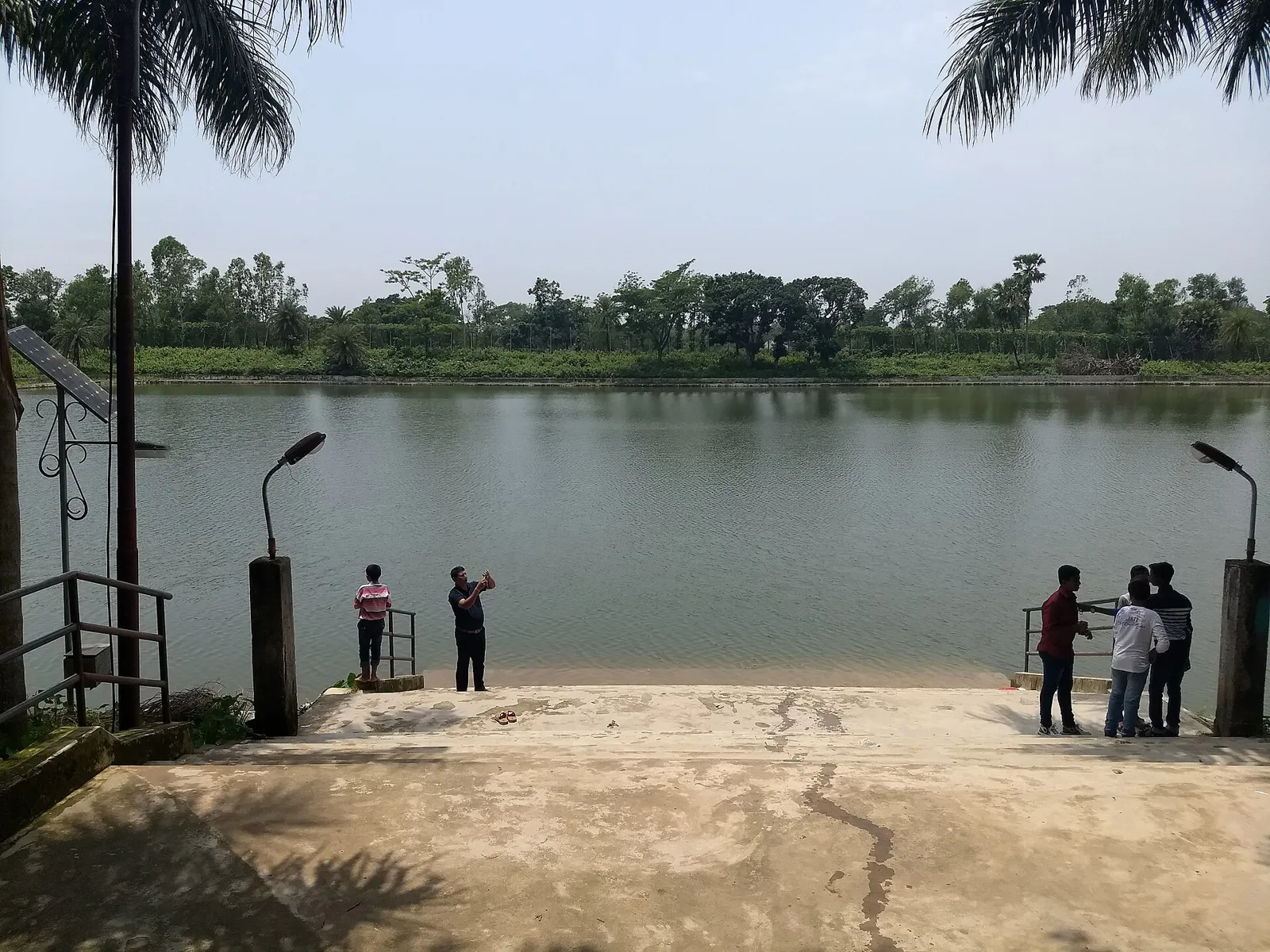
Kamalasagar is a man-made lake in Tripura’s Sipahijala district, built under King Dhanya Manikya in the 15th century. Visitors come for picnics and the October Navaratri mela.

34 km away · Gomati district

Gumti Wildlife Sanctuary

Gumti Wildlife Sanctuary is a wildlife refuge in southern Tripura’s Gomati district. Visitors come to encounter the wildlife that gives the sanctuary its character.

Sepahijala Wildlife Sanctuary

34 km away · Sipahijala district

Sepahijala Wildlife Sanctuary

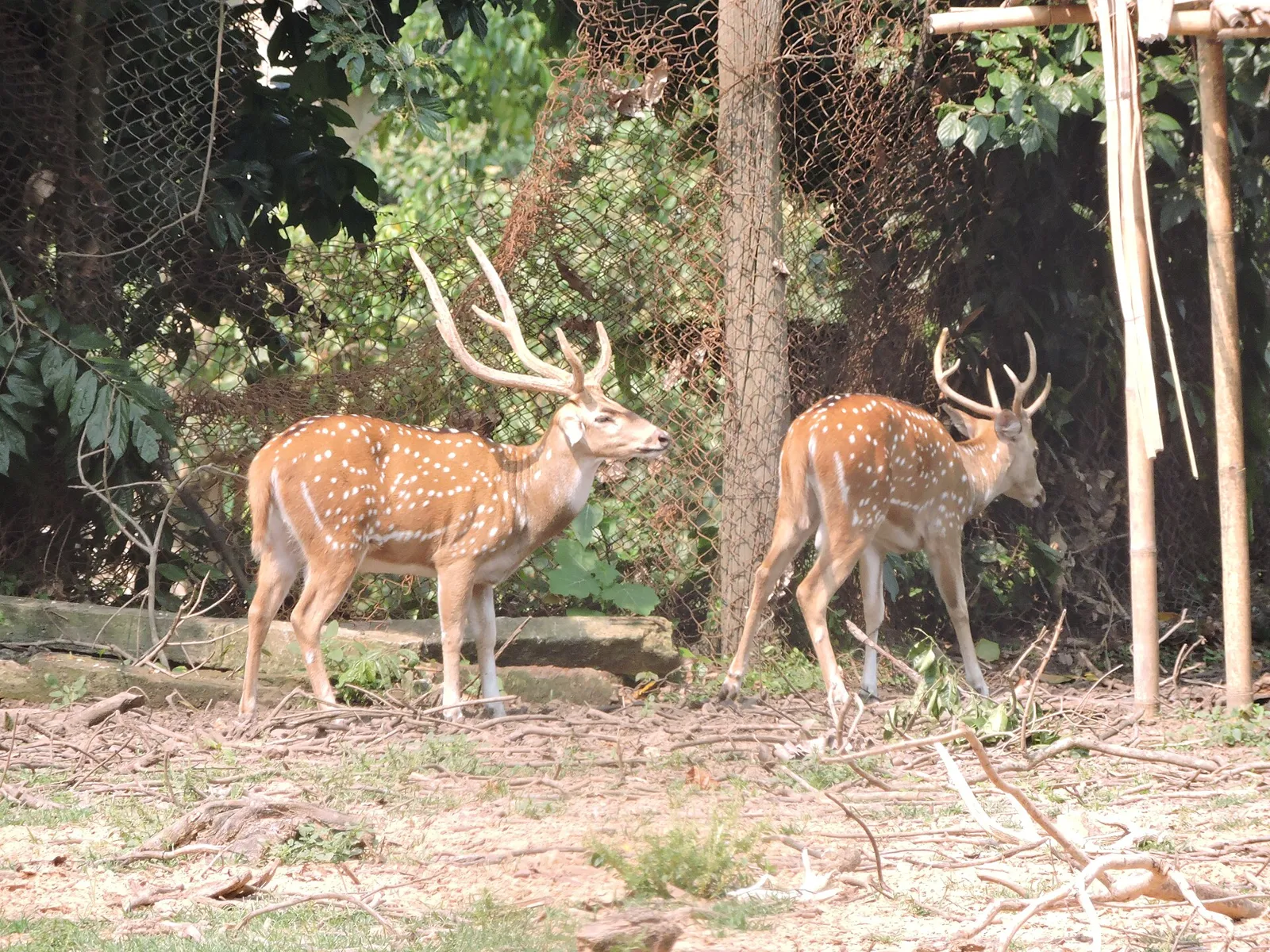
Sepahijala Wildlife Sanctuary is a wildlife sanctuary in Tripura, India, associated with Sipahijala and West Tripura districts. Visitors come to experience it as a destination centred on wildlife.

Boxanagar Ruins

44 km away · Sipahijala district

Boxanagar Ruins

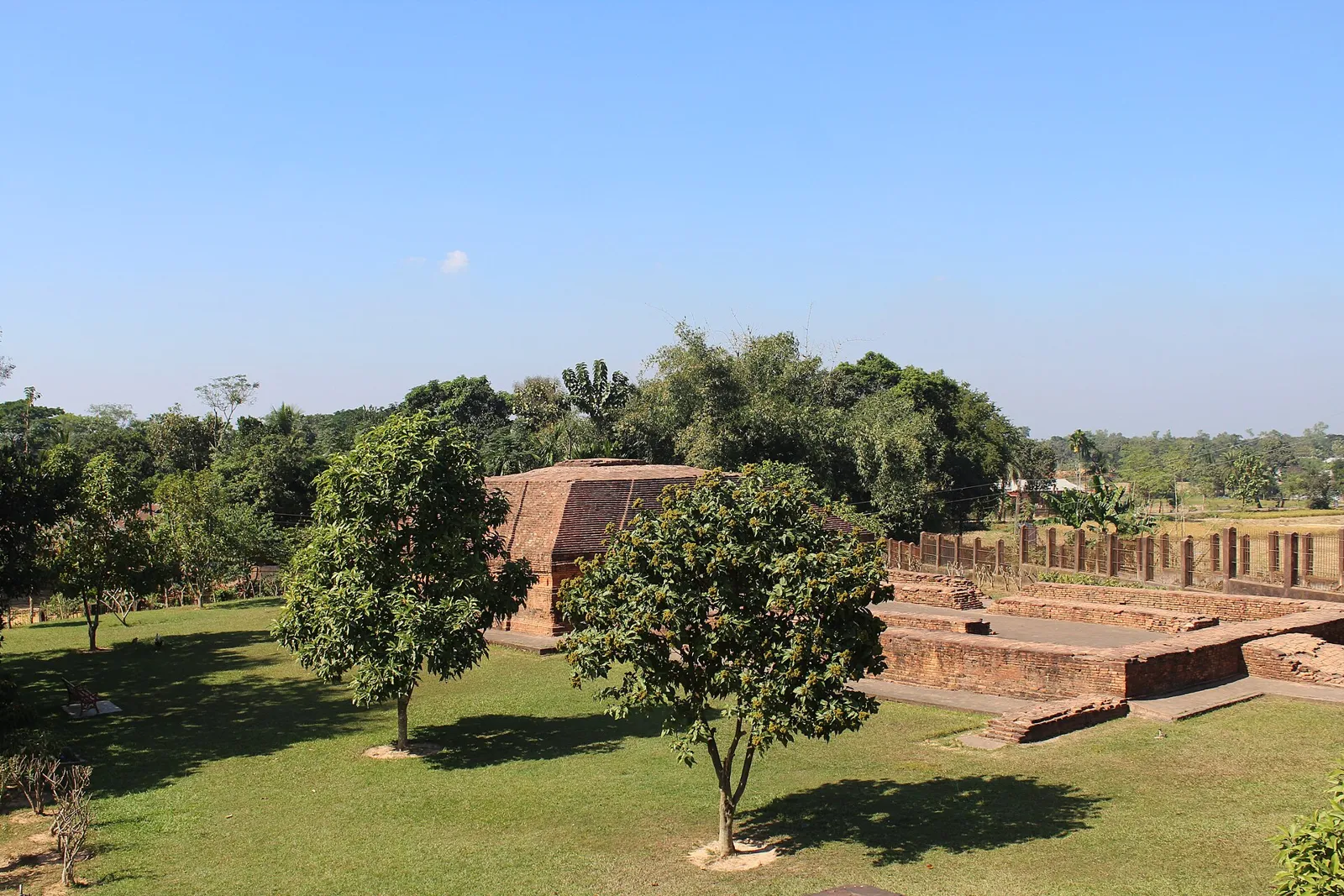
Boxanagar Ruins is a Buddhist archaeological site in Tripura, recognised as a Monument of National Importance. Visitors come to view the remains and explore the site’s Buddhist heritage.

Map

Taranagar on the map

  1. 1Pushbanta Palace
  2. 2Agartala
  3. 3Ujjayanta Palace
  4. 4Khowai
  5. 5Kamalasagar
  6. 6Gumti Wildlife Sanctuary
  7. 7Sepahijala Wildlife Sanctuary
  8. 8Boxanagar Ruins

Tripura

Other cities to explore