Ghumoopedia — Explore, Discover, Experience
Sign in
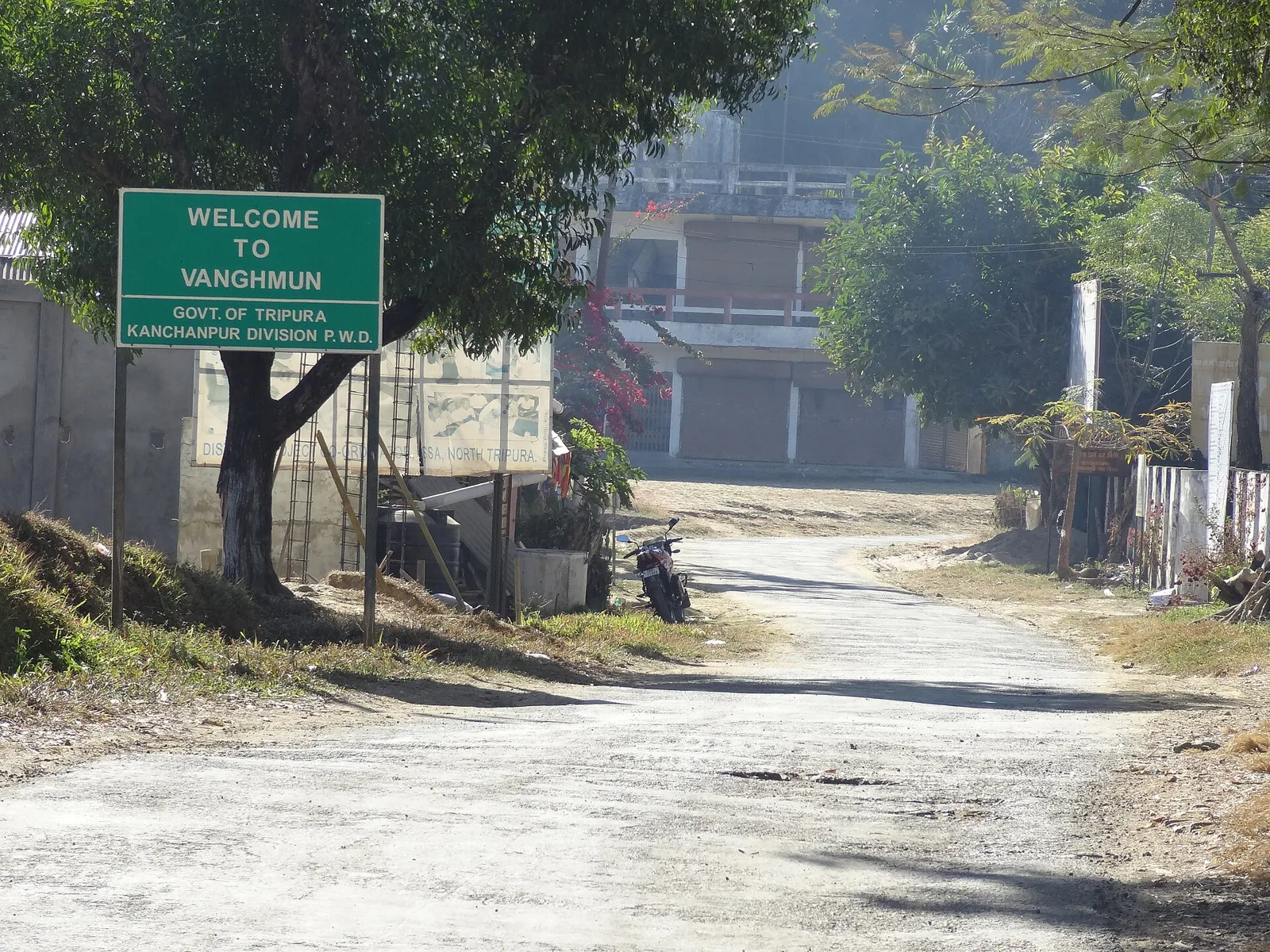
Khowai, near Kamalpur

City guide · Tripura

Kamalpur

Kamalpur is an established town in Dhalai district in northern Tripura, about 93 kilometres from Agartala. As a local administrative and service centre, it serves residents of nearby settlements and travellers moving through this part of the state.

Famous for

  • Dhalai River setting
  • Tripura–Bangladesh border region
  • Gateway to Dhalai
  • Tripuri handloom traditions
  • Kokborok and Bengali culture

Why Kamalpur matters

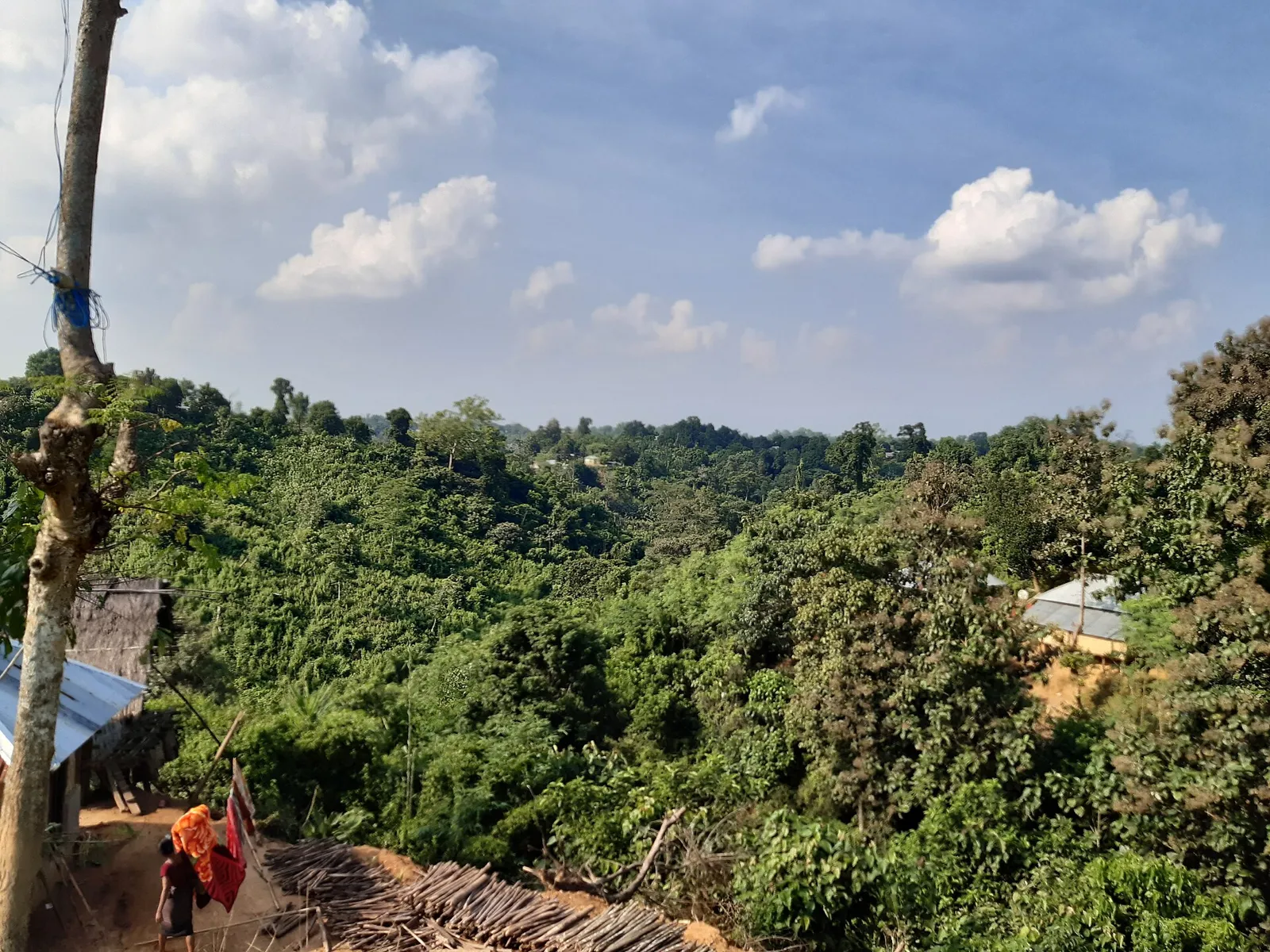
Kamalpur is an established town in Dhalai district in northern Tripura, about 93 kilometres from Agartala. As a local administrative and service centre, it serves residents of nearby settlements and travellers moving through this part of the state. Its setting gives the town much of its character: the Dhalai River runs nearby, while the Atharamura and Longtorai hill ranges frame the surrounding landscape. The international border with Bangladesh is also part of the wider area, though border access is not the same as a visitor attraction and crossing requires authorised arrangements.

Visitors come chiefly to experience a quieter, less urban part of Tripura and to use Kamalpur as a base for local journeys. The town is not widely associated with a major monument, a specialised craft district or a nationally known food. Its appeal lies instead in its river-and-hill surroundings, everyday market life and the meeting of Bengali and Indigenous Tripuri traditions. For broader sightseeing, visitors may need to plan excursions beyond the town and check local conditions before travelling.
Famous for: crafts, trade & products

Kamalpur is principally known as a local market and service town rather than as a centre for a signature textile, handicraft or manufacturing industry. Its bazaar is the practical place to look for everyday goods, seasonal produce and locally used household items. Tripura’s handloom traditions, including woven risa and rignai garments, are part of the wider cultural setting; availability in Kamalpur varies, so visitors seeking particular pieces should ask locally rather than expect a dedicated craft market. Bamboo and cane work are also found across the state, but Kamalpur is not especially documented as a specialist production centre.

Tripura Queen Pineapple, which has GI recognition, is associated with the state and may be encountered seasonally in regional markets, but it should not be treated as a Kamalpur-only product. The town’s shops mainly serve local needs, and there is no established visitor shopping quarter for branded crafts or factory goods. For a wider selection of Tripura textiles and state-associated products, travellers may find more options in larger centres such as Agartala.

History

Kamalpur’s early settlement history and founding date are not clearly established in widely available accounts. Its development is best understood through its position in the northern part of Tripura, near the Dhalai River and the present international boundary. Before modern state administration, Tripura was ruled by the Manikya dynasty as a princely state under British paramountcy; it was not simply a town within British-administered Bengal. The kingdom joined the Indian Union in 1949, and Tripura became a full state in 1972.

In modern times, Kamalpur grew as an administrative and trading centre serving surrounding communities. The formation of Dhalai district in 1995 strengthened the role of towns across the district, while roads and public services connected Kamalpur more closely with other parts of Tripura. Its present character remains that of a regional town rather than a large industrial or heritage-tourism centre. The river, nearby hills and border geography continue to shape its connections and local identity.

Food, festivals & culture

Food in Kamalpur reflects the wider mix of Tripura’s Bengali and Indigenous Tripuri communities. Rice is a staple, commonly eaten with fish, vegetables and seasonal greens. Tripuri cooking may include fermented fish known as berma, bamboo shoot and preparations such as chakhwi; recipes and tastes vary between households. Bengali-style fish dishes and sweets are also part of everyday food culture. Visitors will generally find familiar meals in local eateries, while distinctive home-style dishes may require asking residents or arranging a meal in advance.

Bengali and Kokborok are important languages in the area, alongside Hindi and other languages used in public life. Durga Puja is observed in the autumn, while Garia Puja, usually held in spring, is an important Tripuri festival; other religious and community celebrations take place through the year. Tripura’s Garia and Hojagiri dances and its folk music belong to the wider cultural landscape, though performances are generally tied to festivals or organised events rather than scheduled tourist shows. Hindu temples and local places of worship serve neighbourhood communities, and visitors should dress and behave respectfully.

Visiting the city

The cooler, drier months from roughly October to February are generally the most comfortable for visiting. Summers are hot and humid, and the extended rainy season can make road journeys slower; rain can also occur in March and April. The nearest major airport is Maharaja Bir Bikram Airport in Agartala. Ambassa railway station is a practical rail gateway for Dhalai district, with the onward journey to Kamalpur made by road; check current connections before setting out.

Road travel is the main way to reach and explore the town. Local shared vehicles and taxis may be available, but services can be less frequent than in larger cities. Within Kamalpur, spend time around the central bazaar and the Dhalai River surroundings. The nearby hill country makes for scenic drives, but confirm road and access conditions locally. Do not assume that the international border is open to visitors; crossing is permitted only through authorised procedures.

Trips from the city

Nearest places to visit from Kamalpur

Our closest destination guides, by straight-line distance.

Khowai

27 km away · Khowai district

Khowai

Khowai is a municipal town in Tripura’s Khowai district. Its setting beside the Khowai River and its northern boundary with Bangladesh are notable features for visitors to the area.

Unakoti

27 km away · Unakoti district

Unakoti

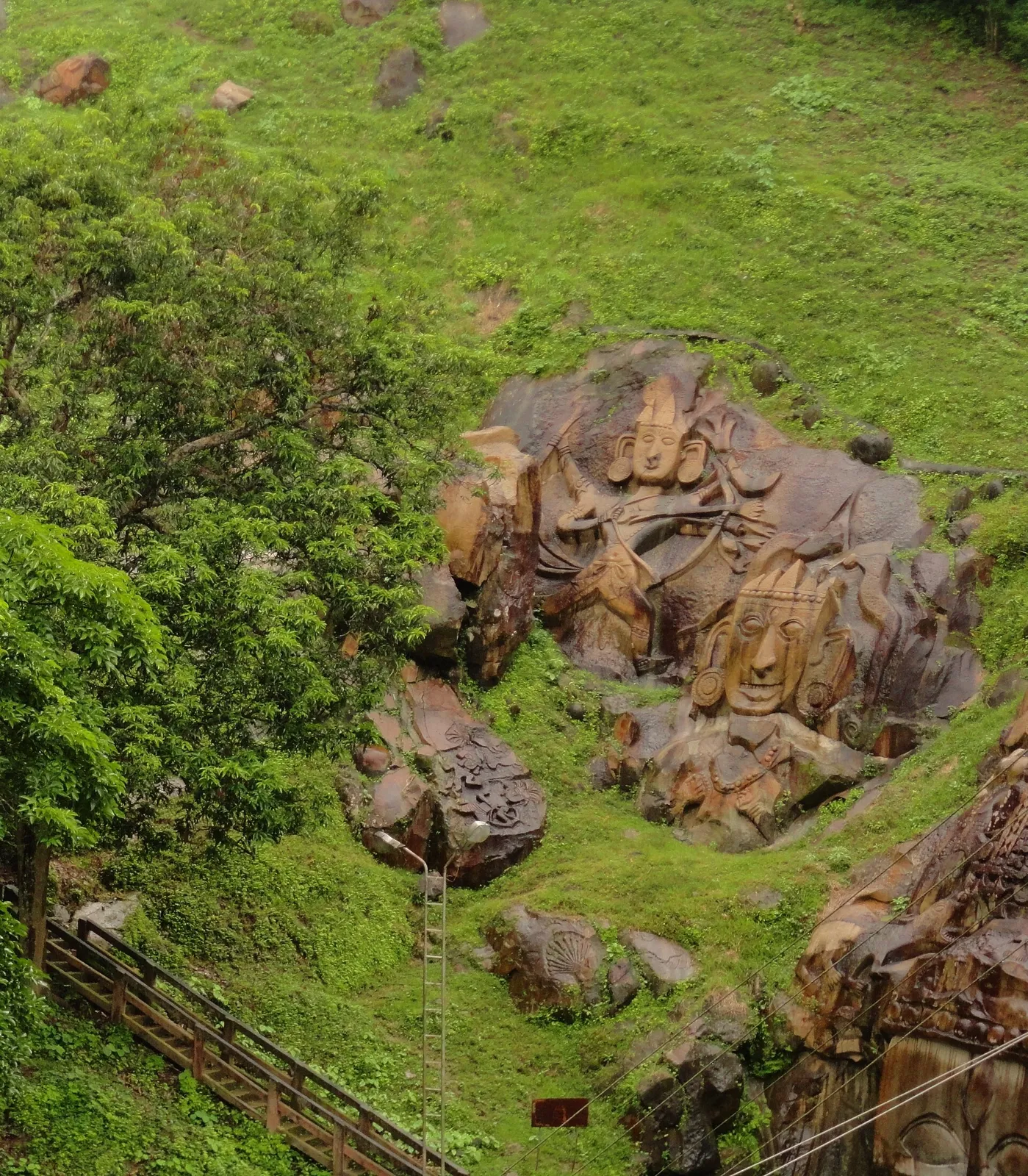
Unakoti is an ancient Shaivite rock-art site in Tripura, known for its carved divine figures and historic inscriptions. Visitors come to see its sculptures and explore its religious and artistic past.

Rowa Wildlife Sanctuary

36 km away · North Tripura district

Rowa Wildlife Sanctuary

Rowa Wildlife Sanctuary is a protected area in Tripura’s North Tripura district, near Panisagar. Visitors come to encounter its wildlife and natural surroundings.

Jampui Hills

52 km away · North Tripura district

Jampui Hills

Jampui Hills is a hill range in Tripura’s North Tripura district, within the Mizo Hills, also known as the Lushai Hills. Visitors come for its elevated hill setting, which averages about 1,000 metres above sea level.

Pushbanta Palace

68 km away · West Tripura district

Pushbanta Palace

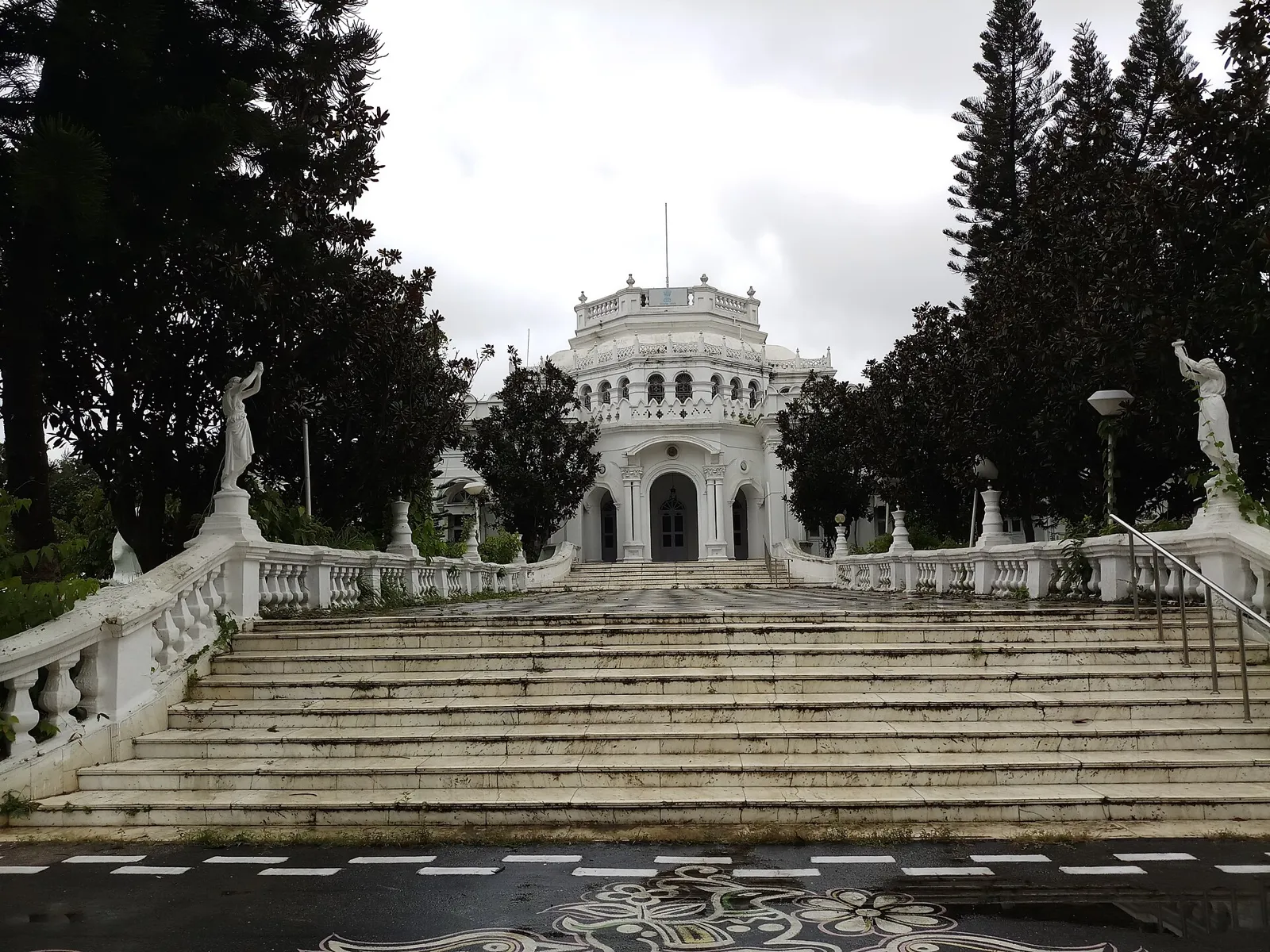
Pushbanta Palace, also called Kunjaban Palace, is a former royal residence in Tripura. Its royal past and development as a national-level cultural museum make it a point of interest.

Agartala

69 km away · West Tripura district

Agartala

Agartala is Tripura’s capital and largest city, beside the Haora (Saidra) River and close to Bangladesh. Visitors come to the state’s principal city for its administrative role and borderland setting.

Ujjayanta Palace

69 km away · West Tripura district

Ujjayanta Palace

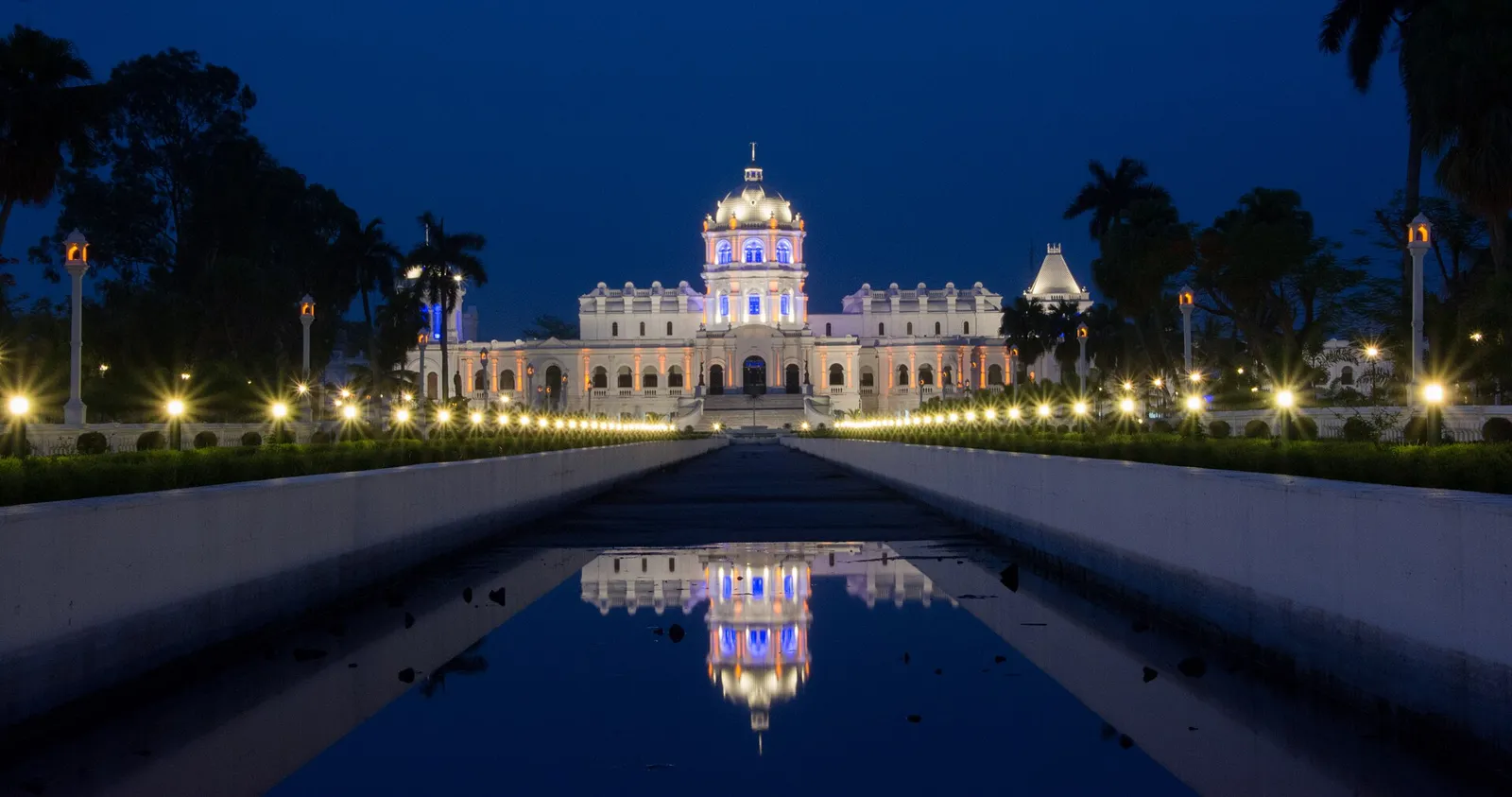
Ujjayanta Palace, in West Tripura district, is Tripura’s state museum and the former royal residence of the princely state. Visitors explore displays on Northeast India’s communities and the Manikya dynasty.

79 km away · Gomati district

Gumti Wildlife Sanctuary

Gumti Wildlife Sanctuary is a wildlife refuge in southern Tripura’s Gomati district. Visitors come to encounter the wildlife that gives the sanctuary its character.

Map

Kamalpur on the map

  1. 1Khowai
  2. 2Unakoti
  3. 3Rowa Wildlife Sanctuary
  4. 4Jampui Hills
  5. 5Pushbanta Palace
  6. 6Agartala
  7. 7Ujjayanta Palace
  8. 8Gumti Wildlife Sanctuary

Tripura

Other cities to explore