
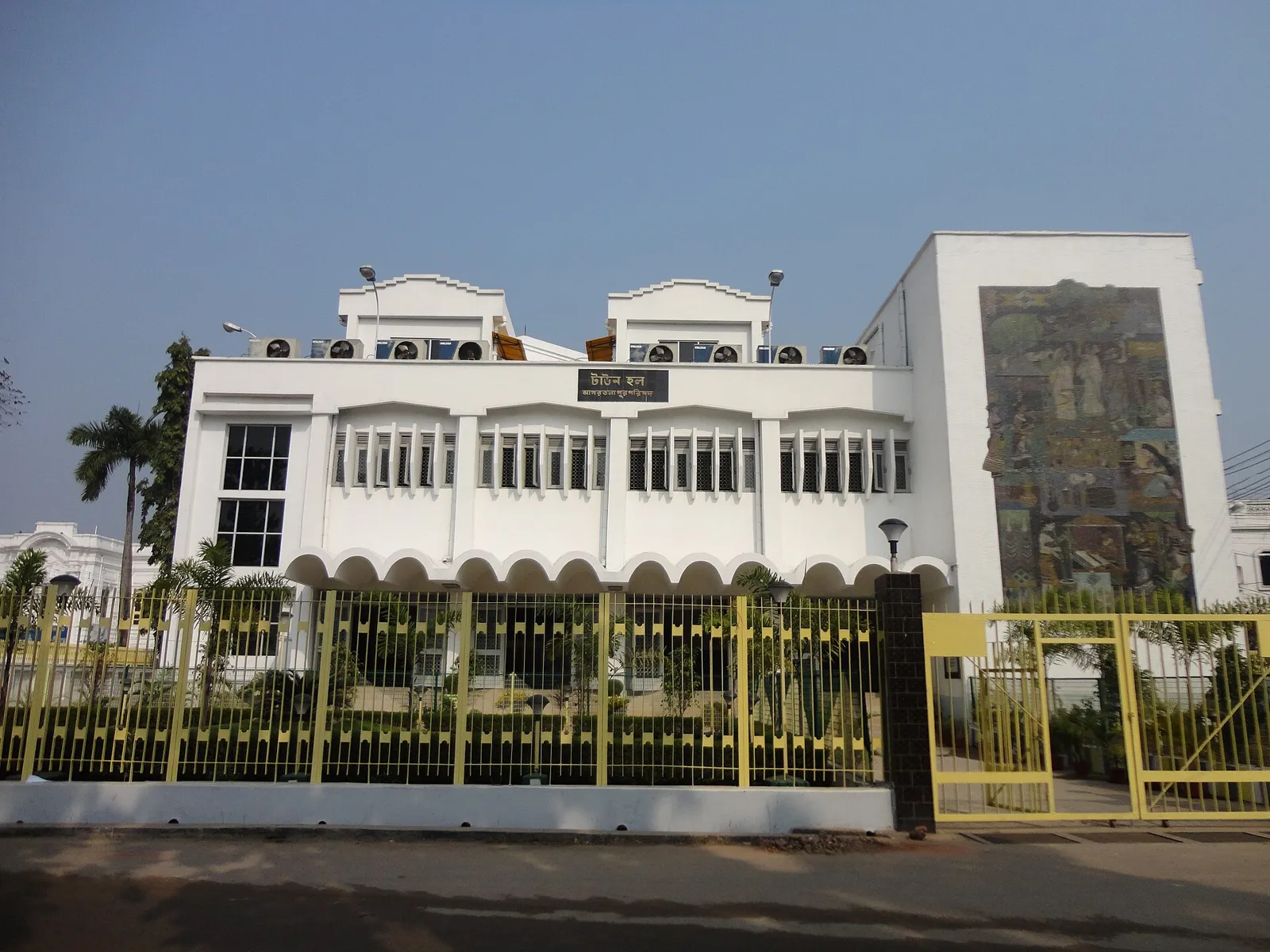
Agartala
Agartala is Tripura’s capital and largest city, beside the Haora (Saidra) River and close to Bangladesh. Visitors come to the state’s principal city for its administrative role and borderland setting.
Key facts · verified by Ghumoopedia editors
- Type of place
- Natural attraction
- Best time to visit
- October to March
- Nearest railway station
- Agartala · about 5 km (straight line)
- Verified
- 21 Nov 2026
Plan a trip from Agartala — a day-by-day route through places nearby.
Agartala lies in West Tripura district and serves as Tripura’s capital. It is the state’s largest city, situated along the Haora River, also called the Saidra. The Bangladesh border is about two kilometres west of the city, while New Delhi is roughly 2,499 kilometres away. Agartala Municipal Corporation figures for 2022 put it behind Guwahati in the Northeast’s city population ranking. Agartala is the country’s third gateway for international internet traffic. The city is also being developed through the Smart Cities Mission. Tripura combines royal Manikya heritage, nineteen indigenous communities and a large Bengali-speaking population. Tripura is warm and humid for much of the year, with heavy rain from June to September and pleasant winters. The usual best time to visit is October to March. Days are short in Northeast India: the sun can set before 5 pm in winter, so plan to reach and leave Agartala in daylight. Timings, fees and access arrangements must be confirmed locally. For official information, see Tripura Tourism at https://tripuratourism.gov.in.
Why it matters
Agartala is the capital and largest city of Tripura, in West Tripura district, on the Haora, also called Saidra, River. It serves as the state’s principal centre for administration, education, commerce and transport, and is a useful base for exploring Tripura. The city reflects the state’s mix of Manikya royal heritage, Indigenous communities and Bengali-speaking residents. According to the existing guide’s cited 2022 Agartala Municipal Corporation data, it is the second most populous city in Northeast India after Guwahati. Agartala is also being developed under India’s Smart Cities Mission. The city itself is not a designated natural reserve; its river and surrounding green spaces form part of its urban setting.
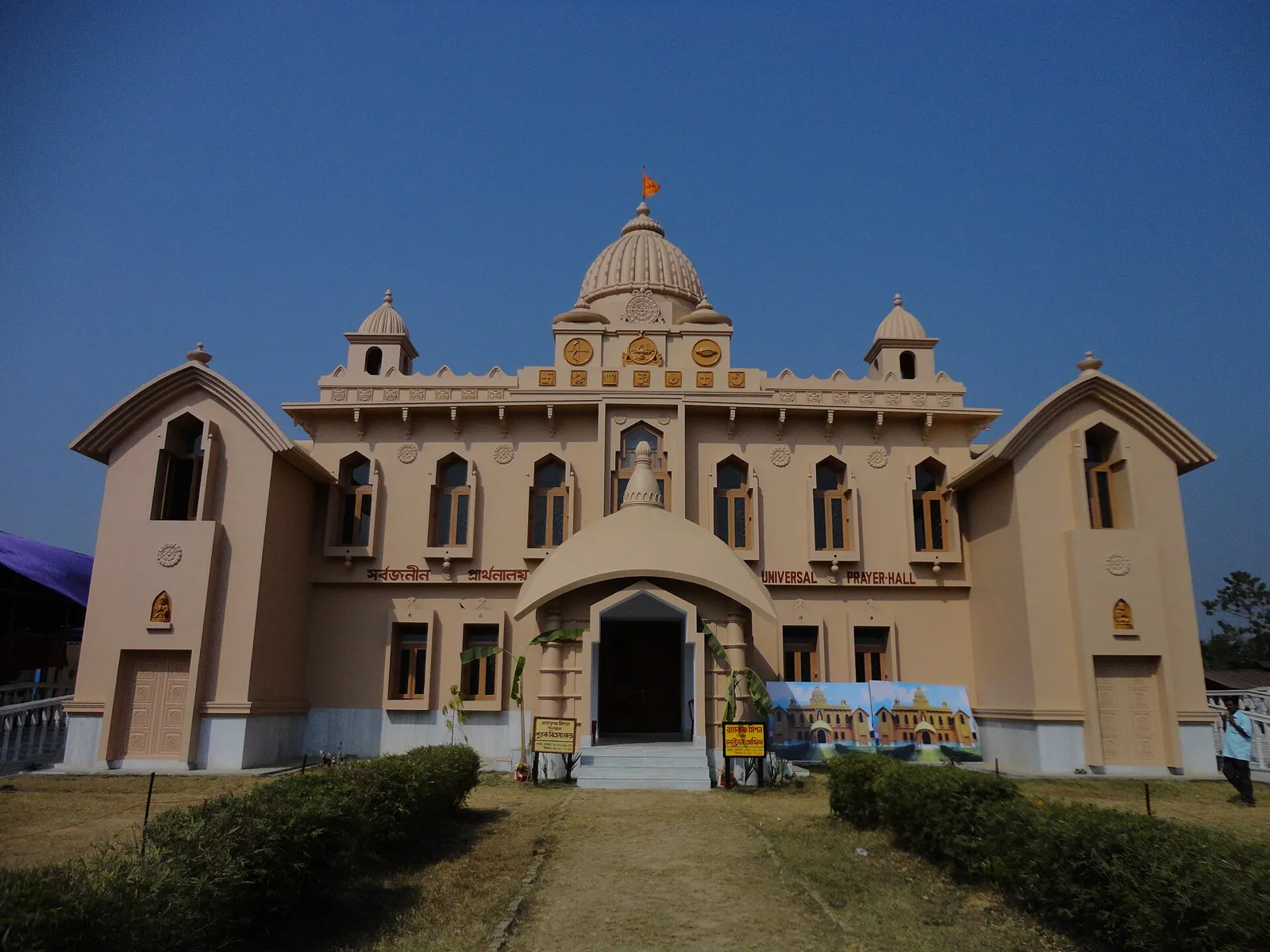
Agartala’s history is closely linked to the Manikya dynasty, which ruled the former princely state of Tripura. The royal seat shifted over time, and the settlement that became present-day Agartala developed as the state’s capital during the nineteenth century. Maharaja Krishna Kishore Manikya is associated with establishing the capital at Agartala, while later rulers shaped its civic and ceremonial character. The Ujjayanta Palace, built for Maharaja Radha Kishore Manikya around the turn of the twentieth century, is a prominent reminder of this period; it now houses the state museum. The city’s growth was also influenced by its position near the border with what is now Bangladesh and its role as an administrative and trading centre. After the princely state joined the Indian Union in 1949, Agartala continued as the capital of Tripura. It expanded as public institutions, roads and neighbourhoods developed. Modern urban growth has transformed much of the surrounding landscape, although the Haora River remains an important geographic feature. For detailed accounts of individual buildings and local heritage, consult the relevant museum or site authority.
Origin stories & folklore
Local traditions connect Tripura’s history with royal lineages, dynastic stories and places associated with Hindu deities. Such accounts are part of a wider regional heritage rather than a single, verified legend explaining Agartala’s origin. Explanations of the name “Agartala” vary in popular accounts, and visitors should treat proposed meanings as interpretations unless supported by a reliable historical source. Stories heard at temples or community sites may have particular significance to local worshippers. Ask respectfully before requesting details, and do not assume that every tradition is intended for public retelling. The city is a living place, so beliefs and oral histories may differ between families and communities.
Use Agartala as a base to understand local life: walk through the market area, visit community-run attractions and ask your host about nearby viewpoints and short excursions. Always ask before photographing people, homes or ceremonies. A comfortable itinerary is one main visit in the morning, a local meal at midday and a short nearby stop before an afternoon return. Use the district list on this site to find other places in West Tripura, but check the actual road route and its condition before combining stops. If a festival is on, local roads and stays can be busy — and the experience can be unforgettable. Leave no litter: many sites in Tripura are protected by the communities who own them.
Suggested itineraries
Half day: Walk through a central market area (about 1–2 hours), visit Ujjayanta Palace and its museum (about 1–2 hours), then pause for a local meal. Full day: Visit Ujjayanta Palace and the museum (about 2 hours), explore a nearby temple or Heritage Park (about 1–2 hours), have lunch, then take a relaxed market walk or make a locally checked excursion beyond the city (about 2–3 hours). Gentler option: Choose one central attraction with seating, use a taxi between stops, and keep the visit to a short market stroll and meal.
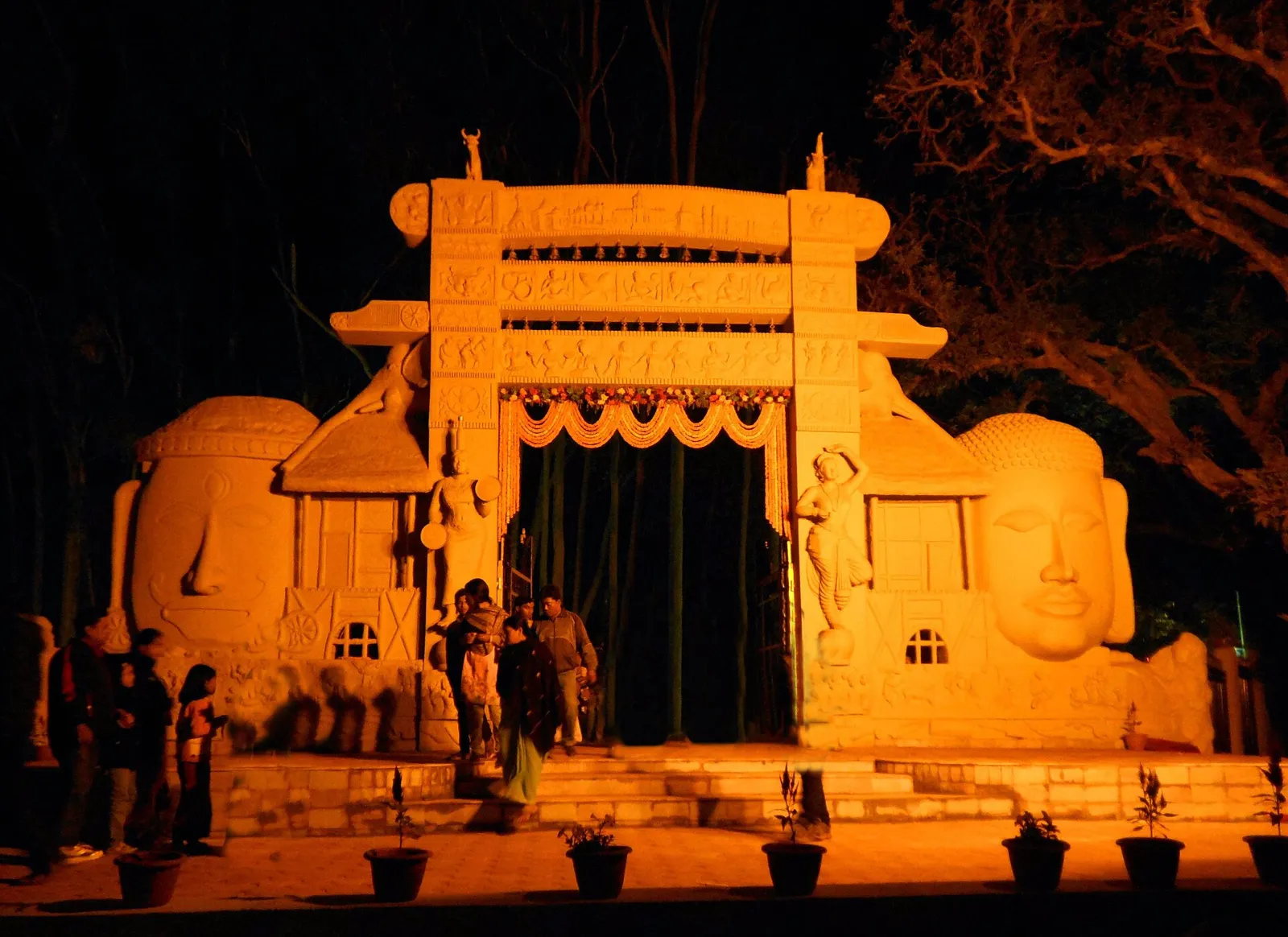
Agartala’s everyday culture brings together Bengali-speaking residents and people from Tripura’s Indigenous communities. Bengali is widely used in public life, alongside Kokborok and other community languages. Markets, neighbourhood temples, mosques and cultural venues offer glimpses of daily life, while music and dance traditions vary across communities. Visitors may encounter Bengali cultural forms as well as Indigenous performance traditions, including dances presented at public events. Dress is diverse; traditional attire may be worn for ceremonies and festivals, while ordinary city life is generally informal. Remove shoes where requested at a place of worship, seek permission before photographing people, and follow local guidance during ceremonies.
Local communities
Agartala is home to Bengali-speaking residents and people from Tripura’s Indigenous communities, including Kokborok-speaking Tripuri groups and other communities from across the state. The city’s institutions, markets and neighbourhoods bring together people with varied languages, faiths and customs. Livelihoods include government and service-sector work, education, retail, transport, crafts and small businesses; many residents also maintain family and cultural connections beyond the city. Community identities are not interchangeable, and customs differ between groups and households. Ask before photographing people, homes or ceremonies, and approach community-run attractions according to their hosts’ guidance.
Festivals & events
Durga Puja, usually celebrated in autumn, is a major public festival in Agartala, with decorated pandals and increased activity around the city. Visitors may also encounter celebrations of Kali Puja, Diwali and other religious occasions, as well as events marking Tripura’s Indigenous cultural traditions. Garia Puja, associated particularly with Tripuri communities, is observed in spring; public programmes and celebrations can vary by locality. Festival arrangements and dates change from year to year. Roads, markets and accommodation may be busier during major celebrations, so allow extra time, follow local directions and ask before photographing worship or ritual activity.
Local food in Tripura includes mui borok (berma fermented fish dishes), wahan mosdeng (pork with chilli), chakhwi stew and Bengali-style fish curries. Ask what is fresh that day; many small eateries cook a limited daily menu. Pork, beef, fish and fermented ingredients are common in tribal cuisines, so vegetarian travellers should explain their needs clearly — rice, dal, vegetables and eggs are usually possible in towns. Remote sites may have no restaurant at all. Carry water and snacks, eat a proper breakfast before long drives, and ask your accommodation for a packed lunch if you are heading out early. Try a homestay-cooked meal when you can — it is often the best local food. Choose busy, clean places and carry your packaging back to town.
Shopping & local experiences
Agartala’s markets are good places to look for everyday goods, regional snacks and locally made souvenirs. Tripura is known for bamboo and cane work and handloom textiles; ask sellers about the maker and origin of an item rather than assuming every product is locally produced. Visitors may also find woven garments and crafts associated with the state’s different communities. Food stalls and local eateries offer a way to sample Bengali and Tripuri cooking, with dishes and ingredients varying by establishment. Shop respectfully, ask before photographing vendors or stalls, and avoid buying items made from protected wildlife or plants.
Agartala occupies a low-lying, humid landscape shaped in part by the Haora, or Saidra, River. Much of the city is built-up, but neighbourhood gardens, roadside trees and planted public spaces provide patches of greenery. The surrounding Tripura landscape includes wet-season vegetation, ponds and agricultural areas, with more extensive forest and wildlife habitats beyond the urban centre. Monsoon rains, generally heaviest from June to September, can affect local water levels and travel conditions; winters are comparatively pleasant. Common urban birds may be seen in trees and open spaces, but wildlife sightings are never assured. Treat riverbanks and natural areas carefully, avoid littering, and check locally whether access is suitable after heavy rain.
October to March
The nearest principal railway station by straight-line distance is Agartala, roughly 5 km away. The nearest operating airport by straight-line distance is Maharaja Bir Bikram Airport, Agartala, roughly 10 km away. These figures are calculated from map coordinates, so actual road distance and travel time are longer. Guwahati is the main rail and air hub for the region, and most long-distance journeys connect through it. For the final leg, Tripura Road Transport Corporation (TRTC) and private buses link district towns; shared taxis usually leave early in the morning and depart only when full. A private taxi gives more flexibility for remote sites. When comparing train, bus and flight, count the complete door-to-door time: a flight saves the most time only if the onward road transfer is short, while an overnight train to Guwahati plus a road journey can save a hotel night. Book your return before you leave, because seats on shared vehicles and the few daily flights fill quickly. Current train numbers, timings, return services and fares are not listed here; check IRCTC and NTES for trains and the airline’s own schedule for flights. No Inner Line Permit is needed to visit Tripura. Some sites near the international border may have restricted hours, and sanctuaries charge entry fees.
Confirm onward and return timings on IRCTC / NTES, the state bus operator or your airline before travel. A dash means current timings or fares have not been verified.
Getting around
Autos, taxis and local buses are common ways to move around Agartala; availability and routes can vary by neighbourhood. Taxis are useful for combining several stops, while autos can suit shorter city journeys. Walking may work for compact areas, but pavements and road conditions are not uniform, so take care in traffic. Ask your accommodation or a local information point about the best approach to your specific destination. Parking may be available near larger attractions but is not guaranteed, especially during festivals. Do not assume that boats operate on the Haora River; check locally before planning any river activity.
Hours, tickets & permissions
Agartala is a city rather than a single gated attraction, so access rules depend on the place you plan to visit. Museums, temples, gardens and other managed sites may have their own entry procedures, ticketing, photography restrictions or rules for visitors. Some religious or community spaces may ask visitors to dress respectfully, remove footwear or avoid photographing particular activities. Carry identification if a site requests it, and follow notices and staff instructions. Confirm current opening arrangements, entry requirements and fees directly with the managing authority before setting out.
Facilities
Facilities depend on the attraction. Larger museums and public sites usually have staff or an entry point, and some have toilets, seating or nearby parking; provision may be limited at smaller temples and neighbourhood spaces. Food, shops, pharmacies and ATMs are available in the city, though not necessarily beside every attraction. Carry drinking water, especially when walking between stops, and check locally where refill points are available. Guided visits may be offered at some managed sites, but should not be assumed. Confirm facilities and access arrangements with the site or your accommodation before travelling.
Accessibility
Agartala’s streets and attractions vary considerably in surface, slope and upkeep. Central areas may involve uneven pavements, road crossings and traffic, while museums or gardens can require walking between buildings or across open grounds. Steps may be present, and wheelchair access, ramps, lifts and accessible toilets cannot be assumed; contact the specific site in advance. Strollers may be manageable in some paved areas but difficult on uneven routes. Older visitors or anyone with limited mobility may find it easier to use a taxi between stops, choose one main attraction, take breaks and avoid midday heat or heavy rain.
No Inner Line Permit is needed to visit Tripura. Some sites near the international border may have restricted hours, and sanctuaries charge entry fees. Carry a photo ID at all times; checkpoints are common. Save the emergency number 112 and your accommodation’s contact offline. Heat, humidity and sudden downpours are the main weather risks; carry water and rain protection. Respect community rules, private property and posted instructions. Avoid long road journeys after dark and during heavy rain. Check official advisories for the region before travel, and follow local guidance if access changes.
Photography
Soft morning or late-afternoon light can suit river views, gardens and historic streets, though the best viewpoint depends on access and weather. Photography rules differ between museums, temples and other managed sites; check notices or ask staff before taking pictures indoors. Always seek permission before photographing people, homes, ceremonies or community activities, and respect any request not to take a picture. Drone use may require permissions and may be restricted near public institutions, religious sites or sensitive locations; verify current rules with the relevant authority before flying.
Choose a stay by the full journey to Agartala, not just the district name. Main towns in West Tripura usually offer hotels, state tourism lodges and homestays with better transport, meals and medical access, while village homestays offer a closer connection to local life. In the plains and valleys, check fans or air-conditioning and mosquito nets in summer. Book in advance for weekends, festival dates and the peak season (October to March). Confirm the exact location, meals included, check-in time and cancellation terms in writing. Many homestays accept payment on arrival; avoid sending money to unverified contacts. Mobile network and digital payments can be unreliable in remote areas, so carry some cash.
Within Agartala, visitors can combine a city visit with Ujjayanta Palace and the Tripura Government Museum, which is housed in the palace, or explore Heritage Park and prominent places of worship such as Jagannath Temple. The Chaturdash Devta Temple is in Old Agartala, outside the central city. For a longer outing, Sepahijala Wildlife Sanctuary is in nearby Sepahijala district, while Neermahal at Melaghar is another regional excursion. These are not all in West Tripura district, and road conditions and journey times vary; check routes locally before combining them in one day.
For couples, Agartala rewards a slow pace: arrive early for soft light and fewer crowds, share a local meal and keep the evening free. Public displays of affection can be frowned upon in conservative communities and at religious sites, so be discreet. A homestay can make the trip memorable — confirm privacy, hot water and transport back. Keep a buffer day in your itinerary, because weather and road closures can delay plans in Tripura.
Q: How much time should I allow for Agartala? A: A half day can cover one or two central attractions; a full day allows time for a meal, markets and a short additional stop. Q: When is the best season to visit? A: October to March is generally the more comfortable season. The monsoon brings heavy rain, especially from June to September. Q: Is there an entry fee for Agartala? A: The city has no single entry fee. Individual museums, gardens or other managed attractions may have separate rules and charges; confirm with each authority. Q: Is Agartala suitable for children and elderly visitors? A: Many city attractions can suit families, but walking surfaces, steps and facilities vary. Choose stops to match mobility needs and check access beforehand. Q: Where should I stay near the attractions? A: Agartala has accommodation options across the city. Choose a location convenient for your planned visits and confirm current facilities and transport arrangements directly.
Be the first to share photos, stories, advice or a helpful contact for Agartala.
Loading…