
Ghumoopedia — Explore, Discover, Experience
Sign in
Kamalasagar, near Manoharpur

City guide · Tripura

Manoharpur

Manoharpur is a small settlement in the Jirania area of West Tripura, rather than a major independent tourist city. Its importance is mainly local: it forms part of the rural and semi-rural landscape around Jirania and is connected to the larger services, markets and transport links of Agartala.

Famous for

  • Rural Tripura setting
  • Bengali–Kokborok cultural mix
  • Nearby Jirania area
  • Access to Agartala
In the city
1
Nearby
1
District
Sipahijala

Why Manoharpur matters

Manoharpur is a small settlement in the Jirania area of West Tripura, rather than a major independent tourist city. Its importance is mainly local: it forms part of the rural and semi-rural landscape around Jirania and is connected to the larger services, markets and transport links of Agartala. Visitors are more likely to pass through for local business or to experience everyday life beyond the state capital than to come for a landmark attraction within Manoharpur itself.

The wider area reflects Tripura’s varied communities and landscapes, with Bengali and Kokborok-speaking residents and green countryside shaped by the state’s monsoon climate. Manoharpur does not have a widely established reputation for a signature monument, craft or commercial speciality, so it is best approached as a quiet local stop. Agartala is the practical base for museums, major temples, markets and accommodation, while Jirania provides a closer point of reference for local travel. The settlement’s appeal lies in its regional setting and in seeing a less urban side of Tripura.
Famous for: crafts, trade & products

Everyday shops serve local needs, but visitors looking for a broad choice of products should plan to shop in Agartala rather than expect a dedicated craft bazaar in the settlement. This distinction matters: products associated with Tripura as a whole are not necessarily made or sold specifically in Manoharpur.

Across the state, handwoven garments such as risa and rignai, along with bamboo and cane work, are among the most recognisable craft traditions. Agartala’s markets and craft outlets are more suitable places to look for these items and to ask about their makers. Tripura-grown Queen Pineapple and the sweet known as Matabari pera are also associated with the state; availability varies by season and seller. For a meaningful purchase, visitors should check the product’s origin and favour locally made goods. Manoharpur is better understood as part of the region’s residential and rural economy than as a destination for shopping or industry.

History

Manoharpur does not have a widely recorded separate urban history. Its past is best understood in the context of Tripura and the settlements around Agartala. For centuries, the region was ruled by the Manikya dynasty, whose court and political centres shaped the kingdom. Agartala became the capital in the nineteenth century, drawing administration and trade toward the area that now anchors West Tripura.

Tripura joined the Indian Union in 1949 and became a full state in 1972. In the decades that followed, improved roads, public services and transport links strengthened connections between smaller settlements and Agartala. Jirania developed as a local service and transport centre for nearby communities, while rural settlements such as Manoharpur continued to rely on surrounding towns for larger markets and institutions. Present-day Manoharpur is therefore better described through its place in this wider regional network than through a distinct sequence of royal, colonial or industrial landmarks.

Food, festivals & culture

Daily life in and around Manoharpur reflects the cultural diversity of Tripura. Bengali and Kokborok are among the languages heard across the region, alongside Hindi and other community languages. Tripura’s food traditions include rice, vegetables, fish and dishes flavoured with herbs or fermented ingredients. Mui borok, the broad name for Tripuri cuisine, includes preparations such as chakhwi and wahan mosdeng; Bengali-style meals and sweets are also common across the state. These are regional traditions, not specialities exclusive to Manoharpur.

Festivals vary by community and locality. Garia Puja is generally celebrated in spring, Kharchi Puja in summer, and Durga Puja in autumn. Hojagiri and Garia dances, as well as community music and drumming, are important parts of Tripura’s cultural life, though performances are usually tied to festivals and organised events rather than regular tourist shows. Hindu temples and local places of worship serve neighbourhood communities; visitors should ask locally about access and festival customs. Agartala offers more opportunities to encounter the state’s cultural institutions and larger public celebrations.

Visiting the city

The cooler, relatively dry months from October to March are generally the most comfortable for visiting. The nearest major airport is Maharaja Bir Bikram Airport in Agartala. Agartala Railway Station is the state capital’s main rail station; Jirania station may be more convenient for some journeys, depending on the precise starting point and connections. Check current road and rail access before travelling.

Local buses and shared vehicles connect settlements in the area with Jirania and Agartala; auto-rickshaws or other local transport may be useful for shorter trips, subject to availability. Manoharpur itself is best explored as a local residential area rather than a sightseeing district. Jirania is a practical nearby stop for everyday services, while Agartala is the better choice for markets, accommodation, museums and major places of worship. Monsoon rain can affect road journeys.

Attractions

Places to visit in Manoharpur

Sights within about 12 km of each other, even when they fall in different districts.

Short trips

Around Manoharpur

Within about 40 km — easy half-day or day trips from the city.

Map

Manoharpur on the map

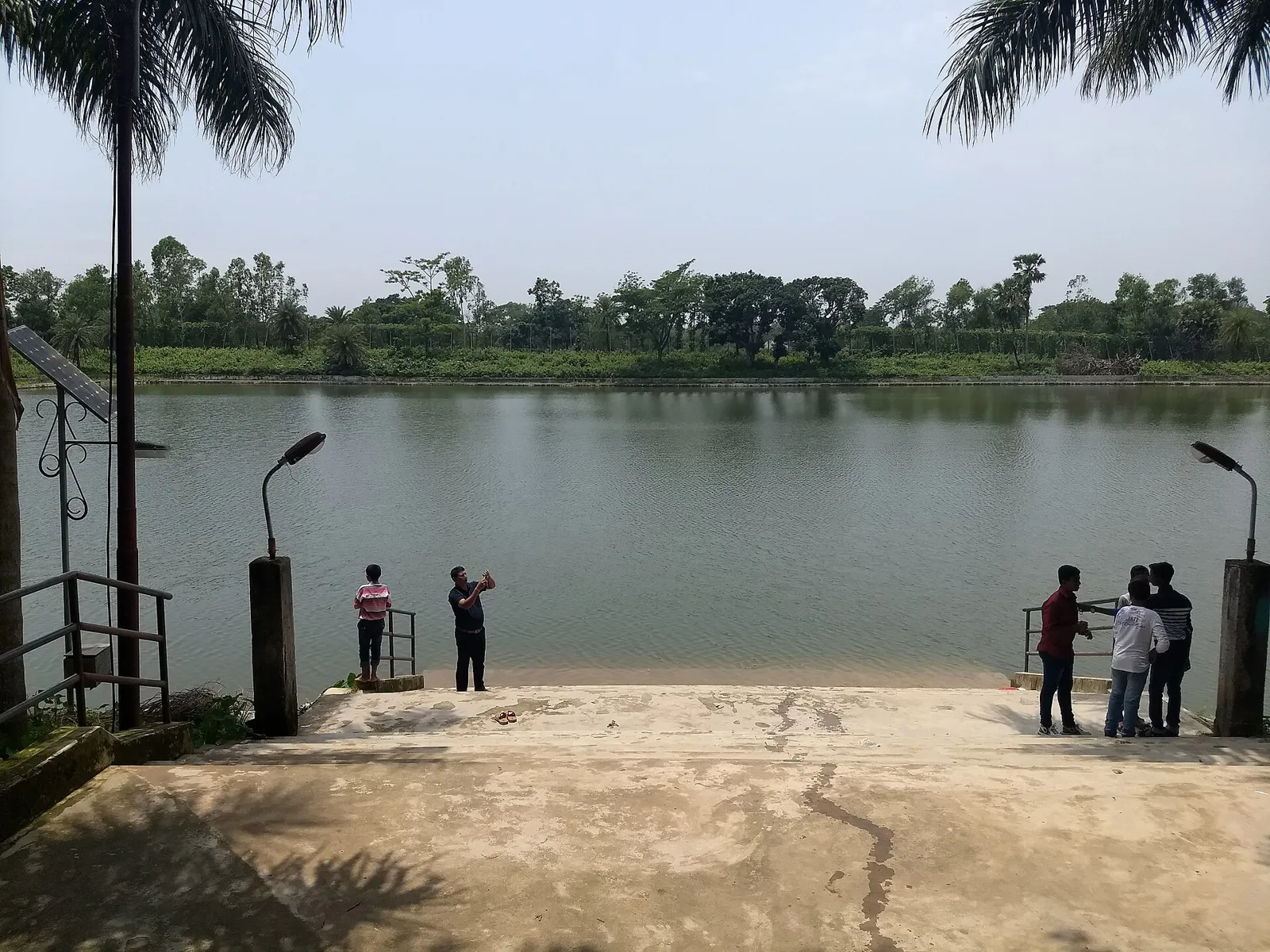
  1. 1Kamalasagar
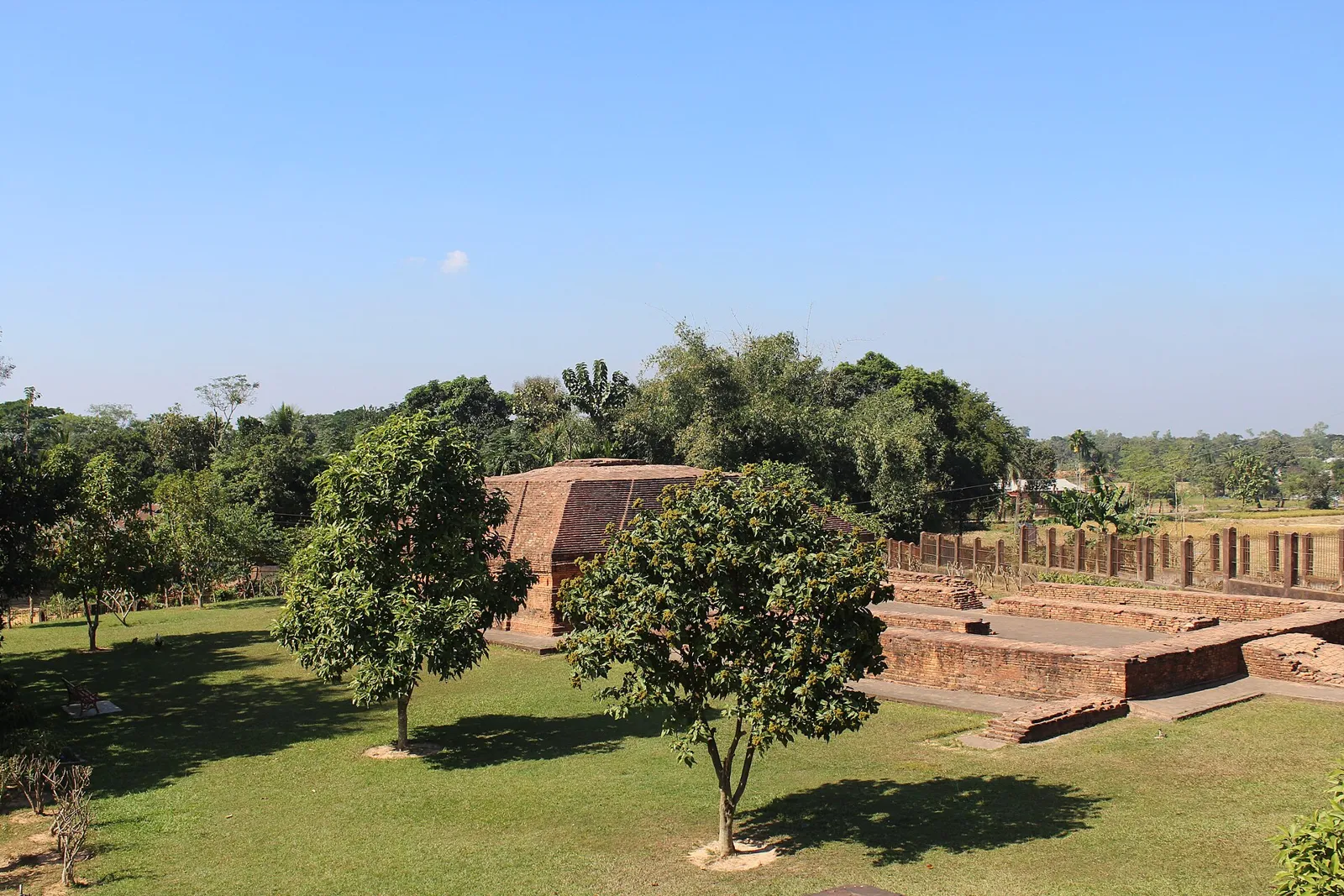
  2. 2Boxanagar Ruins

Tripura

Other cities to explore