
Ghumoopedia — Explore, Discover, Experience
Sign in
Jampui Hills, near Kanchanpur

City guide · Tripura

Kanchanpur

Kanchanpur is a small market and administrative town in northern Tripura, valued as a practical gateway to the Jampui Hills. Its appeal comes less from urban landmarks than from its setting among forested ridges, borderland communities and rural landscapes.

Famous for

  • Gateway to Jampui Hills
  • Jampui oranges
  • Bru and Mizo heritage
  • Northern Tripura market town
In the city
1
District
North Tripura

Why Kanchanpur matters

Kanchanpur is a small market and administrative town in northern Tripura, valued as a practical gateway to the Jampui Hills. Its appeal comes less from urban landmarks than from its setting among forested ridges, borderland communities and rural landscapes. Travellers use the town as a base or stopping point for journeys towards Jampui, where hilltop views, village life and seasonal citrus harvests are among the attractions.

The surrounding area is home to diverse communities, including Bru (Reang), Tripuri and Mizo residents, alongside Bengali-speaking families. This mix is reflected in local languages, food and religious life. Kanchanpur’s bazaar serves nearby villages, with everyday goods and seasonal agricultural produce rather than the specialised shopping found in larger cities. For visitors exploring northern Tripura, the town offers a glimpse of a quieter, less-travelled part of the state and a useful link between the plains and the uplands.

Famous for: crafts, trade & products

Kanchanpur is best known locally as a trading point for the villages and hill settlements of northern Tripura. Its market is a place to look for everyday provisions and seasonal farm produce. Oranges are associated particularly with the nearby Jampui Hills; during the harvest, fruit and related activity become more visible in the area. The Jampui Orange Festival is held in the hills, rather than being a major town-centre event, and dates and venues can vary.

Bamboo and cane are widely used in Tripura’s rural crafts, and locally made household items may be found through small shops or market vendors, though Kanchanpur is not a major specialist handicraft centre. The town is also not especially known for a distinct saree tradition or large textile industry. Visitors seeking regional products can browse the bazaar and ask locally about what is in season, or look for craft and produce in villages on the route towards Jampui. The area’s strongest identity is its agricultural hinterland and its role connecting hill communities with the wider district.

History

Kanchanpur’s development is closely tied to its position as a market and administrative centre for the northern hill region. It serves as the headquarters of Kanchanpur subdivision, linking dispersed settlements with public services and trade.

The surrounding territory formed part of the broader Tripuri kingdom, governed for centuries by the Manikya dynasty, and later came under the princely state of Hill Tippera during British rule. Tripura joined India in 1949 and became a full state in 1972. In the decades that followed, roads and administrative services strengthened connections between northern settlements and the rest of the state. Kanchanpur’s present importance reflects that modern network, as well as its proximity to the Jampui Hills and the Mizoram border. The town remains a modest service centre rather than a large industrial or historic urban centre.

Food, festivals & culture

Everyday food in Kanchanpur reflects Tripura’s varied communities. Rice is central, accompanied by seasonal vegetables, fish and locally familiar preparations such as fermented fish, bamboo shoot and herbs. Tripuri dishes found across the state include chakhwi, a vegetable-based preparation, and bangwi, rice cooked in leaves; Bengali-style meals are also common. What is available varies between homes and eateries, so visitors can ask about local dishes rather than expect a fixed restaurant menu.

The calendar includes Tripuri observances such as Garia Puja in spring and Kharchi Puja in summer, as well as Durga Puja in autumn and Christmas in winter. The Jampui Orange Festival, usually associated with the citrus season, is a nearby attraction rather than a town-wide festival. Hojagiri, performed by Reang women, and other community dances and music form part of the region’s cultural heritage. Bengali, Kokborok and English are official languages of Tripura; Bengali and Kokborok are useful locally, with Mizo also heard in nearby hill communities. Temples and churches serve as important places of worship.

Visiting the city

The cooler, drier months from about October to March are generally the most comfortable for visiting Kanchanpur and the Jampui Hills. The monsoon brings greener scenery but can make road journeys slower. The nearest airport serving the town is Maharaja Bir Bikram Airport in Agartala; Dharmanagar is the main nearby railway station. From there, continue by road, checking local transport availability before setting out, as services can be limited in this part of the state.

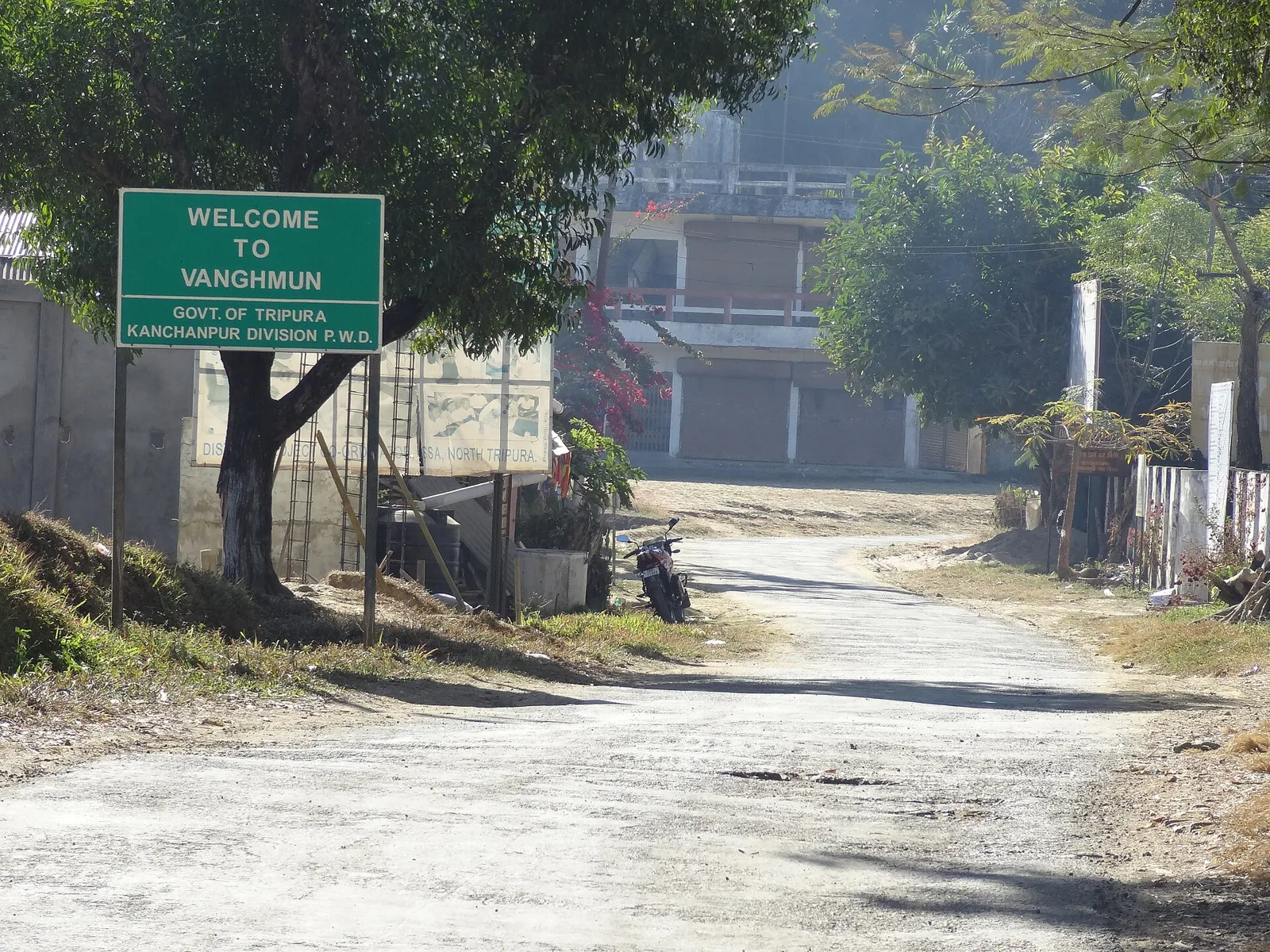
Kanchanpur is compact, and its bazaar is a useful place to orient yourself and arrange local onward travel. Shared vehicles and hired cars are commonly used for journeys between towns and hill settlements. Allow time for the winding road to Jampui Hills and explore villages such as Vanghmun for views and local life. The market area and the roads leading towards the hills make the best starting points for a short visit.

Attractions

Places to visit in Kanchanpur

Sights within about 12 km of each other, even when they fall in different districts.

Map

Kanchanpur on the map

  1. 1Jampui Hills

Tripura

Other cities to explore