
Ghumoopedia — Explore, Discover, Experience
Sign in
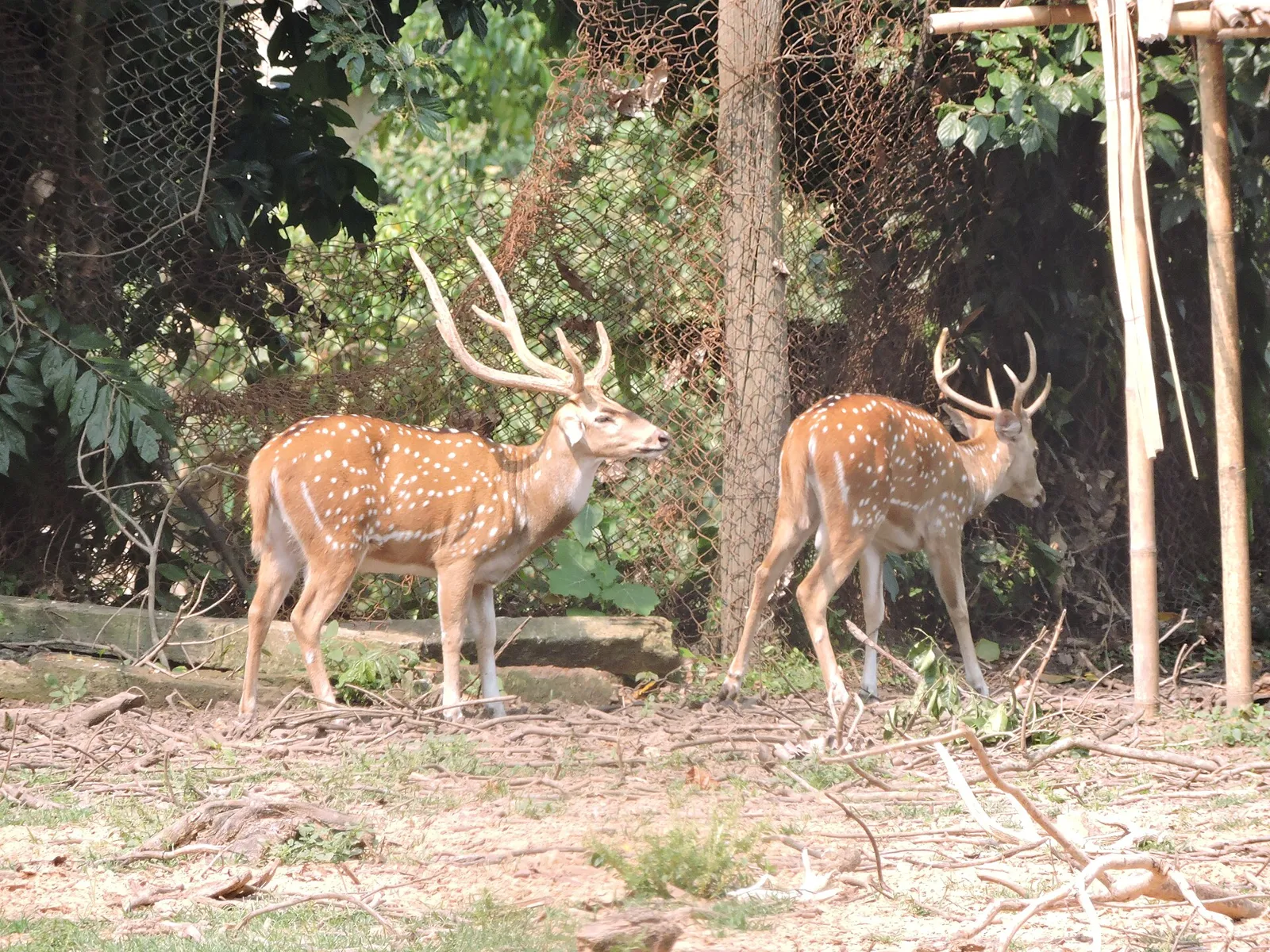
Sepahijala Wildlife Sanctuary, near Bisalgarh

City guide · Tripura

Bisalgarh

Bisalgarh, also spelled Bishalgarh, is a town in Tripura’s Sepahijala district and an important local centre for administration, trade and everyday services. Its position within the state’s network of roads makes it a practical stop for travellers exploring the countryside east of Agartala and the district’s natural and cultural attractions.

Famous for

  • Sepahijala Wildlife Sanctuary
  • Tripura Queen pineapple
  • Tripuri bamboo crafts
  • Local produce markets
  • Nearby Rudrasagar Lake
In the city
2
Districts
Gomati, Sipahijala

Why Bisalgarh matters

Bisalgarh, also spelled Bishalgarh, is a town in Tripura’s Sepahijala district and an important local centre for administration, trade and everyday services. Its position within the state’s network of roads makes it a practical stop for travellers exploring the countryside east of Agartala and the district’s natural and cultural attractions. The town is better understood as a regional hub than as a major monument city: its shops and markets serve residents from surrounding settlements, while nearby excursions offer the strongest draw for visitors.

Sepahijala Wildlife Sanctuary, known for its forest, lake and wildlife, is a prominent attraction in the surrounding area. Farther afield, Rudrasagar Lake and Neermahal, the former royal water palace near Melaghar, make worthwhile regional outings. Bisalgarh also offers a glimpse of daily life in Tripura, where Bengali and indigenous Tripuri traditions meet in local food, languages and festivals. Visitors can use the town as a base for short explorations, while Agartala remains the larger centre for museums, transport connections and major urban services.

Famous for: crafts, trade & products

Bisalgarh’s identity is chiefly that of a local market and service town rather than a centre for a nationally recognised textile or industrial product. Its shops and market areas serve nearby communities, with everyday goods and seasonal agricultural produce forming the most visible part of local trade. Tripura’s Queen pineapple is a notable regional product, especially when it is in season, though it is associated with the state rather than being exclusive to Bisalgarh.

Handloom weaving and bamboo and cane work are practised across Tripura, and visitors may come across woven garments, household items and baskets through local sellers. The state’s distinctive risa cloth is an important expression of Tripuri weaving, but specialist selections are more likely to be found in larger centres such as Agartala. Bisalgarh is not widely known for a particular GI-tagged craft, textile or food of its own. For locally made goods, browse the town’s shops and market stalls; for a broader range of Tripura crafts and textiles, look to established outlets and cultural centres in Agartala. Produce and availability vary by season.

History

Bisalgarh’s development is tied to the history and changing administration of Tripura, which was ruled for centuries by the Manikya dynasty. The kingdom’s political centres shifted over time, and Agartala became its capital in the nineteenth century. Under British rule, Tripura remained a princely state rather than being administered as a regular British province, although it operated within the broader system of British paramountcy.

After Indian independence, the princely state joined India in 1949. Tripura became a Union Territory in 1956 and a state in 1972. These changes, followed by later district and administrative reorganisations, shaped the growth of towns such as Bisalgarh as local centres for government services, education, transport and trade. Its present-day role reflects its place within Sepahijala district and its connections to Agartala and surrounding settlements. The town is not chiefly known for a single surviving palace or historic monument; its history is more readily understood through Tripura’s wider political story and the development of its regional towns.

Food, festivals & culture

Food in Bisalgarh reflects Tripura’s mix of Bengali and indigenous Tripuri traditions. Rice is central to everyday meals, often accompanied by fish, vegetables and seasonal produce. Tripuri cooking may include chakhwi, a vegetable dish, and preparations flavoured with berma, fermented fish; bamboo shoots also feature in regional food. Bengali-style curries and sweets are familiar across the area, though specific dishes and menus vary between households and eateries.

Durga Puja, usually held in autumn, is widely observed, alongside festivals such as Kali Puja. Tripuri communities celebrate Garia Puja in spring, while Kharchi Puja is an important regional festival in July. Bengali and Kokborok are among the languages spoken in the district, with Hindi also used by some residents. Tripura’s cultural life includes folk songs and dances such as Hojagiri and Garia dance, though performances are generally tied to particular communities and occasions. Hindu temples, mosques and churches reflect the area’s diverse religious life.

Visiting the city

October to March is generally the most comfortable season to visit, with less rain and milder weather than during the monsoon. The nearest airport is Maharaja Bir Bikram Airport in Agartala. Agartala Railway Station is the main railhead for reaching the area; onward travel to Bisalgarh is by road. Local buses, shared vehicles, auto-rickshaws and hired cars are practical ways to get around, with availability varying by route and time of day.

Explore the town’s market area for everyday local life and food. Sepahijala Wildlife Sanctuary is a notable outing in the surrounding district. For a longer excursion, continue towards Melaghar and Rudrasagar Lake, where Neermahal stands on the water. Agartala is also a useful base or day trip for museums, shopping and wider transport connections. Check local conditions before setting out for rural attractions, particularly during heavy monsoon rain.

Attractions

Places to visit in Bisalgarh

Sights within about 12 km of each other, even when they fall in different districts.

Map

Bisalgarh on the map

  1. 1Gumti Wildlife Sanctuary
  2. 2Sepahijala Wildlife Sanctuary

Tripura

Other cities to explore