Ghumoopedia — Explore, Discover, Experience
Sign in
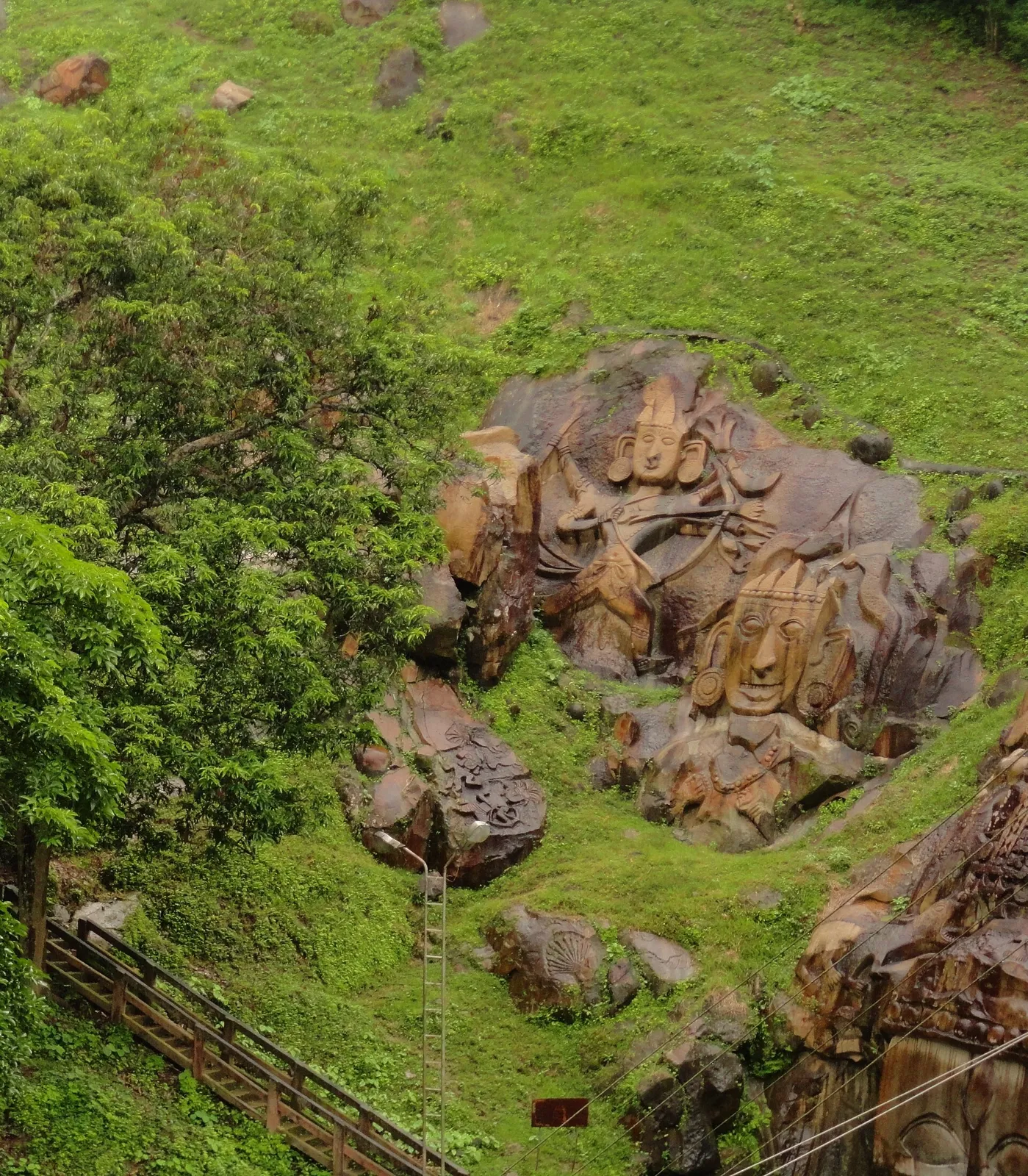
Unakoti, near Kailashahar

City guide · Tripura

Kailashahar

Kailashahar is an administrative and commercial centre in northern Tripura, serving as the headquarters of Unakoti district. Its location near the Bangladesh border and on the Manu River has long connected it with settlements and routes across the region.

Famous for

  • Unakoti rock carvings
  • Tripuri heritage
  • Manu River
  • Unakoti district centre
  • Chambulnagar traditions

Why Kailashahar matters

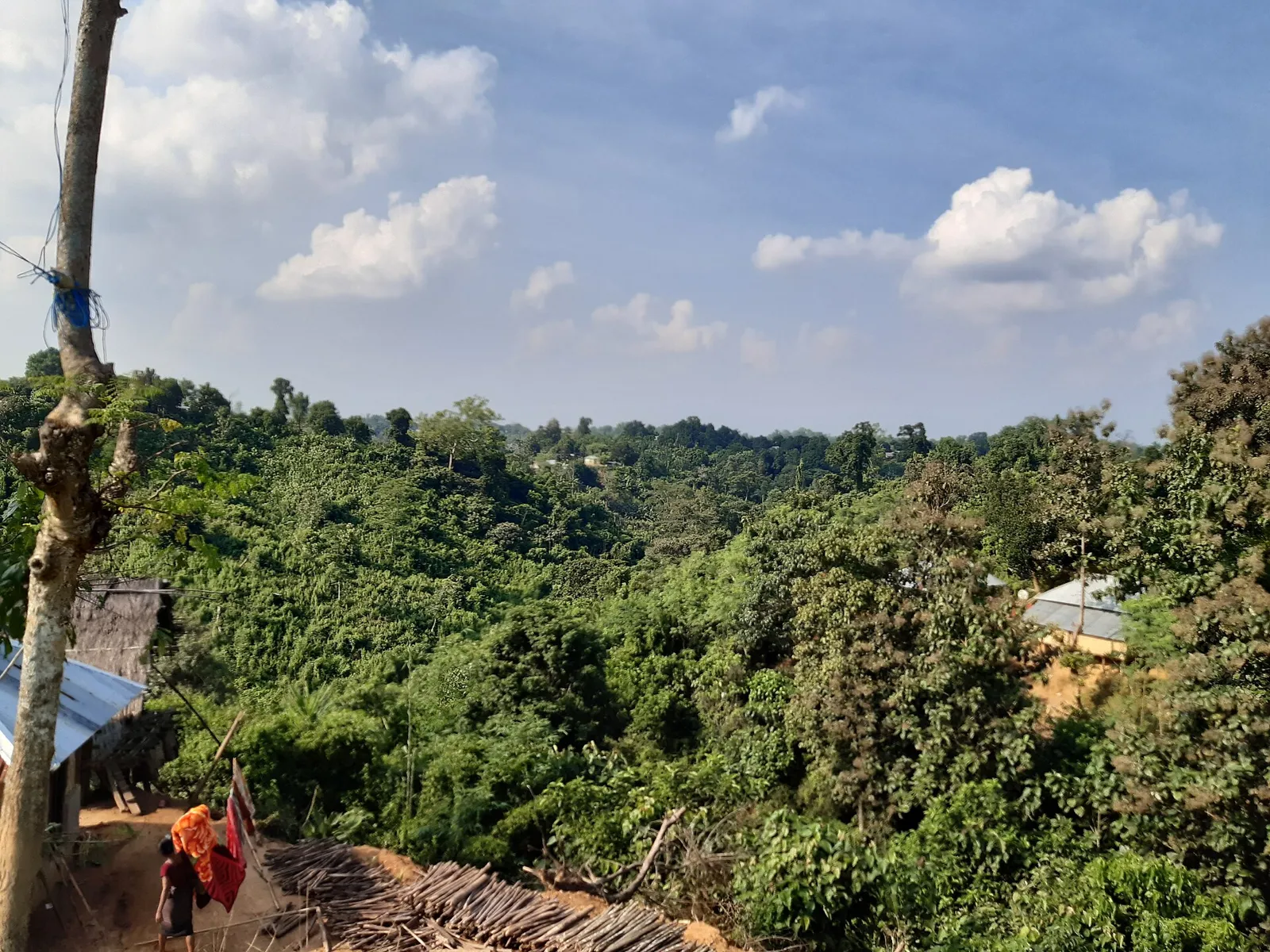
Kailashahar is an administrative and commercial centre in northern Tripura, serving as the headquarters of Unakoti district. Its location near the Bangladesh border and on the Manu River has long connected it with settlements and routes across the region. The town is surrounded by low hills and rural communities, with neighbourhoods such as Govindpura, Srirampur and Pytor Bazar forming part of its everyday urban life.

Visitors come chiefly for the area’s deep historical associations and as a base for exploring Unakoti, known for monumental rock reliefs and carvings set among wooded hills. Local tradition links Kailashahar with Chambulnagar, a place associated with the early Tripuri kingdom and stories of Shiva worship. The town itself is less a large sightseeing destination than a useful gateway: it brings together district services, local markets and transport connections while offering a glimpse of life in northern Tripura. Its riverside setting, mixed cultural influences and proximity to archaeological and natural attractions give it regional importance.
Famous for: crafts, trade & products

Kailashahar is not especially known as a centre for a signature textile, GI-tagged product or large-scale industry. Its shops and markets mainly serve the town and nearby villages, selling groceries, clothing, household goods and everyday supplies. Pytor Bazar and other central market areas are practical places to browse local produce and provisions and to observe the town’s trading life.

Handloom weaving, bamboo and cane work are found across Tripura, and locally made items may be available through town shops or seasonal markets; selection can vary. These crafts are better understood as part of the wider state’s traditions than as products unique to Kailashahar. Visitors interested in regional craftwork can ask local sellers about the maker and place of origin rather than assume an item is made in town. The city’s most distinctive draw remains its proximity to Unakoti’s historic stone and rock carvings, rather than a particular manufactured product. For a broader choice of Tripura crafts, travellers may need to look in larger state centres.

History

Kailashahar’s past is closely associated with the Tripuri kingdom and the nearby sacred landscape of Unakoti. Local accounts identify the town’s area with Chambulnagar, mentioned in Tripura’s royal traditions, and connect its name with Kailash and Shiva. Tradition also associates the region with King Adi-Dharmapha in the seventh century. The celebrated carvings at Unakoti, generally dated to the seventh–ninth centuries, are a tangible reminder of the area’s long history of religious art and pilgrimage.

During the colonial era, Tripura remained a princely state under British paramountcy, and Kailashahar continued as a regional settlement rather than a major colonial port or industrial centre. In modern times it developed as a municipal town and administrative centre for northern Tripura. Its role expanded with district-level government, trade and public services, while connections to nearby villages sustained its local markets. Today, the town’s history is most visible in its association with Unakoti and in the stories that link the landscape to the early kingdom.

Food, festivals & culture

Kailashahar’s food reflects both Bengali and Tripuri influences. Rice, fish, vegetables and seasonal produce are common; Tripuri dishes may use herbs, bamboo shoot and fermented fish. Chakhwi, a vegetable dish, gudok, a preparation of vegetables and fermented fish, and bangwi, rice cooked in a leaf, are part of the wider Tripuri food tradition. Bengali-style snacks and sweets, including pitha and milk-based confections, are also familiar, though menus vary between homes and eateries.

Bengali is widely used, alongside Kokborok and other languages spoken by indigenous communities. Durga Puja in autumn is a prominent public celebration, while Kharchi Puja, usually held in summer, and Garia Puja in spring are important Tripuri observances. Eid and Christmas are also marked by local communities. Religious life is expressed through temples, mosques and churches across the town and surrounding settlements. Folk music, community dancing and seasonal gatherings are often most visible during festivals rather than in scheduled performances for visitors.

Visiting the city

October to March is generally the most comfortable period to visit, with cooler, drier weather than the monsoon months. The nearest airport with regular commercial connections is Maharaja Bir Bikram Airport in Agartala. Kumarghat Railway Station is a rail access point for the area; check current onward connections before travelling. Local movement is by road, with shared vehicles, auto-rickshaws and taxis used for trips around town and to nearby attractions. Arrangements for visiting Unakoti are best made locally, especially in wet weather.

Explore the central market streets around Pytor Bazar for everyday commerce, and walk through neighbourhoods such as Govindpura and Srirampur to get a sense of local town life. The Manu riverbanks and surrounding rural roads offer a quieter change of scene. Kailashahar is also a practical base for visiting Unakoti, though the carvings lie outside the town centre.

Trips from the city

Nearest places to visit from Kailashahar

Our closest destination guides, by straight-line distance.

Unakoti

7 km away · Unakoti district

Unakoti

Unakoti is an ancient Shaivite rock-art site in Tripura, known for its carved divine figures and historic inscriptions. Visitors come to see its sculptures and explore its religious and artistic past.

Rowa Wildlife Sanctuary

17 km away · North Tripura district

Rowa Wildlife Sanctuary

Rowa Wildlife Sanctuary is a protected area in Tripura’s North Tripura district, near Panisagar. Visitors come to encounter its wildlife and natural surroundings.

Jampui Hills

49 km away · North Tripura district

Jampui Hills

Jampui Hills is a hill range in Tripura’s North Tripura district, within the Mizo Hills, also known as the Lushai Hills. Visitors come for its elevated hill setting, which averages about 1,000 metres above sea level.

Khowai

50 km away · Khowai district

Khowai

Khowai is a municipal town in Tripura’s Khowai district. Its setting beside the Khowai River and its northern boundary with Bangladesh are notable features for visitors to the area.

Pushbanta Palace

90 km away · West Tripura district

Pushbanta Palace

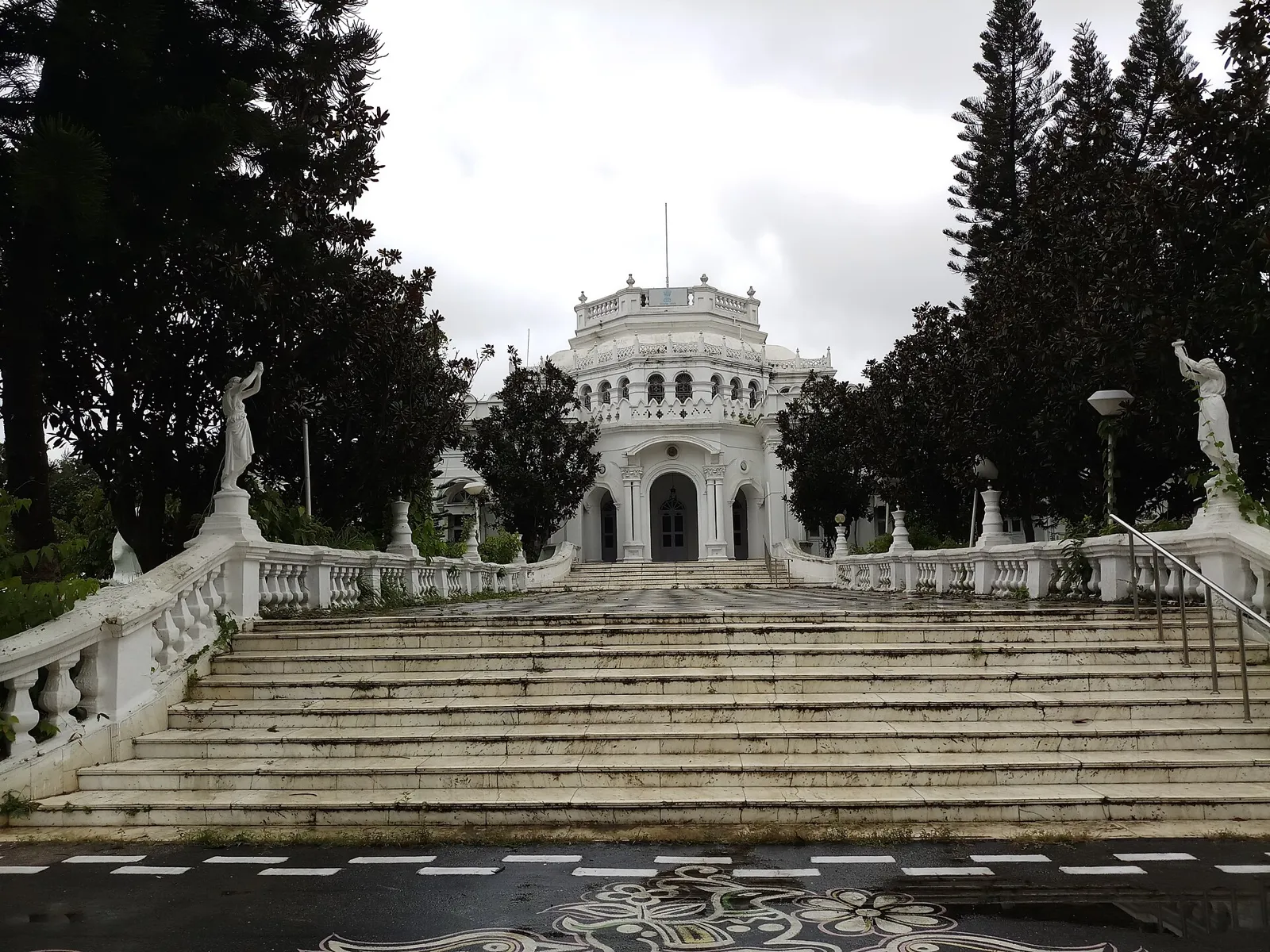
Pushbanta Palace, also called Kunjaban Palace, is a former royal residence in Tripura. Its royal past and development as a national-level cultural museum make it a point of interest.

Agartala

92 km away · West Tripura district

Agartala

Agartala is Tripura’s capital and largest city, beside the Haora (Saidra) River and close to Bangladesh. Visitors come to the state’s principal city for its administrative role and borderland setting.

Ujjayanta Palace

92 km away · West Tripura district

Ujjayanta Palace

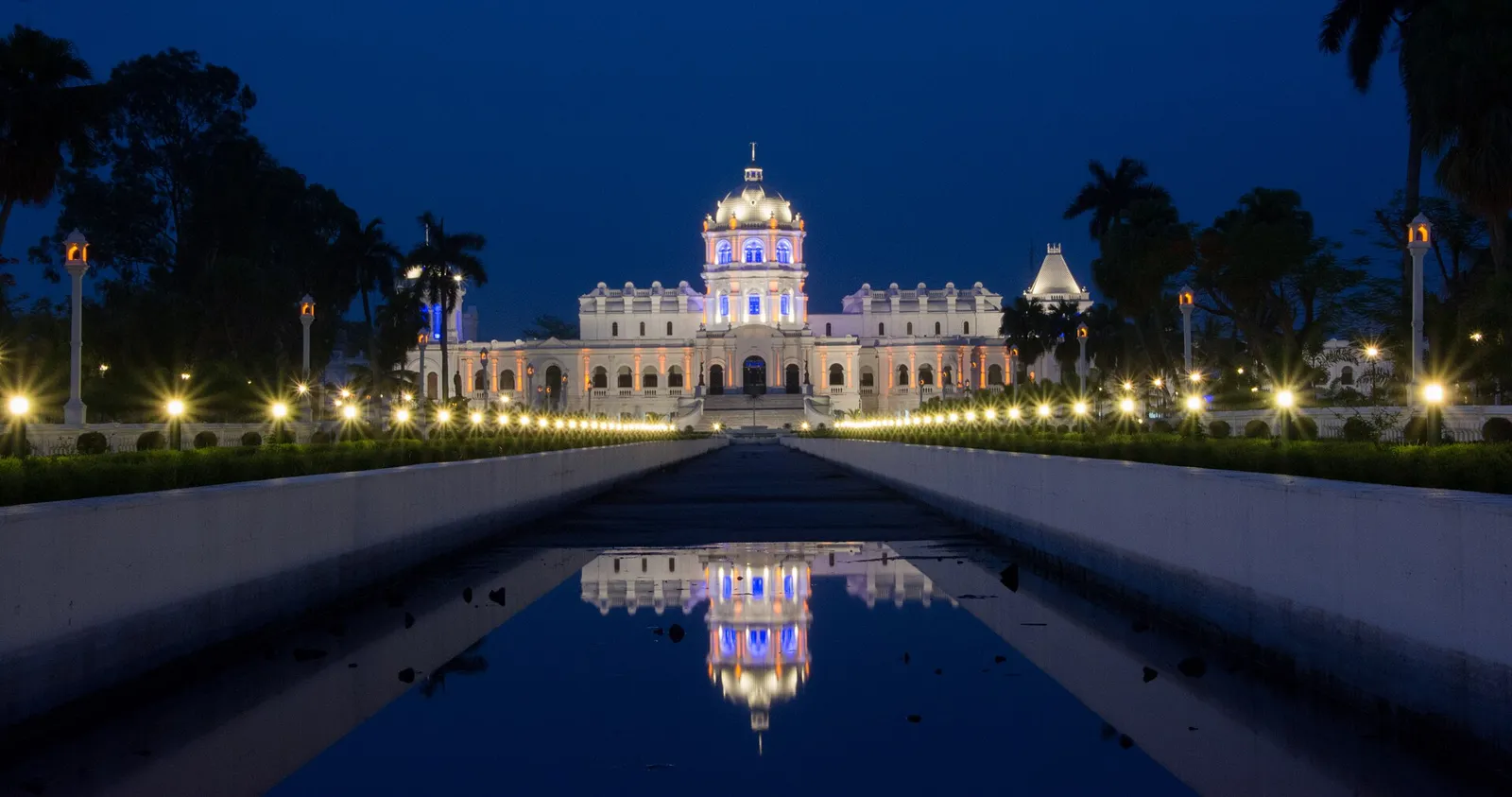
Ujjayanta Palace, in West Tripura district, is Tripura’s state museum and the former royal residence of the princely state. Visitors explore displays on Northeast India’s communities and the Manikya dynasty.

102 km away · Gomati district

Gumti Wildlife Sanctuary

Gumti Wildlife Sanctuary is a wildlife refuge in southern Tripura’s Gomati district. Visitors come to encounter the wildlife that gives the sanctuary its character.

Map

Kailashahar on the map

  1. 1Unakoti
  2. 2Rowa Wildlife Sanctuary
  3. 3Jampui Hills
  4. 4Khowai
  5. 5Pushbanta Palace
  6. 6Agartala
  7. 7Ujjayanta Palace
  8. 8Gumti Wildlife Sanctuary

Tripura

Other cities to explore