
Ghumoopedia — Explore, Discover, Experience
Sign in
Agartala, near Agartala

City guide · Tripura

Agartala

Agartala is Tripura’s capital and largest city, beside the Haora (Saidra) River and close to Bangladesh. Visitors come to the state’s principal city for its administrative role and borderland setting.

Famous for

  • Ujjayanta Palace
  • Tripura handloom
  • Bamboo and cane crafts
  • Tripura Queen Pineapple
  • Kharchi Puja
In the city
3
District
West Tripura

Why Agartala matters

Agartala is Tripura’s capital and its principal centre for government, education, commerce and culture. Set on the Haora River in the state’s western plains, it lies close to the Bangladesh border and serves as a practical starting point for exploring Tripura’s palaces, temples, wildlife areas and rural landscapes. Its role as a regional hub is reflected in its busy markets, growing transport links and mix of Bengali and Indigenous Tripuri influences.

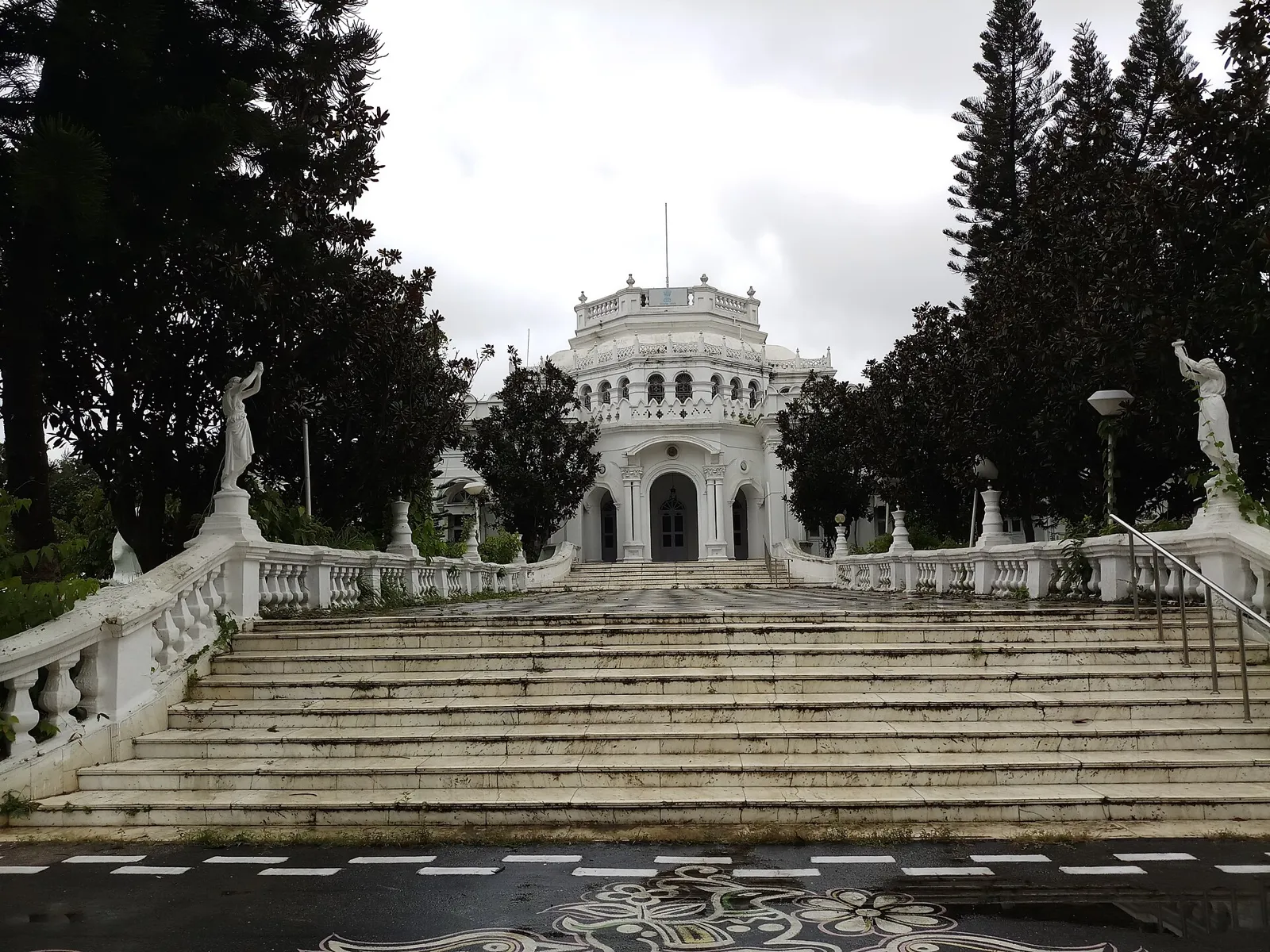
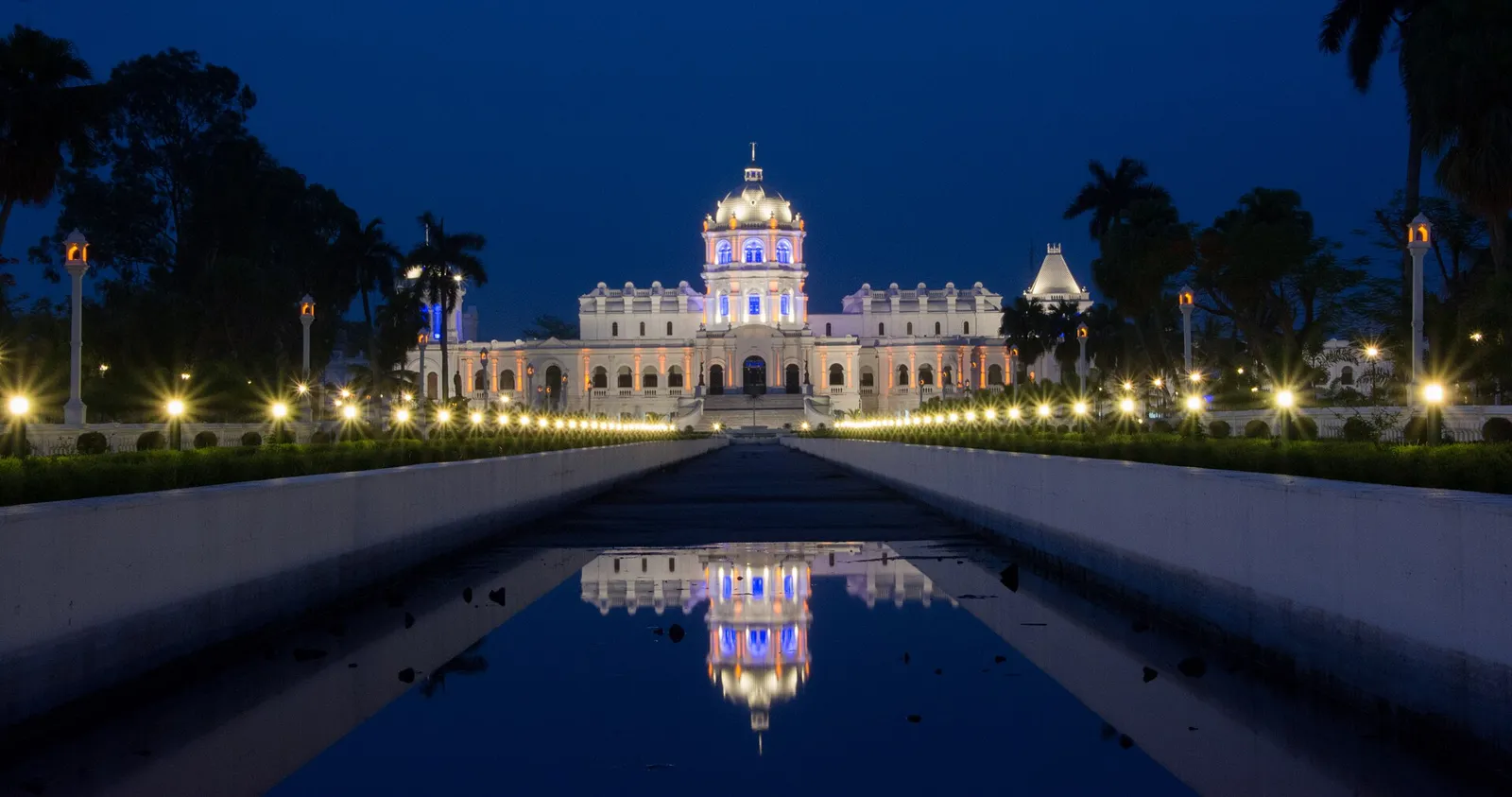
The city’s best-known landmark is Ujjayanta Palace, a former royal residence that now houses the Tripura State Museum. Visitors also come for the city’s temples, local food and lively festivals, and to learn about the history and traditions of the Manikya rulers and Tripura’s many communities. Agartala is not only a gateway: its handloom and bamboo crafts, markets and food culture offer a close look at everyday life in the state. Excursions from the city can include the old royal capital area at Old Agartala and, farther afield, Neermahal and the temples of Udaipur.
Famous for: crafts, trade & products

Agartala is a convenient place to find Tripura’s handwoven textiles, especially rignai skirts and risa cloth, which are worn by Tripuri women and distinguished by their patterns and colours. Bamboo and cane work includes household objects, baskets and decorative pieces. These crafts are made across the state and are sold in the city through handicraft outlets and central markets; Purbasha, the state emporium, is one place to look for locally made goods.

Markets such as Battala and Maharajganj are useful for everyday shopping and regional produce. Tripura tea and the state’s GI-tagged Queen pineapple are among the products visitors may encounter, though availability varies by season. Pineapples are especially associated with the state’s agricultural identity rather than being a product made only in Agartala. The city’s shops also stock bamboo-shoot products, spices and packaged foods from around Tripura. Agartala is primarily a service and administrative centre, not a large manufacturing city; its commercial character lies in connecting producers and craftspeople from across the state with buyers, institutions and visitors.

History

Tripura’s royal capital was once at Udaipur, beside the Gomati River, before the Manikya rulers moved it to Old Agartala, also known as Haveli. In the 19th century, the court shifted to the present city, which became the capital of the princely state of Hill Tippera. Agartala developed around the royal administration and the Haora River, while retaining close links with Bengali-speaking areas across the border.

The town became a municipality in 1871. During the reign of Bir Bikram Manikya, plans for a more organised township shaped its later development, including new roads and markets. The British exercised political influence over the princely state, but Agartala remained under its ruler rather than becoming a directly administered British district. Tripura joined India in 1949, and became a state in 1972. Since then, Agartala has expanded as the centre of public administration, education, transport and commerce, with newer development alongside its royal-era landmarks.

Food, festivals & culture

Agartala’s food reflects Bengali and Tripuri traditions. Rice is a staple, often served with fish, vegetables and meat. Tripuri dishes may include chakhwi, made with vegetables and bamboo shoot, and wahan mosdeng, a pork preparation; fermented fish known as berma gives some local foods a distinctive flavour. Bengali-style sweets, including milk-based confections, are also easy to find in the city’s sweet shops.

Durga Puja is widely celebrated in autumn, while Kharchi Puja, usually held in summer, draws devotees to the Chaturdash Devata shrine at Old Agartala. Garia Puja, in spring, is an important festival for Tripuri communities. Bengali and Kokborok are prominent languages, alongside Hindi and English. Traditional performances include Hojagiri and Garia dances, as well as music associated with seasonal and community celebrations. Places of worship include Jagannath Bari and other Hindu temples, alongside mosques and churches that reflect the city’s diverse communities.

Visiting the city

September to February is generally a comfortable period to visit, with cooler, drier weather than the long, rainy monsoon season. Maharaja Bir Bikram Airport serves the city, and Agartala Railway Station is the main rail terminus. Taxis, auto-rickshaws and e-rickshaws are useful for getting around; agree on the destination before setting off, as routes and availability vary.

Explore the central area around Ujjayanta Palace and its museum, then browse the markets around Battala and Maharajganj. Palace Compound and nearby central neighbourhoods make convenient bases for seeing the city’s main sights and shops. Old Agartala, with the Chaturdash Devata shrine, is a worthwhile excursion beyond the centre. Allow extra time for journeys during heavy rain, when local roads can be affected by waterlogging.

Attractions

Places to visit in Agartala

Sights within about 12 km of each other, even when they fall in different districts.

Map

Agartala on the map

  1. 1Agartala
  2. 2Pushbanta Palace
  3. 3Ujjayanta Palace

Tripura

Other cities to explore