
Ghumoopedia — Explore, Discover, Experience
Sign in
Pilak, near Santirbazar

City guide · Tripura

Santirbazar

Santirbazar is a municipal town in South Tripura and an important local centre for trade, services and travel. Its position on National Highway 8 connects it with Agartala, the state capital, and with towns farther south, including Sabroom.

Famous for

  • South Tripura market town
  • National Highway 8 link
  • Route towards Sabroom
  • Nearby Pilak heritage
  • Tripura handloom traditions
In the city
0
Nearby
1
District
South Tripura
Plan a trip

Why Santirbazar matters

Santirbazar is a municipal town in South Tripura and an important local centre for trade, services and travel. Its position on National Highway 8 connects it with Agartala, the state capital, and with towns farther south, including Sabroom. For visitors, it can be a useful stop or base for exploring the southern part of Tripura rather than a destination built around a single major attraction.

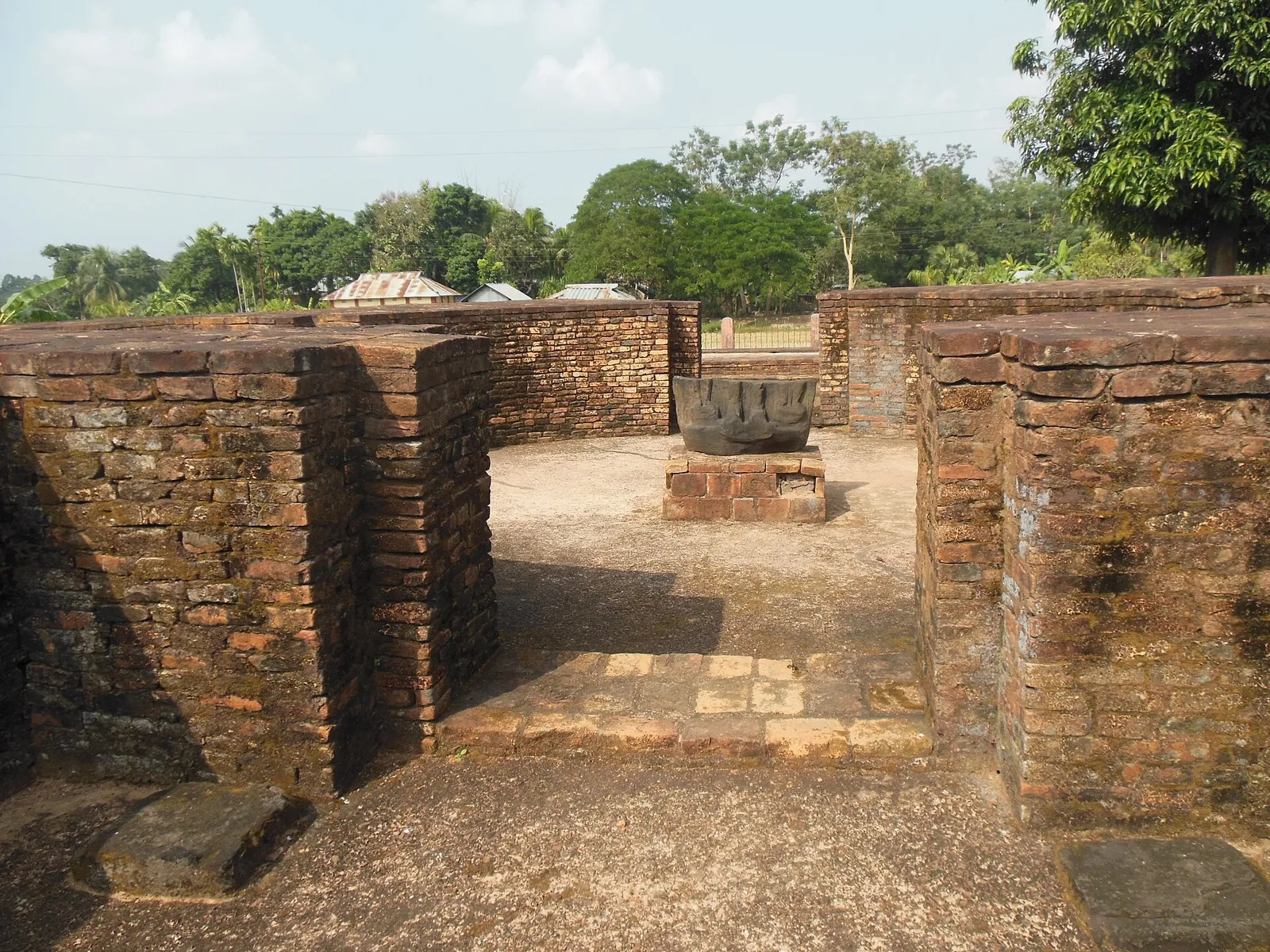
The town’s everyday markets and regional connections offer a glimpse of life in South Tripura. Nearby Pilak, known for archaeological remains associated with Buddhist and Hindu traditions, is one of the area’s more distinctive cultural outings. Santirbazar also provides access to the wider landscape of villages, waterways and green countryside characteristic of the state. Its importance today lies chiefly in serving local communities and linking the district’s settlements with the state capital and the southern border region. Travellers should treat crafts, foods and festivals described as Tripura traditions as regional offerings; they are not necessarily unique to Santirbazar.

Famous for: crafts, trade & products

Santirbazar is best understood as a local commercial centre rather than a specialised manufacturing hub with a widely recognised signature craft. Its shops and markets serve residents from the town and surrounding settlements, with everyday groceries, household goods, produce and seasonal items forming the main draw. Visitors can browse the central market area for a sense of local trade, though particular stalls and product ranges vary.

Tripura’s handloom traditions include garments such as risa and pachra, while bamboo and cane are used across the state for useful and decorative objects. These are regional crafts, not products exclusive to Santirbazar; ask local sellers where they were made before treating an item as locally produced. Tripura Queen Pineapple is a well-known regional agricultural product, best sought when in season. The town is also a practical place to look for local produce and snacks, but availability depends on the market and time of year. No single GI-tagged product or specialist shopping district defines Santirbazar itself.

History

Santirbazar’s growth is tied to its role as a settlement and service centre in southern Tripura. Before modern roads and administrative structures linked the region more closely, communities here were connected through local trade, agriculture and routes between villages. The town’s later importance developed through its position along the main north–south transport corridor, which links South Tripura with Agartala and the settlements towards Sabroom.

For much of its earlier political history, Tripura was ruled by the Manikya dynasty. The kingdom came under British paramountcy while retaining its princely status, and Tripura joined India in 1949. It became a full state in 1972. These changes reshaped administration and infrastructure across the region, including the growth of towns such as Santirbazar as local centres for public services and commerce. The town is now a Municipal Council in South Tripura district. Its history is best read alongside the wider history of the state; specific claims about a major historic event or ruling seat in Santirbazar should not be assumed.

Food, festivals & culture

Santirbazar reflects the cultural mix of Tripura, where Bengali and Kokborok are widely used, alongside other languages spoken by local communities. Tripura’s food traditions include mui borok, a broad name for indigenous cuisine, and dishes made with vegetables, herbs and fermented fish such as berma. Rice is a staple, while Bengali-style meals, tea and familiar sweets are also part of everyday eating. Menus and ingredients vary between homes and eateries, so ask what is locally prepared.

Garia, generally observed in spring, is an important festival for many Indigenous communities in Tripura. Kharchi Puja is a major state festival usually held in summer, while Durga Puja brings public celebrations in autumn. Hojagiri and Garia dances, as well as other community music and dance traditions, are associated with the state rather than solely with this town. Visitors will find places of worship serving different communities, including temples and other local religious sites; dress and behave respectfully, and check locally whether a particular site welcomes visitors.

Visiting the city

The cooler, drier months from about November to February are generally the most comfortable for a visit. Monsoon brings heavier rain and can make road journeys slower. Maharaja Bir Bikram Airport in Agartala is the nearest major airport; Agartala is about 84 kilometres away by road. Santirbazar has a railway station, while road connections on National Highway 8 link the town with Agartala, Udaipur and Sabroom. Check current transport services before setting out.

Within town, local vehicles and taxis are practical for short journeys; agree on the arrangement before travelling. Explore the central market area for everyday shopping and local street life. Santirbazar can also serve as a starting point for visiting nearby Pilak and other places in South Tripura. For countryside trips, arrange transport locally and allow extra time for road conditions.

Short trips

Around Santirbazar

Within about 40 km — easy half-day or day trips from the city.

Map

Santirbazar on the map

  1. 1Pilak

Tripura

Other cities to explore