Ghumoopedia — Explore, Discover, Experience
Sign in
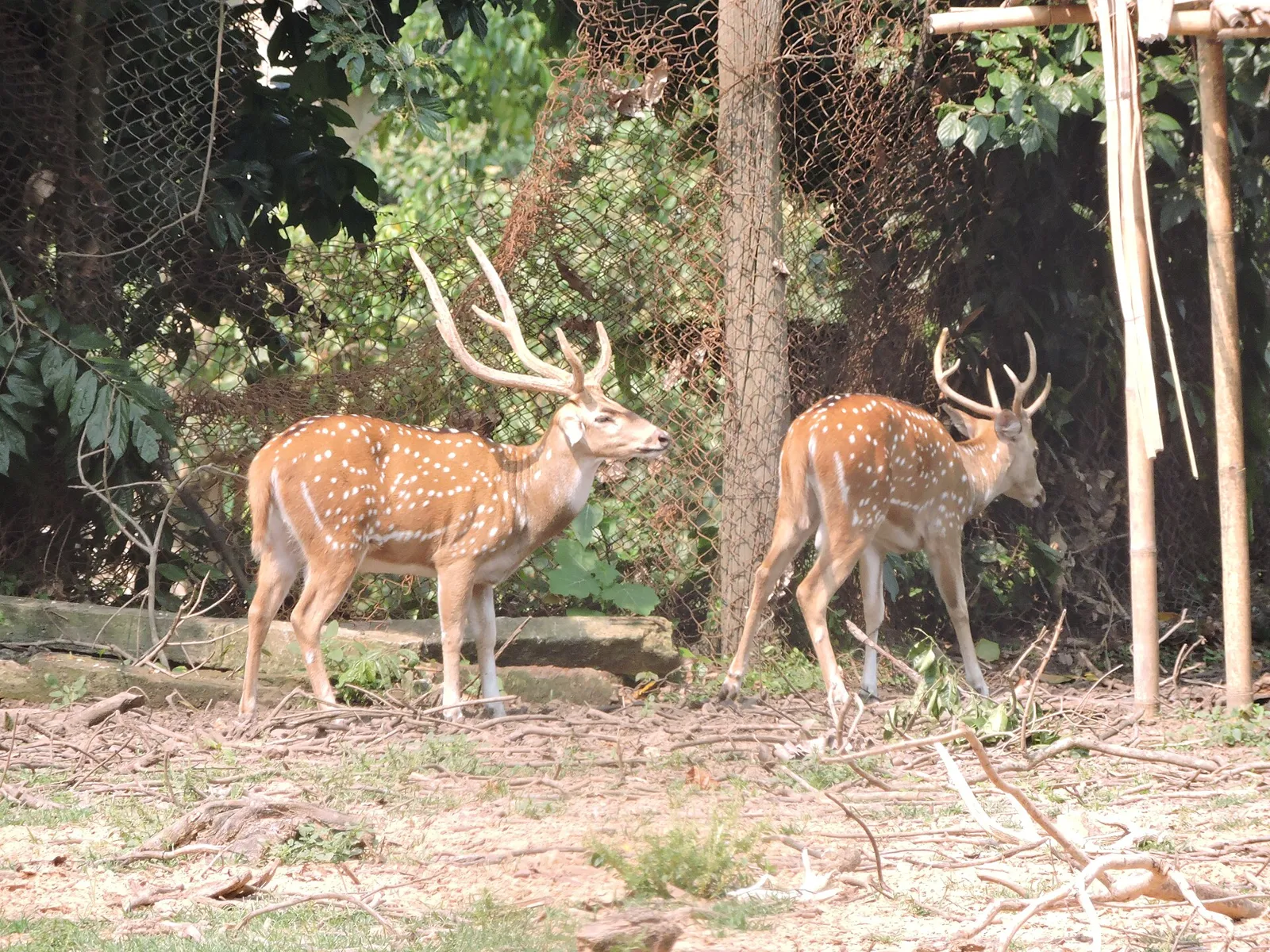
Sepahijala Wildlife Sanctuary, near Barjala

City guide · Tripura

Barjala

Barjala is a residential locality on the outskirts of Agartala, Tripura’s capital, rather than a separate destination with a large collection of landmark attractions. Its importance comes from its place in the capital’s expanding urban belt and its role as an Assembly constituency in West Tripura.

Famous for

  • Agartala suburban locality
  • Barjala Assembly constituency
  • Tripuri–Bengali cultural mix
  • Access to Agartala

Why Barjala matters

Barjala is a residential locality on the outskirts of Agartala, Tripura’s capital, rather than a separate destination with a large collection of landmark attractions. Its importance comes from its place in the capital’s expanding urban belt and its role as an Assembly constituency in West Tripura. Daily life here is closely connected to Agartala for work, education, shopping and public services, while nearby villages and neighbourhoods give the area a more open, suburban character than the city centre.

For visitors, Barjala is best approached as a base or a stop on the way to exploring Agartala and the wider state. The capital’s palace, temples, markets and cultural institutions are within reach, and the surrounding region offers a glimpse of Tripura’s blend of Bengali and Indigenous communities. Barjala itself is not widely known for a signature monument, craft or product, so travellers should look to Agartala for major sightseeing and shopping. Its value is chiefly practical: it offers a quieter perspective on the urban edge of Tripura’s principal city.
Famous for: crafts, trade & products

It is primarily a residential area linked to Agartala’s wider trade and services. Visitors looking for Tripura handloom, including traditional risa and pachra garments, or bamboo and cane crafts will generally find more choice in shops and markets in Agartala than in Barjala. Ask sellers about the maker and place of origin, since goods sold in the capital may come from different parts of the state.

Tripura Queen pineapple, a GI-tagged fruit, is associated with the state rather than specifically with Barjala. When in season, it may be encountered through regional produce sellers, but availability varies. Agartala’s central markets are the more useful place to browse for local foods, household goods and craft items; Barjala is better regarded as part of the city’s residential and commercial hinterland. There is no reason to expect a dedicated visitor market or a concentrated craft cluster in the locality, so plan specialist shopping in the capital.

History

Barjala’s story is closely tied to the growth of Agartala and its surrounding settlements. The locality does not have a widely recorded separate history as a royal capital, colonial town or historic trading centre. Its development is better understood through the expansion of the capital’s residential and transport network, which has connected once more separate settlements with Agartala’s daily life and services.

The broader region was ruled for centuries by the Manikya dynasty. Agartala became the kingdom’s capital in the nineteenth century, during the reign of Maharaja Krishna Kishore Manikya, and later grew as Tripura’s administrative centre under British paramountcy. The princely state joined India in 1949; Tripura became a full state in 1972. These changes shaped the institutions, migration and urban growth of the capital region, including its outer neighbourhoods. In modern public life, Barjala is also identified by its Assembly constituency, linking the locality to state politics as well as to Agartala’s expanding suburbs.

Food, festivals & culture

Barjala shares the varied food culture of the Agartala region. Rice and fish are common in Bengali-style meals, while Tripuri cooking may include chakhwi, a vegetable dish, and wahan mosdeng, a pork preparation. Berma, fermented fish used as a seasoning, is an important flavour in some traditional dishes. Bengali sweets are easy to find across the capital area; Barjala itself is not especially known for a distinct local sweet.

Bengali and Kokborok are important languages in the wider region, alongside Hindi and other languages used in everyday public life. The calendar includes Garia Puja, generally in April, and Kharchi Puja, usually in July, as well as Durga Puja in September or October. Garia and Hojagiri dances are part of Tripura’s cultural traditions, though performances are more likely at organised events than as routine street entertainment. For major temples and cultural venues, visitors can head into Agartala, where places of worship and public celebrations serve communities from across the capital region.

Visiting the city

The cooler, drier months from November to February are generally the most comfortable time to visit. The nearest airport is Maharaja Bir Bikram Airport, Agartala, and the main railway station is Agartala railway station. From either, taxis and auto-rickshaws can connect travellers with Barjala and other parts of the capital area; local buses also serve routes around Agartala, though routes should be checked locally.

Barjala suits visitors seeking a residential base rather than a sightseeing centre. For a fuller city visit, combine it with central Agartala, including the Ujjayanta Palace museum, nearby temples and the city’s markets. Allow time for travel between neighbourhoods, as the capital’s attractions are spread across the urban area. For longer excursions around Tripura, arrange transport through Agartala, where there are more accommodation and travel services.

Trips from the city

Nearest places to visit from Barjala

Our closest destination guides, by straight-line distance.

7 km away · Gomati district

Gumti Wildlife Sanctuary

Gumti Wildlife Sanctuary is a wildlife refuge in southern Tripura’s Gomati district. Visitors come to encounter the wildlife that gives the sanctuary its character.

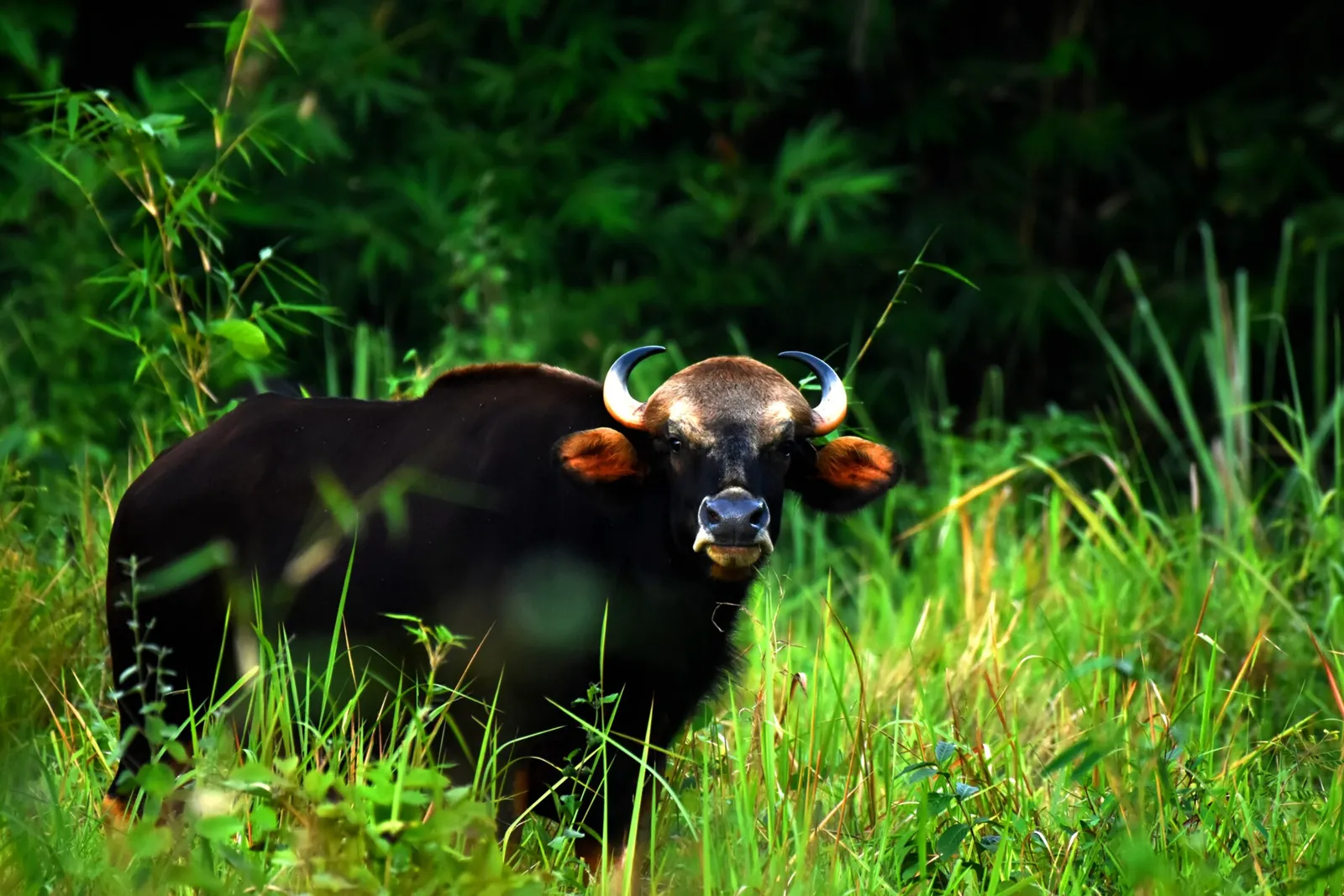
Sepahijala Wildlife Sanctuary

7 km away · Sipahijala district

Sepahijala Wildlife Sanctuary

Sepahijala Wildlife Sanctuary is a wildlife sanctuary in Tripura, India, associated with Sipahijala and West Tripura districts. Visitors come to experience it as a destination centred on wildlife.

Rudrasagar Lake

13 km away · Sipahijala district

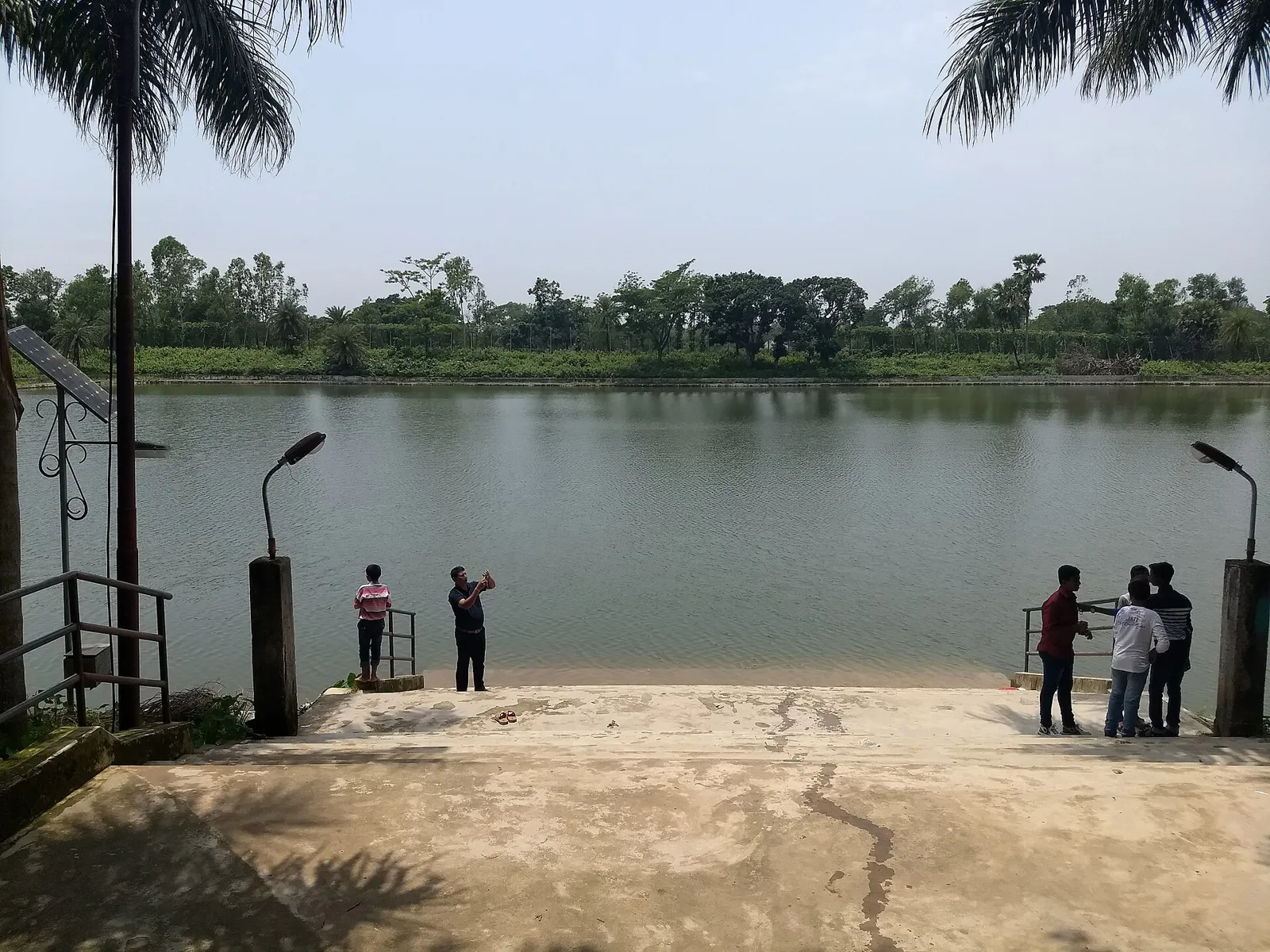
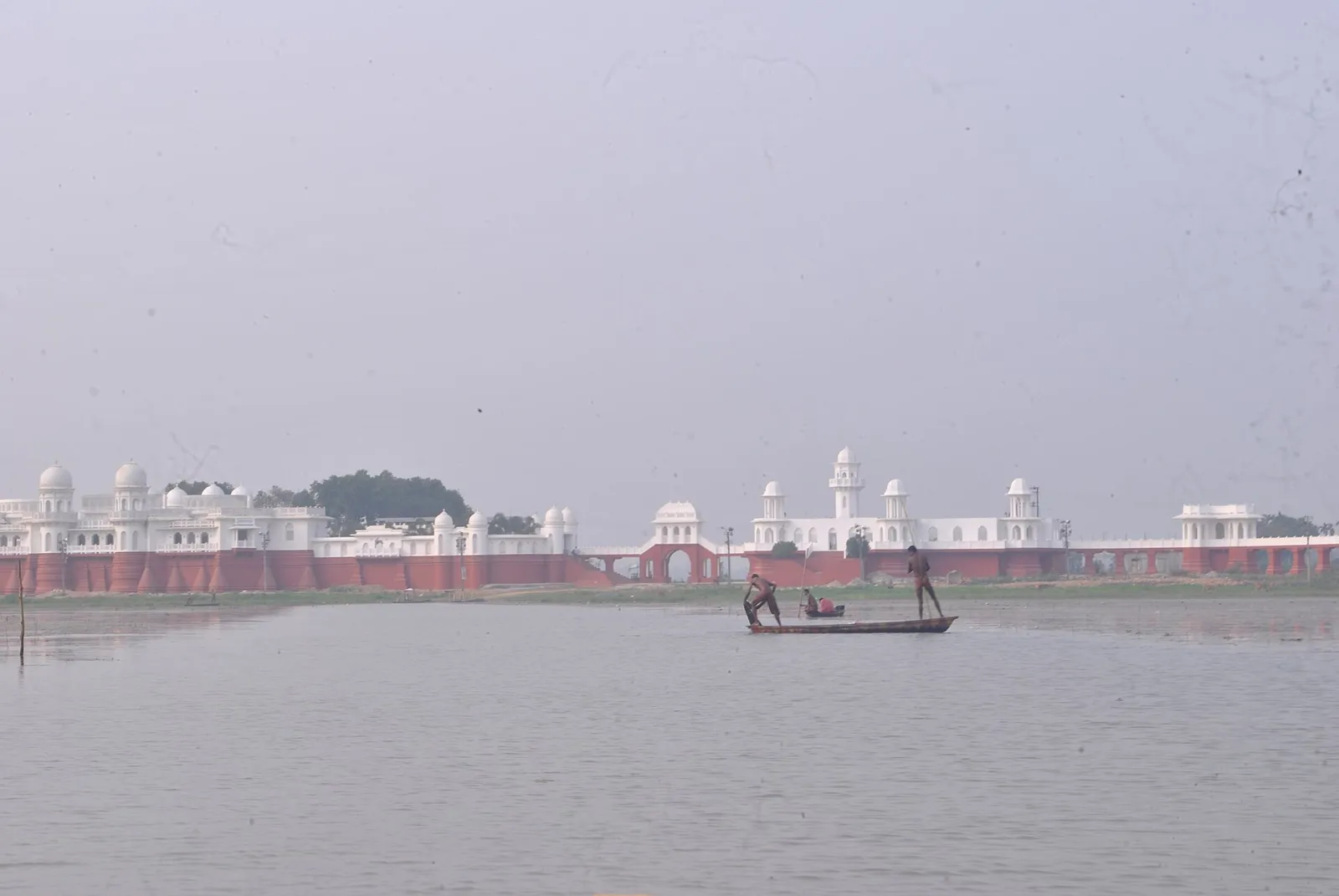
Rudrasagar Lake

Rudrasagar Lake, also called Twijilikma, is a wetland in Melaghar, Sipahijala district, Tripura. Visitors are drawn by its biodiversity and its recognition as a wetland of international importance.

Boxanagar Ruins

19 km away · Sipahijala district

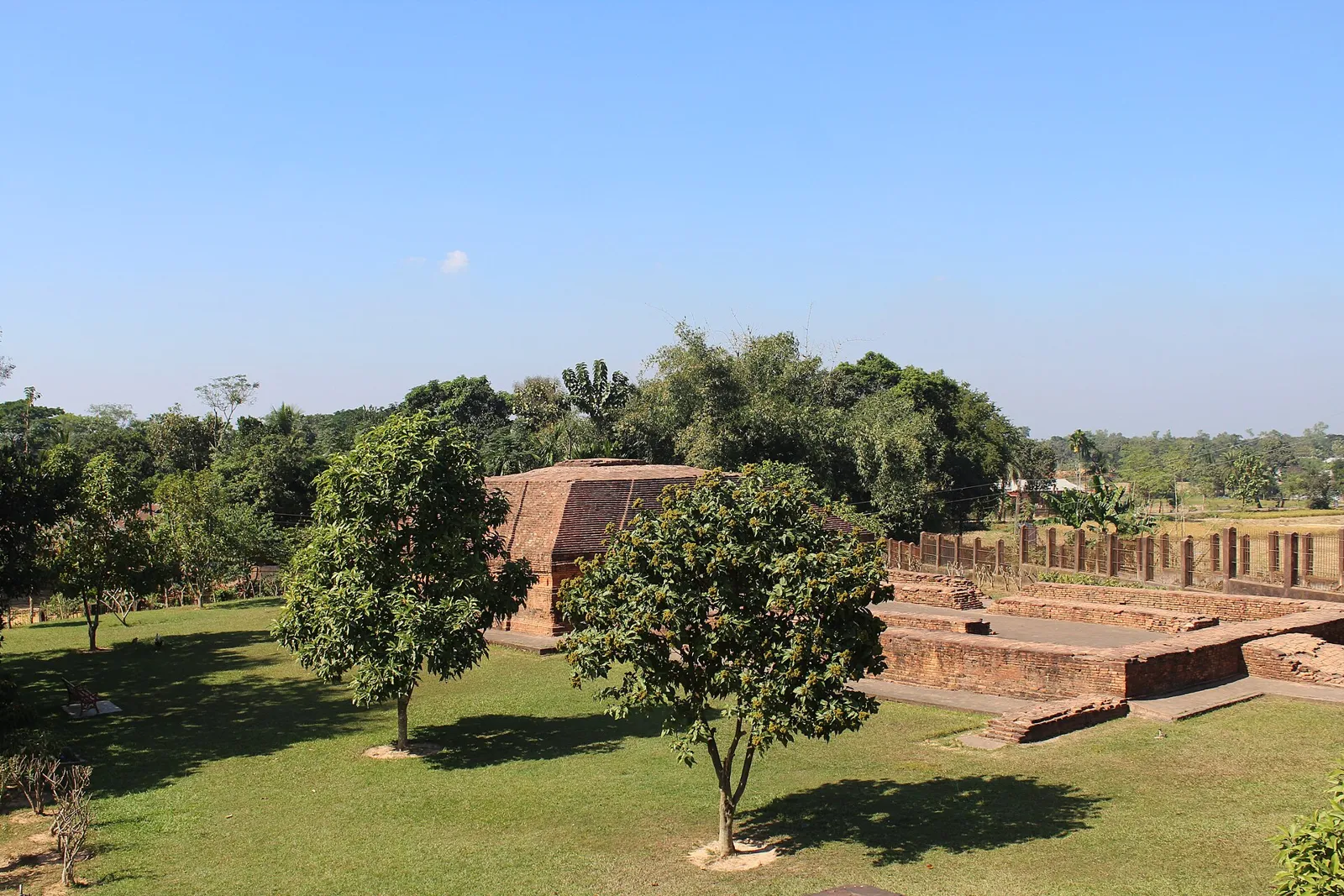
Boxanagar Ruins

Boxanagar Ruins is a Buddhist archaeological site in Tripura, recognised as a Monument of National Importance. Visitors come to view the remains and explore the site’s Buddhist heritage.

Trishna Wildlife Sanctuary

22 km away · South Tripura district

Trishna Wildlife Sanctuary

Trishna Wildlife Sanctuary is a wildlife sanctuary in South Tripura district, Tripura. Visitors come to experience a sanctuary devoted to wildlife.

Kamalasagar

23 km away · Sipahijala district

Kamalasagar

Kamalasagar is a man-made lake in Tripura’s Sipahijala district, built under King Dhanya Manikya in the 15th century. Visitors come for picnics and the October Navaratri mela.

Agartala

25 km away · West Tripura district

Agartala

Agartala is Tripura’s capital and largest city, beside the Haora (Saidra) River and close to Bangladesh. Visitors come to the state’s principal city for its administrative role and borderland setting.

Ujjayanta Palace

25 km away · West Tripura district

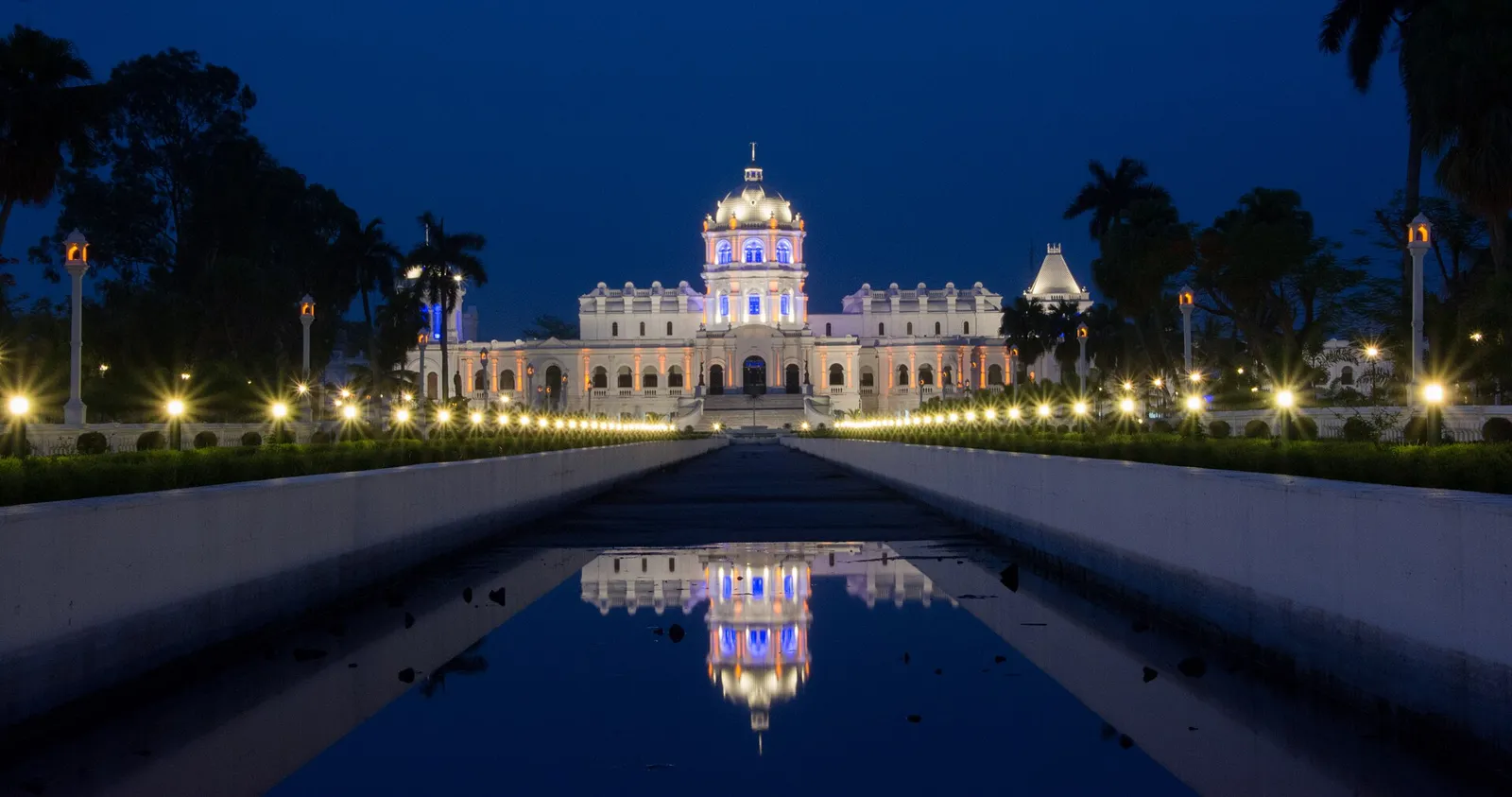
Ujjayanta Palace

Ujjayanta Palace, in West Tripura district, is Tripura’s state museum and the former royal residence of the princely state. Visitors explore displays on Northeast India’s communities and the Manikya dynasty.

Map

Barjala on the map

  1. 1Gumti Wildlife Sanctuary
  2. 2Sepahijala Wildlife Sanctuary
  3. 3Rudrasagar Lake
  4. 4Boxanagar Ruins
  5. 5Trishna Wildlife Sanctuary
  6. 6Kamalasagar
  7. 7Agartala
  8. 8Ujjayanta Palace

Tripura

Other cities to explore