Ghumoopedia — Explore, Discover, Experience
Sign in
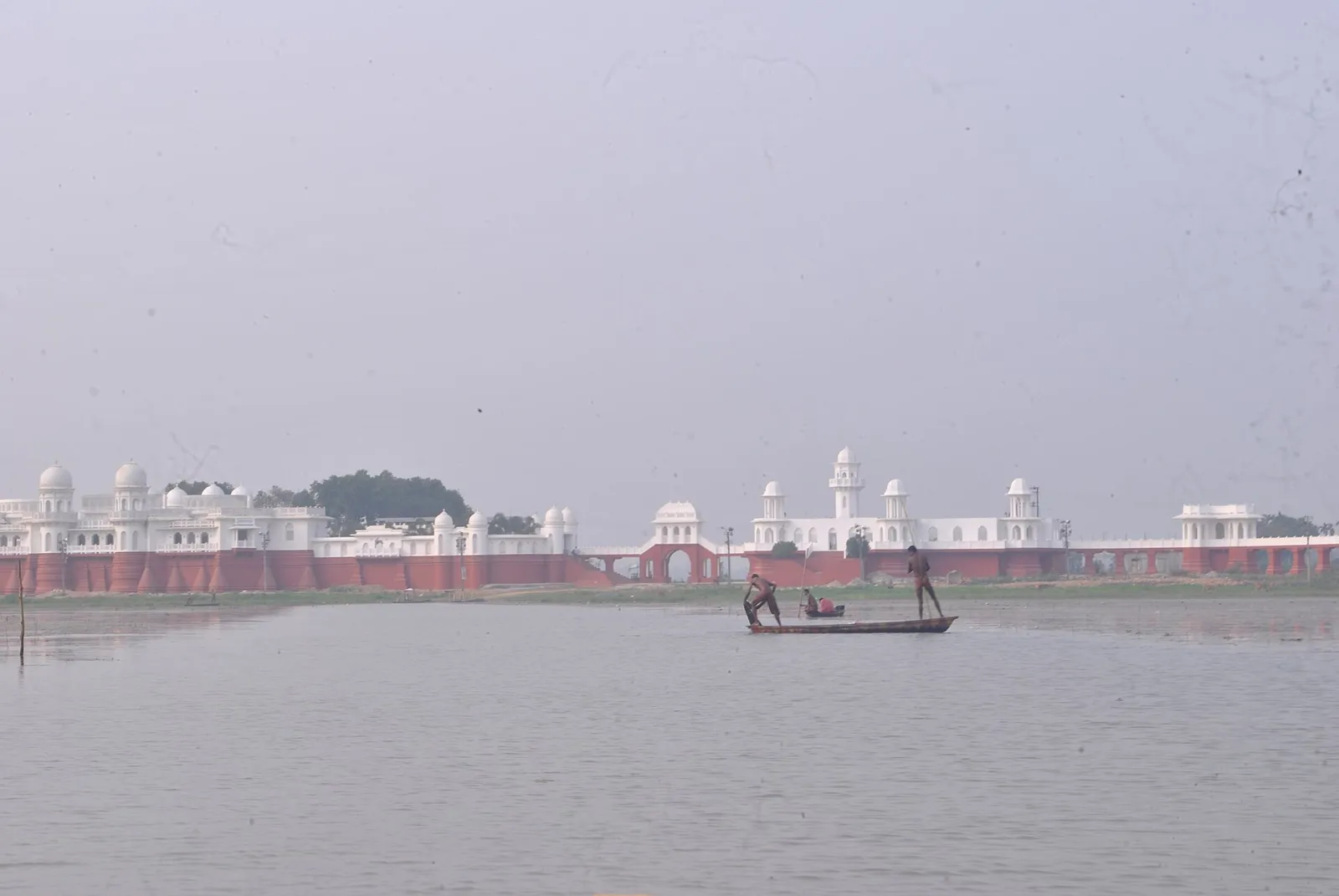
Rudrasagar Lake, near Amarpur

City guide · Tripura

Amarpur

Amarpur is a town in Gomati district and the headquarters of Amarpur subdivision. Its name recalls King Amar Manikya, and its setting combines a small administrative centre with historic waterbodies and places of worship.

Famous for

  • Amarsagar and Fatiksagar lakes
  • Mangalchandi Temple
  • Chobimura rock carvings
  • Dumboor Lake
  • Basant Panchami fair

Why Amarpur matters

Amarpur is a town in Gomati district and the headquarters of Amarpur subdivision. Its name recalls King Amar Manikya, and its setting combines a small administrative centre with historic waterbodies and places of worship. The town is especially associated with Amarsagar, an artificial lake dating to the 16th century, and nearby Fatiksagar. On Amarsagar’s southern bank, Mangalchandi Temple draws worshippers, with a fair held around Basant Panchami.

Amarpur also makes a useful base for exploring the wider region. Chobimura, on the Gomati River, is known for Hindu figures carved into a steep, forested rock face, while Dumboor Lake attracts visitors for its islands, scenery and birdlife. The town is connected by road with Udaipur and Teliamura, and is reached from Agartala via Udaipur. Today, its role as a subdivision headquarters supports local services and trade, while its lakes, religious sites and surrounding countryside give it a quieter appeal than Tripura’s larger urban centres.
Famous for: crafts, trade & products

Amarpur is better known for its lakes, religious sites and access to nearby natural and archaeological attractions than for a signature textile, handicraft or industrial product. There is no widely recognised Amarpur-specific saree, craft or GI-tagged product to seek out. The town’s local market serves residents and travellers with everyday goods and food; it is the most practical place to look for locally made items, although availability can vary.

Bamboo and cane crafts are made in parts of Tripura, but they should be understood as regional crafts rather than a distinctive Amarpur speciality. Visitors interested in them can ask local shopkeepers or vendors in the town market about current stock and where makers sell their work. Amarpur’s more established visitor interests are cultural and historical: Amarsagar and Fatiksagar, Mangalchandi Temple, and excursions towards Chobimura and Dumboor Lake. The Basant Panchami fair by the temple is an opportunity to experience a local gathering and browse temporary stalls, rather than a permanent craft bazaar. For a wider selection of Tripura products, travellers may find more choice in larger towns such as Udaipur or Agartala.

History

Amarpur’s history is linked to the Manikya rulers of Tripura. The town takes its name from King Amar Manikya, and the remains of a palace are associated with its royal past. Amarsagar, an artificial lake dating to the 16th century, is another lasting mark of this period. Fatiksagar adds to the area’s historic landscape, while Mangalchandi Temple continues to give the lakeside a religious role.

The state joined the Indian Union in 1949 and became a full state of India in 1972. In modern times, Amarpur has developed as a local service and administrative centre, serving as the headquarters of its subdivision in Gomati district. Roads linking it with Udaipur and Teliamura have helped connect the town to regional services and visitor routes. Its growth has therefore combined local administration with the continued importance of its historic lakes and surrounding sites.

Food, festivals & culture

Amarpur’s everyday food reflects the wider mix of Tripuri and Bengali influences in the region. Rice, fish and seasonal vegetables are common parts of local meals; bamboo-shoot preparations are also associated with Tripuri cuisine. Bengali-style sweets may be found in local shops, though Amarpur is not known for a particular signature dish or confection. Bengali and Kokborok are among the languages heard in Tripura, alongside other languages used by residents.

Religious observances shape the town’s calendar. Mangalchandi Temple, on the southern shore of Amarsagar, is a focus of worship, and a fair is held there around Basant Panchami in February. In the wider Amarpur area, the Pous Sankranti gathering at Tirthamukh, near Dumboor Lake, takes place in mid-January. Hindu festivals are observed alongside the traditions of Tripura’s Indigenous communities. Music and dance vary across these communities; visitors may encounter regional performances during festivals, but should not expect a regular programme. The lakeside temple and seasonal fairs are among the most accessible places to experience local religious and community life.

Visiting the city

The cooler, drier months from roughly October to February are generally comfortable for exploring Amarpur and its surroundings. The nearest airport is Agartala Airport. The nearest railway station is Udaipur railway station in Tripura; from there, road travel connects to Amarpur. The town is also reached from Agartala via Udaipur, about 120 km away, and has metalled-road links with Udaipur and Teliamura.

Within town, local road transport and walking are practical for reaching the lakeside and central areas. Explore Amarsagar, Fatiksagar and Mangalchandi Temple, then allow extra time for road trips to Chobimura or Dumboor Lake. The wooded route from Udaipur offers a scenic approach. Conditions can be wetter during the monsoon, so check local road and boat access before setting out for excursions.

Trips from the city

Nearest places to visit from Amarpur

Our closest destination guides, by straight-line distance.

Rudrasagar Lake

35 km away · Sipahijala district

Rudrasagar Lake

Rudrasagar Lake, also called Twijilikma, is a wetland in Melaghar, Sipahijala district, Tripura. Visitors are drawn by its biodiversity and its recognition as a wetland of international importance.

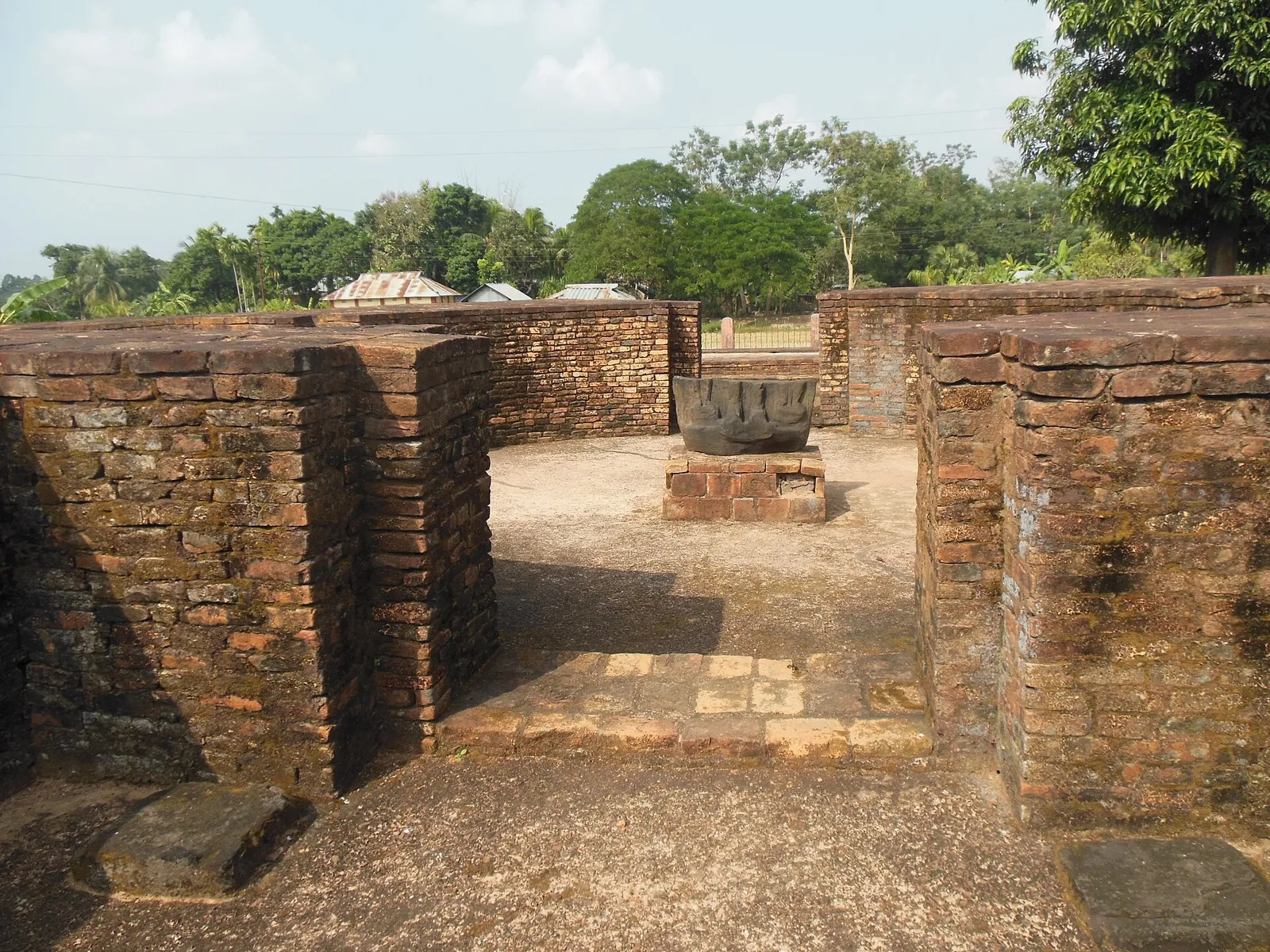
Pilak

37 km away · South Tripura district

Pilak

Pilak is an archaeological area in Santirbazar sub-division, South Tripura district, Tripura. Visitors come to see its Buddhist and Hindu remains, including images, structures and sandstone sculptures.

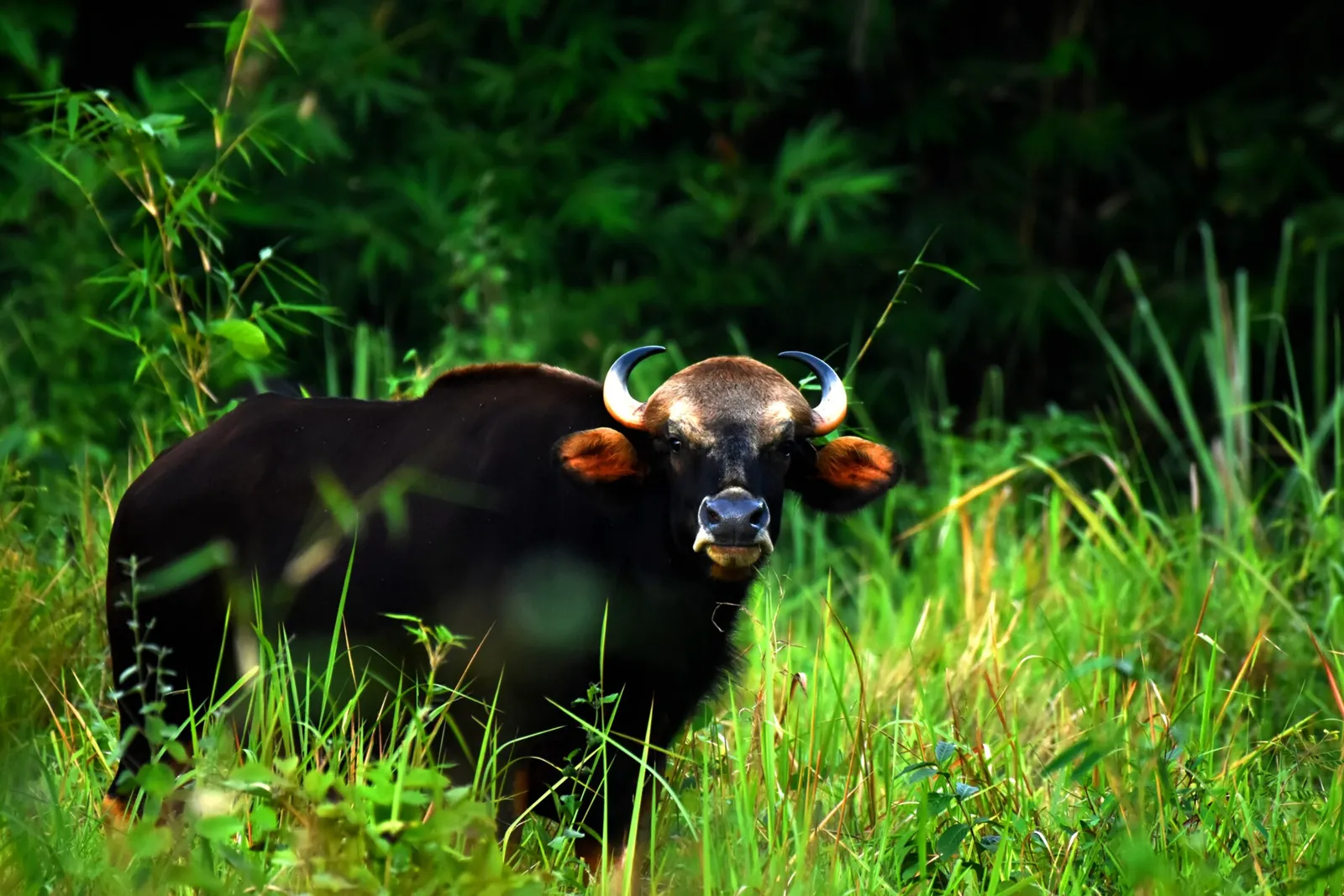
Trishna Wildlife Sanctuary

37 km away · South Tripura district

Trishna Wildlife Sanctuary

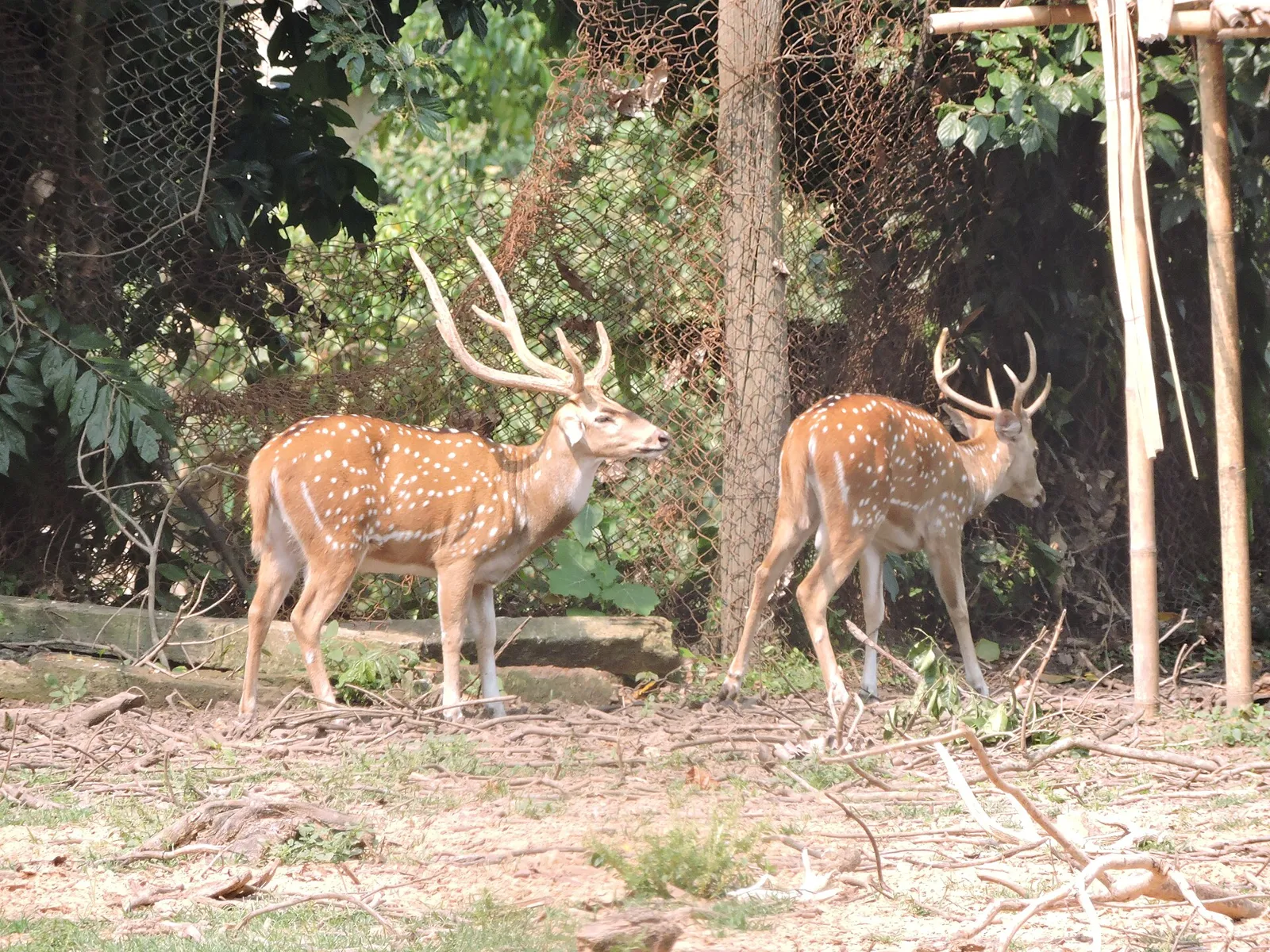
Trishna Wildlife Sanctuary is a wildlife sanctuary in South Tripura district, Tripura. Visitors come to experience a sanctuary devoted to wildlife.

39 km away · Gomati district

Gumti Wildlife Sanctuary

Gumti Wildlife Sanctuary is a wildlife refuge in southern Tripura’s Gomati district. Visitors come to encounter the wildlife that gives the sanctuary its character.

Sepahijala Wildlife Sanctuary

39 km away · Sipahijala district

Sepahijala Wildlife Sanctuary

Sepahijala Wildlife Sanctuary is a wildlife sanctuary in Tripura, India, associated with Sipahijala and West Tripura districts. Visitors come to experience it as a destination centred on wildlife.

Agartala

51 km away · West Tripura district

Agartala

Agartala is Tripura’s capital and largest city, beside the Haora (Saidra) River and close to Bangladesh. Visitors come to the state’s principal city for its administrative role and borderland setting.

Boxanagar Ruins

51 km away · Sipahijala district

Boxanagar Ruins

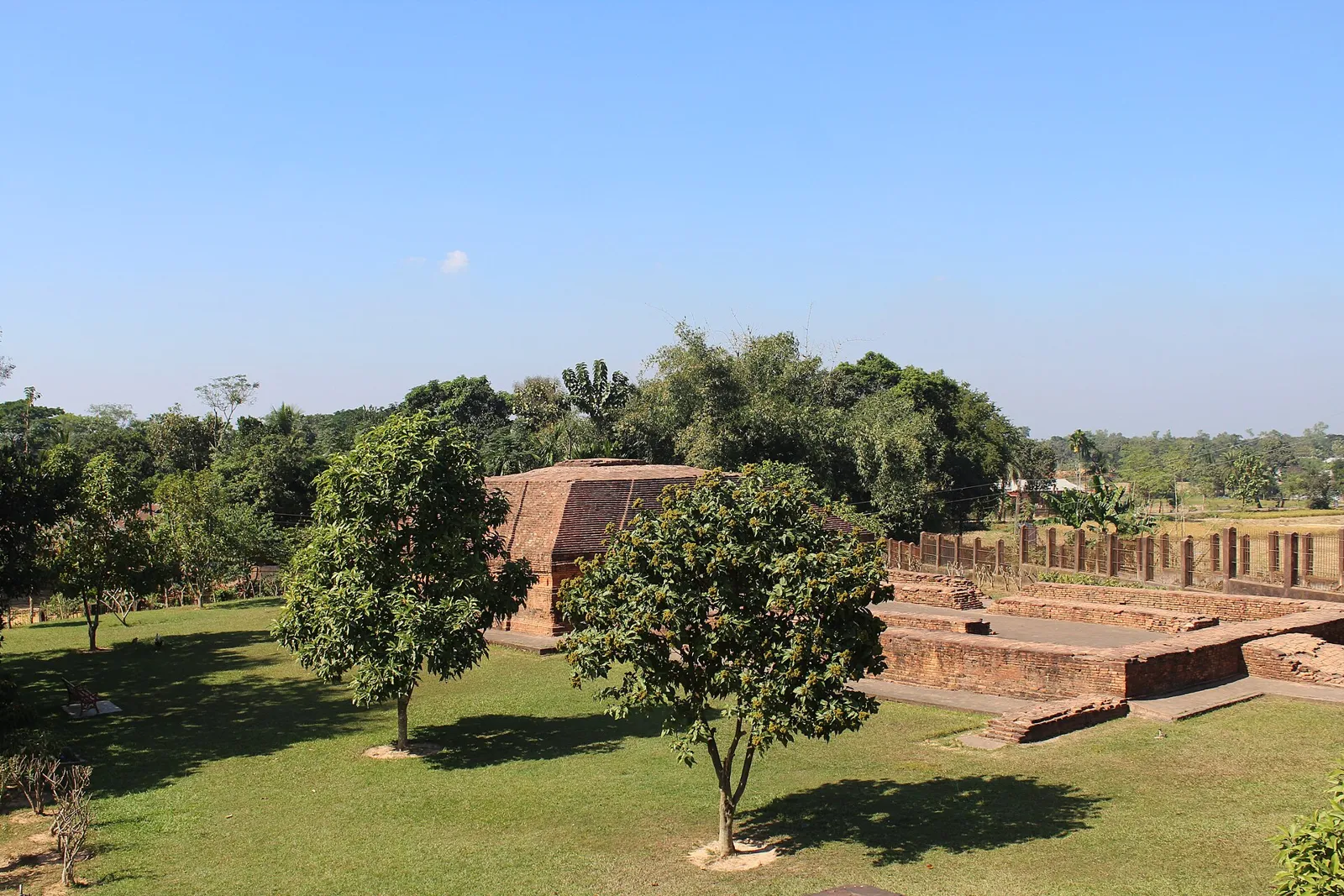
Boxanagar Ruins is a Buddhist archaeological site in Tripura, recognised as a Monument of National Importance. Visitors come to view the remains and explore the site’s Buddhist heritage.

Ujjayanta Palace

52 km away · West Tripura district

Ujjayanta Palace

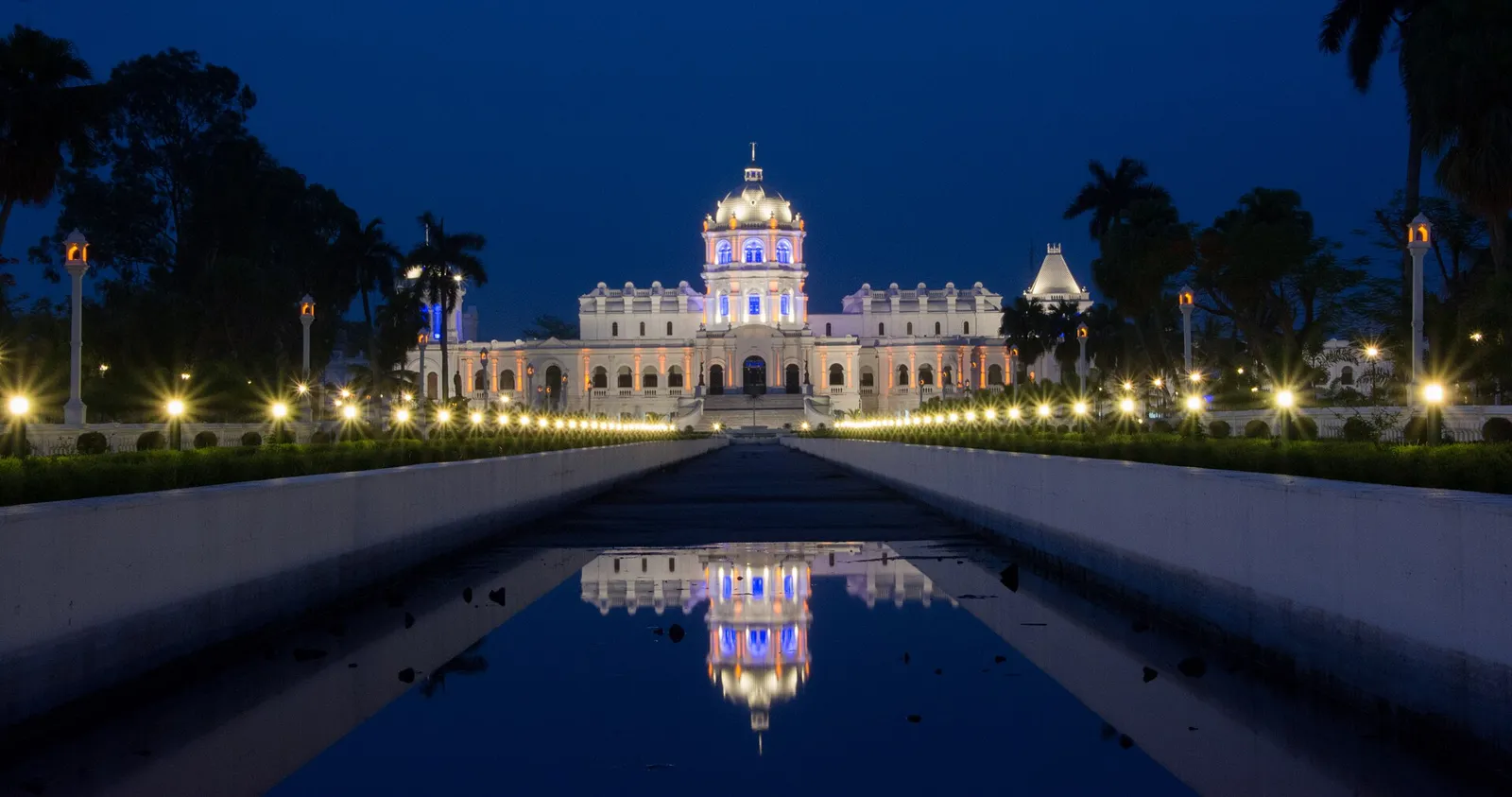
Ujjayanta Palace, in West Tripura district, is Tripura’s state museum and the former royal residence of the princely state. Visitors explore displays on Northeast India’s communities and the Manikya dynasty.

Map

Amarpur on the map

  1. 1Rudrasagar Lake
  2. 2Pilak
  3. 3Trishna Wildlife Sanctuary
  4. 4Gumti Wildlife Sanctuary
  5. 5Sepahijala Wildlife Sanctuary
  6. 6Agartala
  7. 7Boxanagar Ruins
  8. 8Ujjayanta Palace

Tripura

Other cities to explore