
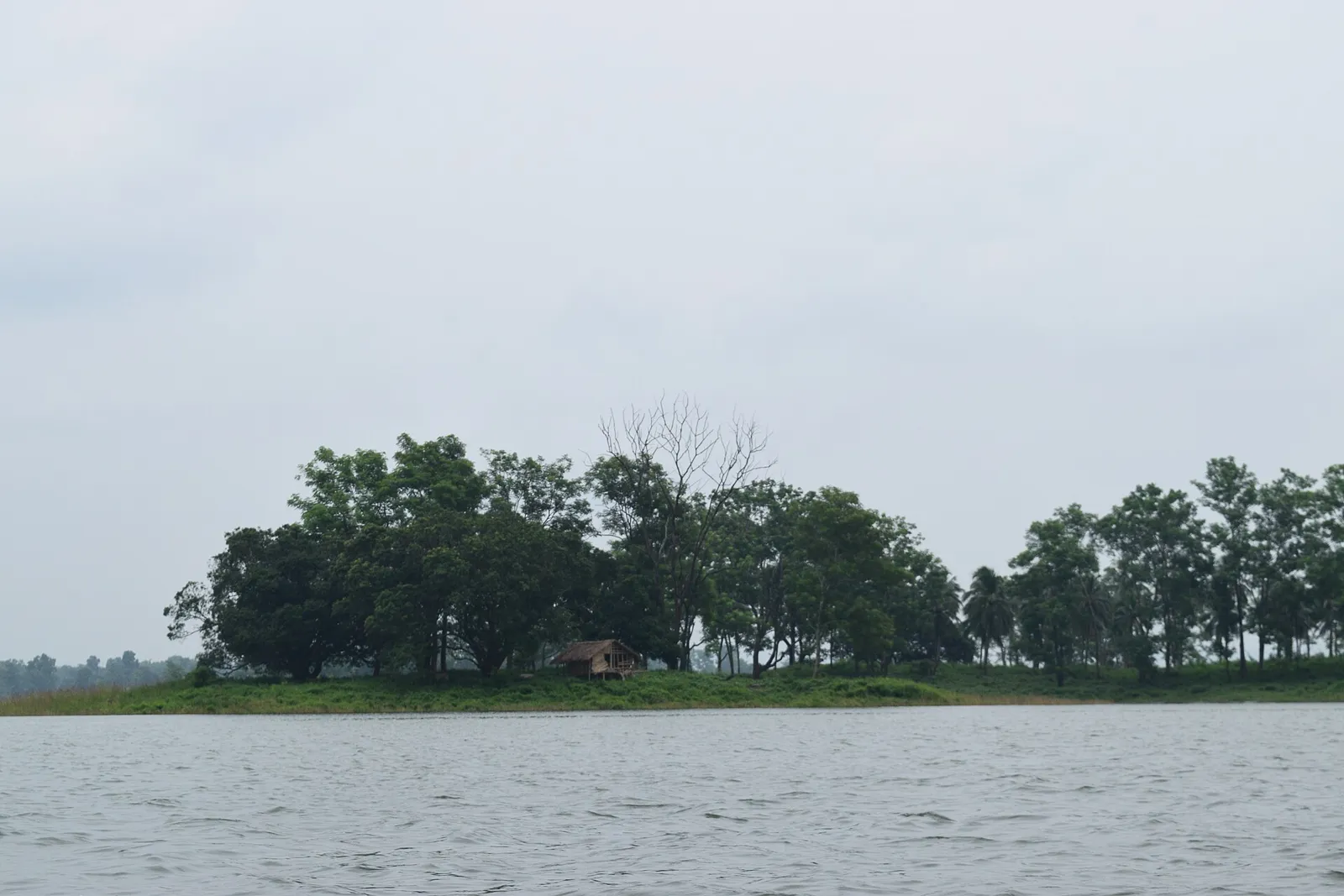
Dumboor Lake
Dumboor Lake is a lake in Tripura’s Dhalai district. It may interest people consulting regional lake listings or identifying lakes recorded in this part of the state.
Key facts · verified by Ghumoopedia editors
- Type of place
- Natural attraction
- Best time to visit
- October to March
- Verified
- 21 Nov 2026
Dumboor Lake is identified as a lake in Dhalai district, Tripura. This gives its basic classification and administrative location, without adding other details about the lake. In Tripura’s lake index, the name is associated with Dhalai district. Readers consulting the listing can identify Dumboor Lake as a lake recorded for that district. The information provided describes the place through its name, its status as a lake and its location within Tripura. No further features or activities are specified. Tripura combines royal Manikya heritage, nineteen indigenous communities and a large Bengali-speaking population. Tripura is warm and humid for much of the year, with heavy rain from June to September and pleasant winters. The usual best time to visit is October to March. Days are short in Northeast India: the sun can set before 5 pm in winter, so plan to reach and leave Dumboor Lake in daylight. For official information, see Tripura Tourism at https://tripuratourism.gov.in.
Why it matters
Dumboor Lake is included in Ghumoopedia’s Tripura index as a lake in Dhalai district. No UNESCO, Archaeological Survey of India or other formal heritage or conservation designation has been confirmed here. That does not establish that the lake lacks local, ecological or cultural importance; it means visitors should seek confirmation from Tripura Tourism, district authorities or a local host before relying on specific claims. Treat it as a place to visit respectfully, follow local guidance and avoid disturbing the shoreline or nearby communities.
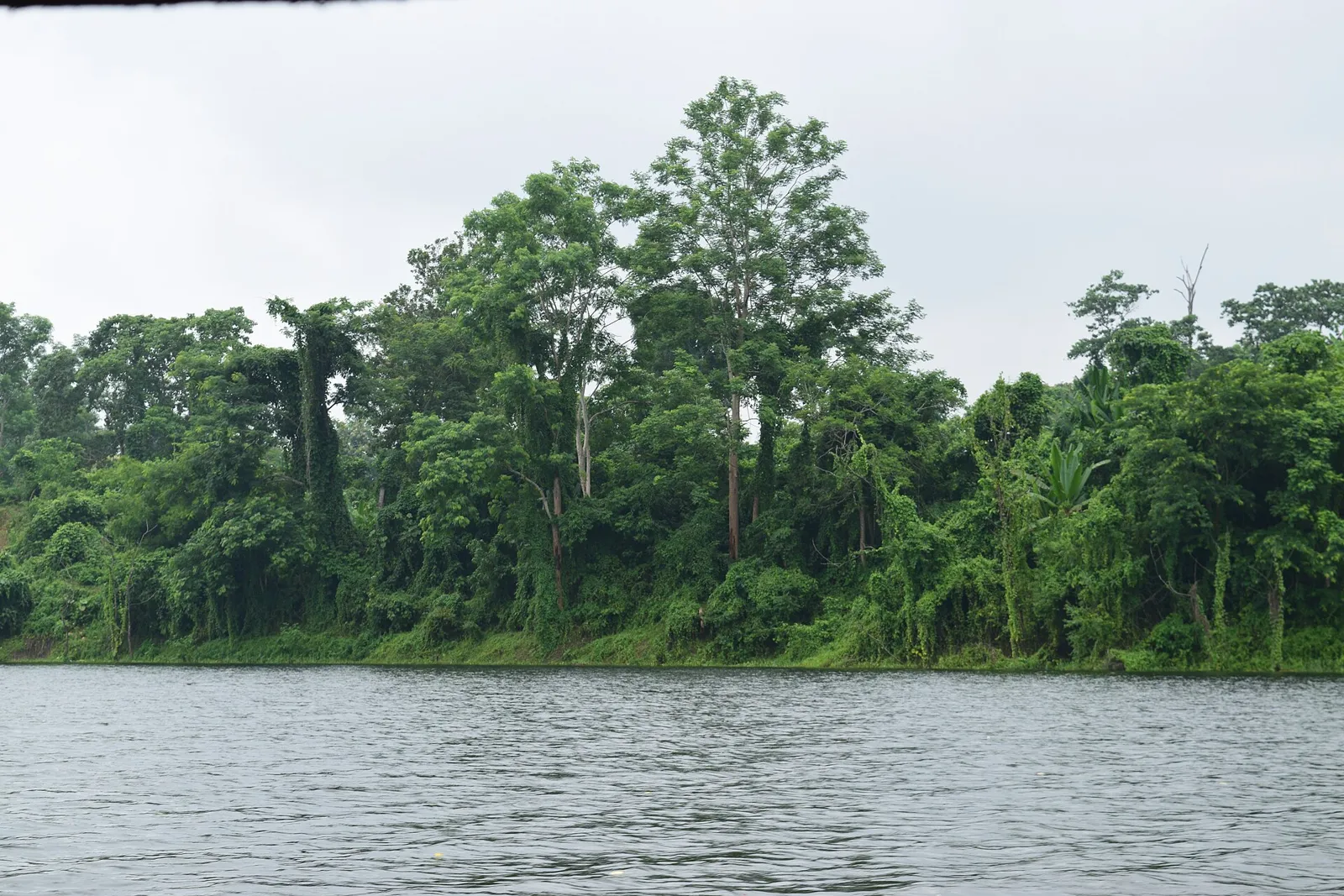
The name appears in the Tripura index as a lake in Dhalai district, but the available reference information does not identify when it formed, whether its water levels have been altered, or which communities have historically used its shores. It would therefore be misleading to assign a construction date, name a builder, or describe a particular restoration or development project without stronger sources. Tripura has a long and varied history shaped by the Manikya royal house, indigenous communities and Bengali-speaking residents. Those broad regional histories provide context for travel in the state, but they should not be presented as a specific history of this lake. Visitors interested in local land use or older place names can ask district or community sources, while treating oral accounts as locally held knowledge rather than a substitute for verified dates. Before travel, confirm the lake’s precise location and administrative details with Tripura Tourism or a host; boundaries and map labels can differ between sources.
Origin stories & folklore
Stories associated with other lakes or landscapes in Tripura should not automatically be attributed to this place. If a local resident shares an account, treat it as a tradition or personal telling, and ask respectfully whether it is appropriate to repeat or photograph it. Some community knowledge may be private or connected to particular places and practices. Visitors can enjoy the lake without seeking a supernatural explanation for its name or formation; until a locally sourced account is confirmed, it is more accurate to say that this guide has no verified legend to report.
Spend unhurried time at Dumboor Lake: walk the marked paths, use official viewpoints and ask locally whether a guide, entry ticket or permit is needed. Admire the water from safe points rather than climbing wet rocks or swimming in unknown currents. Wildlife sightings are never guaranteed — patience and quiet improve your chances. A comfortable itinerary is one main visit in the morning, a local meal at midday and a short nearby stop before an afternoon return. Use the district list on this site to find other places in Dhalai, but check the actual road route and its condition before combining stops. If a festival is on, local roads and stays can be busy — and the experience can be unforgettable. Leave no litter: many sites in Tripura are protected by the communities who own them.
Suggested itineraries
Half day: Confirm access locally; spend 1–2 hours at an approved lakeside viewing area; take a quiet walk only on permitted paths; return before dusk. Full day: Travel in daylight; spend 2–3 hours observing the lake from safe points; pause for a local meal; ask about one nearby stop and its road conditions; return with daylight to spare. Gentler option: Arrange a vehicle drop-off at the nearest confirmed accessible viewpoint, enjoy a brief seated visit, and avoid uneven paths or shoreline approaches.
Tripura’s cultural life reflects indigenous traditions, Bengali-speaking communities and the state’s varied regional histories. Around Dumboor Lake specifically, this guide has not verified a regular performance, customary dress practice, language pattern or visitor ceremony. Bengali and several indigenous languages are spoken across Tripura, but the languages visitors encounter locally can vary. Music, dance, food and community customs are best understood through respectful conversation rather than assumptions based on a general state profile. Ask before photographing people, homes or cultural activities, and follow local guidance if a gathering or practice is not intended for visitors. A visit need not involve a formal cultural programme; considerate conduct and patience are appropriate at the lake and in nearby settlements.
Local communities
Tripura is home to nineteen indigenous communities as well as a large Bengali-speaking population, but their relationships to individual places differ and should not be generalised. Residents in the wider area may be involved in farming, public services, trade or other livelihoods; this guide cannot verify which activities take place beside the lake. Ask locally before entering land, photographing people or assuming that a shore or path is open to visitors. Buy from local sellers when available, follow community directions and avoid sharing sensitive cultural information without permission.
Festivals & events
Tripura observes a range of religious and community festivals, including celebrations whose timing follows local calendars, but a state-wide festival should not be assumed to take place beside the lake. Ask a local host or district source whether any nearby event is planned during your visit. A festival can bring increased road traffic, demand for accommodation and changes to access, while some gatherings may be intended primarily for local participants. Be considerate around ceremonies, seek permission before taking photographs, and do not enter restricted areas. Confirm current local arrangements before building an itinerary around an event.
Local food in Tripura includes mui borok (berma fermented fish dishes), wahan mosdeng (pork with chilli), chakhwi stew and Bengali-style fish curries. Ask what is fresh that day; many small eateries cook a limited daily menu. Pork, beef, fish and fermented ingredients are common in tribal cuisines, so vegetarian travellers should explain their needs clearly — rice, dal, vegetables and eggs are usually possible in towns. Remote sites may have no restaurant at all. Carry water and snacks, eat a proper breakfast before long drives, and ask your accommodation for a packed lunch if you are heading out early. Try a homestay-cooked meal when you can — it is often the best local food. Choose busy, clean places and carry your packaging back to town.
Shopping & local experiences
If local vendors are present, consider buying small goods directly and ask before photographing stalls or products. In nearby settlements, look for everyday produce, snacks or locally made items, but confirm what is actually available rather than expecting a tourist market. Tripura has diverse craft traditions, yet this guide cannot attribute a particular craft to the lake’s surrounding communities. Choose goods respectfully, avoid bargaining in a way that disregards a maker’s work, and carry your rubbish away. Ask a local host for trustworthy shops or food stops on your route.
Dumboor Lake is identified as a lake in Dhalai district, Tripura, but this guide has not verified detailed information about its size, shoreline, water sources, islands or surrounding vegetation. The broader state includes humid landscapes and receives substantial monsoon rain, but conditions at this particular site can vary with season and weather. Do not assume that a particular bird, animal or plant will be present: wildlife sightings are never guaranteed, and no species list for the lake has been confirmed here. Observe from safe, locally approved points, keep noise low and leave plants and animals undisturbed. Avoid swimming or climbing wet rocks unless local authorities explicitly confirm that it is safe and permitted.
October to March
These figures are calculated from map coordinates, so actual road distance and travel time are longer. Guwahati is the main rail and air hub for the region, and most long-distance journeys connect through it. For the final leg, Tripura Road Transport Corporation (TRTC) and private buses link district towns; shared taxis usually leave early in the morning and depart only when full. A private taxi gives more flexibility for remote sites. When comparing train, bus and flight, count the complete door-to-door time: a flight saves the most time only if the onward road transfer is short, while an overnight train to Guwahati plus a road journey can save a hotel night. Book your return before you leave, because seats on shared vehicles and the few daily flights fill quickly. Current train numbers, timings, return services and fares are not listed here; check IRCTC and NTES for trains and the airline’s own schedule for flights. No Inner Line Permit is needed to visit Tripura. Some sites near the international border may have restricted hours, and sanctuaries charge entry fees.
Getting around
First confirm the lake’s precise map location and the condition of the approach road with a local host or district source. In Tripura, buses and shared vehicles generally connect larger settlements, while a private taxi can offer more flexibility for a rural visit; availability at the final approach should be checked in advance. Autos may serve some town routes but should not be assumed to reach the lakeshore. Walking may be necessary between a drop-off point and a safe viewing area. This guide has not verified boat services, visitor parking or local shuttle transport, so do not plan around them without confirmation. Arrange a return ride before travelling onward.
Hours, tickets & permissions
Ask locally whether an entry ticket, permit, identity document, guide or camera permission is required; rules may differ between the lake, nearby land and any facilities. Confirm current access conditions and any fees with Tripura Tourism, district authorities or your host before setting out. Do not assume that an open-looking route is a public path. Plan to arrive and leave in daylight, particularly in winter, when daylight hours in Northeast India are short.
Facilities
Toilets, drinking water, food stalls, formal parking, guides and mobile coverage may be limited or unavailable at the lakeside; check locally rather than relying on them. Carry drinking water, any essential medication and a small amount of food, and take rubbish back with you. Ask your host about vehicle access, safe waiting points and whether any community-run services are operating before you travel.
Accessibility
Do not assume there are paved paths, handrails, ramps or accessible toilets. Lakeside ground can be uneven, muddy or slippery, especially after rain, and there may be little shade; check current conditions before setting out. Wheelchair and stroller access cannot be confirmed, and older visitors or anyone with limited mobility may find an unpaved approach difficult. Ask locally about the closest safe drop-off and whether a short, level viewing option exists. Avoid wet rocks, steep banks and any path that feels unsafe.
No Inner Line Permit is needed to visit Tripura. Some sites near the international border may have restricted hours, and sanctuaries charge entry fees. Carry a photo ID at all times; checkpoints are common. Save the emergency number 112 and your accommodation’s contact offline. Heat, humidity and sudden downpours are the main weather risks; carry water and rain protection. Stay on marked paths, keep away from cliff edges and fast water, and never approach wild animals. Avoid long road journeys after dark and during heavy rain. Check official advisories for the region before travel, and follow local guidance if access changes.
Photography
Soft morning or late-afternoon light can suit lake and landscape photography, but confirm locally where visitors may safely stand. This guide has not verified camera rules, so ask whether photography is allowed at the chosen access point and whether any separate permission applies. Drones can be subject to aviation, security, community or site restrictions; do not fly one without checking current rules and obtaining any required permission. Ask before photographing residents, homes, boats, gatherings or cultural activities. Keep equipment and tripods away from narrow paths and do not approach unstable or slippery edges for a closer view.
Choose a stay by the full journey to Dumboor Lake, not just the district name. Main towns in Dhalai usually offer hotels, state tourism lodges and homestays with better transport, meals and medical access, while village homestays offer a closer connection to local life. In the plains and valleys, check fans or air-conditioning and mosquito nets in summer. Book in advance for weekends, festival dates and the peak season (October to March). Confirm the exact location, meals included, check-in time and cancellation terms in writing. Many homestays accept payment on arrival; avoid sending money to unverified contacts. Mobile network and digital payments can be unreliable in remote areas, so carry some cash.
Gandacherra and Ambassa are place names in Dhalai district that may help orient a journey, but this guide has not verified the best road route, travel time or visitor services from either town to Dumboor Lake. Confirm the lake’s exact location before combining stops. Ask a local host or district tourism source about suitable places along your actual route, their current access and whether they are open to visitors. Avoid planning several rural stops in one day until road conditions and return transport are clear.
For couples, Dumboor Lake rewards a slow pace: arrive early for soft light and fewer crowds, share a local meal and keep the evening free. Public displays of affection can be frowned upon in conservative communities and at religious sites, so be discreet. A homestay can make the trip memorable — confirm privacy, hot water and transport back. Keep a buffer day in your itinerary, because weather and road closures can delay plans in Tripura.
Q: How much time should I allow for Dumboor Lake? A: Allow at least a half-day for a visit, with extra time for uncertain road access and local arrangements. Q: When is the best season to visit? A: October to March is generally more comfortable across Tripura; check local weather and road conditions before travel. Q: Is there an entry fee or permit? A: This guide has not verified entry rules or fees. Confirm current requirements with Tripura Tourism, district authorities or a local host. Q: Is the lake suitable for children and older visitors? A: Supervise children closely and ask about a safe, easy viewing point. Q: Can I stay near the lake? A: Ask a local host about current options in the area or plan lodging in a town after checking the road route.
Be the first to share photos, stories, advice or a helpful contact for Dumboor Lake.
Loading…